Beyond the Battlefield: How Tim Thomas Healed Himself and Others Through Breathwork
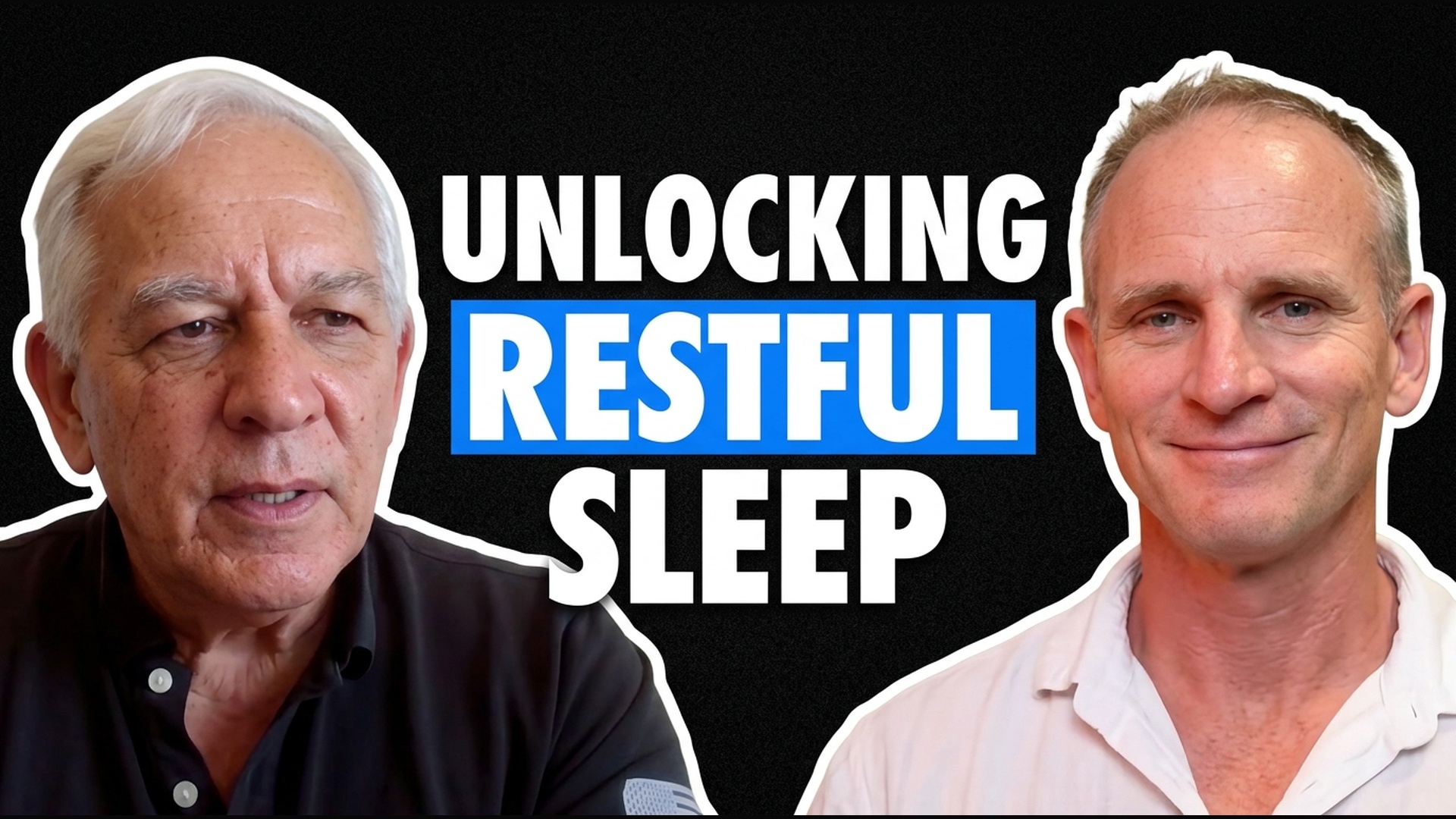
This week on Arthur's Round Table, we had an absolutely profound conversation with Tim Thomas, a former Australian Special Forces operator who has transitioned into a leading figure in nervous system recovery and breathwork. In today's blog post, we're going to delve deeper into the incredible journey that led Tim to discover the transformative power of breath, exploring the intense demands of his military service and how those experiences paved the way for his current mission to help others heal and thrive. If you missed the episode, you can catch up right here: Breathwork & Nervous System Recovery | Tim Thomas on Sleep, Stress & Human Performance.
Tim's story is a testament to resilience, adaptation, and the innate capacity of the human body and mind to heal. He shares insights that are not only relevant to those who have experienced significant trauma but are also incredibly valuable for anyone navigating the daily stresses of modern life. This post will expand on the key themes discussed in the episode, offering a more detailed look at the science, the practices, and the philosophy behind Tim's work.
From the Battlefield to Breathwork: Tim Thomas's Transformative Journey
Tim Thomas's path to becoming a pioneer in nervous system recovery is as unique as it is inspiring. His early career was forged in the crucible of Australian Special Forces, a demanding environment that pushed the boundaries of human endurance, both physically and mentally. These were not just deployments; they were often high-stakes operations in some of the most challenging environments on earth. The constant threat, the need for unwavering focus, and the immense pressure to perform under duress etched deep experiences onto Tim's psyche.
It's within this intense operational context that Tim began to grapple with the very real, often invisible, toll that extreme stress and trauma can take. While the physical demands were evident, the cumulative impact on his nervous system was something he had to learn to manage. The constant state of alert, the hypervigilance, and the emotional weight of his responsibilities created a persistent hum of stress within him. It was during these challenging times that the seeds of his future work were sown, not through formal training, but through personal necessity and observation.
The transition from the battlefield to the practice of breathwork wasn't a sudden leap, but rather a gradual unfolding of understanding. Tim, like many who serve in elite military units, developed incredible coping mechanisms. However, he also recognized that these mechanisms, while essential for survival in combat, were not sustainable for long-term well-being. The intense focus required to operate in high-threat environments often meant suppressing emotions and remaining in a constant state of readiness. This, he would later discover, came at a significant cost to his overall health and his ability to connect with himself and others.
The journey from the sharp edge of military operations to the gentle, yet powerful, practice of breathwork is a compelling narrative of self-discovery and a testament to the human capacity for healing. Tim's story isn't just about surviving; it's about thriving after adversity, and it all began with a deeper understanding of the body's innate resilience.
The Stresses of Special Forces: Understanding Trauma and the Fight-or-Flight Response
The life of a Special Forces operator is defined by extraordinary challenges, pushing individuals to their physical and psychological limits. The constant exposure to high-stakes situations, danger, and often, violence, triggers the body's primal survival mechanisms: the fight-or-flight response. This is a critical evolutionary adaptation, designed to prepare us to confront or escape immediate threats. When activated, the sympathetic nervous system floods the body with adrenaline and cortisol, increasing heart rate, blood pressure, and respiration, while diverting energy away from non-essential functions like digestion and higher-level cognitive processes.
While essential for survival in a combat zone, prolonged or repeated activation of the fight-or-flight response can have devastating consequences. In the context of Special Forces operations, soldiers are often required to maintain this heightened state of alert for extended periods. This chronic activation can lead to a state of hyperarousal, where the nervous system remains "on edge," even in the absence of immediate danger. This is where the concept of trauma becomes deeply intertwined with the experiences of those in high-stress professions.
Trauma, in this context, isn't just about a single catastrophic event; it can also be the cumulative effect of prolonged exposure to stressful, life-threatening situations. The nervous system can become dysregulated, meaning it struggles to return to its baseline state of calm after a perceived threat. This can manifest in a myriad of ways, including anxiety, insomnia, irritability, difficulty concentrating, and a persistent feeling of being on guard. The body is essentially stuck in a loop of perceiving danger, even when the actual threat has passed.
Tim’s experiences provided him with a front-row seat to the impact of these physiological and psychological responses. He witnessed firsthand how the intense demands of his role could alter individuals' behaviour, their decision-making capabilities, and their overall well-being. Understanding the intricate workings of the fight-or-flight response, and how it can become chronically activated, was a crucial step in his personal journey and the foundation for the healing modalities he would later develop.
Discovering Breathwork: Tim's Epiphany in Afghanistan
It was during a deployment in Afghanistan, amidst the stark realities of combat and the relentless pressure of his duties, that Tim experienced a profound epiphany. While the environment was one of constant threat and heightened alertness, it was in a moment of relative quiet, perhaps during a lull in operations or a period of downtime, that Tim turned his attention inward. He began to experiment with his breath, not as a conscious exercise, but as an instinctive response to the internal turmoil he was experiencing.
He discovered that by consciously focusing on his breath, by slowing it down, deepening it, and finding a rhythm, he could create a palpable shift in his physiological and emotional state. It was a revelation. In a world that demanded constant vigilance and often suppressed emotional expression, the breath offered a direct, immediate pathway to regulation. He found that by altering his breathing patterns, he could calm his racing heart, quiet the mental chatter, and regain a sense of control amidst chaos.
This wasn't a theoretical understanding; it was a visceral, lived experience. In the unforgiving landscape of Afghanistan, where the line between life and death could be razor-thin, this discovery was not just a coping mechanism; it was a lifeline. He began to notice how different breathing techniques affected his focus, his stress levels, and his ability to think clearly. This personal, on-the-ground exploration became the bedrock of his future work, proving that even in the most extreme circumstances, simple, physiological interventions could yield significant results.
This moment of "epiphany" in Afghanistan marked a turning point. It was the moment Tim realized that he held within him a powerful tool for self-regulation, a tool that could be honed and shared. He understood that the breath was not just an automatic biological function; it was a conscious gateway to influencing the nervous system, a concept that would drive his mission to help others heal.
Breathwork and Nervous System Recovery: The Science Behind the Practice
The transformative power of breathwork isn't just anecdotal; it's firmly rooted in neuroscience and physiology. Our breath is intimately connected to our autonomic nervous system (ANS), which controls involuntary bodily functions like heart rate, digestion, and breathing. The ANS has two main branches: the sympathetic (responsible for the fight-or-flight response) and the parasympathetic (responsible for the rest-and-digest response).
When we are stressed or in danger, our sympathetic nervous system is activated, leading to rapid, shallow breathing. Conversely, deep, slow, and controlled breathing activates the parasympathetic nervous system, signaling to the body that it is safe to relax. This shift is mediated by the vagus nerve, the longest nerve in the body, which acts as a crucial link between the brain and many internal organs. Slow, deliberate exhalations, in particular, stimulate the vagus nerve, promoting a state of calm and reducing heart rate and blood pressure.
Breathwork practices, like those Tim Thomas teaches, work by deliberately influencing these physiological processes. Techniques such as diaphragmatic breathing (belly breathing), paced breathing, and specific breath holds can help to:
- Regulate Heart Rate Variability (HRV): HRV is a measure of the variation in time between heartbeats. Higher HRV is generally associated with better stress resilience and cardiovascular health. Breathwork can significantly improve HRV by promoting parasympathetic activity.
- Reduce Cortisol Levels: Cortisol is the primary stress hormone. Chronic elevation of cortisol can have numerous negative health effects. Breathwork has been shown to lower cortisol levels, mitigating the damaging effects of prolonged stress.
- Enhance Oxygenation: While it might seem counterintuitive, controlled breathing can improve the efficiency of oxygen uptake and utilization by the body, leading to increased energy and improved cognitive function.
- Promote Neuroplasticity: Regular breathwork can encourage the brain to form new neural pathways, making it more adaptable and resilient to stress. It helps to downregulate the amygdala (the brain's fear center) and increase activity in the prefrontal cortex (responsible for executive functions).
The beauty of breathwork is its accessibility. It requires no special equipment or expensive therapies, yet its impact on the nervous system can be profound. Tim's work leverages these scientific principles to create practical, effective techniques that can be integrated into daily life, offering a powerful antidote to the chronic stress many people experience.
Why Performance Without Recovery is Dangerous: The Impact of Chronic Stress
In our hyper-achieving society, the pursuit of peak performance is often lauded. We celebrate those who push their limits, work tirelessly, and constantly strive for more. However, as Tim powerfully articulates, there's a critical flaw in this paradigm: performance without adequate recovery is not only unsustainable but can become downright dangerous. This is a concept that resonates deeply with his experiences in the high-pressure world of Special Forces, but it extends far beyond the battlefield into every aspect of modern life.
When we are constantly operating in a state of stress, our bodies and minds are in a perpetual state of alert. The sympathetic nervous system remains dominant, flooding our systems with stress hormones like cortisol and adrenaline. While these hormones are essential for short-term survival, their chronic elevation leads to a cascade of negative effects. The body is never given the opportunity to rest, repair, and restore itself. This is where the concept of "performance debt" begins to accrue.
The impacts of chronic stress and lack of recovery are multifaceted:
- Cognitive Decline: Prolonged stress impairs executive functions such as decision-making, problem-solving, focus, and memory. The prefrontal cortex, responsible for these higher-level functions, is particularly vulnerable to the effects of chronic cortisol. This leads to "brain fog" and difficulty with complex tasks.
- Emotional Dysregulation: When our nervous systems are constantly activated, we become more reactive and less resilient to emotional challenges. Patience erodes, irritability increases, and we may struggle to regulate our moods, leading to anxiety and even depression.
- Physical Health Deterioration: Chronic stress weakens the immune system, making us more susceptible to illness. It can also contribute to a range of health problems, including cardiovascular disease, digestive issues, chronic pain, and sleep disturbances.
- Decreased Creativity and Innovation: Our ability to think creatively and generate new ideas is significantly hampered when we are in a constant state of stress. The focus shifts to survival and immediate problem-solving, stifling innovation.
- Damaged Relationships: When we are exhausted and stressed, our capacity for empathy and connection diminishes. We may become withdrawn, short-tempered, or less present in our interactions, leading to strained relationships with loved ones and colleagues.
Tim's insight that "high performance without proper recovery eventually becomes dangerous" is a critical reminder. It's not about working less; it's about working smarter and recognizing that true, sustainable high performance is built on a foundation of adequate rest, recovery, and nervous system regulation. Neglecting these crucial elements is akin to running a marathon at sprint pace – you might go fast for a while, but you'll inevitably hit a wall, with potentially serious consequences.
Reclaiming Executive Function: How Breathwork Restores Clarity and Decision-Making
One of the most profound impacts of chronic stress and an overactivated sympathetic nervous system is the hijacking of our executive functions. These are the critical cognitive skills that allow us to plan, focus, remember instructions, and multitask effectively. When we're trapped in fight-or-flight mode, our brains prioritize immediate survival over complex cognitive tasks. This means we're often operating from the amygdala, the brain's ancient threat-detection center, rather than the prefrontal cortex, the seat of rational thought and decision-making.
Tim highlights that when people are stuck in this survival mode, they become reactive, their thinking becomes tunnel-visioned, and they might exhibit emotional defensiveness. This isn't a conscious choice; it's a physiological response. The brain is signaling danger, and all available resources are directed towards perceived threats. In this state, rational decision-making, long-term planning, and creative problem-solving become incredibly difficult, if not impossible.
This is where breathwork emerges as a powerful tool for reclaiming executive function. By consciously engaging in controlled breathing techniques, we can intentionally shift our nervous system out of sympathetic dominance and into parasympathetic activation. This shift has a direct impact on brain function:
- Calms the Amygdala: Deep, slow breathing helps to deactivate the amygdala, reducing the "fight or flight" alarm. This allows the brain to move away from immediate threat perception.
- Activates the Prefrontal Cortex: As the amygdala calms, the prefrontal cortex becomes more accessible and functional. This restores our ability to think clearly, make reasoned decisions, and engage in strategic planning.
- Improves Focus and Concentration: By regulating the nervous system, breathwork can significantly enhance our ability to concentrate, filter out distractions, and maintain focus on tasks.
- Enhances Emotional Regulation: Reclaiming executive function also means regaining control over our emotional responses. We become less prone to impulsive reactions and better equipped to manage our feelings in a constructive way.
- Boosts Creativity and Problem-Solving: With a calmer, more regulated nervous system and enhanced prefrontal cortex activity, our capacity for creative thinking and innovative problem-solving is significantly amplified.
Tim's work emphasizes that these aren't abstract concepts; they are practical outcomes achievable through consistent breathwork practice. By learning to regulate our breath, we are essentially learning to regulate our nervous system, which in turn, allows us to access our full cognitive potential and make better decisions in all areas of life.
The Critical Role of Sleep: The Foundation of Human Performance
Tim Thomas makes a powerful and recurring assertion: "Sleep is the soil from which everything grows." This analogy beautifully captures the fundamental importance of sleep in human health, performance, and resilience. In our fast-paced world, sleep is often the first thing sacrificed in the pursuit of productivity, yet it is the bedrock upon which all other aspects of our well-being are built. Without adequate, quality sleep, our ability to function optimally is severely compromised, regardless of our efforts in other areas.
During sleep, our bodies and minds undergo essential restorative processes. It's a period of intense biological activity where the brain consolidates memories, clears out metabolic waste products, and repairs tissues. The nervous system also resets and recalibrates, preparing us for the demands of the day ahead. When we consistently deprive ourselves of sleep, we disrupt these vital functions, leading to a domino effect of negative consequences.
The lack of sleep directly impacts:
- Cognitive Function: Sleep deprivation severely impairs attention, concentration, memory, and decision-making. It’s like trying to run complex software on a computer with a low battery – performance is sluggish and error-prone.
- Emotional Regulation: Sleep is crucial for emotional processing and regulation. Insufficient sleep makes us more prone to irritability, anxiety, and mood swings, and less able to cope with stress.
- Physical Health: Chronic sleep deprivation is linked to an increased risk of numerous health problems, including obesity, diabetes, cardiovascular disease, and a weakened immune system.
- Hormonal Balance: Sleep plays a critical role in regulating various hormones, including those that control appetite, stress response, and growth. Disruptions to sleep can lead to hormonal imbalances with far-reaching health implications.
- Nervous System Recovery: As discussed previously, sleep is when the nervous system most effectively downregulates and recovers from the day's stressors. Without it, the system remains in a state of heightened alert, perpetuating the cycle of stress and fatigue.
Tim's emphasis on sleep is not just a recommendation; it's a non-negotiable requirement for anyone seeking to improve their resilience, performance, and overall quality of life. His work often integrates breathwork techniques specifically designed to improve sleep quality, recognizing that this is often the most impactful intervention one can make. Prioritizing sleep is not a sign of weakness or laziness; it is a strategic investment in our capacity to thrive.
Harnessing the First and Last Five Minutes: Practical Breathwork Techniques
In his teachings, Tim Thomas offers a highly practical framework for integrating nervous system regulation into daily life: focusing on the "first five minutes" after waking and the "last five minutes" before sleep. These two transitional periods are incredibly potent windows of opportunity to set the tone for the day ahead or to prepare for restful sleep. Unfortunately, most people unwittingly "poison" these moments with stress-inducing activities, thereby undermining their own well-being.
The common pitfalls of the first five minutes often include immediately reaching for a phone, checking emails, or succumbing to anxious thoughts about the day's tasks. This floods the system with cortisol before we've even truly woken up. Similarly, the last five minutes are often filled with scrolling through social media, watching stimulating content, or dwelling on worries, all of which make it harder to transition into a relaxed state conducive to sleep.
Tim proposes simple, yet highly effective, breathwork practices to reclaim these crucial moments:
The First Five Minutes: Setting the Tone for the Day
Instead of immediately engaging with external stressors, use these first moments to consciously connect with your breath and set a calm, centered intention for the day.
- Diaphragmatic Breathing: As soon as you become aware, place one hand on your chest and the other on your belly. Inhale deeply through your nose, allowing your belly to rise, and exhale slowly through your mouth. Focus on making your exhales slightly longer than your inhales. Do this for 60 seconds to 2 minutes.
- Mindful Inhale, Calming Exhale: Inhale for a count of 4, hold for a count of 2, and exhale for a count of 6. Repeat this for a few minutes, focusing on the sensation of the breath and the release of tension with each exhale.
- Positive Affirmation with Breath: As you inhale, silently repeat a positive affirmation like "I am calm and focused." As you exhale, release any tension or worries.
The Last Five Minutes: Preparing for Restful Sleep
The goal here is to signal to your body and mind that it's time to wind down and prepare for deep sleep.
- Paced Breathing for Relaxation: Inhale gently through your nose for a count of 5, and exhale slowly through your nose for a count of 7. This slightly longer exhale is particularly effective in activating the parasympathetic nervous system. Continue for 3-5 minutes.
- Body Scan with Breath: As you inhale, bring awareness to different parts of your body. As you exhale, consciously release any tension you're holding in that area. Work your way from your toes up to your head.
- "Breath of Sleep" Technique: Inhale through your nose, and as you exhale, gently imagine blowing out any worries or thoughts that are keeping you awake. Focus on the feeling of release with each exhale.
By intentionally dedicating these small pockets of time to conscious breathing, you can dramatically shift your state, reduce stress, improve sleep quality, and enhance your overall daily experience. These aren't complicated rituals; they are simple, accessible practices that yield profound results.
Building an Energy Portfolio: Balancing Drains and Gains
Tim Thomas introduces a powerful metaphor for managing our internal resources: the "energy portfolio." Just as financial portfolios are built to balance risk and reward, generating income while managing expenses, our energy portfolios need to be managed to ensure we have sufficient vitality to navigate our lives effectively. This involves understanding that certain activities and states drain our energy, while others replenish it.
In the context of chronic stress and nervous system dysregulation, many people find their energy portfolios are heavily imbalanced. They are constantly in a state of "spending" energy through stress, worry, overexertion, and negative interactions, with very little "income" being generated to replenish their reserves. This leads to the pervasive feeling of exhaustion and burnout that so many experience.
Energy Drains: The Liabilities in Your Portfolio
- Chronic Stress and Worry: Constantly being in a state of alert or dwelling on potential problems is a massive energy drain. The sympathetic nervous system is activated, consuming vast amounts of metabolic resources.
- Lack of Sleep: As we've discussed, insufficient sleep is a primary energy drain, preventing the body from performing essential maintenance and repair.
- Poor Nutrition: Diets high in processed foods, sugar, and unhealthy fats can create inflammation and metabolic strain, depleting energy levels.
- Excessive Screen Time and Overstimulation: Constant exposure to screens and digital information can overwhelm the nervous system, leading to mental fatigue.
- Negative Relationships or Environments: Interacting with people or being in situations that are draining, critical, or conflict-ridden can significantly deplete our energy reserves.
- Unresolved Emotional Issues: Suppressed emotions or unresolved trauma require significant mental and emotional energy to maintain, acting as hidden drains.
Energy Gains: The Assets in Your Portfolio
- Quality Sleep: This is the ultimate energy replenisher, allowing for deep restoration and repair.
- Mindful Breathing and Meditation: These practices help to calm the nervous system, reduce stress hormone production, and conserve energy.
- Nourishing Food: A diet rich in whole, unprocessed foods provides the body with the building blocks and fuel it needs to function optimally.
- Connection and Meaningful Relationships: Positive social interactions and a sense of belonging can be incredibly energizing and supportive.
- Time in Nature: Exposure to natural environments has been shown to reduce stress, improve mood, and boost energy levels.
- Engaging in Purposeful Activities: Pursuing hobbies, creative endeavors, or work that aligns with your values can be deeply energizing.
- Acts of Service and Generosity: As Tim experienced, giving to others can paradoxically replenish one's own energy reserves.
The key to building a healthy energy portfolio is conscious awareness and strategic allocation of your resources. By identifying your personal energy drains and actively incorporating energy-generating activities into your life, you can move from a state of depletion to one of abundance and resilience. Breathwork, in this context, is a powerful tool for both reducing drains and increasing gains, by calming the system and fostering a greater sense of presence and well-being.
The Power of Connection: How Service and Generosity Foster Resilience
Amidst the discussions of physiological regulation and performance optimization, Tim Thomas consistently returns to a fundamental human need: connection. He shares a deeply moving anecdote from his time in Afghanistan, where a simple act of serving coffee to his fellow soldiers became a profound realization. In that moment, amidst the shared hardship and danger, he witnessed how service and generosity could dissolve ego, foster a powerful sense of camaraderie, and significantly regulate the collective stress.
This experience highlights a crucial aspect of human resilience that often gets overlooked in our individualistic pursuits. While personal coping mechanisms are vital, true strength is often found in our relationships and our ability to connect with and support others. When we are stressed and isolated, our threat perception increases, and our capacity for empathy diminishes. Conversely, genuine human connection acts as a powerful buffer against stress and a potent catalyst for healing.
The science supports this. Social connection has been shown to:
- Reduce Stress Hormones: Positive social interactions can lower cortisol levels and promote the release of oxytocin, a hormone associated with bonding and well-being.
- Boost the Immune System: Strong social ties are linked to improved immune function and a reduced risk of illness.
- Enhance Emotional Regulation: Sharing experiences and receiving support from others can help us process difficult emotions and build emotional resilience.
- Promote a Sense of Belonging: Feeling connected to a community or group provides a sense of purpose and security, which are essential for psychological health.
- Facilitate Prosocial Behavior: Acts of service and generosity, as Tim observed, not only benefit the recipient but also boost the giver's sense of purpose, well-being, and resilience.
In the context of nervous system recovery, fostering connection is as important as practicing breathwork or optimizing sleep. It's about recognizing that we are fundamentally social beings and that our well-being is intertwined with the well-being of those around us. Tim's emphasis on service and generosity reminds us that contributing to something larger than ourselves can be a deeply restorative and energizing force, building a more robust and resilient "energy portfolio" for everyone involved.
Nature's Influence: Sunlight, Circadian Rhythms, and Breathwork
Our innate biological rhythms, governed by the interplay of light and darkness, are deeply intertwined with the health of our nervous system. Tim Thomas highlights the profound impact of natural light, particularly sunlight, on our circadian rhythms, and how these rhythms are essential for optimal functioning. In our modern, often indoor-centric lives, we are increasingly disconnected from these natural cues, leading to disruptions in our sleep-wake cycles and overall well-being.
Sunlight, especially in the morning, plays a critical role in synchronizing our internal biological clock. Exposure to light through our eyes signals to the brain that it's daytime, suppressing the production of melatonin (the sleep hormone) and promoting alertness. This helps to regulate our body's natural 24-hour cycle, influencing everything from hormone production to body temperature and metabolism. When we consistently miss out on natural light, particularly in the morning, our circadian rhythms can become desynchronized, leading to difficulties with sleep, mood disturbances, and reduced energy levels.
Tim advocates for incorporating natural elements into our routines, recognizing their inherent regulatory power:
- Sunrise Exposure: Making an effort to see the sunrise, even for a few minutes, can be a powerful way to reset your circadian rhythm for the day.
- Sunlight Through the Eyes: Simply spending time outdoors, allowing natural light to reach your eyes, can significantly influence your body's internal clock.
- Breathwork Outdoors: Combining breathwork practices with exposure to natural environments amplifies their benefits. The fresh air, natural sounds, and visual stimuli can enhance the calming and regulating effects of the breath.
- Circadian Rhythm Synchronization: Understanding and respecting our natural circadian rhythms by aligning our sleep-wake cycles with the rising and setting of the sun is fundamental for a well-regulated nervous system.
The artificial environments we often inhabit can disconnect us from these vital natural influences. Tim's reminder to reconnect with nature is not just about appreciating its beauty; it's about leveraging its inherent regulatory mechanisms to support our nervous system health and overall vitality. This integration of breathwork with natural rhythms offers a holistic approach to well-being.
Beyond Breathwork: Tim's Vision for Holistic Nervous System Health
Tim Thomas's journey from the intense demands of the Australian Special Forces to becoming a leading voice in nervous system recovery has been driven by a profound personal understanding of stress, trauma, and the body's innate capacity for healing. While breathwork is a cornerstone of his approach, his vision extends far beyond this single modality. Tim advocates for a holistic understanding of nervous system health, recognizing that true recovery and optimal performance are achieved through a multifaceted approach.
His work integrates elements such as:
- Sleep Optimization: As we've explored, Tim consistently emphasizes sleep as the foundational "soil" for all other aspects of health. His protocols often begin with addressing sleep disturbances.
- Mindfulness and Presence: Cultivating a greater sense of awareness of one's internal state and external environment is key to identifying stress triggers and managing responses.
- Connection and Community: Tim understands that human beings are wired for connection. Fostering strong social bonds and engaging in acts of service are vital for emotional resilience.
- Nutrition and Movement: While not always the primary focus, Tim acknowledges the interconnectedness of our physical and mental states, recognizing that proper nutrition and appropriate movement contribute to overall well-being.
- Mindset and Perspective: Shifting our perspective on stress and adversity, and cultivating a growth mindset, are crucial for long-term healing and resilience.
Tim's ultimate vision is to empower individuals with the knowledge and tools to proactively manage their nervous systems, enabling them to navigate life's challenges with greater resilience, clarity, and vitality. He is not just teaching techniques; he is fostering a paradigm shift, moving us away from a culture of perpetual stress and burnout towards one that values recovery, connection, and holistic well-being. His work is a powerful reminder that healing and high performance are not mutually exclusive but rather, are deeply intertwined, and that by understanding and consciously working with our own biology, we can unlock our fullest potential.
This has been a deep dive into the powerful insights shared by Tim Thomas on Arthur's Round Table. His journey from the front lines to fostering profound healing is an inspiration, demonstrating that even in the face of immense adversity, the path to recovery and resilience is within reach. If you're looking to take the first steps in transforming your own nervous system and enhancing your overall performance, I highly encourage you to listen to the full episode and explore the practical techniques Tim offers. Until next time, keep breathing, keep connecting, and keep growing.

Beyond Tech: How Non-Software Businesses Can Claim Hidden R&D Tax Credits