Apple Podcasts
 Spotify
 YouTube
 Why Great CEOs Never Lead Alone | Jon Bailey
Key Takeaways
- Exceptional CEOs recognize they don't have all the answers and strategically surround themselves with the right people through CEO peer groups.
- CEO peer groups provide a crucial confidential space for leaders to process challenges, receive candid feedback, and make more confident decisions.
- Curated peer groups, like those offered by Fluence Circle, focus on vetting members for role, revenue, and character to foster a high-trust environment.
- Family offices and private equity firms can leverage 'Portfolio Circles' to gain insights into leadership quality across their portfolio companies.
- Accelerating trust within executive collaborations is the core driver for sustainable business growth and collective advancement.
Why Great CEOs Never Lead Alone | Jon Bailey
In this episode of the Family Office Investing Podcast & Investor Insights | Arthur's Round Table, host Arthur sits down with Jon Bailey, founder of Fluence Circle. Together, they explore a fundamental truth of effective leadership: exceptional CEOs don't possess all the answers; they strategically surround themselves with the right people. This discussion highlights the immense value of CEO peer groups in navigating the complexities of leading a business.
Resources & Links:
The Pervasive Isolation of Leadership
Leading a successful company is often a solitary journey. CEOs are entrusted with making critical decisions, motivating teams, managing investor expectations, navigating market uncertainties, and solving increasingly complex challenges. This immense pressure can lead to a profound sense of isolation, especially when there isn't a trusted, confidential space to openly process these burdens and explore potential solutions. The lack of such a space can hinder growth and lead to suboptimal decision-making.
The Transformative Power of CEO Peer Groups
Jon Bailey explains the critical role that carefully curated CEO peer groups play in mitigating this isolation. These groups provide a unique environment where leaders can openly discuss their most difficult challenges, receive objective and candid feedback, and rigorously challenge their own assumptions. This collaborative process empowers them to make better, more confident decisions.
This conversation with Jon Bailey dives deep into several key themes:
- The pervasive issue of CEO isolation and its impact on growth.
- How trusted CEO peer groups significantly enhance decision-making capabilities.
- The role of accountability in accelerating leadership development.
- How cultivating strong 'relationship capital' leads to more robust businesses.
- Why embracing vulnerability can serve as a powerful competitive advantage for leaders.
- Strategies for family offices to bolster leadership within their portfolio companies.
- The inherent advantages of peer collaboration over traditional consulting models.
- How diverse perspectives within a peer group can uncover superior solutions.
- The direct link between accelerated trust and sustainable business growth.
- The continuous learning cycle where exceptional leaders learn from one another.
Fluence Circle's Approach to Executive Collaboration
Jon Bailey shares the evolution of Fluence Circle, which began by serving high-growth CEOs and has expanded to assist family offices and private equity firms. Their model focuses on building trusted communities where experienced leaders help each other solve real business challenges. Unlike consultants, Fluence Circle facilitates a collaborative ecosystem that fosters mutual problem-solving and shared growth. This approach is instrumental in strengthening leadership across a family office's diverse portfolio companies, promoting a culture of shared learning and collective advancement.
Whether you are a CEO, entrepreneur, investor, family office executive, private equity professional, or a founder focused on building a high-performing leadership team, this discussion offers invaluable insights. It underscores the profound importance of relationships as one of the most critical assets any leader can nurture for long-term success.
About Jon Bailey
Jon Bailey is the visionary founder of Fluence Circle. His work centers on creating executive leadership communities that bring together accomplished CEOs in meticulously curated peer advisory groups. These groups are designed to foster trust, enhance accountability, drive leadership development, and ultimately support long-term business growth. With over three decades of entrepreneurial experience and more than sixteen years dedicated to building executive communities, Jon is passionate about helping leaders overcome the inherent isolation of their roles while building stronger, more resilient businesses through the power of meaningful relationships.
This conversation originally aired on the Family Office Investing Podcast & Investor Insights | Arthur's Round Table.
Want to learn more about Family Office Insights? Click Here.
Frequently Asked Questions
How can CEOs overcome the isolation of leadership?
CEOs can overcome isolation by participating in curated CEO peer groups, which offer a confidential space to discuss challenges and gain objective feedback from fellow leaders.
What is the role of CEO peer groups in decision-making?
CEO peer groups significantly enhance decision-making by providing a platform for leaders to rigorously challenge their own assumptions and receive candid feedback from trusted peers.
How does Fluence Circle build trust in its executive communities?
Fluence Circle meticulously vets members based on role, revenue, and character, creating a high-trust environment through discovery trips and a focus on mutual problem-solving.
How can family offices benefit from CEO peer groups?
Family offices can utilize services like Fluence Circle's 'Portfolio Circle' to improve leadership quality and gain crucial insights into the health of their portfolio companies' leadership teams.
Arthur (0:00): Hello, welcome everybody to another episode of Arthur's Roundtable. We are super grateful. It's been really an interesting ride here at the beginning of this podcast and really having an opportunity to interview and have many interesting people as guests. And of course, without the audience, it would just be some other podcasts sitting out there in the ether. While it may still be that in that we're only 90 some odd episodes in, we see a lot of activity and we super appreciate you listening in and sharing it with others.
Arthur (0:31): And so thank you for that. So I want to introduce you to John Bailey. We've just known each other for a short period of time, and we've done some really interesting, started some really interesting things together, and I really like his energy and we've become friendly. And so I really appreciate him doing this. And not only that, he's also got, oftentimes we judge people by who your friends are and he's got some really cool ones.
Arthur (0:58): And So he's been kind enough to introduce me to a few of them and I appreciate it. So I want to welcome him and we're going to talk about his background and a business that he has that's I think many of you will find interesting and informative. So John, thanks for doing this.
John Bailey (1:13): My pleasure. I echo your similar sentiment. The conversations we've had over the last several months have been so fun. It's been great to get to know you. I love, you know, being able to introduce people to you.
John Bailey (1:27): You add value to them and they're able to add value hopefully back to you. That's been fun. And the people that you introduced me to, I love to connect and get them connected to other people that they get a benefit from. That's just kind of been my MO over the last fifteen, sixteen years of doing this.
Unknown Speaker (1:45): Yeah, people talk that game, but not many people do it. And you do it. Thank you, John. Yeah,
John Bailey (1:51): I probably do it too much. I do probably 20 to 30 introductions on a weekly basis and I don't get paid for them like I'd like to, you know, find a way to benefit from, you know, that's part of how I make a living is serving other people. It's just part of my DNA, I guess. It'll happen, Jack, so.
Unknown Speaker (2:11): It'll happen, for sure.
Unknown Speaker (2:13): Yeah, yeah.
Arthur (2:14): So let's start at the beginning of your journey, you don't mind sharing with the audience. Tell us about John.
John Bailey (2:21): Yeah, so I've been an entrepreneur for the last thirty years. I've done, you know, lots of different things over that time and had different types of business partners. Came to realize that being very selective and picky about who I work with and who I partner with has been really helpful, that you don't have a, call it a marriage, you know, because having a business partner is a lot like that. And I've had some not great ones and I've had some really great ones and everything in between. I've had seven different companies and on and on, like different industries, different, just very varied, like just lots of variability in what I've done.
John Bailey (3:04): And I think that's allowed me to really relate with a lot of the executives that I serve now, because I've been in software and I've been in the service industry and I've done tech and I've done, you know, lots of different things. So it's been a fun ride. And now I, for the last sixteen years, have been building communities and specifically very high level CEO type communities, individuals that are doing $8.09 figures. And recently, well, seven years ago, was it seven? No, yeah it was.
John Bailey (3:36): I sold the business and then jumped out, did a few other things, and then got back in building another community. And along the way, we created Fluence. So that's, I'm excited to share a little bit more about that, but that's how I got here.
Arthur (3:52): Yep, thanks for that. And we'll get into it a little later, but if you don't mind me saying, one of the things that in the family office world that is almost to a person, the number one thing that serious legitimate family offices are interested in doing and finding is that peer group where they can talk in confidence and also they share fact patterns that are similar. We all have problems. Just with money comes some interesting problems. And so the number one thing that I'm asked, and it's been this way for a long time, is how do I commune with my peers so I can ask them how they handled a particular problem, as opposed to a advisor or a vendor offering the solution to that problem independent of having experienced it themselves.
Arthur (4:46): And so I just put that out there because we're going to talk about how what you're doing with FluentCircle applies to the family office world. In, I'm going to not do it justice, but describe for the audience the construct of Fluent Circle as it relates to the CEOs that you curate and allow to be part of the organization.
John Bailey (5:06): Yeah, so specific to that question, we, you know, we created, before we created a product to serve a family office or a private equity firm, we have been serving CEOs directly and selling directly to CEOs. And typically we look for three qualifiers for us. Yes, we build these communities where they can peer advise and collaborate all of the amazing things that we do to make that happen. But the criteria for who we look for is, you know, role, are they the primary decision maker for the organization? Revenue, typically we're looking for organizations that are over 20,000,000, but under 1,000,000,000 in annual revenue.
John Bailey (5:54): It's still a pretty big range, they're usually like the mid cap type companies that are healthy enough and growing that have, you know, usually a strong growth pattern where for several years they've been, you know, doubling or, you know, accelerating their growth. And then now they're really looking to go to the next level, or they're looking to try to figure out something before they exit and they want to try to double or triple or whatever before, it just varies. But that's the role revenue component. The other thing that we've kind of prided ourselves on, Arthur, is this component of character. I liken it to the roots.
John Bailey (6:38): That's my third R, roles, revenue, and roots. But it's the character piece as a credential for do we let them in? And we curate that based on, do they have a give serve abundance, like an outward type growth mindset? Are they trying to become a better organization and as a leader, a better human? So I don't
Arthur (7:01): know what the stats are, John, but there's, especially in New York, I'll admit that, there's an endless line of people that are ruthless and you, their character, they might be fun to have a cocktail with or maybe even do business with on some basis, but you wouldn't want them in a room with others that you've spent a lot of time and effort to have them qualify on their character. I mean, just would be abrasive, right?
John Bailey (7:29): Yeah. For us, that we can have people that know us, know our values, know what's important, and they can recommend really good people that we ought to consider, and we do, on a regular basis. And we take them on discovery trips and different things to interact in person with those individuals. When you spend three or four days with someone, night to morning, know, sundown to sunup, and you're just together and you're able to see lots of different parts of their personality and, and you know, how they react in competitive scenarios and in, you know, mastermind settings and in, you know, just casual conversation and games and fun, like all of the varied things that we do on those discovery trips. It's really a way for us to kind of, they're vetting us to see who we are and if we're worthy of their time, but we also reciprocally vet them to make sure that there's a mutual fit.
John Bailey (8:29): That is one of the most important things about what we're building. Our curation is our product, if you will.
Arthur (8:37): Yeah, that makes sense. I've always, you know, how they interact and all the things you just said over three days, and I'm often paying attention to how people treat staff, right? It's a really good indicator of, you know, the type of person. And you can't fake that, or maybe you can, but it often reveals itself pretty easily.
John Bailey (9:01): You can maybe the first day, by the end, by the last day, you know, your true color, like you're so comfortable with everybody. Your true colors typically shine and you know, we've not had to kick anybody out, but doing this for sixteen years, I've, there's been times when I have of my older group, past groups, and it made all the difference to the people that stayed. They would approach me and say, knowing that that's the standard, I'm excited to stay in. Yeah. You know, which is, which is comforting, you know, cause you're like, you know, but I've learned, I never have to worry about the revenue.
John Bailey (9:38): If we hold the line and stay true to the values, it attracts the right people, which just makes it a joy to serve and to facilitate. Yeah, So,
Arthur (9:49): so before we move on to, in detail, how you're doing this for family offices and private equity and operating companies, can you talk a little bit more about how it works with the CEOs up to this point?
John Bailey (10:03): Yeah, so for that group, we'll interact with them individually, and we'll invite them to come either participate in a virtual setting. We have some online, you know, Zoom calls that we'll have them be able to come and rub shoulders with other executives and maybe hear a presenter, another CEO that's teaching a truth. That kind of format, whether it's virtual or in person, it just gives people a quick taste, right? Less low commitment and easy to interact. And then from there, then we say, okay, let's now take the next step.
John Bailey (10:43): And we'll continue to invite those that want to come to an in person event. And if they come to an in person event and we love them as much as they love us, you know, the concept and the interaction and the collaboration and all the good stuff that comes with that. Step two is for us, hey, we ought to invite them to be a part of our actual mastermind group. And once they choose to be a part of that, typically we will charge that audience about 54 to $60,000 a year that they typically will pay monthly. You know, we're not the most expensive, you know, community.
John Bailey (11:19): We're also not the least, right? We're about in the middle for this audience on purpose because we're not trying to line our pockets, but we also are really careful about who's in the room and trying to protect that and make sure that there's some really good benefit for the people that come. And we'll go and do, that's a separate track, you know, than the ones that are getting to know us. But once they become a member, we'll do a couple of different, you know, annual weekly, week long retreats and bring in business trainers, you know, whoever it might be, whatever the needs are for the group. And we'll facilitate that and really help everybody get to know each other really well.
John Bailey (12:02): And then because we're pulling people in from around the country, the virtual follow-up accountability sessions and hot seat discussions are really the repetitive nature of that. Nobody wants to continue to always be traveling if they don't have to. And so if they can ever stay, you know, at home or stay in one place long enough to catch their breath, then, you know, that's a good thing. So we'll do those virtually, but they've already gotten to know everybody in person and the relationships are built. And so being able to come jump on a call and have a virtual call, you already know the idiosyncrasies and the personalities and all that stuff.
Arthur (12:43): You've got a good foundation already, but it's easier to do whatever you're going to end up doing in a follow-up Zoom once that foundation is built. That makes sense. So is it fair to, well, let me ask it this way. What has been the takeaway from your members that they find valuable? Like what are the series of things that are most important as a result of being part of the mastermind, for example?
John Bailey (13:10): Yeah, you might hear me say some of these themes, because asked a different question, sometimes the same answer applies. So one of the things, the themes that I see that CEOs at this level are dealing with is isolation. So the benefit of being able to plug in and collaborate is decision fatigue that's usually grinding and hard to do it by yourself. When they're able to interact with others, the confidence that they get, it's like I had a CEO, maybe I told you this before, don't remember, but I had a CEO a while back tell me, I have business coaches and I have a board and I have investors and I have all these people, but it wasn't until I plugged into the peer group you created, John, that I was able to really get perspective from other people that I learned to really trust and value their insight. And as I opened up with my challenges and concerns, and we collaborated and we really dug deep and kind of peeled the onion back and figured out what it was that I was really up against, he said, The solution that I came up with, as well as the peers that I was in a conversation with, was the same thing my coach has been telling me to do for several years, that I was too stubborn and resistant.
John Bailey (14:37): I didn't believe that that was the right thing. But hearing it from all these other people that I trusted that had been there and solved that already. I knew that that was the right thing. And I was able to move forward and start to implement that solution into my
Unknown Speaker (14:53): business with confidence, right? With
John Bailey (14:55): confidence. And because he approached it with a 100% confidence, like he got way better result than he ever would have, if he would have just tiptoed in the water and
Unknown Speaker (15:07): Hedged a little bit.
John Bailey (15:09): So the isolation part, the decision making part, the leveling up, like our last meeting, we had a meeting last week with the group and it was really fun because we were just, this was the second time they had met and it was really fun. I had a guy running a medical practice, a firm, orthopedic firm in California. They're doing probably 130, 150,000,000 in annual revenue. So not small, but not the biggest in the world. And he said to me, John, I'm inspired by all the other people on the call.
John Bailey (15:47): I didn't realize that I would be motivated and excited to come hear from all these other people that are doing different things. And I just am inspired by these people. I'm usually the one that has to do the inspiring, and yet I'm surrounded by all these other great people, and they're inspiring me, and it's really fun to be here. And that was, I mean, we hear that often, but they're usually surprised, more surprised than, you know, we don't oversell it at all from any sense of that word, but we just provide the opportunity. Those that see it, take it.
John Bailey (16:20): Those that come in, they become surprised at the caliber of the people and the conversations that they're having and the doors that get open and the solutions that get discovered. Anyway, that's the fun part. That's where the magic is.
Arthur (16:33): Yeah, totally makes sense. And I'm thinking about this while you're saying it, in that example that you gave prior, that he's got a coach, he's got his board, he's got his investors, maybe not the coach, but the board and the investors, they're judging him. Absolutely. Whereas the people in this room, I don't know this to be true, I'm just assuming that that's not a judgment thing.
John Bailey (16:55): There isn't any, and that's the real benefit of this. Oftentimes, if you have a board and you have investors, even as the CEO, some of the problem and the challenge we see is that they don't get real with the people that could judge them, if you will, or discipline or bring in, like they just need another sounding board. They just they're looking for the right solution. But if they're going into a board meeting to present, here's the quarterly update and how we're doing, it's all everything's looking great. Everything's you know, we're, we got this handled.
Unknown Speaker (17:33): I got it figured out. We know exactly what we're going to do. And then they buy theirself three more months of oxygen while they go try to figure out what do we, what do we got to do? That's where the rub is. I think that's the weight that those CEOs carry.
John Bailey (17:49): It can be crushing because they have to put on a show it in not, not always the case, right? We'll speak in generalities here, but we do see that sometimes there's some positioning or posturing or a little bit of pretense. They can't just be real and vulnerable because that shows weakness. In the world that they've created, that they live in, they can't have weakness. They have to know the answer.
John Bailey (18:18): And it's not, they've adapted, and I wouldn't even say that their CEOs are lying or misrepresenting because that's not what I'm saying. But I do think that there's some adaptation that happens to stay alive in that world that they do their best to try to work through all that's required of them.
Unknown Speaker (18:37): And manage to the constituent, right?
Unknown Speaker (18:39): That's right. Yeah, yeah, that's exactly.
Arthur (18:42): So let's move on, if it's okay with you, how this you see this unfolding and working in the context of family offices who have operating companies that would benefit from this sort of thing or private equity. Let's let's explore that a little bit.
John Bailey (18:59): Yeah, so that came about literally after I met you initially, but was super grateful to bounce a few ideas off of you while we were creating this product. A buddy of mine who I did introduce to you had some friends that he had introduced to me, and one of which was down in Southern Utah. And I think he probably has 20 to 30 companies that he's been a heavy investor in to the tune of probably close to 500,000,000 that he's put into these companies. And they're all doing it various levels. And he initially wanted to have me get this guy to come in and be a member of ours.
John Bailey (19:40): And I had a great conversation and the guy was transitioning into retirement and trying to divest his time so that he could free up to serve and give his time in other capacities. And so he said, no, but I followed up with my friend and he said, you should go and put something together that you could have him open the door for all these companies that he owns and do it for his portfolio companies. And I was like, that actually sounds like a really fun idea that we could make a big difference and serve that audience, but do it in a way that really provides major value to the capital organization, the family office, the private equity, whatever. And so we started building this and one of the things in our interviews and the conversations and all that we're seeing is that most of the time these companies or the portfolio holder has a dashboard for all of their companies in the holdings. For the various financial aspects of where they're at, right?
John Bailey (20:48): They have a financial dashboard on each company, but we discovered nobody has a dashboard for the leadership quality or what's happening with their leaders. And so that's really for us where we realized, yeah, we can do a lot of good and facilitate that and really kind of raise the water table for all of the companies. You know, that old saying that the rising tide floats all the boats higher. We've been doing that regularly for the last sixteen years. So that's a no brainer, but adding on top of that, this dashboard for the holding company, all of a sudden we could give them insights and metrics and updates that would, on the quality of the leadership, that would allow them to find the challenges and the problems before they become a crisis and give them different than a consultant, right?
John Bailey (21:42): We're not a consultant. We don't say we have the answers. What we have learned is the people have the answers, the members help each other. And because of the openness, because we're able to bring out the vulnerabilities and we create the safe place, people can talk about what's hard, the challenges, the obstacles, whatever they're dealing with, and all of a sudden they can get feedback and other questions and perspective from peers who are right there with them in that same room. And from that, it's just a thing of magic, right?
John Bailey (22:23): We don't share those, the confidential conversations. We would never share that with the holding company, the family office, private equity, whatever. But we are able to give them insights on trends and topics. And, you know, we won't say, you know, Jim, this company said this, that would break confidences. But we can say, five of your CEOs are dealing with this issue as it comes regards to hiring talent or figuring out how to implement AI to better make the business more efficient or whatever, right?
John Bailey (23:00): So that is really where I think we add a lot of value in this offering. We don't do that for when we sell directly to the CEO, but it's part of this package for this product where we can say, hey, we'll take the portfolio of eight to 12 companies, and we'll facilitate what we, the product we call it, is Fluent's Portfolio Circle, right? Not Fluent's Circle, but just the portfolio part of that. And there are some different nuances in how that gets managed from what we are already doing with Fluent Circle. But at the same time, there's still massive, massive value meeting an unmet need for the family office or private equity firm.
Arthur (23:45): So do you see it playing out that somebody has 10 portfolio companies, and would those, whoever you decided to work within those companies or they decided for you to work with, would you see them being the cohort or
John Bailey (23:59): the Yeah, the CEO would be the participant in our program.
Unknown Speaker (24:03): Yeah, with the other CEOs from the other portfolio companies?
John Bailey (24:06): Yep, that's the way that works. Yep. So they all have the And a few of the people that as we've talked to have said, Wouldn't that be awkward? And it's like, Well, no, think of They all work with the same manager that's managing each of the portfolio companies, or at least they have something in common, the similar investor, now all of a sudden they do have something in common to begin with. They are also required to keep each other's confidences, right?
John Bailey (24:38): You can't go and tattletale or whatever, like that's grounds for us saying, okay, contract breach, whatever. But what we have found is when that happens, we're able to get people that say, I know how the boss man works and he's going to expect this and do this. And therefore we're all on the same page and we all understand that together as a result. Okay. How do we help this individual rise to the occasion and level up, if you will, to meet the requirement?
John Bailey (25:14): So it's not weird or awkward per se. Once they understand the ground rules and they understand confidentiality and the need to still be vulnerable and open up and be transparent, but what is said in the group stays in the group and we're only pulling out generic themes and different things that we'll report back in the dashboard to the holding company. So it just is a really fun environment that we're able to create. It's that safe place that they really need to open up and get the help that they need.
Arthur (25:48): And I'm imagining, and I've seen this before, of course, where the only time those CEOs see each other is at the Christmas party or the once a year retreat for the holding company, and it's also idiosyncratic to the types of businesses that are in the holdings. But there's an opportunity, I think, depending on what those businesses are and how they're related to the others for cross benefit. Like you figured that out with AI, maybe I can use it for this, or by the way, have this customer that could use what you're doing. And I could just see that catalyzing all kinds of cross pollination there.
John Bailey (26:26): You're exactly correct, because we already see that in our CEO specific organizations, that it's no different from doing it within a portfolio. The only difference really is that they all have the same common investor, right? And because of that, all of these people typically, if they're not plugged into a group, they're, some might be part of a business development community, or they might be a part of one, a networking group or whatever, but rarely would we see, I have not been, I mean, it may exist and I'm not saying never, but we've not yet seen any organization serve a portfolio type community, a family office or private equity organizations that do multiple, bring everybody under the umbrella and really raise the table. To your point, most of the time there is varied success. You have, you know, 20% of those portfolios are, those companies are performing well and there's 20% that are struggling and then you have, or whatever the ratio might be.
John Bailey (27:40): And then everybody else in the middle is kind of doing average and year after year, and they're just, they're not growing as much, but you can take the ones that are performing well and learn from them. And you can also learn from what's not working. And it becomes a three sixty degree education as everybody goes through their hot seats and you learn, even if you don't have the right questions, what we often see and hear other CEOs talk about is that they are learning as much from seeing other people ask the right questions in a particular situation for somebody else's hot seat, as when they're on the hot seat learning from everybody else. So every meeting is educational, and they're learning a ton while they're building high trust relationships, it just becomes super valuable.
Arthur (28:31): Yeah, I can tell you that I can't remember a time when we've had a room full of family offices being pitched by somebody who wants to raise money from them, where the people who are pitching had moments and were asked questions that they didn't even think of. I mean, it happens every time. And the presumption is that the people who are building the business have thought about almost everything to a greater extent than this potential investor, even though they might have related businesses. But every single time they're going, Wow, we never thought about that. Oh, that's an interesting point of view.
Arthur (29:10): And so the questions by themselves from the rich, smart people in the room, to be very direct are hugely instructive.
John Bailey (29:18): Yeah, yeah. And the other thing that I would say is they don't have to, like it often helps that they're not in the same industry, right? Yeah. Because if I'm in medical or I'm in construction or I'm in tech, I have a certain way of looking at things. If I've been in a certain space for quite a while, I may be stuck in a rut of thinking and looking at a problem through a certain lens.
John Bailey (29:43): And then you throw somebody else who's like, well they're in retail, or they're in real estate or they're in some other industry, manufacturing. And they'll say, well, have you thought about it like this? Doesn't it make sense? And most people are going, I've never thought about it like that. And I don't know why, because that seems to reveal the best solution.
Arthur (30:06): I'm not trying to pat myself on the back, but I'm going to say it to you because you introduced me to somebody that I had lunch with the other day and fascinating business. And in two cases, he said, No one's ever asked me that question. Right? And two things I'm just having a conversation, right? Now I have the benefit of having seen thousands and thousands of things, pitches, companies, opportunities.
Arthur (30:29): So I've learned something, right? Yeah. And he's, you know, here's a guy that's building a business that's super smart, wildly successful before. And I don't mind telling you, was surprised that no one had asked that question because it seemed obvious to me, but there's a perfect example, right?
John Bailey (30:45): Yeah. I think that, I think there's a lot of truth in that and being around good people where you can feel comfortable being open up and just sharing, you know, the real, the real authentic question or the real authentic answer as opposed to trying to posture even in a peer group. That is why this works so well, is because you get to the heart of the matter so much faster. I mean, that's why we go and do these in person events. That's why we do the relationship building and all this other stuff is so that we create trust fast.
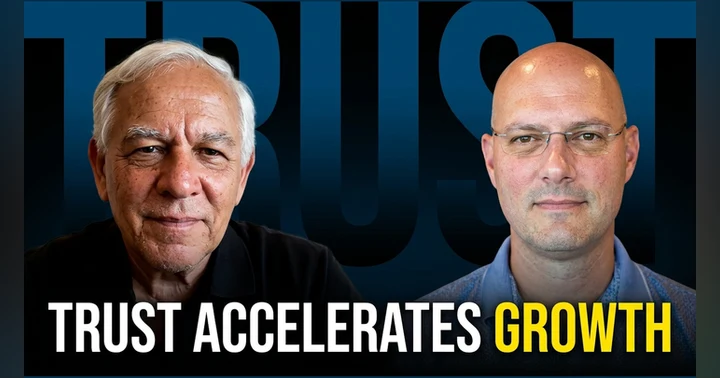
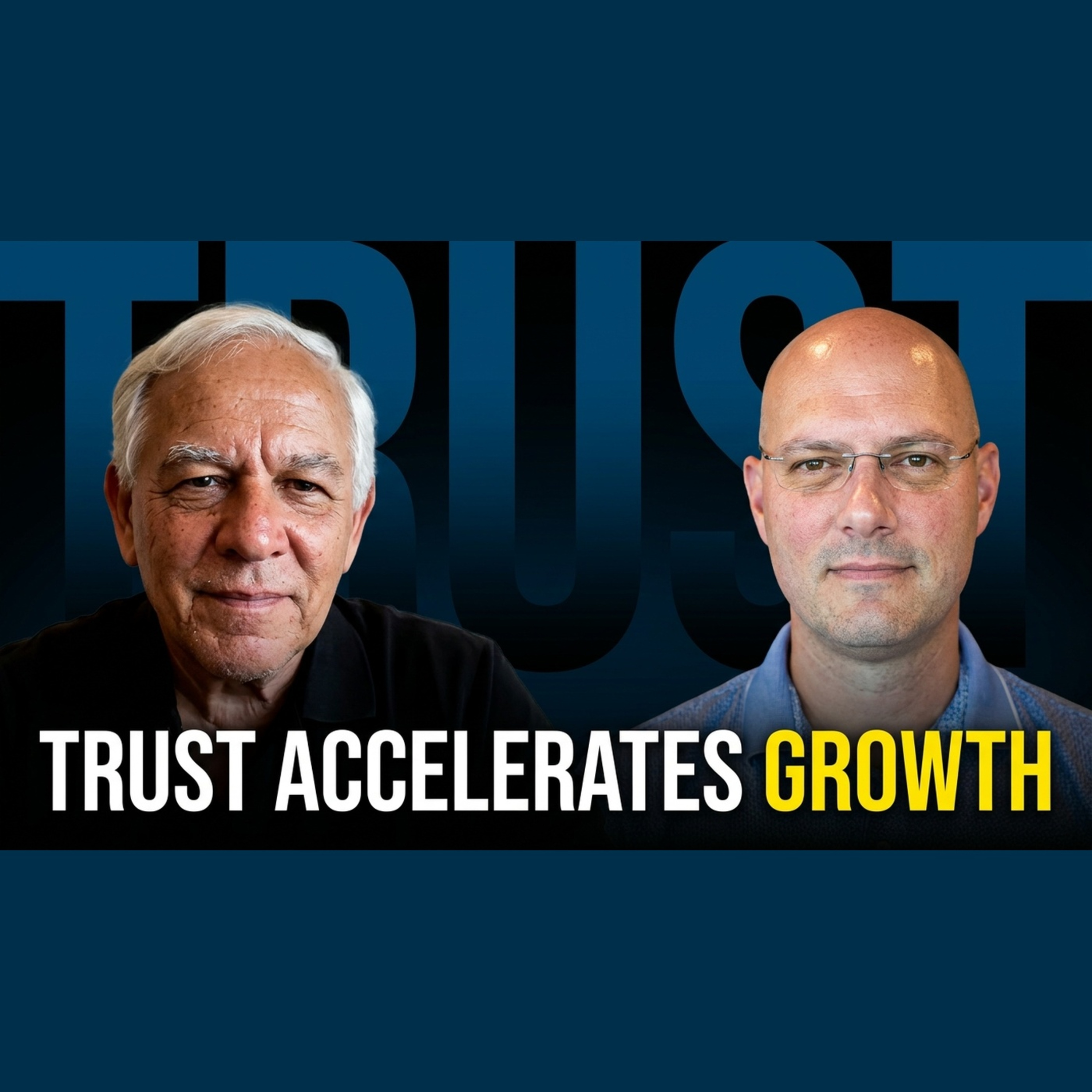
John Bailey (31:22): I often have said, I'm in the trust acceleration business.
Unknown Speaker (31:27): I love it.
John Bailey (31:27): Because as soon as we can build that quickly, then success just happens on its own. I mean, the sense of we set up the train tracks and the train can run on its own and we don't have to micromanage any of it, and people just find the solutions and the success come.
Arthur (31:46): In an environment like that, I imagine it's pretty obvious when someone's sending out a manipulative question, first of all, and then if someone's proposing something that doesn't make sense, then the group will probably call it out and say, here's why that doesn't make sense without malice, right?
John Bailey (32:05): Yeah, yeah, because we, and we have all that groundwork, everybody signs off in an agreement type way, okay, here's the expectations. I'm expected to operate in a certain way in this program. And certainly confidentiality is required, but also so is vulnerability, being honest, on and on and on. When we get people that are starting to color outside the lines, if you will, usually people within the group call me Oh
Unknown Speaker (32:38): no, yeah.
John Bailey (32:39): And not in a critical way, just in a like, Hey, that doesn't work. Be you. If it ever got to the point where that was really inappropriate, we'd say, Sorry, you're done, you're out. But we haven't, in my initial group we did that, but we haven't had to do that yet with this current one.
Unknown Speaker (33:01): Yeah, so how many people is a
John Bailey (33:03): good size of a group? I have found, doing this as long as we've done it, we started with groups of five and there wasn't enough. We found that ideally, if we can get to about ten, eight to 12 is probably the most ideal, somewhere in that range. You get beyond, you get less than eight and if you have one or two people that aren't able to attend a particular discussion or conversation, the room feels super light.
Unknown Speaker (33:34): Yeah.
John Bailey (33:34): And then you get beyond 12 or 15 and it's like, I'm never going to be able to add my two bits. So it's intimate enough that you, we try to keep it small enough that it stays intimate and then large enough that we, you you get, you know, six, seven, eight other perspectives, that's really helpful. You get nine to 10 other perspectives. Wow, that's some great insight. We capture everything, we have our methods, we summarize all the notes, we serve back to these executives like, here's the summary of everything that you said that happened during each conversation, here's what's trending.
John Bailey (34:16): Like we really try to give them a white glove of taking care of them and really helping them understand the value of what they're getting as well.
Arthur (34:25): So what do you think, John? Two things. If, first of all, if somebody wanted to be part of the group, tell us a little bit about that process. And then secondly, there's a whole bunch of family offices that would be interested, I shouldn't say that, are likely to be interested to see how this would work for their portfolio companies. So first, how do you, is it a introduction by somebody saying, you know, we know what you're doing, John, we're either part of a group or we appreciate what you're doing and here's somebody we'd like to introduce to you.
Unknown Speaker (34:59): Is it that simple?
John Bailey (35:00): Absolutely. I mean, for us, step is either getting introduced or they go onto the website and they say, Hey, reach out to me and let's talk. We're not there to sell them or pitch anything, right? We're there to answer questions, help them understand what we do, how it works. Really, they you know, if they wanna come check it out, they can kinda be a fly on the wall and some of our existing groups, they can kinda peer over and see what what's going on and how we do some of our stuff from a virtual perspective.
John Bailey (35:30): But really, I want to just learn about them from a portfolio standpoint for a family office or private equity. We want to understand what are they up against? How can we serve them, even if they don't want to be a part of the group? They don't want me to facilitate anything for them. I usually can still find a handful of connections and make introductions to serve anybody that gets introduced to me for free, right?
John Bailey (35:58): Like that's just who I am. I always leave every conversation with, let me introduce you to one or two people that you should know. And usually people are like, well, that was worth my time. Wow, I think I trust John. That's the whole reason I do it.
Unknown Speaker (36:12): Yeah, yeah, no, you got it, yeah.
John Bailey (36:13): But we would have a conversation. If they have just one or two CEOs that want to jump in, we would absolutely love that as well. They can come and participate in some of our virtual stuff, or maybe come on a one time event to come check it out and see if we're a fit. And maybe they would be, maybe there's just one or two organizations that, or CEOs that they want to send our way as opposed to the whole portfolio. But I think in whatever the experience is after twelve months of going through this process, inevitably we always see, people are like, how do I know within one or two months that I'm going to get an ROI?
John Bailey (36:54): And I say, I can't guarantee in one or two months that you're going to see major changes and whatever.
Unknown Speaker (37:01): I don't know how you could.
John Bailey (37:03): Yeah, I don't. Yeah, it's just impossible. But the one thing that we do see is after people have been plugged in for about a year, usually before that, but at least by then, their mindset starts to shift in, I found a better way to do business, and it's a more of a collaborative approach where I'm able to get feedback and get confidence and make decisions, and I don't feel lonely and I don't feel isolated, and I'm surrounding myself with peers that I trust and value, and all of a sudden I am acting in a better way and I'm doing better things and better habits and, you know, cause all of that gets tracked and recorded and accountable to and all that, right? So I guess my hope would be, yeah, let's just come have conversation. Let me understand the needs.
John Bailey (37:50): I want to make sure that they understand the details. There's a lot of things we haven't talked about yet, but would love for everybody to at least just kind of be a fly on the wall or peek under the covers and say, okay, I can see how this would help us. I think that dashboard really gives the family office some real insight that they currently don't have, which would make a huge difference in how they manage and how, you know, put oil where the squeaks are, if
Arthur (38:17): you will. Yeah, and I could totally see, you know, even if they had 15 operating companies, just take three of the ones they think, to not only test you out, but, you know, there might be a whole group of those people that are operating those companies that you don't want to have in the group, right?
John Bailey (38:35): Yeah, yeah, because that is one of the differences. When we have a portfolio, we'll still want to make sure that the family office aligns with our values, that there's fit there, that they want to be known for more than just writing the check. They care about their legacy, they care about being helpful and really making a difference in the companies that they hold. So at the end of the day, we'll make sure that from a portfolio perspective that there's alignment. But oftentimes we will, yeah, if there's a big selection, then we'll cherry pick and we want to have introductions and get to know those people that we think would be the best fit for the participating in the program.
Unknown Speaker (39:20): I could see that, yeah.
John Bailey (39:21): If there's only eight, we'll say, well, we'll assume that they're all great, but we'll still run the program and we'll help those CEOs level up and really come to an idea. Some of those individuals may have massive egos and may be somebody that we would otherwise not normally invite into the Fluent Circle community, but because they're in the portfolio circle, we just take them and we work with them and we still help them. But sometimes they'll call themselves, right? They'll say, I'm not a fit or whatever. Yeah.
John Bailey (39:58): That's kind of some of the differences.
Arthur (39:59): So we talked a little bit about this, but I think it's important cause I can see how the audience or anybody could paint you with the brush of a consultant in that particular construct for family offices. Just articulate again the difference.
John Bailey (40:15): I love this question, and I love that you asked me that, because I think for me, I'm absolutely not a consultant. I don't know the answers. My job isn't to consult. Consultants come and they do their thing, and then they leave. And either the change sticks or it doesn't.
John Bailey (40:36): What we've found is that we'll come in and we'll build a safe place for CEOs in the portfolio to collaborate with one another. And the result is they all have either been there, done that, or know someone who has, they're connected, they know how to source and introduce others, right? And so what ends up happening is in the process of going through the hot seats, people learn an immense amount of whether they're on the hot seat or they learn from one another. And it's in that process that there's that education stretches and helps people become more. When the leaders become more, the company always follows the trajectory of the leader.
John Bailey (41:21): So as the leader increases their capacity and their leadership capabilities, they're able to do more with who they are. The consultant could never have done that, but they learn from, here's an example. This happens all the time with all these different groups, with the different individuals that are on the hot seat, but somebody might have an issue and usually what they throw out there isn't always necessarily the real issue, but it's what they think they got to do. But as everybody that's up here asks lots of good questions, I said earlier, it's kind of like the onion. We just keep peeling back more of the layers until we get into the core.
John Bailey (42:03): And the closer you can get to the core issue, and then add lots of additional perspective around that, the person that has that core issue can typically, with the help of good questions, uncover what it is. When they realize what they're actually dealing with and what a solution might be, they then take ownership of that, and it's in that process that they go implement it because now they own it. When they own it, they know what they need to do. It's not like somebody else is telling them, You need to go do this because this is the answer. But because they've never internalized it and they still don't see it and they don't know how it fits, they implement it wrong or they miss it, as opposed to fully owning it and the change just happens internally.
Unknown Speaker (42:53): Just, I don't know how to, am I describing that totally Totally. Makes I
Arthur (42:59): think it's pretty straightforward and brilliant and magical at the same time, right? So you put people in a room who have smart people around them and someone has an issue, they may not really understand what is causing that issue, or they have some idea. And if you just peel back the onion, like you say, then all of a sudden something is revealed that just because a point of view might be wrong or different, right? And now all of a sudden it's like an moment and going, well, holy cow. And basically you've got somebody there on their own with the use of smart people in the room around them.
Arthur (43:39): Right?
John Bailey (43:40): Yeah, you're exactly. And I love, I will occasionally tell the story of about ten years ago, I was designing in a CAD program. You know, I was designing my dream house, right? And I was trying to connect two points with a straight line and I couldn't get them to connect and I didn't know why. And I was like, this dot is right over top and you drag the dot over to where you want it to go in it.
John Bailey (44:10): And then it will light up a different color when you're to a point where it can connect. And it wasn't doing that, and I was frustrated and I'm like, why isn't it doing that? And it wasn't until I changed the perspective, right, you had to rotate the image and all of a sudden the line was going off in a completely different direction, miles away from, from where I wanted it to be. And I, that was, that was an moment for me of the value of perspective and why it's so important to get multiple perspectives on a particular situation. I've never forgotten that.
John Bailey (44:47): It's a really analogy. Like Yeah. Anyway, hopefully that answers. We are certainly not consultants. I wouldn't even say that we're experts at running the businesses of those that come and participate.
John Bailey (45:03): What we are expert at is building up the room and accelerating trust and curating, keeping out those that don't fit, and keeping in the magic that comes from the collaboration and the amazing people that participate in what we do and build. These people become amazing friends, peers, they opened up doors for one another, they have the solutions, they've been there and done that, and for me, I'm just honored to know lots of amazing friends running very successful organizations who just happen to be great human beings.
Arthur (45:39): Yeah, and all those people as wildly successful as they might be in their business could, to a person, benefit from a different perspective.
John Bailey (45:47): Yeah, yeah. They don't know it initially. So often they'll join because they think they're going to get business development out of it.
Unknown Speaker (45:57): Right, yeah, right, yeah.
John Bailey (45:59): And then a year later, they'll tell me, John, I got way more business out of this than I ever thought I was going to. That's why I joined. What I now see the value is all of these relationships and who I've become, the person I always wanted to be. I never thought I could be this happy and have so many great people that I'm surrounded by. That may sound woo woo, but it really is the core of why we do what we do, because I'm a relationship guy at the end of the day, and I love people, and I love seeing them get the help that they need so that they can thrive and succeed and get back on their own.
Unknown Speaker (46:41): Yeah, I don't think it's woo woo at all. I think it's just evidence that what you're doing works.
John Bailey (46:45): Yeah, yeah. I'll have people that are skeptical that don't live a giving, you know, give serve abundant life that will be critical of us. And I'll hear it from people here and there, but I just usually say, they've never, yep, they don't know what they're talking about. They've not gone through the experience. They've not changed as a result of being Can't in do
Unknown Speaker (47:09): it for everybody.
John Bailey (47:09): That's right. And we don't want to, honestly. Yeah, right, exactly. We've really found that having the filter and really being selective is what really creates the magic. That's the beautiful part of what we do.
Arthur (47:24): Yeah. Well, I'm super grateful for our friendship and what we've experienced together so far. So thank you for that.
John Bailey (47:30): Yeah, absolutely. And I'm excited offline to find out what else I can
Unknown Speaker (47:35): do for you. Well, I'm going to do something for you. How about that?
Unknown Speaker (47:38): Love it. That's always fun when people other people reciprocate.
Arthur (47:43): Yeah. So Appreciate that. Well, John, this has been awesome. And thank you everybody for joining and welcoming John, and, please feel free to reach out to him directly. He's easy to find.
John Bailey (47:54): Yeah. And we'll have our fluentcircle.com website. There'll be a link on that, that they can go either check us out, contact us, learn more about the portfolio program that we're doing. Anyway, yeah, Fluence, like influence without the N, or affluence without the A F, you know? Just fluenccircle.com and love to hear from anybody that would like to just connect.
Unknown Speaker (48:23): They don't have to be interested. We're always open to that.
Arthur (48:25): I appreciate that. We'll make sure everybody knows how to get in contact with you directly post the publishing of this. So again, thank you everybody for paying attention to us from time to time. Really appreciate it. Thank you, John, for being here.
Unknown Speaker (48:39): My pleasure. Thank you. Okay.
Unknown Speaker (48:42): Bye bye, everybody.

Jon Bailey brings a seasoned perspective as an entrepreneur for the last 25 yrs. He’s facilitated various executive level networking groups for 15 years. He leverages his connections, his love of serving others, and his propensity to make things happen to facilitate meaningful actionable outcomes for those around him. Currently the owner of Fluence Circle, Jon has established himself as a respected advisor and connector who has the gift of accelerating the trust-building process between strangers, as well as speeding up the solutions that come in the form of other people.
He, with his wife and four children are privileged to live centrally located between a small town university and three world-famous vacation spots (they enjoy a spectacular view of the Grand Tetons). His family enjoys the outdoors, from hiking, to snowmobiling, to riding horses and kayaking. If there’s one sport they’re involved in as a family – whether winter, spring, summer, or fall – it’s basketball.