

 Apple Podcasts
 Spotify
 YouTube
 How Adversity Built a $70 Million Business | Garen Armstrong
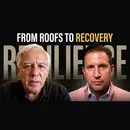
What happens when an entrepreneur loses his father, suffers heart failure, waits three years for a heart transplant, and still builds one of America's fastest-growing roofing companies? Garen Armstrong shares an extraordinary story of resilience, entrepreneurship, AI innovation, family offices, and purpose-driven leadership.
Key Takeaways
- Garen Armstrong scaled Shamrock Roofing into a $70 million national enterprise while surviving heart failure and waiting nearly three years for a heart transplant with a HeartMate 3 device.
- Personal adversity and severe health challenges can serve as a powerful catalyst for building resilience and sharpening an entrepreneur's leadership philosophy under extreme pressure.
- Trussi.ai was developed out of decades of operational experience to automate traditional roofing operations, improve business intelligence, and leverage proprietary industry data as a strategic asset.
- Operational excellence directly creates long-term enterprise value in traditional industries ripe for technological disruption through artificial intelligence and automation.
- Founder-led businesses often align exceptionally well with patient family office capital, offering unique opportunities for long-term growth and strategic value creation.
In this episode of Family Office Investing Podcast & Investor Insights | Arthur's Round Table, Arthur sits down with Garen Armstrong, entrepreneur, founder of Shamrock Roofing, creator of Trussi.ai, and founder of Mindspring Ventures, for one of the most inspiring entrepreneurial journeys ever featured on the podcast.
Garen's story begins with tragedy.
After building and selling a software company, he unexpectedly lost his father to cancer and inherited the family roofing business. As he worked to rebuild the company, another devastating challenge emerged. Following exposure to toxic debris at a hotel fire, a severe infection attacked his heart, sending him into heart failure within weeks. Doctors implanted one of the first HeartMate 3 devices, allowing him to live for nearly three years while waiting for a heart transplant.
Most people would have stepped away from business.
Garen did the opposite.
While living with a mechanical heart, he continued leading his company, growing Shamrock Roofing into one of the largest independent roofing companies in the United States. Along the way, he transformed decades of operational experience into Trussi.ai, an AI-powered enterprise platform designed to automate roofing operations, improve business intelligence, and create entirely new opportunities through proprietary industry data.
Arthur and Garen discuss:
• Surviving heart failure and receiving a life-saving transplant
• Building resilience through adversity
• Growing Shamrock Roofing into a national company
• Artificial intelligence in the construction industry
• Family offices and entrepreneurial investing
• Data as a strategic asset
• Private equity roll-ups
• Leadership under extreme pressure
• Technology innovation in traditional industries
• Purpose after surviving life-threatening illness
The conversation explores how adversity shaped Garen's leadership philosophy, why operational excellence creates enterprise value, how AI and automation are transforming the trades, and why patient family office capital may be uniquely positioned to invest in founder-led businesses.
Perhaps most moving is Garen's reflection on receiving a heart transplant and the profound responsibility he feels to honor the life of his donor by making every day count. That perspective has become the driving force behind both his businesses and his mission to help other entrepreneurs build meaningful lives.
Whether you're an entrepreneur, family office investor, founder, CEO, technology executive, or simply someone facing difficult circumstances, this episode offers a remarkable reminder that resilience, purpose, and leadership often emerge from life's greatest challenges.
What You'll Learn
• How adversity can become an entrepreneur's greatest advantage
• Lessons from surviving heart failure and a heart transplant
• Why resilience is a competitive business asset
• How AI is transforming traditional industries
• Why data is becoming more valuable than software alone
• How family offices evaluate founder-led businesses
• The future of roofing, automation, and robotics
• Why operational excellence creates enterprise value
• How technology is changing the construction industry
• Why purpose becomes clearer after overcoming adversity
About Garen Armstrong
Garen Armstrong is the founder and CEO of Shamrock Roofing, creator of Trussi.ai, and founder of Mindspring Ventures. After surviving heart failure and receiving a heart transplant, he transformed personal adversity into entrepreneurial momentum, growing one of America's leading independent roofing companies while developing AI-powered software and investing in founder-led businesses through his family office.
Want to learn more about Family Office Insights? Click Here.
Frequently Asked Questions
Who is Garen Armstrong?
Garen Armstrong is an entrepreneur, the founder and CEO of Shamrock Roofing, creator of Trussi.ai, and founder of Mindspring Ventures. He is widely recognized for scaling a multi-million dollar business while overcoming severe health challenges, including surviving heart failure and receiving a heart transplant.
What is Shamrock Roofing and how big is it?
Shamrock Roofing is one of the largest independent roofing companies in the United States, which Garen Armstrong grew into a $70 million business through strategic operational excellence and national expansion.
How is AI used in the roofing industry according to Garen Armstrong?
Through his platform Trussi.ai, artificial intelligence and automation are utilized to streamline traditional roofing operations, enhance business intelligence, and transform proprietary industry data into a strategic asset.
What can family office investors learn from Garen Armstrong's episode?
Family office investors can gain insights into evaluating resilient, founder-led businesses, understanding the potential of technology and AI in traditional trades, and the value of patient capital when backing driven entrepreneurs.
Arthur Andrew Bavelas (00:01.25)
Hello, everybody. Thank you for joining us today for another episode of Arthur's Round Table. Super grateful that you you're here and that people have been paying attention and you everybody's sharing it. And so we're super, super grateful for that. Big shout out to McGenna, who's introduced me to Garen, and you're gonna find his story really interesting, I'm sure. And a fascinating story about building a business alongside some some life trauma. So
not to be over dramatic, but you'll find out what I'm talking about in a minute. So again, again, I thank you for for setting this up. And Garen and I had a chance to have a little conversation a couple weeks ago or so about what's going on with his life and business. And so I've got some background and you're gonna I think enjoy hearing from him today. He's also been active in the family office community. And so some of you may have heard from him through some of the Family Office
conferences and Richard Wilson and Family Office Club and that sort of thing. And you also may have noticed that I interviewed Richard just a couple of weeks ago too, so that was fun. So Garen, thanks for doing this and welcome.
Garen Armstrong (01:16.272)
Well, thank you, Arthur, and thank you for having me. my name is Garen Armstrong and I excited to share my my journey with with you and and everybody and just kind of taking it back from the beginning, you know, I've been a serial entrepreneur and I had had a software company and sold it to the Department of Defense. And that sounds sexy and cool, but I really just beat out a bunt.
And during that time, well, I I grew up in the trades. My dad was in roofing, electrical, all of that jazz. My dad got sick with cancer and passed away. My business went to to zero. And my mom said, Well, Garen, what do you want to do with this business? Like, let's unwind it, dissolve it. And I said, No, mom, I'm gonna I'm gonna take it to the moon. And so that was in in twenty sixteen.
Arthur Andrew Bavelas (02:12.941)
How old were you then?
Garen Armstrong (02:15.192)
I was thirty eight. Thirty eight.
Arthur Andrew Bavelas (02:16.009)
About. Yeah. Gotcha. And you hadn't mean been meaningfully involved in the business up to that point. You had struck out on your own and built a software business as you mentioned, right? Yeah.
Garen Armstrong (02:27.652)
Yes. And so I'd I'd went so when I went into the the roofing space and and took it over, it was a it was kind of it was I'm mourning my dad, I'm rebuilding the business, I'm rebranding it, I'm kinda kinda pulling the Phoenix from the ashes type thing, for the first, you know, year and and then in twenty eighteen what then
We had success. We were we were growing. Then in twenty eighteen, I was working a hotel fire that burned down and I was breathing in this char and I got a sinus infection that went to my heart. And your body naturally wants to heal itself. So your my heart started expanding to the point where the elasticity wasn't there any longer and it couldn't expand anymore. And so I went into heart failure in forty five days. So I I was at after the after the exposure.
Arthur Andrew Bavelas (03:24.062)
After the exposure.
Garen Armstrong (03:27.334)
I had a sinus infection. I didn't know anything wrong. I I kind of thought maybe I had an ulcer. I'm like, I got an ulcer because I got this big contract. I gotta rebuild this hotel. you know, and yeah. And so I'm lit I'm getting off the roof and I'm getting down wobbly. I get lost on the way to the hospital, and then when I finally get into the hospital, it was immediately code blue and
Arthur Andrew Bavelas (03:37.655)
Right. Little little right. Yeah.
Garen Armstrong (03:56.711)
They pull me in there and it was just like the movies, you know, you're you're flashing your kids, your life, everything. And they're like, Garen, like this isn't good. The only way that we can that you're gonna be able to make it is if we try this new technology on you, bike which is called a Heartmate 3. They have to cut the apex of your heart off, sew this pump on, and live off batteries. And
And I said, Whatever it takes. I'm I I I've got three children. They're, you know, eight, ten, and twelve. And I've got to be here for them. And so I they did it. I was the first person to get the heartmate three and and yeah. The first person and what I didn't know was I didn't know I wasn't gonna have a heartbeat or a pulse. All I had was a blood flow. I mean it wouldn't have mattered anyway, but I was gonna do whatever it took.
Arthur Andrew Bavelas (04:38.093)
I didn't know that. I is that right. You were the first person, yeah.
Arthur Andrew Bavelas (04:51.265)
Yeah, right.
Garen Armstrong (04:53.53)
But but I had a blood flow to keep my organs alive while I was waiting for a heart transplant. And I'm O positive, so I can O's can only take O's, but O's can give to A's and B's. And so it took me three years to get the heart transplant. And and during that time, they told me, okay, you got these cords, you got these big old batteries, they're like this big. and
once those batteries go back go out, you got ten minutes before it's to put new new batteries in. And so it you got this, you know, anxiety like, my gosh, is this gonna go out or not? What's what you know, you always carry a backup bag with you. but they told carry the wear this bag and put your batteries in there. And I'm like, I I'm look like a goober. There's no way. So so I'm like, I get these football girdles, pants, and put the batteries in there and
Arthur Andrew Bavelas (05:26.849)
Put a new one in.
Garen Armstrong (05:52.733)
put jean so can put jeans on so I could act as if I was normal. Like I wasn't normal by any stretch of the means.
Arthur Andrew Bavelas (05:59.992)
But you were ambulatory, you were operating, you were did it seem like you were in in some sort of distress?
Garen Armstrong (06:04.529)
Yeah.
Garen Armstrong (06:09.156)
Yeah, no, I was well other than the fact of being I was very healthy, a hundred and ninety pounds strong, and then I went down from that surgery, it was really tough. A thorcotomy, and then that I went down to like a hundred and fifty pounds. So then I had to get my strength back up. so but then after that then I was I was, you know, I could I could work and w walk around. I was weak and and but I but I kept going.
'Cause at that time I all I had was the business. I didn't have a trust fund. I didn't have anything set up in place. I didn't have secession planning. All I had was grit and determination and to keep going. And that was actually when I found Richard Wilson in the family office, because I'm like, okay, well, I got this business, I've got these buildings, I've got this this other software. Well
You know, I actually actually and I was watching him, I'm like, wow, I do have a family office. It's cause it was all run and managed by my accounting department. You know, it's just small single family office, but all all all the elements were there. And so I've continued to work and and and build Shamrock, leading from the front with with the the heartmate in in and leading the team and kind of the built up the culture of the business from there.
Like if if Garen can do it, we can do it, you know, and 'cause I was leading by example. I was still getting on roofs, like all the things I shouldn't be doing because I had a cord hanging out of me that could have got wrapped around a ladder and all this. And and so I was still working. I anyway, through I was throwing shingles, working on a another roof, ended up ripping this thing out of my heart after it was already sewn in there. Had to go back into the hospital, they had to cut me back open, same surgeon.
Arthur Andrew Bavelas (07:49.665)
Yeah. Yeah.
Garen Armstrong (08:06.868)
so suck all the blood out of there, s sow this pump back in me. And during that time I got infected. And it got the infection got all bound around the wires, around the heart mate, around everything in my chest. And I ended up like on a pick line with this this, you know, stuff that I had to inject in me that just burned like fire in me until I ended up working like that until this
Arthur Andrew Bavelas (08:31.745)
Wow.
Garen Armstrong (08:35.318)
I got so infected that I couldn't work any longer and I was in ICU waiting on a heart transplant and not knowing if I was going to get the transplant or if I was going to die waiting on a transplant. And that was December eleventh, twenty twenty two twenty twenty, when I got the heart transplant. Well, when they when I when they came in and they said, Hey Garen, we've we we think we found a match.
And I'd spent through
Arthur Andrew Bavelas (09:04.309)
And you're a nice you're an ICU at this point.
Garen Armstrong (09:07.664)
I was nice to you at this point. And they came in and they said, Garen, I think we found a match. And I remember I writing that letter to the family of who the donor was like years prior to because it was just weighing on my mind, like I gotta accept this heart from somebody who passed away. And and I'm a been a big giver. I I give to, you know, veterans, donate life, American you know, heart American heart search, all this stuff.
Big giver, but I wasn't like it's receiving is ho di very difficult. And here I had to receive the biggest gift of life. And to receive that gift was very hard. And writing that letter to the family was was tough. And then s so cause I when they came in and told me, I immediately just started crying and praying for the family of the of the child they lost, knowing that I'm getting ready to go in.
To get prepped for surgery. You know, I'm just like just laying there, praying, meditating, and very heavy stuff. And I remember just getting in there and I like just praying and God's like, Garen, if if you don't make it through there, you're gonna be okay. If you make it through there, you're gonna be okay. And I remember and then and then, you know, they reeled me wheeled me back there and put me out. And I I remember waking up and I hear these
Arthur Andrew Bavelas (10:10.231)
Wow. Pretty heavy stuff.
Garen Armstrong (10:35.558)
drums in my ears. I'm like, I remember waking up like, wow. And then these drums, I'm like, this is my heartbeat. I I I hadn't heard a heartbeat in three years. Yeah. And so it was this glorious sound. And I was like, wow, this is amazing. And life was just so beautiful. Everything was
Arthur Andrew Bavelas (10:43.221)
You had an experience that for how long? Three years, wow.
Garen Armstrong (10:58.876)
The sky was bluer, the grass is greener, everything was just like it was amazing. And
Arthur Andrew Bavelas (11:04.183)
So Darren, can I ask you, and this is super personal, so don't have to answer. When you're going through something like that, one would hope that there's a support system around you. And you had three young kids, so they're not exactly adults enough to support you. They're just, you know, go god, you know, dads in trouble. it were there people around you that were
meaningfully meaningful that you were meaningfully enough meaningful enough to them that they were there for you or were you were you running solo on this? And like I said, you don't have to answer it if this person
Garen Armstrong (11:44.795)
Yeah, well yeah, no, it's it's a great question. my my mom was there, and and my nonstop. She was always there, right by my side. She still is to this day. you know, I take care of her after my dad passed. She she's there to, you know, take care of me. And she was helping with the kids, taking care of the kids, as well as as the business, because it never got moved over into my name because
as soon as my dad passed away, you know, she was battling that. And then this poor woman, you know, now she's battling, you know, me. So there was no point in putting anything in my name at that at that time. And so so I and then af and then there were people in the at Shamrock that were also there for me, that that that was there. One person in particular is Tom. Like
Arthur Andrew Bavelas (12:25.363)
Right. Yeah. That makes sense. Yeah.
Arthur Andrew Bavelas (12:39.819)
Nice. Yeah.
Garen Armstrong (12:44.91)
Everybody needs a Tom. He was there like ride or die. And yes, we had systems in place. You could talk about systems all day long, but you the it's that person, that loyalty that steps up and didn't ask us for anything in return and was was was there. And he's he's retired from Shamrock since. I still call him, I miss him, and but he he he he was he's an amazing guy and kind of helped
keep everything going while I was gone. And I was able to be there and so that I could heal because I was in the hospital. I got out of there in one week, which is very, very fast. But it was a December 11th, 2020. It was in the middle in the height of COVID. The ICU room, it was a mess. I I've been in and out of there for three years, like kind of even before COVID. So I knew the doctors, I knew their the nurses
I seen what all happened to them at during that time. They were so str stressed and distraught and everything that the worst. And so I was like, you know what? I'm I'm getting out of here for just for everybody. Like it I probably shouldn't have. I'm like, I got this thing hanging out of my neck, I'm chest is cracked up, I got this pillow to hug. But it's like me getting out of that hospital in a week, right? Gate was a shot in the arm for the doctors, for the for the nurses.
Arthur Andrew Bavelas (13:49.857)
Yeah.
Garen Armstrong (14:12.142)
And it was like they were just clapping like, you know, yes, yes.
Arthur Andrew Bavelas (14:15.735)
Go Gary. Yeah, go Gary. Can we talk about I don't know how this works. I often thought that if you got a heart you didn't really know where it came from, but you knew where it came from.
Garen Armstrong (14:29.776)
Well, I not yet. I wrote I I so you can write a letter to the parents. Yeah, and and then it goes through a Midwest transplant and then it they can pass the letter to the parents and then they can decide to reach out to you after a year 'cause that's the
Arthur Andrew Bavelas (14:34.367)
Anonymously, yeah. Yeah.
Arthur Andrew Bavelas (14:46.071)
Got it. That's their option. Yeah, that makes sense. Yeah.
Garen Armstrong (14:50.152)
And and I my donors never reached out to me or the family hasn't. And and and you want to because you want to show them like what you're doing with your life. Like I'm doing this, I'm I'm s I'm I'm the chair of the American Heart Association, I'm doing this with my kids, I'm doing this with the veterans, I'm doing this with the business, I'm feeding two thousand families, I'm all these things. I want them to be proud. Like you want to put the stethoscope up to hear your child's heart. You know, like there's it's
such a deep thing. And so, you know, I maybe I'll write another letter, but it it's but but then again, maybe that it's a it's for the best too. I I I don't I don't know the the big plan behind it all. And I just
Arthur Andrew Bavelas (15:31.339)
Yeah, exactly. I could see how there would be so traumatized by a loss. Do you know how old the child was?
Garen Armstrong (15:40.132)
Yeah, I think in the in the twenties, young twenties.
Arthur Andrew Bavelas (15:41.943)
Mid twenties, yeah. Yeah, it's pretty traumatizing. I imagine. I can only imagine, yeah. Yeah.
Garen Armstrong (15:45.754)
Yeah.
Garen Armstrong (15:49.071)
Yeah. So after that, then, you know, went went to focus on on Shamrock. Shamrock had s phenomenal success. And, you know, yes, I I I've done my part, but like for God what he did in me, God what he did in the business to show out and and because there's a lot of people that work hard.
Favor is not fair. And I came out and then we we grew from, you know, five to ten to twenty to seventy million dollars. Like so we're the top thirty-ninth roofing company in the in the country, competing against private equity act, competing against, you know, big companies in northeast, you know, roofing companies. and so to be the thirty-ninth, I'm probably the top fifteenth, twentieth independent roofing companies in the country at this point.
And and so during that time of of of running the operations and systems procedure and having my software background, that's when I created trusty.ai to run and operate not only just a ro a roofing company, it can operate any trades business, roofing, siding, gutters, HVAC, anything. and it all and it's more of an E an E ARP, so it can manage the entire
automation across the board. So I created that. So now Shamrock is on it. I saved $600,000 a year by getting off of Aculinx, the old CRM that I was on. And now I have 50 other roofing companies on trusty as well with the goal of having 100 by the end of the year. And so and with with with that is it's also a way to
Create deal flow for Shamrock to be able to now, because we've grown by green fielding and organic growth. We're in 10 states and 14 markets. And now the the goal is to then take it to grow it to 250, 500 million dollars. You know, so stack 10 other roofing companies my size together on the software that's can handle it.
Garen Armstrong (18:11.28)
Then you have roll-up reporting, real-time visibility, so you can see which market's performing best, which market is maybe not performing or underperforming. And so then it can take the the business intelligence or AI and say, okay, well, these are our best performing channel marketing channels. We're going to send them, you know, into this market where our higher, higher percentage return is, so that we can get this market up. So it's very all all balanced to continue to drive that.
Arthur Andrew Bavelas (18:38.53)
Yeah.
Garen Armstrong (18:41.08)
And so while that's going on, I built out formally Mindspring Ventures, which is the family office, and have k continued to invest in other families as I've continued to meet real quality people and families in the family office space. And
And and thank you for giving Richard Wilson a shout out and McGuinna, they're they're just phenomenal people and the people that I've meeting from them and through them, I I it it's you're you're in rooms that I can relate with because a lot of people don't have the scars that we get along the way, you know, from from from betrayal in business, from from everything that happens in business, you know.
Arthur Andrew Bavelas (19:09.143)
Yeah, work.
Arthur Andrew Bavelas (19:31.918)
Fraud, betrayal, difficulties, family. Yeah. It's it's really comforting to be able to talk to somebody who's been through what you're we talked about this on before, but it's it's a completely different thing to talk to somebody who's taken a few arrows in the back like you have, metaphorically, in a variety of ways. And
not just have a a synergy with them but gain knowledge on how they handled it, right? And hold it against how you what you're about to do or have done in the past. So it's kinda like I I always laughed at the business of and I I I'm gonna get chastised for this, but it's okay. like life coaching, you know, and the the life coaches
Garen Armstrong (20:26.81)
Yes. Yeah.
Arthur Andrew Bavelas (20:29.323)
that put themselves out there often have no life experience. Like, come on, you know. Yeah.
Garen Armstrong (20:35.15)
Right. Right. The the the the the fake gurus, right? I absolutely. I I I it baffles me. I in in multiple different sectors. I you see it in every sector. Every yeah.
Arthur Andrew Bavelas (20:46.734)
Yeah, right. Yeah. Have you done this? No. Well how are you gonna tell me to do it, right?
Garen Armstrong (20:51.896)
R right. So yeah, that that that that baffles me. And so, you know, when I when I go and I give my presentations to s speak to people or speak on stage at roofing events or speak on stage at family office events, they're you know, mindset's a general thing, but it's more about encouraging. It's cr it's a it's about my s sharing my story, it's about bringing people together and a sense of purpose and overcoming and empowering and and and kind of letting my light shine. because
w even though we're all different, we're still all here together and we need to embrace that and we only have so much time here and I feel like I'm in extra innings and I want to make a big impact in this world as as you know, much as as fast as I can because I I have this feeling like I'm running out of time. And I don't know if that's from like medical PTSD per se, you know, or s living on that machine. Yeah.
Arthur Andrew Bavelas (21:48.634)
It's probably pretty healthy, right? It's you know you know what I mean? I didn't mean that to as a a pun on your medical experience, but it's it's probably a pretty healthy perspective that you know we are limited and it's short and it could end any time, as you've demonstrated. and why not be the most impactful while you're here? And I
You you may not be willing to say this, but I'll say it for you. You know, in being inspiring is enriching to people. Like people will walk away from hearing your story and go, Wow, I better get my shit together and be more meaningful about w you know, what I what I intend to do in the next two days, two hours, two days, two weeks, two months, two years, right? Like within ten, right?
Garen Armstrong (22:42.66)
Yeah. Because it with intention because it happened so fast. I sure wasn't ready for what happened at all. I was forty years old. I was thirty eight when when I took it over. I was forty when the when my heart went bad and you know, I thought I had time. I thought everything, you know, and it could be as easy as just having some simple outlines of everything and or put in a drop box so that everything's at least in one spot.
Arthur Andrew Bavelas (22:45.761)
Yeah. Yeah.
Arthur Andrew Bavelas (23:03.084)
Yeah.
Arthur Andrew Bavelas (23:10.391)
Yeah. Yeah.
Garen Armstrong (23:12.737)
And yeah.
Arthur Andrew Bavelas (23:14.017)
So tell us about Mindspring. What what's your intention with that?
Garen Armstrong (23:17.542)
So Mind Spring is ventures is is the family office ideas thinking forward and that is holds that's the operating the family office that holds sham Shamrock. So Shamrock can roll up to a quarter billion or a half billion and liquidate you know, exit, hang on to a little bit, whatever, and it funds Mindspring, but then to reinvest into other technologies.
other family office. I mean, I'm I'm I've been introduced into so many different options you know opportunities to invest in at this point that are just amazing. That that I'm like, wow, I can't wait till I have my liquidity event so I can, you know, invest in that. And in the meantime, I'm investing a little bit in that so that I've got, you know, my toes in the water.
Arthur Andrew Bavelas (24:14.986)
Right, right, yeah.
Garen Armstrong (24:15.964)
in in the meantime, still invested in in Shamrock and staying laser focused in that so I don't get too distracted. And then it it dovetails well with the software because the software is what operates it. And then by having currently fifty other roofing companies on it, it helped it's gonna buy us for us and you get comments and feedback on how it could be better, all these different things and
It's we're we're even getting we're getting other private equity backed platforms using the software as well. So it's built out very powerful and that's where the focus is at. and it's even more than that because it's not just running a r the a a company, it's the data that it has. So that now you have a data as a service play.
where you have in all this information on all of these homes that have been restored after storms or or weather events, and that you're able to then have that data to be able to share that to insurance companies for their actuaries so that they can know what's what's new, what's not, so they can price that in on their in their models when issuing insurance. So it's kind of like a instead of a car fax, it's like a house fax.
Arthur Andrew Bavelas (25:42.453)
Yeah. Super cool. Not only that, if you have all these customers and getting more.
Garen Armstrong (25:44.678)
Yeah.
Arthur Andrew Bavelas (25:50.318)
How what better data to have than their real data to decide, okay, we need to roll this one in or buy it, right? What what a what and I'm sure they understand that that is a potential when using your software. So the the s the the the efficiencies that you experience even on the early versions of the software.
Or exponential, right? Six hundred thousand dollars a year is a lot of money. And so they're probably experiencing some version of that, right?
Garen Armstrong (26:26.958)
Absolutely. They're they're able to save it as well. I've we've gotten away from the the SAS traditional SaaS model. Like so we we don't charge a monthly seat. We get paid by the merchant processor. So if someone's paying twenty thousand dollars for a roof, we get paid by that. Or if they don't finance or if they finance it, we lend on it, we get paid by that. And by the material providers, like or you know, whether it's
the siding or roofing or you know the the components or so the the suppliers paying us. For example, ABC, QXO, SRS, the the main suppliers that are providing the material, they're they're paying us. So we we don't need we don't need to charge the the end user that money because it's it's already built out. It's
Arthur Andrew Bavelas (27:04.493)
Yeah.
Garen Armstrong (27:22.632)
you know, it it's like if you go to Service Titan, for example, they they may they're they're a CRM, they specialize in the HVAC, they're a publicly traded company, so you can see their financials. You pull their financials and only 25% of their revenue comes from what they're charging as a per seat per users. And people are it the reason we're not doing it is cause I got tired of being charged that where they're you know it's $150 per seat
Arthur Andrew Bavelas (27:40.609)
Yeah, yeah.
Garen Armstrong (27:50.767)
And then $2,000 for your QuickBook connection, $2,000 for your messaging connection, $2,000 for your, you know, your your mobile app. And it's like you you you they they've nickeled and dimed us to death because they had us held hostage. And so that's one thing we're also doing is we're migrating their data for free. We're just so and and and it's like I was scared. I was scared when I went to do it. And I created the system. I was like, we're about to, we're about to move.
eight years of data. yeah. And and we we did it and everything moved over like it was supposed to. And it was like, I love it when a plan comes together. But it but it it worked and that was five months ago. So we've only five months it's been going and we've got fifty users on it and we've been using it and it's great. Works great.
Arthur Andrew Bavelas (28:20.6)
Yeah, right. You you are connected to the system and you're ready to flip the red switch, right?
Arthur Andrew Bavelas (28:36.567)
Yeah, totally.
Arthur Andrew Bavelas (28:50.326)
And it the compelling reason the sales pitch to get somebody to come over is no seat charges at works and we're and you you you you're not gonna pay any more for the supplies, you're we're just gonna get paid from the supplier. Yeah.
Garen Armstrong (29:07.92)
We get paid from the supplier. And we migrate their data for free. And the data is yours. They started saying that they didn't even own their own data anymore. And that really rubbed a lot of people the wrong way. And so i and it got it was built for desktop first. It wasn't mobile first. It was just big, clunky, and people got outgrew it, right? And so
Arthur Andrew Bavelas (29:17.398)
Yeah.
Garen Armstrong (29:34.23)
But what's crazy is they got two point an offer for two point two billion dollars to buy it. The deal fell through by the FTC because Vera Risk is owned by the insurance thirty insurance companies. It's a publicly traded company. They were trying to buy it for that insurance data that I have that I was just telling you about.
Arthur Andrew Bavelas (29:49.592)
Buy one. I'm sorry. By by the software?
Garen Armstrong (29:53.531)
Yeah, they were trying to buy the that software, yeah. And so it's it's it may seem like a little bitty niche, but it's pretty big when it comes to information wise and the data play for that.
Arthur Andrew Bavelas (29:56.643)
Wow.
Arthur Andrew Bavelas (30:11.8)
So why did that fall through? Because of conflict of interest?
Garen Armstrong (30:14.118)
The FTC said that that they would be have too much information on insurance or it wasn't theirs to sell. And so, you know, I'm sitting here playing with Claude, like, hey, you know, should I have trustee buy sh the Shamrock platform to 500 million? And and it's like, yeah, because if you do that, then you get around the FTC, you could then sell it to this, this, and this, because you own the data, da-da-da.
Arthur Andrew Bavelas (30:24.854)
Mm.
Garen Armstrong (30:43.676)
And so there's a lot of strategy there that I'm just playing with. And I'm in a fortunate situation to where I've self funded this, I've self funded trusty, got the patent on trusty issued. and but it so I'm at a point where like a lot of these VC firms that invested in other softwares are reaching out to me saying, Hey, Garen, are you are you interested in in
You know money, we w I'm like, no, not right now. I'm just busy onboarding clients. And it they they're kinda left baffled, like, hmm. And so I I I'll give them updates every once in a while, press releases just so they can see what's going on to keep that relationship warm. But I at this point really just I don't don't need it. And if anything and then then in regards to r the roofing roll up, that's
white hot with so many PE firms just like vultures around yeah, looking for the trades. And with that, I've just been slow. I've been I've seen a lot of good things happen and I've seen a lot of things that fell apart because they didn't structure the deal right. They took care of the guy. They didn't take care of the middle management. And the middle management left and the company, you know, they're sitting on it in an empty bag, essentially.
Arthur Andrew Bavelas (31:45.472)
Looking for the trades, maybe, yeah.
Garen Armstrong (32:12.464)
And so I'm looking for patient capital family office, you know, or f or multifamily offices to come because I we ha I have people that we can roll up to get to that f five hundred million mark. And I have the software to do it so that we have it makes the underwriting a lot easier. You can see what their numbers are, everything's right there and real.
Arthur Andrew Bavelas (32:38.52)
Seem seems like I mean it's not a prerequisite, but unless they're on the system they may not be a candidate, right?
Garen Armstrong (32:45.464)
You're absolutely right. They're I mean, they'd have to be on the system. If they're not on it, then it w it wouldn't work. 'Cause I
Arthur Andrew Bavelas (32:53.588)
You've I again you're not to say anything, but my guess is the revenue associated with the system far exceeds the overhead.
Garen Armstrong (33:04.48)
yes. Yes. Yes. Ca yeah, it's it's already it's already built. It's already built and and it's so we're not even paying for tokens on it because it's already built. It was built it wasn't vibe coded. It was built before that. It's sitting on AWS and yes, there's costs to it, but it's not built on an AI platform. It's built with AI built in it.
Arthur Andrew Bavelas (33:07.694)
'Cause you're just paying for tokens, right?
Arthur Andrew Bavelas (33:21.403)
Yeah.
Arthur Andrew Bavelas (33:30.774)
Yeah, like agents within it. Yeah. Very cool. Yeah, it's like a Trojan horse. I love it. It like like a good Trojan horse, not we're not not yeah, we're not gonna kill your family, Trojan horse. Yeah.
Garen Armstrong (33:32.88)
Yes.
Garen Armstrong (33:37.926)
Yeah.
Right. With right. We with deal flow it keeps you know, and so I created this a power partner program kind of well, so it's power part program where you know for fifty point one percent come on board, we'll handle all the operations, you get the software for free, you get my material discounts, you get my licensing insurance.
All of that. So, you know, and our marketing, any marketing that we go into and from a greenfield perspective, we have a six times six hundred percent chance of beating that market. And so before we even go to a market, we'll market it for three months and like marinate that market. And then we're recruiting in that market. So we're hiring from there. So it's by us for us in that market. So if we go to go to Nashville.
They're gonna you know be recruiting, we're gonna be marketing it, and then all of a sudden, then we're there. You know, five trucks, ten trucks, s you know, and we're we're popped up. So we've I've got green fielding down to to a science and it that that's great and it grows well, but to stack to get to that, you know, fifty million EBITDA mark.
Arthur Andrew Bavelas (34:45.71)
Yeah.
Garen Armstrong (35:08.208)
You know, that's where I would be bringing on like a four or five family offices to help with the the acquisition of other roofing companies that are solid, that are then on boarded on trustee so we can see, you know, how they're doing, how their market's doing and to help them. So
Arthur Andrew Bavelas (35:31.286)
What's the multiple? What's what's a good multiple?
Garen Armstrong (35:34.949)
So for so being ver so the roofing industry like knows like that PE's here, Pete buying everything, it's white hot, you know, it's cooled down a little bit. So you're maybe as a platform you're looking around seven to eight, maybe nine. but for a regular roofing company, you
Arthur Andrew Bavelas (35:36.514)
To for you to acquire.
Garen Armstrong (36:04.86)
Five, four and a half, five, but so they've come down, but the mindset of the of of the owners hasn't came down. Right. So but you ha that's why explaining to them, showing them the the margins, the the profitability that they're able to get by being on the platform, the money they save that they're not spending on.
Arthur Andrew Bavelas (36:06.242)
Yeah.
Arthur Andrew Bavelas (36:14.626)
Hasn't come down to reality, right? Yeah.
Garen Armstrong (36:31.012)
software that I was spending on software I mean six hundred thousand dollars, that goes straight to the bottom line. Now not everybody's as big as I am, so they're maybe they're only spending, you know, fifty thousand, but it's yeah. It goes straight to the bottom line. And
Arthur Andrew Bavelas (36:35.48)
Yeah.
Whatever, yeah, yeah.
Garen Armstrong (36:47.514)
So y if you and and the money they save from the economies of scale in buying in supplies by in bulk and and not having to worry about operations costs and and and all of that. So and explaining them the second bite of the apple, you know, keeping the leverage low, like so that there can be a a a successful exit to to you know at at five hundred million dollars.
Arthur Andrew Bavelas (37:14.668)
Are there are the statistics in the roofing business similar to electric electricians in HVAC where there is a high percentage that are aging out?
Garen Armstrong (37:28.954)
Yes. There's a high percentage that are aging out. And it's that's an issue within the in the in the tr in the trades for for sure. And that's why bringing as much technology in as possible. One thing that we're working on with with with Trussy is also we're bringing in drones so that these drones have thermal imagery in them so that we can see, you know, if you try fly in in at dark, you can see what the water will light up.
the in there so you can see where the water infiltration is. the other thing is is also seeing anomalies within, you know, and you have a sliding scale, they're gonna say with a 95% chance this roof has has hail damage or wind damage from from the drones. So we can use that imagery that is then embedded into trussy so that we can then use that imagery to communicate
with like l so in in in house sales team. Like so so you're not sending yeah, so you're on the Zoom, you're sharing, you're you're talking to the homeowner or the business owner, and you're like, here are the videos, here here's what this is. So you can point to and explain to them this is how we're gonna fix it. So then you're just sending your technicians out there. So ultimately you're having less people get on the roof, which means lower your insurance, which means less chance for
Arthur Andrew Bavelas (38:32.63)
Outbound type stuff, right?
Arthur Andrew Bavelas (38:57.067)
Injury, yeah.
Garen Armstrong (38:57.72)
injury and so that's one thing the other thing that we're doing is we're even having some goggles like glasses so the recording so that we can like train brain the brain like so have like train train the brain so when like opus or optibus like the the robotics start to come they're being trained already kind of how how to do some things.
I mean, we're not there yet, but planting that seed, playing with that is is is is something that we're working on because it'll get here before we know it and we wanna be cutting edge of that technology because everybody's got a roof over their head.
Arthur Andrew Bavelas (39:43.064)
Totally, yeah. What's the labor issue like?
Garen Armstrong (39:47.495)
So the labor issue is, you know, we've got a lot of crews, got crews and spades, it's great, but it's still prices are going up because it's getting harder. usually how pricing works with trades is in residential specifically, you may pay a base price for a six pitch, which is not that flat. I mean, which is kind of flat, and then it goes up, up, up, up and gets more more expensive as it gets more risky or
Arthur Andrew Bavelas (40:16.77)
Totally makes sense. I hadn't thought about it that way, but totally makes sense. Yeah. Is it a skill issue or a risk issue or both?
Garen Armstrong (40:20.069)
Yeah.
Garen Armstrong (40:25.548)
it's a risk it's both. It's it's it's it's all the above. And I mean as well as the the the person that's putting the roof on, right? As long as they're allowed to be able to be here and
Arthur Andrew Bavelas (40:32.515)
Yeah.
Garen Armstrong (40:53.948)
Put the roofs on finding skill set.
Arthur Andrew Bavelas (40:59.042)
Problem, right? Yeah.
Garen Armstrong (41:00.303)
Yeah.
Arthur Andrew Bavelas (41:04.106)
It's I I think a lot of trades are suffering from that.
Garen Armstrong (41:04.294)
So
Garen Armstrong (41:08.494)
It's a real issue. so that's one thing that I we're we're blessed on because we have crews in spades. so we have plenty in in all markets, but it's it's still something that we're working through constantly.
Arthur Andrew Bavelas (41:09.858)
Yeah.
Arthur Andrew Bavelas (41:28.706)
Yeah. Yeah, people are getting bounced out pretty regularly. Yeah. It's a challenge. Challenge a lot of businesses, of course. Yeah.
Garen Armstrong (41:33.051)
Yes.
Garen Armstrong (41:38.363)
Yeah. And so it's a fine line. So I have all the trailers, tools, all the things for everybody. But the way that the insurance has it set up and the way it is, it's you know, corp to corp, right? Because hey, if you got your insurance, you got your license, then great, here's a contract. The contract was provided by the insurance's attorneys. So it's clean so that
Everything's good between us, OSHA, DOL, all the governing bodies. so yes.
Arthur Andrew Bavelas (42:15.33)
Yeah.
So the regulatory issues we deal with. What's that add? Is that add like twenty percent onto the price? That's just a guess, but that would be my guess. Yeah. Yeah. Cause it's a dangerous job, right?
Garen Armstrong (42:26.254)
It yes, it does. It's it's expensive. Yeah. It's the seventh most dangerous job in the coun in the world. Yes. Yes. It's it's it's dangerous and you know, I I it would be a prime position for robotics, like
Arthur Andrew Bavelas (42:39.086)
Is that right? Yeah.
Arthur Andrew Bavelas (42:53.4)
Parts, yeah.
Garen Armstrong (42:54.156)
i i i if we could get there. And, you know, that's why I'm trying to train the brain with the glasses, you know, how they're doing it, everything, how they're cutting around the valley, how they're cutting around the chimney, how they're cutting around because it's a it's a lot of art too. It's y yes. And so
Arthur Andrew Bavelas (43:10.652)
yeah. It's very skilled. Yeah. Yeah, you just can't have somebody up there hacking away at it, right? Next thing you know you're calling coming back six times 'cause it's leaking. Yeah. The flashing, the whole thing, right? Yeah.
Garen Armstrong (43:17.616)
Right.
You're coming back. Yeah. At that point, you just yeah, at that point just tear it off or redo it again. So yeah. So I think the the robotics would be a good play on that. And I'm I'm working on that. That would definitely save a lot, but it it is a it is a it's a trade, but it's it's an art. I mean, I don't know how you wouldn't just trade upload a manual in it, you know, and let it go, but
Arthur Andrew Bavelas (43:27.074)
Yeah. Yeah, right, exactly.
Garen Armstrong (43:50.391)
I I'm we're work we're working our best to come up with ideas. I think right now, even if we could figure out a way to get the tear off, get the material off the roof, that cause that's the harder the hardest part for the cruise is getting the material off the roof. And then 'cause in installing it, it's more they're you know, they're they're they're harnessed up, they're on their knees, they're six nails per shingle, and it it's good. But when you're up there on the roof, you're literally pi ripping it off with the pitchfork.
And and ripping it off while you're standing up there and sometimes it goes out from underneath ya and you're going down. Till till your harness rips you up. Yeah.
Arthur Andrew Bavelas (44:26.744)
Yeah. Yeah, yeah, right.
Yeah. Rough stuff, man.
Garen Armstrong (44:34.716)
Yeah.
Arthur Andrew Bavelas (44:36.684)
Yeah, the the the guy that started Uber just announced that he's building robots for mining, 'cause that's dangerous too, right? Yeah, so it's it's it's coming. There's no no question about it. Yeah.
Garen Armstrong (44:48.197)
Yeah.
Garen Armstrong (44:51.93)
Yeah. And so this would be a prime a prime sp spot and I'm we're working on it, training the brain, so that when if there is a robotic that we can put on it and just kind of start playing with it, that would be a a good I mean, you're you're bleeding cutting edge at that point, which is s you know, s problem with being bleeding cutting edge sometimes is it's hard to get
Arthur Andrew Bavelas (45:15.598)
Early adopters suffer from y you can't do that. Yes we can. Right. Exactly. Yeah. It's probably gonna Yeah, well we talked about you and I talked about the data too. The data's so valuable.
Garen Armstrong (45:21.444)
Yeah, yes. So
Garen Armstrong (45:30.522)
The data is more valuable than gold to be able to provide that back to the insurance carriers, back to the manufacturers, you know, and and we even have a homeowner portal, right? So that the homeowner, a lot of times, they don't say they bought the house from somebody. They don't know. Well, this could then be transferred over so they know who did the roof, they know who did the siding, they know who did the garage doors, who did HVAC, so then they have this whole this
Arthur Andrew Bavelas (45:33.038)
Yeah.
Garen Armstrong (46:00.377)
everything right here together so then when they pass it off. Yeah. And so just and a and it keeps it a sticky client. You you you have a sticky client so that you're able to keep going there again.
Arthur Andrew Bavelas (46:02.387)
Yeah. Yeah.
Arthur Andrew Bavelas (46:13.054)
naturally they'll just call the person that did it. I mean anecdotally that's what happened to us. Like the people who built this house, the the fan went out on one of the heat air conditioning, you know, compressors, right? And so I had to ask the neighbor who he uses and he and that's how I discovered he uses the guy that installed it, right? Which is perfect, right? Yeah.
Garen Armstrong (46:15.866)
Right.
Garen Armstrong (46:39.45)
Yeah. Right. So yeah. And i i it it happens like except the garage the water heater guy, sometimes you got the water heater, you know, sticker on there and so that's I'm like, well let's make it digital. Like let's have it all together. That way there's a portal and they can that way if they have a question they can hey. The other thing about trusty also is it takes the weather data so if there's a storm that goes over New York and it hits
Arthur Andrew Bavelas (46:51.234)
Yeah.
Garen Armstrong (47:09.818)
you know, say a hundred thousand properties, it'll let us know, hey, you have a hundred thousand clients that got that got damaged. We literally hit the button, it'll pop up the the map, show the pinpoint of the the the all the people that were damaged, pull up the list beside it, and literally our call our sales floor, customer care, call center, whatever you want to call it, will sit there and start calling the homeowners. Hey, just
call and let you know you've been impacted by the storm, you know, fur you know, and then would you like us to come out there and inspect it? How bad was it? Do you have any leaks? You know, these types of things. So then we're already out there.
Arthur Andrew Bavelas (47:51.426)
That's amazing. Is that satellite technology? Yeah.
Garen Armstrong (47:53.073)
So that's part of the patent. it's pulling NOAA data. yeah. And so it's you it's it's then it has that. So you get the storm data, the hail data, the wind data, all of it. And then you overlay that data with coal information data so you know exactly if they're not your clients, even you got
Arthur Andrew Bavelas (47:58.22)
Your data, yeah.
Garen Armstrong (48:21.912)
who they who they are, their information, to contact them, to let them know, hey, you've been impacted.
Arthur Andrew Bavelas (48:29.976)
Super cool.
Garen Armstrong (48:31.044)
Yeah. And then you get boots on then you get boots on the ground to go and inspect it to actually verify if that was damaged. Was it soft hail? Did it just hit and splatter or was it hard hail and it went through and it made a hole through all the way through the sheathing?
Arthur Andrew Bavelas (48:32.642)
So what Go ahead.
Arthur Andrew Bavelas (48:46.53)
Yeah. Amazing. What's what types of things interest you presently for Mind Spring to put, you know, little drops of money into things going forward?
Garen Armstrong (48:59.792)
Love it. There's there's some really cool I like technology. I like the technology play around drones. One of is s spatial the spatial internet. Like it's it's like creating latitude longitude points in the air every foot, right? So that drones could then fly through RFID like instead of GPS.
Arthur Andrew Bavelas (49:26.114)
gracias.
Yeah.
Garen Armstrong (49:29.368)
so that first responders can can use them. It also helps identify like swarm attacks from drones. So it's a defense type play. That's that's one thing. that I like. I like I like innovation that can scale up big that can impact our society. You know, obviously there's some private credit.
Not I mean you there's you heard a lot of bad news about private credit right now, but I'm talking about more more smaller scale private credit for you know, family offices or or or s business owners, right? That are not on the scale of like the the the KKR private credit that are putting these three year redemptions on your money that you you people invested in. but I think that's a big thing because banks are kind of
Arthur Andrew Bavelas (50:17.838)
Right. Right.
Garen Armstrong (50:28.876)
going through something right now and so there's a big opportunity for
Arthur Andrew Bavelas (50:33.506)
Yeah, the regulators aren't letting the banks lend. It's basically that simple, right?
Garen Armstrong (50:37.242)
Right. Right. And and you we're a capitalist country founded on capitalism and it's what's enabled us to to to to grow and innovate and I I'm an I'm a serial entrepreneur and I and I want to be able to give back and help back these entrepreneurs. And so that's why I like that aspect of it. so those are some of the the
parameters and I'm looking at into in in with with with Mind Spring. there's been some very un technology within the oil and gas, like some some mixture you can put in to open up clogged wells, making them flow again. So that's you know, that's more that's a green play as well. But but still based upon oil and gas.
Arthur Andrew Bavelas (51:29.336)
We're gonna have oil and gas for as long as you and I and our children and their children and their children. I mean everything is based on petroleum. Let's just face it.
Garen Armstrong (51:36.187)
Yes. Yes. Yes. And and there's a a a the best practices out there are are clean, right? They so clean. So and we produce so much of it. So let's, you know, be thought leaders in that space. And so there's some really cool things that I that are out there that I that I that I like. So that and that's that's really
I wanna wanna be able to, you know, once you make your own money and you hang your shingle per se in the world, the last thing I wanna do is thank you. You know, the last thing you want to do is go give your money to somebody to go put it in treasuries, you know, or or put it in, you know, some fund, an S P fund that's weighted balanced by NVIDIA. I'm like, how's that even like it's laughable. But I wanna be able to invest it and control it.
Arthur Andrew Bavelas (52:13.312)
Literally that was a nice pun, Karen. Hanging jingles.
Arthur Andrew Bavelas (52:21.773)
Yeah, yeah.
Arthur Andrew Bavelas (52:28.78)
Yeah, right.
Yeah.
Garen Armstrong (52:34.936)
Myself, you know, so
Arthur Andrew Bavelas (52:35.948)
Yeah, yeah. Do you find that the for example, the people who are on trustee now, those size businesses and I know I don't know exactly what they are, but are they do they aside from buying a truck and a trailer and some equipment that you can probably get bank financing from, are they looking for growth capital?
Garen Armstrong (53:01.264)
They are. one is a success story. I mean, I I he he he he started at like three million dollars. He came over on trustee. He's like, my gosh. And then the he he's in the middle of Ohio and he can open up two other offices on the edge of these cities. And I've been there before, so I I get excited like, okay, this is what you do.
You open up this one, you open up this one, you move right here, you know, you have your and and just like literally laid out the game plan for because I've been through it, I've done it. You know, so I like helping yes.
Arthur Andrew Bavelas (53:38.506)
Exactly what we were talking about. That conversation with you is worth twenty years of experience. Like, that's so valuable, right? Yeah.
Garen Armstrong (53:46.747)
Yes. And so now he's going from, you know, whatever it was three, four to eight million to twenty million. Like his trajectory is just straight going like that. And with being on trusty and I coach him and that's it, you know. So that's just one of the people that I would, you know, like to get on the platform to continue to to grow. Cause there's more people like that that I can help.
Arthur Andrew Bavelas (54:13.93)
Z
Garen Armstrong (54:16.602)
get through their their sticking points.
Arthur Andrew Bavelas (54:19.372)
Yeah. Did is it did did he need money to grow?
Garen Armstrong (54:24.602)
He he I yes, he does need money to grow, need more trucks to grow, but the demand of business is there and and it's you know as when you start getting that big and you're waiting on funding to come through, whether it's insurance money, you y you you become a financier yourself because you're you we've unpaid paid the material supplier, paid the laborers.
Arthur Andrew Bavelas (54:43.68)
Right.
Garen Armstrong (54:54.684)
And so and so we're the last to get paid. So in s in essence, we're just a roofing financiers.
Arthur Andrew Bavelas (55:00.674)
Really interesting. How long is it? I imagine it depends on the insurance company and whether there's a debate. But does it take ninety days to get paid for insurance company or six months?
Garen Armstrong (55:13.026)
Ninety days most of the time. and then some it could take six months. More a few. And those are like if you have to do a lot of supplements or they're b they're fighting not to pay for whatever reason. and but I the insurance market is changing. Like I what the pendulum has swung so far to the opposite way, right? Like
Arthur Andrew Bavelas (55:15.554)
Yeah.
Arthur Andrew Bavelas (55:20.652)
Yeah.
Garen Armstrong (55:39.931)
State farms getting sued for Rico in in Oklahoma. They're getting sued in from the the fires in the Palisades, like because they're not paying. And yet they're still making all this money and they charged all these premiums. And that's just one of them. I mean, so so the other insurance companies are too. The Wall Street Journal came out with the article called The Flip of a Coin. The insurance companies are only paying out almost fifty percent, less than fifty percent. It used to be like sixty five percent.
Arthur Andrew Bavelas (55:48.728)
Right.
Garen Armstrong (56:08.976)
But they've cut back and then they've increased their premiums so so much. Or sorry, their they've increased their premiums, but they've cr d decreased their deductibles. So the i it's just as
cost them just the same to pay retail for the roof than it does to use insurance for the roof.
Arthur Andrew Bavelas (56:30.165)
that's really interesting. Yeah.
Garen Armstrong (56:32.164)
And so even though a lot of it's driven by whether they're still the insurance is not covering it or it it does, but they're not using the insurance because their deductibles are so high, then it comes down to the onus is on the homeowner to pay for this roof. And so then the question is is like, okay, what about the mortgage company? If I'm a mortgage company and you're requiring them to have insurance on their property,
protect that asset, I if I was I'd be like, okay, well, you can't have state farm or all state. You know, you you you're gonna have to have an insurance company that's that's that pays. Right.
Arthur Andrew Bavelas (57:09.998)
Right, right.
Arthur Andrew Bavelas (57:14.402)
Pace. Yeah. It's not gonna bite us on the thing. Yeah, because it's in their best interest not to have the place uninsurable, right? Or so degraded you can't live in it. That's really interesting. And so what percentage this is just me being curious. I just like I don't I don't know about it, right? what percentage of your business is
Garen Armstrong (57:22.651)
Right.
Arthur Andrew Bavelas (57:41.494)
It's twenty five years I need a roof as opposed to some weather event.
Garen Armstrong (57:47.485)
So most of it is is it's a it's a healthy mix. It's probably about seventy five to eighty percent weather event just because nobody wants to replace their roof, right? Like it's the last thing they want to do. They want to drive into their dr garage, shut the garage door, and not think about it. And and but
Arthur Andrew Bavelas (58:05.058)
Yeah.
Garen Armstrong (58:16.196)
until it leaks or whatever. So they notice it like it it probably needed to be replaced already, but they didn't even notice it until they had this wind event or weather event, you know, storm that came through and caused it, that then was the impetus to say, hey, we finally finally gotta call our roofer. Fine. We'll call ya. So and and and now with a change for the insurance
Arthur Andrew Bavelas (58:37.934)
Yeah. Yeah.
Garen Armstrong (58:46.458)
They used to just insure. They used to insure the property no without looking at it and say start paying and start charging premiums. Now at least they are looking at the property to make sure the roof is insurable. So, you know, and so which is a good thing because now when transactions are happening, a buyer sell happens, like you know, yes, we looked at it and before we can sell the property or buy the property.
We have to get the roof replaced to get insurance. So that's a good thing.
Arthur Andrew Bavelas (59:21.25)
Yeah, it's a good thing. That you it's not a surprise, right? Yeah, exactly. So what's what's I asked you before our I hit the record button how you feeling, 'cause everybody asks you how you're feeling.
Garen Armstrong (59:25.574)
Right.
Garen Armstrong (59:35.023)
Yeah, I feel amazing. I I I'm blessed, I'm fortunate. I I ruck five miles about four times a a we a week where I can just go get mental solace, put my my weight vest on and and I and I walk and I just stay and I and I and I walk. The the doctor said, 'cause I was real fit when I went in there, they got doctors said, We don't want you looking like Arnold Schwarzenegger, we want you looking like Patrick Swayze.
Arthur Andrew Bavelas (01:00:02.166)
Yeah.
Garen Armstrong (01:00:04.182)
And so I said, Okay. So they want me lean. They go, Yes, we want you lean because there's less blood flow. Blood flow go doesn't have to go through so much.
Arthur Andrew Bavelas (01:00:12.258)
Yeah, it makes a lot of sense. Yeah. Yeah. Listen, all you have to do is walk. I mean, if you're if you're going to n if you decide you don't want to do all the other stuff, walking does it, right? It's it's really a a good option. Yeah, we do it every day too. Yeah. Yeah, we go to the gym for hour and a half and then we walk, right?
Garen Armstrong (01:00:14.373)
Yeah.
Garen Armstrong (01:00:24.539)
Yes.
Yes. Yeah. It's just great to
Garen Armstrong (01:00:34.862)
It's it's it's everything so good for the mind, be out in the nature, be and just s take it all in. You're having a bad day, go walk. Anything. Go walk. So
Arthur Andrew Bavelas (01:00:43.842)
Yeah, yeah.
I'm not sure there's very many bad days for you. There certainly isn't for me, 'cause I have a pretty good mindset about that stuff, but you're probably having a lot of good days.
Garen Armstrong (01:00:56.728)
I'm I'm blessed. I am. I'm a lot of good days for sure. And th the doors that have been opening, the things that have been happening, it's just almost it's it's like a dream. It's a miracle. It's like, how am I getting in these rooms? And then it's just like it's not even it's like escape velocity. It's like it's just like pulling me up now and the people I'm getting to meet and it's just everybody's stories and
Arthur Andrew Bavelas (01:01:20.056)
Yeah. Nice.
Arthur Andrew Bavelas (01:01:24.248)
Yes.
Garen Armstrong (01:01:26.96)
their connections and everything else and and I just get to be me and share my story and and I just want to be a light for as long as I can to help shine brightness in any dark corners of the the world and help and and or raise money make money to be able to invest money to help enlighten people.
Arthur Andrew Bavelas (01:01:30.871)
Excellent.
Garen Armstrong (01:01:56.858)
Those dark corners of the the world.
Arthur Andrew Bavelas (01:01:59.886)
I think it's a noble pursuit, Karen. I'm really glad we had this our prior chat and this chat. I super appreciate you doing it with us. I know the audience will appreciate it. Thanks for being so forthright with Sherry.
Garen Armstrong (01:02:12.516)
Yes. Well thank you for having me. It's been great to be here and love and enjoy our conversations and and look forward to seeing you in New York and getting together.
Arthur Andrew Bavelas (01:02:22.508)
Yeah, come out to Park City. I'm in Park City right now.
Garen Armstrong (01:02:24.922)
Your par I October fifth or seventh. The fifth through seventh. Yeah, yeah, yeah. Perfect. Looking forward to it.
Arthur Andrew Bavelas (01:02:29.4)
Yeah, we'll we'll be here. Yeah, yeah. Do it. Another big shout out to McGenna, thank you. And thank you Garen for doing this and thank you all for joining us today. Till next time.
Garen Armstrong (01:02:44.295)
Thank you.

Executive Director
I'm Garen Armstrong — a father, friend, serial entrepreneur, and faithful servant to my community. I've started, grown, and exited multiple companies, and helped scale one of the fastest-growing roofing companies out of the Kansas City area as General Contractor with Shamrock Roofing & Construction. Everything I've built, I've built by investing in people — surrounding myself with talented, ambitious teams and helping each person chase their own purpose while we pursued a shared vision.
But the playbook I follow wasn't written in a boardroom. It was forged the hard way.
In 2018, a sinus infection spread to my heart. Within 45 days, my ejection fraction had dropped to 10%, and doctors implanted a HeartMate 3 LVAD to keep me alive. I was the first patient at the University of Kansas Hospital to receive it. I lived on batteries for three years, raising my three kids and leading my company, while waiting for a donor heart. There were complications, another infection, and in 2020 I landed in the ICU as COVID hit. Then the call finally came. After a successful transplant, I heard my own heartbeat again for the first time in three years.
Five years and multiple open-heart surgeries later, I'm still here, and I don't take a day of it for granted. I advocate for the American Heart Association, founded Roofs4Heroes to help struggling veterans and first responders, and stay active with Cars4Heroes and Friends of Service Heroes. I speak openly about mental health in my industry, because monetary success isn't the m… Read More

