Apple Podcasts
 Spotify
 YouTube
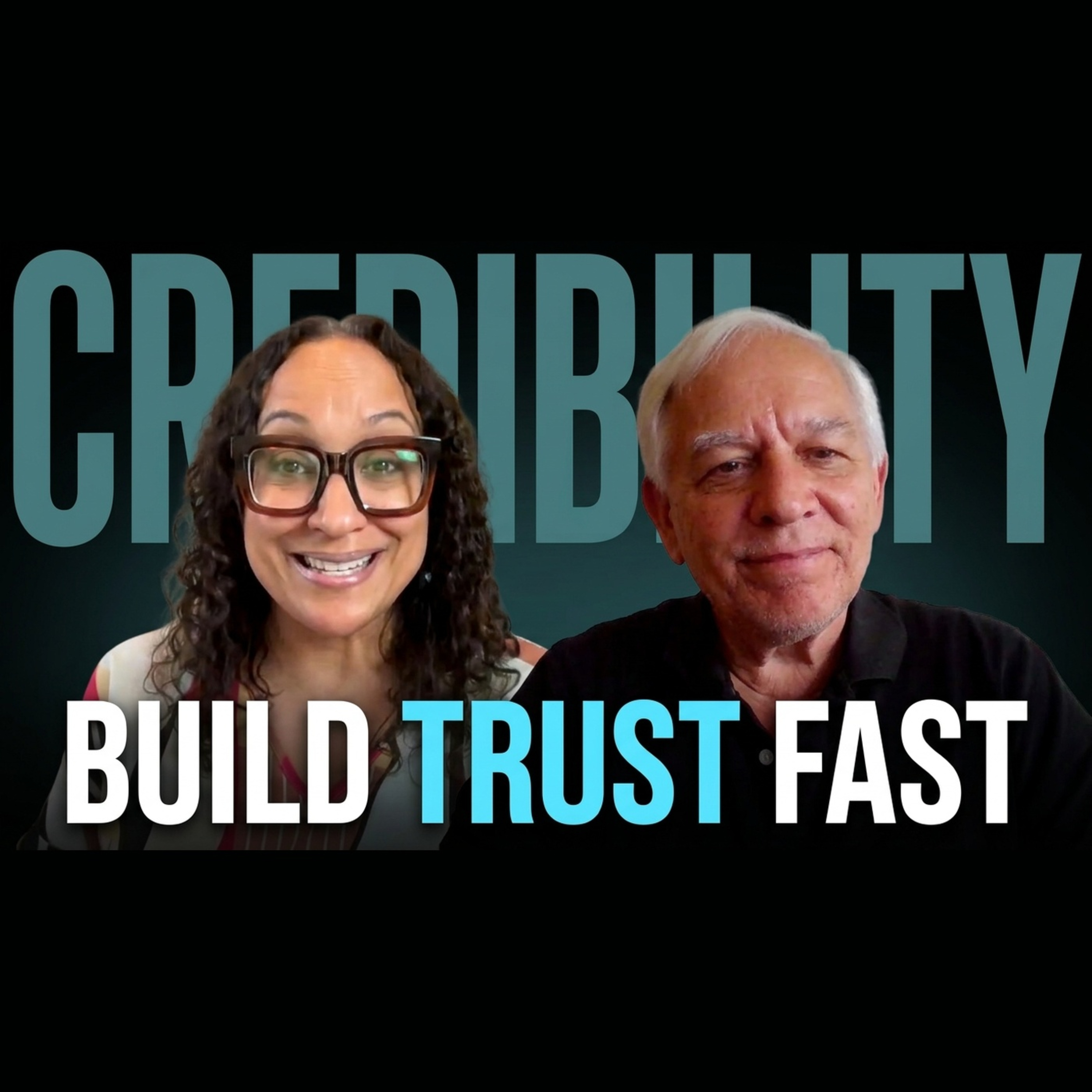
 Why Great Technology Isn't Enough Anymore | Shayna Davis
Key Takeaways
- Great technology alone is no longer sufficient for company success; founders and technical leaders must excel at communicating vision, building credibility, and influencing stakeholders.
- Investors increasingly scrutinize leadership qualities alongside technology, recognizing that executive presence directly impacts fundraising, customer acquisition, hiring, and retention.
- Developing a strong leadership identity and effective communication strategy are crucial for technical leaders to become trusted public-facing executives, especially as AI accelerates innovation.
- Storytelling often proves more effective than purely technical explanations in fundraising and enterprise sales, building trust and influencing decisions.
- Companies must proactively prepare technical leaders for various communication scenarios, including media interviews, investor meetings, and sales conversations, to navigate growth stages.
- Despite advancements in AI, the human element of leadership—authenticity, credibility, and impactful communication—is becoming even more valuable in business.
In this episode of Family Office Investing Podcast & Investor Insights | Arthur's Round Table, Arthur sits down with Shayna Davis, founder of Executive Signals Group, for a fascinating discussion about a blind spot that exists inside many of today's fastest-growing technology companies.
Great technology is no longer enough.
In an era where artificial intelligence is accelerating innovation and investors are evaluating more opportunities than ever before, Shayna argues that companies can no longer rely solely on superior technology or brilliant engineering teams. Success increasingly depends on whether founders and technical leaders can clearly communicate vision, build credibility, inspire confidence, and influence stakeholders outside the walls of their companies.
Shayna shares her remarkable personal journey—from experiencing profound personal loss to joining the founding team of a Silicon Valley fintech startup, where she discovered a critical gap between technical excellence and executive communication. That experience ultimately led her to build Executive Signals Group, helping founders, CTOs, engineers, and executive teams become trusted public-facing leaders.
Arthur and Shayna explore why investors increasingly evaluate leadership as carefully as technology, why storytelling often outperforms technical explanations, how executive presence influences fundraising, customer acquisition, hiring, and retention, and why companies must intentionally prepare technical leaders for media interviews, industry panels, enterprise sales conversations, and investor meetings.
The conversation also examines family offices, venture capital, Series B companies, founder bottlenecks, leadership identity, credibility, communication strategy, and why the human element of leadership may become even more valuable as AI transforms business.
Whether you're building a startup, investing in innovation, leading a technology company, or preparing for your next capital raise, this episode offers practical insights into one of the most overlooked drivers of long-term success.
What You'll Learn
• Why great technology alone no longer creates winning companies
• How technical leaders become trusted public-facing executives
• Why investors increasingly evaluate leadership as much as products
• The importance of storytelling in fundraising and enterprise sales
• How executive credibility influences customer trust
• Why leadership identity should come before media training
• How founders become bottlenecks during company growth
• Why Series B companies face a communication inflection point
• The relationship between executive presence and company valuation
• Why AI is increasing—not decreasing—the value of authentic human leadership
About Shayna Davis
Shayna Davis is the founder of Executive Signals Group, where she helps founders, CTOs, engineering leaders, and executive teams develop the leadership identity, communication skills, and executive presence needed to influence investors, enterprise customers, media, and industry audiences. Her work bridges the gap between technical expertise and market credibility.
Want to learn more about Family Office Insights? Click Here.
Frequently Asked Questions
Why isn't great technology enough for a company anymore?
In today's rapidly innovating market, driven by AI, companies can no longer rely solely on superior technology; founders and leaders must effectively communicate their vision and build credibility to stand out.
How do investors evaluate technology companies beyond their product?
Investors increasingly assess the leadership team's ability to communicate vision, build trust, and influence stakeholders, recognizing that strong executive presence is critical for success.
What is the role of storytelling in business communication?
Storytelling often outperforms technical explanations, particularly in fundraising and enterprise sales, by building emotional connections and influencing key decision-makers.
How does executive presence impact a company's valuation?
A strong executive presence enhances credibility, influences investor confidence, and positively affects customer acquisition, hiring, and retention, all of which can contribute to a higher company valuation.
Does AI diminish the need for human leadership communication strategy?
Conversely, AI's acceleration of innovation actually increases the value of authentic human leadership, emphasizing the need for clear communication, credibility, and genuine connection with stakeholders.
Arthur Andrew Bavelas (00:00.888)
Hello, welcome everybody to another episode of Arthur's Round Table. Super grateful for everybody listening in and sharing as you have. Super appreciate it. So thank you. Shayna, thank you for being with us today. Super grateful for you to join us. Fascinating business that you're in. I'm super curious because I virtually I mean, I understand the leadership issues and own businesses and all that kind of stuff, but I'm really interested in digging in a little bit and see how you execute on your business.
That's okay. You're welcome. Let's start at the beginning. Let's talk a little bit about your journey.
Shayna Davis (00:30.28)
Well, I'm excited to be here. Thank you.
Shayna Davis (00:36.296)
Yeah. So if you would have asked me at the time of this recording, it's summer of twenty twenty six, and if you would have asked me even four years ago if I would be involved in this world of
tech companies and VCs and family offices, I probably would have said, I know what a tech company is. I know what a VC firm is. I didn't even know what a family office was even four years ago in the context of of you know what I know now. And what ended up what ended up happening to me four years ago, almost to the date is that I lost my dad, my grandmother, and my boyfriend back to back within two months. Maybe three. And
Arthur Andrew Bavelas (01:14.926)
Holy cow. Holy cow. Wow. Yeah, building some resilience there, huh?
Shayna Davis (01:20.5)
Well, you know, you you see what you're made of when you start going through some some tough stuff. You know, cause we all go things through things and we're like, I've been through things and they've made me who I am. It's not until you're hit with like back to back to back that you really see, you know, what it is that you're made of. And at that point in time, I have been running my consulting firm for almost
Arthur Andrew Bavelas (01:25.133)
Only.
Arthur Andrew Bavelas (01:35.694)
Well.
Shayna Davis (01:44.923)
18 years. And I said, you know what? I'm gonna take a sabbatical because normal Shayna, I would have just pressed through, I would have just figured it out, put my head down and pushed through to the other side. And I thought, you know what? I think there's something about this situation, this triple whammy here that
That's probably not gonna be good for anybody if I do that. So I sold a house that I owned at the time so that 'cause I wasn't married. So I sold a house that I owned at the time so that I could actually take the time to grieve and rest.
Arthur Andrew Bavelas (02:14.443)
Yeah, financial sabbatical, right, yeah.
Shayna Davis (02:16.434)
Correct. And not starve to death and be like on food stamps and foreclosure. And so I said, I have no idea who the person is going to be on the other side of this. I don't know what I'm going to want. I don't know what I'm going to need. I don't know if I'll just go back into business for myself. I don't know if I'll get a job. I really don't know. And so I said, I've got enough money to last me through March of next year, which would have been March of 2023.
And I said, by January, I think I'll have my stuff together enough that I'll figure out what it is that I want to do with my life. And yeah, it sounded like a great plan. So in January, I start thinking, you know what? Like maybe I'll start like looking for a job. Now, granted, I had not been in the job market for decades. So I had no idea that like on LinkedIn people were
Arthur Andrew Bavelas (02:49.749)
Sound plan.
Shayna Davis (03:06.738)
You know, a job would get posted and within an hour a hundred people had, you know, applied for it or whatever. And I was like, well, this is different. But what I did do was I know, right? It's wild. So I thought to myself, I said, well, what I will do is is that I will just change the stuff on my LinkedIn profile that it kind of gives an idea.
Arthur Andrew Bavelas (03:14.045)
Is not not very promising though, right?
Shayna Davis (03:27.46)
of the types of things that I have done in the past. And I don't know what's gonna come of it. Maybe I'll get some contracts or I still had no idea really what I was gonna do with my life. And I was contacted by the lawyer
Of a Silicon Valley billionaire that was coming out of retirement. He actually has a house in your city. So I definitely know I can't say his name while we're recording. I'm probably still under NDA. But anyway, he was coming out of retirement to create a fintech company and he was looking for his founding team. And his his lawyer or somebody on his team.
found some skills that I had listed on my LinkedIn that was like, this person looks like they have the experience that I would want in someone that is helping me to build this company. So I go and I meet with this guy. I'm fast forwarding through a lot of the the back and forth, but I go and I meet with this guy and he's like, listen, these are the things that I've built in the past in fill in Silicon Valley. He's like,
old school tech, like friends with Steve Jobs, like his wife to this day. And he was like, I'm building this thing and I want to do things a little bit differently. And I was like, I have to be honest with you, I know nothing. I mean, I consider myself to be tech savvy in the things that it takes me to do in my day to day. But I know nothing about I know a lot about starting businesses and growing businesses. But I'm not going to sit here and say that I fully know everything about this tech world and you know all the things.
And he was like, well, that's precisely what we're looking for. I could easily go get somebody from Meta or, you know, these other companies, but I just expect them to kind of have these blinders on, right? And so long story short, after a three and a half hour interview, if you can even call it that, he basically was like, if there's just something about you, you know, the resilience, like everything that you've been through, there's something about you that my gut is telling me that I should hire you.
Shayna Davis (05:18.384)
And my gut has made me billions of dollars. Right. So what ended up happening, what got me to where I am now, is that this company was building a fintech for Wall Street institutions. And they were the founder one day, he came to the CTO and the head of engineering and he said, You're gonna have to start having conversations with our investors.
Arthur Andrew Bavelas (05:20.641)
You're right.
Shayna Davis (05:44.905)
potential investors and these Wall Street executives about how what we're building is going to revolutionize the industry and is going to be unlike anything that they've ever seen. Now, I don't say this to to highlight race just for the sake of race, but both of these gentlemen were much darker complexed than I am. And if you're listening to audio and not video, I'm black. I'm not super, super dark, but I'm a black woman. And both of these, huh?
Arthur Andrew Bavelas (06:10.911)
I'm about as dark as you, right? I'm about as dark as you, right?
Shayna Davis (06:15.624)
Both of these men, Arthur, turn the color of the wall behind you. Why is that? Because you take these tech guys that are brilliant at building things and they're brilliant at leading teams internally. There's oftentimes a competency gap when they have to start having conversations outside of the four walls of the company with people that are not.
Arthur Andrew Bavelas (06:19.262)
No kidding.
Shayna Davis (06:38.58)
As proficient in what it is that they're building. And so I was at that company for about two years. And when my employment there ended, and I decided to go back into business for myself, I said, I am going to go all in on technical leaders because I know that there is a big gap. Technology is booming. Obviously, this is like December of 2024 that that employment ended. So when I
got over my mini depression because that job had become so much of my identity. I just said, you know what? I'm going go all in on tech. And I can remember conversations that I'd had with tech leaders that showed me that there was a big gap when people who have brilliance internally don't necessarily know how to represent the customer with credibility on the outside. I started having conversations with all these VCs, all these these investors that were talking about what it is that they're looking for.
in companies nowadays and how they're measuring different things that is going to keep their money safe. I said, wow, there is an opportunity for me to really create a category for myself in this tech world and in this investing world because no one is talking about the thing the things that I see that are happening that is really going to be necessary. Because in my opinion, and this is a bold statement that I'm willing to back.
We are no longer in an era where strong tech and the right team is all it takes to be successful. I believe that that era is dead. And if people are listening to this and they think that that's all they have to have anymore is great technology and a great team behind it, then they're gonna be sadly mistaken. And so that's kind of how I got where I'm at.
Arthur Andrew Bavelas (08:15.597)
That's really interesting. It's what you just described, those two things are table stakes, period. Right. And you know, I'm gonna reference an old school sort of axiom where if you were talking to an engineer and you wanted him to go sell the customer, you would never put the engineer in front of the customer because he would just talk about how robust the system was.
Shayna Davis (08:22.974)
Correct. Correct.
Arthur Andrew Bavelas (08:42.879)
And not talk about the benefits and how it was going to help them. You mind if I asked you if that company became successful or not?
Shayna Davis (08:51.858)
Well, what I don't know, and I should, they were still in stealth mode when I left, and I have not seen anything publicly, but I don't know. I I own stock in the company, so you would think that I should be getting some kind of update. I probably could just reach out to them and ask, but I haven't. my gut tells me that there's no reason why this company is not wildly successful if they even if they haven't launched yet, they will be, because number one,
The person that is behind it has successfully done this time and time again. And unless they get
beat to market by somebody else because they took too long to get to market. They really were segmenting a slice of the market that there's no reason that they should not be wildly successful. And here's what's interesting, without saying too much, we started off thinking that we were building something for consumers. It wasn't until about a year and a half in that these Wall Street executives started seeing like, wow, this is going to make us
leap years ahead of our competitors. And then we pivoted to saying this is not just going to be something that is going to be helpful for s consumers. This is actually going to be a good B2B play in a much bigger space. And I think we were actually told at one time
by one of the big boys. I don't remember if it was BlackRock or one of their competitors that basically was like, if you can make us four times better and faster than the other guy, like we'll cut you a check bigger than you've ever seen. And I don't even know what that number is for somebody who's seen billions and billions of dollars over their career.
Arthur Andrew Bavelas (10:22.285)
Right. So in your role there, which catalyzed your identifying the gap, were you helping the tech guys communicate better or were you acting as the intermediary to communicate on their behalf?
Shayna Davis (10:40.038)
Interestingly enough, neither, because when I got hired, I was hired to be the senior product marketing manager because I have a lot of back background in marketing and communications. So I was hired for marketing. Quickly, they realized, yes, we were right. We brought in marketing too soon. And so I actually, the bulk of my time there was on the operation side. When I was there, they had not yet gotten to the point.
That the tech team's role was gonna start evolving into having these external levels of engagement. But it it was going to be coming very soon and probably happened very soon after I left. And so I was not actually involved.
In that level of development, in that level of preparation while I was at the company. But I saw that aha moment because when I left there, I had to ask myself, am I going to go try to get another job or am I just going to go back and start running my consulting company again that I was running before I took my sabbatical? And the work that I do now when it comes to
external communication and media training and developing your thought leadership and all the things that go into how we represent our company in these external ways. I had been doing that for a decade and a half. I just had been doing it with
general type companies. I wasn't focusing on tech companies and tech leaders. So when I said, you know what, I think a year and a half showed me that I don't necessarily want to go work for anyone else. I just want to go back to my own thing. I just thought I'm going to take a gamble on, I know for a fact that these tech teams need this. And the VCs that I'm having conversations with are like,
Shayna Davis (12:19.142)
I wish some of the companies that we had invested in understood this more and new companies that we start to invest in are gonna have to understand this more. I just wasn't real sure, Arthur, if I'm being honest.
I think in business you have to solve a problem that people recognize they have. And I know that tech folks, they think because they're brilliant in a lot of areas, that they're brilliant in every area. I had no idea whether or not they were going to invest in it. But at this point, I had just lost my well-paying job and I was starting over anyway. So I figured, what do I have to lose? Let me just throw myself out there and start having conversations in tech spaces and start having conversations in VC places. And that's where I learned more about like family offices that are sometimes funding the, you know, the VCs that I see here in the Dallas.
area and I just said, let me just throw some spaghetti at the wall. Now obviously I was a lot more strategic than than that, but I said, let me just pull out all the stops in this area that I've been immersed in for the last 18 months and see if they want it. If they don't, I don't have anything to lose, I'll go back to doing it, you know, in a more general way.
Arthur Andrew Bavelas (13:20.447)
And so what happened? I'm sorry, let me ask the question a little differently. Because every person's different, every company's different, right? So are there people that are willing to recognize they don't own that skill set and decide they want to do something about it?
Shayna Davis (13:22.258)
So what happened has been interesting.
Shayna Davis (13:40.391)
Absolutely, thankfully for me. Now, what I am finding, because I'm always I'm never one of these people that's going to come on here and just only make it seem like everything is great. And if you just do this and you just do that, I'll tell you what the challenge is for me. And and you may you reminded me of this before we started pressing record, and you were talking about how what you do is usually linked to deal flow. So
Arthur Andrew Bavelas (13:42.849)
Yeah.
Shayna Davis (14:05.308)
I've made a lot of relationships, especially in the San Francisco area, and everybody has their own idea of what they recommend I do to meet the people that I need to meet, et cetera, et cetera. So let me just take a step back and say, I wish.
That early stage companies would recognize the importance of developing their leaders in this way. But I also recognize that when you're an early stage company, most of your focus, and rightfully so, is getting the product right, getting your go-to-market strategy. And some of these moments that matter that we're talking about are not necessarily what's front and center of your attention and therefore your dollars. But like everything, it's like anything else with prevention, the earlier.
we start the better. But what I recognized out of what a lot of people told me, VCs and other tech companies and other consulting firms as well is that my
Sweet spot is going to be companies that are either at the end of their series A or probably in series B, because those are the ones that recognize from the time I get my series B until I get my series C, that's when we're going to be on industry panels, interviewed by the media, probably having these enterprise B2B conversations. But here's the problem. You probably know this very well, Arthur.
The founders of a Series B company, they're not as accessible because they're not at the local networking event. They're not all of these places that I can easily get to them. They are not, even if they have a LinkedIn profile, they're not necessarily even seeing if I've sent them a LinkedIn message. So what was recommended to me was is do two things.
Shayna Davis (15:52.231)
If you can't find them or you can't make them care, find the companies that invest in them because they will make them care because they're the ones that can see around the corner. So I thought, okay, great idea. I accessed the tools. I found out the number of VC companies that are here in the Dallas area, right in my backyard, that are investing in tech companies.
But then they don't want to have a conversation with me if I'm not directly bringing them deal flow. But then I meet them somewhere and I tell them what I do and why that's so important. And they're like, let me introduce you to my portfolio. So it's one of those things where my challenge as a business owner at this current juncture, I went all in on tech last August. So it hasn't even been quite a year. What's been difficult for me is that all the things that I had mastered over the years of how you do business development and how you get deals done, this series.
Series B and this VC and this family office world is very much so closed off.
And it takes me meeting individual people themselves because even people that I've met that are like, I've got a ton of contacts with VCs. I've got a kind of ton of contacts in the family office area. They're like, Well, I went to them and they say they only want to talk to you if they're bringing deal flow. Well, that's because I don't expect you, as the person that is going to them, to really understand how to explain to them what it is that I do and come up with objections. That's not your job. And so that's why I try to do things like this, because it's like when people have an
Arthur Andrew Bavelas (17:15.81)
Yeah.
Shayna Davis (17:20.202)
Opportunity to listen to what it is that I'm saying and why it's important, not only for the trajectory of the tech company, but as the investor, this is going to make sure that your money is safe. This is going to make sure that when you give them your money, that they're going to get a much higher ROI. When they hear these conversations, they're like, yeah, maybe she's somebody I should have a conversation with. But until they get in the inside of my brain and the inside of what it is that I'm doing, they don't necessarily see the direct correlation.
to what their goals are. And so although I think that this is the right hard thing to work on, because I think all things in business are hard. We just have to pick the right hard things. I think it's the right hard problem for me to solve, but it has not been the easiest problem to solve. It would have been much easier if I had gone to work for a doctor and I was trying to find those folks, but hey, I kind of knew this when I bit this off.
Arthur Andrew Bavelas (18:12.075)
Yeah, I think you're right. I think that the later stage they have a balance sheet, they've gotten investor dollars, they've demonstrated their product. They're now and and it's true, most founders are so busy building that unless it you know, they could have a list this long of things to get done, but unless it's up here, it's not gonna get done. And it's not their fault, it's bandwidth, right? And
Shayna Davis (18:35.186)
Yep.
Shayna Davis (18:40.67)
Correct.
Arthur Andrew Bavelas (18:42.999)
So they're not taking meetings about is our team communicating well? And I don't mean to trivialize it, I just yeah. but they're I think they're keenly aware that that would be helpful, especially as they scale. Because if you look, money solves all kinds of problems, and revenue from your product solves them even better, right? So if you can help people.
Shayna Davis (18:50.724)
No. You're right.
Shayna Davis (19:00.562)
Yeah.
Shayna Davis (19:10.153)
Yeah.
Arthur Andrew Bavelas (19:13.045)
Let's just say the the technical part of of building the company, but you also need the sales people out there that can talk about the technical issues and then understand relationship building, right?
Shayna Davis (19:28.498)
Yeah. What's interesting is and that I've realized that is even more critical within the last probably 12 months and probably will be even more, is that roles are changing. It used to be that if if you were on the technical side of the leadership team, that your role was almost, if never, forward facing. That's evolving. The role is now becoming, just like it was with the company that I was at, the people who are the ones that are actually building it.
Are often the ones that are finding themselves on industry panels, are often the ones finding themselves in conversations with potential enterprise customers. And it's not always just the sales team. And I think that's one of the blind spots is that we think that this is just the job of the marketing team. We think this is just the job of the PR team and/or the sales team. And they do own a piece of it, but nowadays the people whose roles
were traditionally behind the scenes and that's where they were competent and that's where they were comfortable, that's now starting to shift. You know, take for example, I was at Human Tech Week in San Francisco in May, and I listened to builder after builder after builder have conversations that made me want to stab my eyeballs out. And so even though and so I guess what I'm saying is that this is just not a sales function.
Arthur Andrew Bavelas (20:47.255)
Mm-hmm.
Shayna Davis (20:54.002)
You know, you have people that are in technical roles that are being placed in spaces where they have to be able to represent themselves and represent the company well, but they always default to, like you said, what are the features of the product? And nowadays, when three hours from now, another product is going to come on the scene that seemingly is exactly like yours, or you're approaching a potential investor who at this stage, every
tech idea that comes to them for the most part is a good one. How do you differentiate yourself? How many people on your team can share what their unique point of view is about where the industry is and where it's headed and what is going to have to happen in order for the industry to shift successfully without mentioning the company and without relying on the tech. But you take a CTO, you take an engineer and engineering person or a product person, the only thing they know to talk about is the tech.
They may even get jazzy enough to say the comms people are going to give me these three bullet points to memorize. Well, what happens when you've exhausted those three bullet points? Correct. And that can ruin trust. We're already in what people are calling a trust recession, right? Like skepticism is high. Investors are more discerning. I had a VC here in the Dallas area that was like, we're not betting on tech anymore. We're betting on the people that are behind the tech.
Arthur Andrew Bavelas (22:00.372)
Or when somebody asks a hard question.
Shayna Davis (22:22.746)
And you're absolutely right, Shayna. If the only thing they can answer is just where the red button is and how it works, you know, what we see on the front end, what's gonna happen on the back end, but they can't really explain like why does this matter now more than ever? If they can't really sell us on why this is the team to build it.
That's what's gonna get our attention is what is gonna get our dollars. And oftentimes it's even what's gonna get you the meeting to begin with, unless they're doing their homeboy a favor.
Arthur Andrew Bavelas (22:52.801)
Yeah. What what do you th can so we have all met people in the continuum. You know, the the the engineer or accountant has a certain profile and it's probably s accurate and and worth considering. And then you have the bombastic salesperson on the under other end of the spectrum. For the and so some people naturally have that charisma.
Shayna Davis (22:58.834)
Mm-hmm.
Shayna Davis (23:18.64)
Mm-hmm. Yeah. Yeah. absolutely. And the first thing that we have to recognize is that I'm never asking you to be anything different than what you already are.
Arthur Andrew Bavelas (23:18.739)
And storytelling abil ability. Can it can it be taught?
Shayna Davis (23:32.253)
This is not about be becoming performative. This is not about, you know, becoming somebody different than what you are. It's about being intentional about who you already are. Because when I ask, when I'm in a room of technical leaders and I ask them, like, let's set the tech that you're building to the side, right? Like, let's forget about the product or the service for a minute. Why are you in this industry? Why is it important for you?
to build what it is that you're a part of building. And they get to talking, I'm like, well then why is it that I never hear that? Why is it that we never we never lead with that? So usually it's not even about so much as me giving them what to, you know, how to say it. It's getting me to get
Arthur Andrew Bavelas (24:06.999)
Right.
Shayna Davis (24:18.194)
To it's me getting them to stop focusing on the specifics of what they're building and focus on why it's important to them. And usually the stories that come out of that, you find out, like, man, well, I was someone who went through X, Y, and Z in my life. And then when this opportunity came along, I realized that nobody was ever going to have to go through that again if we could just do this.
Those are the things that you have to lead with. Don't lead with the red button, and that's why it was important for it to be placed in the upper right-hand corner. And it's going to be accurate and it's going to be fast. Nobody cares. What they really care about is the outcome that matters to them. They really care about how is this going to change society? This really cares that you know you have to think about.
Arthur Andrew Bavelas (24:51.703)
Yeah.
Shayna Davis (25:04.252)
Outcomes more than process. I tell people all the time, if you broke your hip and you've been limping around in pain, and you now get to an orthopedic surgeon that tells you, Arthur, you need to have surgery. You probably don't care one bit that he's gonna lay you down supine on the table, make a transverse cut that's too you don't care about any of that. All you care about is dot.
When I get up from here, maybe I have to have a little physical therapy, but when I get up from here, am I gonna walk without a limp and without pain? That's the only thing I care about. I don't care about your table. I don't care about your cut. I don't care about how many hours it's gonna take, but that's exactly what most tech people do. That's exactly what most salespeople do. We built this thing and here's the button. Correct. Nobody cares.
Arthur Andrew Bavelas (25:42.305)
Yeah, they tell tell how the sausage is made and they they don't care. Right? So
I I struggle with this because I've been around a long time, let's say, and s I've see thousands of deals and I've se thousands of presentations and most of them suck. And it's not because they're not technically strong or that it's a good company and if making money is important, which often is the important and not in lieu of
Shayna Davis (26:05.669)
Most of them suck.
Arthur Andrew Bavelas (26:20.087)
Good for society or an exit, or you know, it depends on what your agenda is, right? But what I do know is that the what causes people to move to action is is almost always the story. And I've struggled with that because it's so obvious to me. Plus, I've seen a million things, so I can easily say that it's almost always the story.
Shayna Davis (26:24.904)
Mm-hmm.
Shayna Davis (26:36.712)
Yes.
Shayna Davis (26:44.262)
I think
Arthur Andrew Bavelas (26:49.239)
I it's a little different if you're a pension plan and you've got to deploy you know, two hundred million dollars a week and you have a mandate and you've got a checkbox and you know, you're j you have a relationship with somebody and therefore you're you're the story's not that important, right? But if you're especially if you're a tech founder or a founder of any startup, the the people who are and I'm just gonna s talk about what I know in family offices, they're
Family offices don't generally have mandates that say you have to deploy this much money within this much a time, right? And so they want to feel compelled that this is a good thing for them. Like I said, table stakes, all the stuff on table stakes have to be there. Data room has to be in order, people have to be, there can't be any fraud, there's got to be a good history, blah, you know, all that stuff is just table stakes. And the thing that moves people from
Shayna Davis (27:33.097)
Yeah.
Arthur Andrew Bavelas (27:49.226)
I'm gonna look at it and then they don't look at it, move on. Is what's the story? Right. And then if the story is compelling, they get engaged and then they stroke a check, right? So it's the formula is pretty simple, not easy to do. I'm not saying anything's easy. But do you find that people, when you tell them it's about what you said earlier is really interesting, is when you ask them about why they're here, you gave them permission to have a conversation.
Shayna Davis (27:53.556)
Mm-hmm.
Shayna Davis (27:59.999)
Yes.
Arthur Andrew Bavelas (28:18.933)
That is different than they normally have, right?
Shayna Davis (28:21.778)
Yeah. It takes prompting. I'll tell you there because it's it's a new muscle that has to be built. Technology is so intricate and it is so detailed. I my mind was blown when I worked at this company at the the number of steps that have to happen in order to accomplish like just the pushing of a button, right? And so I think that.
That level of intricate detail is so ingrained into how they naturally operate that that shows up everywhere. So they don't understand until someone prompts them and shows them how to do it. They don't even recognize this, like this is the time.
That I don't want all of the detail. This is the time that the mechanics don't matter. And they're like, wow, how do I do that? And so that's when I just start to ask them the questions. And then they're like, you mean that's all there is to it? And I'm like, well, for the most part, this is the foundation. I have a three-step process that I take all of my clients through. It's leadership identity.
leadership branding and leadership messaging. And when most companies, if they come directly to me or I have a conversation with them about what they think they need, they're like, my team needs media and communication training. And I say, you're right, they do. But if we don't do some foundational work first, it doesn't matter how camera ready I get them or how microphone ready I get them, it's still going to tank when you put them in front of the camera.
Or you put the microphone in front of them. So that's why I start with the leadership identity. That is, who are you and what do you stand for? That's what is your unique point of view about what you're building and why you're building it. And I ask them, I take them through an exercise before we start anything, just for me to get a base level of where everyone is starting. I say, I want you to in 30 seconds or less.
Shayna Davis (30:32.572)
Tell me what your point of view is about your industry, where it's headed, and what's wrong, what's broken in the industry right now that could potentially prevent the industry from getting where it needs to be. And not only do I want you to do that in 30 seconds or less, I want you to do it without mentioning your company, and I want you to do it without mentioning what it is that you're building.
Well, after they almost crapped their pants, I say, I'm gonna give you a minute, right? And so I see where they are in answering that. And most of them struggle because they don't even know where to start, because the muscle that they have built is talking about the company and talking about the product. Whether they're tech people or not, the sales people have the same dark own problem. And so then when I ask them, why is when they when I start to pull those things out, I'm like,
Arthur Andrew Bavelas (31:02.007)
Right.
Shayna Davis (31:29.008)
Now is when you get to the point where you can talk about the tech because more than likely, where the industry is, where it's headed, and what's broken in the middle, and what's going to have to happen in order for it to get to where it needs to be is usually why you're building the thing because the thing that you're building is the solution to that. So we have to stop leading with why we built this as a solution, and you have to set up what the problem is to begin with.
So once they get those little prompts and they get more comfortable, and I say, you're gonna eventually get to the what's sexy to you. It's not sexy to me, but we'll eventually get to what's sexy to you, but you have to lead with this first. Then they realize I'm not creating a perspective or a point of view for them. They realize they have one. They talk about it internally all the time. They came to this company for that very reason.
They put up with the long nights and no holidays and missing all of the first and the date nights and listening to their spouse's bitch and everything else for that very reason. And it's just not until they realize that I have to build a new level of comfort of talking about these things first that they allow themselves to relax. Because I'm like, I didn't ask you to change how you dress.
I didn't ask you to change how you talk. I'm not asking you to become performative or become some influencer. I'm just saying that when you open your mouth, these are the types of things that people want to hear. Because I can I I go to like conferences. I was at this conference in the Dallas area in the winter and they had a fintech panel, they had a biotech panel, and they had a VC panel.
I can only remember of the two tech panels what one person said because every answer that the other dozens of people gave was all about what they were building and how it was being built. And I don't I don't care because I I don't even remember enough about it to even know I care. You never said anything, but that one guy.
Shayna Davis (33:30.13)
He told stories about like I can remember when I was in the Navy and the strategy that we had when we were, you know, I'm gonna screw this up, like the opposing people that we were trying to like go after or whatever. And I was like, wow. And then he was like, in my entire life, I've always had to think about this and that. And these are the challenges, and that's the challenge. Even though I don't remember the specific details, I'm like, yeah.
That's the type of company that if I was buying what it is that they were selling, I wouldn't look to the right and look to the left every time their competitor came out. If I had the ability to stroke the check to anyone that was on either of these two panels, he's the one that I'm probably going to go ask some of those other, you know, things that I have to have in place. The others, I'm like, hell, I don't even know what you were talking about. I used to tell those guys that I worked with, I was hire number two in this company.
I've been here longer than most of you and I have no idea what the hell you're talking about.
Arthur Andrew Bavelas (34:25.365)
Mm-hmm. So how many times when you ask somebody, put the tech aside, put the company aside, tell me why you're here. Do and I'm not asking you to tell me the number, but is it ten percent of the time they say, I just want to make a lot of money?
Shayna Davis (34:44.944)
Yeah, it it's high. It's the the number of people that are like, I just want to make the money and I know that this, I know that this is the mark, I know that this is the market, I know that this is the thing. I'm like, great, and I want that for you as well. And the way that you're gonna get there is is gonna be a longer, harder route. Now, sometimes, if we're being honest, sometimes what it is that you're building is so unique.
And is solving such a major problem that you could probably be horrible at a lot of things and it wouldn't matter. But those things are so small in the grand scheme of all of the opportunities that are out there that you can't bank on that. And investors are getting.
so discerning. And that, you know, I listen to, you know, Andreessen and I listen to these guys all the time of the different things that they're talking about. And it's not that, you know, money is not being spent. You know, every week they're spent you're, you know, they're they're investing millions and millions and millions and millions of dollars.
But there are certain things that they recognize is going to have to change. And the number, the few family office folks that I have had the ability to talk to just over the last six months, many of them actually care about the way companies are being led as well. Now, I have to find my needle in the haystack of the ones that do care about those things. But many of the people are like, it astounds me that people think that technology is going to innovate.
But how many people are talking about the fact that the way we lead these companies is going to have to innovate as well? And so I'm able to find a few that they're like, we care just as much about the way companies are being led and how that's evolving, just as much as we care about as the technology is evolving. Now, obviously, it still has to make dollars and it still has to make sense.
Shayna Davis (36:37.32)
But they recognize that the landscape is changing and there's different things that are required. And like you've said several times, that that the right product and the great team is the minimum. That's the bottom floor we have to have nowadays. Ever most people have that nowadays.
Arthur Andrew Bavelas (36:49.292)
Mm-hmm.
Arthur Andrew Bavelas (36:54.219)
Yeah, it's really interesting to see because the high profile companies are let's just call the AI space, are led and garner interest from really talented people because they I mean, let's just I can just say it because I I I have no consequence of saying what's on my mind. is if you look at anthropic
Shayna Davis (37:22.516)
Mm-hmm.
Arthur Andrew Bavelas (37:22.763)
The people that he's been able to lure into that company talent wise in a short period of time have an alignment with his philosophy. It doesn't matter what his philosophy is. Right. And so for whatever reason, they have a an alignment with with him. And some of them are, you know, all in, some are partially in, some would just want to get rich.
Shayna Davis (37:36.052)
Doesn't matter if it's good, bad, or indifferent.
Arthur Andrew Bavelas (37:51.0)
But there's so many, well, we you know, you talk about our Mark Andreessen and all the people in all in and all those guys. You know, it's really interesting input, but there's thousands and thousands of companies that the influence from the top permeates the organization. And we saw it with the Uber, we saw it with Airbnb, how that
you know, just you know, the influence in the top just fizzled out at some point. those are big examples that movies have been made about, but you know, there's tons and tons of people that really care about whether the leader is actually a person you'd want to sit down and have dinner with, right?
Shayna Davis (38:40.062)
Yeah. Yeah. I'm I'm actually glad that you said that because when we think about why it's important for the founder and their leadership team to be able to influence well externally, because that's what we're we're talking about. It not only helps you close rounds, it not only helps you win categories, but it also does affect talent as well. It it it can help determine because high performing leaders have options.
Arthur Andrew Bavelas (39:03.702)
Hell it's good.
Shayna Davis (39:09.692)
So you start taking, you know, go back to the example that I gave you when I was talking about my interview with the tech company that I went to work for. He said to me flat out, like I could go to Meta or any of these top tech top tech companies and I could pull. He didn't say poach because
I could poach, pull, whatever you want to call it. I could go get the top guy, the top girl at any of these companies, because as soon as they find out that I'm coming out of retirement and I'm building something else, somebody is going to want to hitch their horse to my wagon, as my ex used to say. But when I left that meeting,
Arthur Andrew Bavelas (39:28.033)
Whatever it is, yeah.
Shayna Davis (39:46.727)
I still I was there three months before I really understood what we were building because it was so, you know, the GP, the LP, the this, the, you know, like all these things that I had never even heard of before. But the reason why I was willing to take a gamble, because he was like, listen, this is either gonna go extremely well or it's not gonna go anywhere. You know what I mean? Like, I don't have any reason to believe that it's gonna be the latter. But at the end of that conversation, I was so sold.
On him as the person. I was just as sold on what he had overcome as he was sold on what I had overcome. But more importantly, when he started off telling me why he was building what he was building and what it was going to do in the financial lives of everyday Americans, I was like, I'll figure out the rest of this stuff later. Let's go. And so when we got
Call it a month in and they were like
There are a whole lot of positions that we hired way sooner than what we needed. And obviously marketing was one of them, which is what we kind of knew and had been told anyway. But there's something about what you have demonstrated since you've been here that we value being on the team. And they were like, So would you be willing to help out operationally, to help out on the, you know, this with the product team and everything else? I told him, I said, listen, unless you ask me to hang outside of that building over there, which
Was probably 12 stories high and clean the windows. I believe in you and I believe in what you guys are building that I'm here for the long haul. I will do anything that I can do to see this company win. But if he would have only led with, this is what we're building and this is how it's going to work and it's going to be fast and it's going to be accurate, I probably would have been like, number one, I may not have even said yes. Or I'd have been like, well, I'll just take your.
Arthur Andrew Bavelas (41:43.383)
So what? Yeah.
Shayna Davis (41:48.145)
month pay that you're offering me to go find another job, you know, but it but it helps you to attract talent when they when you can influence well externally, it helps you to keep talent. It literally affects all major forms of measurement that determine whether or not your company is successful. But the problem is is that we discount it. I think about Arthur, I think about Mike Tyson.
And Mike Tyson had a saying, and he said, everybody has a plan until they're punched in the face. What I wish is that we would create a plan before we get punched in the face, or we would create a plan to keep getting punched in the face. But unfortunately, and I hope if you talk to me five, 10 years from now that I'm not saying the same thing, I hope that we realize that while it may not be a priority to you when you're pre-seed or seed or series, like you've got to understand at some point.
Arthur Andrew Bavelas (42:17.325)
Totally.
Shayna Davis (42:42.998)
That your ability, let me say it this way: the value of human presence is going up. And it's the one thing that no technology can replicate. So we've got to get to the point that we recognize that the founder and their core team at the bare minimum. I would love if we would train everybody, but the founder and the core team at a minimum have to get good at
In at influencing externally. They've got to get good at doing that. Or else it's going to affect your money. It's going to affect your talent. And if you just think you're going to be invisible and you're going to be quiet, that's telling its own story. And so it's like it's not just about being visible, it's about being credible when you are visible because the narrative is being told.
Whether you want it to or not. The media is going to create a narrative about who you are and what you're building. You may as well get ahead of it and create what you want that narrative to be. You know, you're going to start sending your guys these industry panels. Don't let them be the one that only talks about the red button and why it's placed in the right and not the left and how fast it's going to be when they click it. Be the one that talks about as a person who always X, Y, and Z, it was important for me. And this industry is going there. Like be the person that causes people to lean.
lean in and you'll raise more money than you've ever wanted to raise. You'll win more categories. You know, you'll you'll hire more talent. That talent will stay with you. Your customers won't be like, wow, something else just came out. Something else just came out. You know, these are the types of things that we have to think about when we're having outside conversations. These are the type of things that we have to think about even when we look at what's in our LinkedIn profile. There's so many opportunities
For us to make sure that we're actually influencing well when the outside is looking at us, that we diminish the value of that. And I hope that we get to the point where I don't even, I don't, I either am busy that I have a wait list or I'm not even needed because people recognize how important this is.
Arthur Andrew Bavelas (44:42.285)
Probably not the latter. so do you you said something earlier about how there the tech people and the leaders and tech companies are seemingly more engaged with the public than they would otherwise have been prior? Is that because AI's doing all the coding and you just got people by the way, I I I just want to caveat this and say that the
Shayna Davis (44:59.166)
Mm-hmm. Mm-hmm.
Arthur Andrew Bavelas (45:10.721)
The human interaction will become more valuable just because of AI. I all the naysayers about we're gonna lose jobs, it'll be true, we'll lose jobs, but I we'll have a lot more jobs, they'll just be in different categories, right? And so that doesn't help people who will suffer as a result of losing their jobs. So I just want to say that out loud. But I think we're gonna be net ahead because, you know.
Shayna Davis (45:24.628)
Correct. I agree with that.
Arthur Andrew Bavelas (45:39.256)
Building something with an AI still requires human interaction to do all the prompts, to do the whatever I don't want to get into the whole thing, right? and you've heard the the the vampire AI coders in Silicon Valley, they stay up all night because they're so excited about building the thing that they've been trying to build for ten years and they can do it in
Shayna Davis (45:44.2)
Yes.
Shayna Davis (45:49.076)
Strategy.
Arthur Andrew Bavelas (46:06.167)
five hours so they stay up two more hours to get the the the the agent running while they're sleeping for two hours and they get up. I mean this is all happening. This is all real. And so I'm wondering whether that all that coding that is normally done by engineers, which is done by computers now, is that allowing the people who would normally not be facing the public to face them or is there another reason?
Shayna Davis (46:15.436)
it's
Shayna Davis (46:34.74)
I think that it's a number of things, but primarily when we just look at what's required at different inflection points of the growth of a company, there's just certain things that naturally come with it. So for example, when you get to a certain level of growth in your company.
You're that's when you're gonna start having more sales conversations. That's when you're gonna start having more media conversations. Let's just take a series B company. There's certain things that are gonna happen between their series B and their Series C, or if they're getting ready to go IPO, their leaders are gonna become more visible to the media, they're gonna become more visible to customers, they're gonna come become more visible to investors just by pure sake of.
Of the trajectory of the growth of the company, those opportunities just happen quite naturally. What I believe is happening is that some of the roles, like market, let me say this. The founder can't carry it all on their shoulders. I'll take the company that I was with, for example. He was like, listen.
I can only be so many places at once having all of these conversations. There has to be other people in the organization that are having those conversations as well. It can't just rest or else the founder becomes the bottleneck. And oftentimes the founder is the only one that really knows how to tell stories well. If it if if there's anybody on the team that can that has a more natural propensity to do storytelling and talk about why it's important.
Arthur Andrew Bavelas (47:42.847)
One person, yeah. Yeah.
Shayna Davis (48:08.036)
Oftentimes it's limited to just the founder. But then you become a bottleneck to your own growth because no one else on the team is equipped to represent the company in the same way that you do, right? And so you may get to a certain point of your growth where it's like we either don't have a full blown sales team, or if we do, they're off doing this. But it's just the the roles are are changing and evolving so much so that sometimes it's only the people.
That have a certain hand in building the thing that can really explain what it is that some people need to hear. Right. Now, depending on what you're building, you can probably stick.
Arthur Andrew Bavelas (48:45.676)
Yeah.
Shayna Davis (48:49.214)
Pretty much anybody out there and they can say something that is going to be good enough. But take the example of there is a major enterprise deal on the line, and the decision maker is high up the hierarchy. Who are you going to send? Your top sales guy? No, that's not who they want to hear from. Because they think that they need to be having a peer to peer level conversation by the time you get there, right? So the higher the stakes, the more visible.
Arthur Andrew Bavelas (49:03.979)
Yeah. Yeah.
Arthur Andrew Bavelas (49:11.713)
Yeah to pure, yeah.
Shayna Davis (49:19.492)
your people that are typically on the back end have to become. And if you walk into that room of Wall Street executives, they're not gonna be impressed by the fact that you're only talking code and it sounds good. They're gonna wonder, are you are you like trying to like
Be dis not be dishonest, but are you not impressing them if you're talking in a way that they can't understand? You have to not only talk in a way that they understand, but talk in a way that they respect, talk in a way that they value, and talk in a way that you're speaking to what it is that they need to hear. And oftentimes when you're talking at that level, you need to pull some, you need to pull the CTO, you need to pull the VP of engineering, and know that I can send them on my behalf to meet what.
Arthur Andrew Bavelas (49:43.105)
No, they don't
Shayna Davis (50:05.878)
With a Wall Street executive in this financial market world and know that they're going to be able to deliver in the way that I need them to deliver. And when you think, correct? Correct.
Arthur Andrew Bavelas (50:15.657)
Or have them in the room with with the CEO, right? Say, Okay, you answer that. You answer that, right? Yeah. Yeah.
Shayna Davis (50:22.43)
Correct. Or what happens when you have them in the room? Or they're in your they're in your building and they're like, I'd love to talk to your so-and-so and so-and-so about this, that, and the other thing. What are they gonna do? Fake sick? You know, like, I'm sorry, they're they just went to the they've got diarrhea. Like, like, what are you gonna do? You're going to find yourself in visible moments. So why not prepare?
Arthur Andrew Bavelas (50:36.109)
Great.
Yeah. Yeah.
Shayna Davis (50:46.03)
for those visible moments before they happen. Now you may be saying to yourself, Well, I'm not building anything. Or the people that we're investing in, they're probably not going to be at that level. They're still, if they're going to grow, which you're not going to give them your money if you don't anticipate that they're going to grow to a certain amount, there's going to be a time
That those people are on an industry panel. There's going to be a time that those people are being interviewed by the media. There's going to be times that they're visible externally, even if it's on social media. Don't you want them doing so in the way that represents the company the best as possible? Don't you want them making maximum money from the amount of money that you gave them? Don't you want them being a testimony for
y you know, what's going on on in the market? Like, y do or do you want them saying things that is going to embarrass you and then they look back and like your name is attached to them. You gave them money to go out and be a freaking train wreck.
Arthur Andrew Bavelas (51:46.049)
Yeah. So what have you talked to private equity folks? 'Cause they own lots of companies.
Shayna Davis (51:53.117)
I have not. I have not talked to anybody in private equity. I've been trying to talk to the lowest hanging fruit first that I have access to. and obviously there's a lot of PE, you know, in Dallas as well. But Dallas is a blessing and a curse. It's a blessing in the fact that there's a lot going on here, but the curse is also that there's a lot going on here. And so, you know, trying to figure out like where is the best use of, you know.
Arthur Andrew Bavelas (52:02.317)
Course.
Shayna Davis (52:19.002)
of of your of your time and who the people are and and who is willing to say I've got will you just trust me that I've got somebody that you need to meet? Will you just trust me that I've got somebody you need to take a conversation with? You know, well I don't want to talk to her if it doesn't affect deal flow. Well it does affect deal flow. She may not be bringing you an actual deal, but it can inadvertently affect your deal flow. So now I have not approached anyone you know from a PE firm
directly at at this at this point. Not to say that I won't. If you've got some if you got some that are listening, call me.
Arthur Andrew Bavelas (52:49.826)
Yeah.
Yeah. We get a lot of course there's a lot of family offices that own a lot of companies. you know, it's I have compassion, let's call it that way.
Shayna Davis (52:58.035)
Yeah.
Arthur Andrew Bavelas (53:06.017)
There are certain things that we know we should do, but they're easy to dismiss because they're not the closest fire to the house, right? And so what's it look like when s you finally get to somebody who needs what you have and they say, Here's the green light. What what are those what how do those stars and planets align? What does that look like?
Shayna Davis (53:12.98)
Correct.
Shayna Davis (53:32.626)
You mean what do we do once they say yes or?
Arthur Andrew Bavelas (53:34.859)
Well I wanna I wanna see that too, but you know, I'm trying to help the audience also understand of a fact pattern that they might recognize that would be beneficial to you, that's a ripe opportunity.
Shayna Davis (53:48.553)
Yeah. I would say that when the company has gotten to the inflection point that they are now at the point of scaling. They're not trying to figure the product out. They're not trying to figure out their go-to-market strategy. They have a core team in place. It's not just the, you know, the founder and and and one or two people, because whether they need it or not, that's not going to be the closest fire to the house. So I would say start with.
If you already know that you have some companies that have been in these medium and money moments that matter, is what I like to call them, and you already know that they didn't do well, now is time, you know, to try to try to get them some help. If you basically have enough insight into who they are that you see what is coming around the corner because you know what's next for the level of growth they have, and you anticipate.
Arthur Andrew Bavelas (54:32.181)
To fix it, yeah.
Shayna Davis (54:46.472)
That the founder or the people that are in arm's length away from the founder are probably not going to be good at having these levels of conversations, that you would not feel even 75% confident putting them in a room with someone that they didn't have a coach or they didn't have a crutch. That is the time. if you know that just by nature of what it is that they're building, that they're going to start to get media attention, they're going to start.
to you know they're they're they're they're looking at going public at some point or another you know they the people that that are growing companies that are investing in money investing money in companies they know where that inflection point is that their leaders are going to start to become more visible to investors to the media and to customers at least three months before that that's when you need to start getting them some help to make sure that they're prepared yeah
Arthur Andrew Bavelas (55:41.42)
Yeah, that's good information. So now let's talk about what happens. Somebody s says, I'm in, let's do it. We have five executives, we need to get them or what whoever they are. What what's what's the engagement look like? And you don't have to talk about prices. I'm just trying to what's tactically what happens.
Shayna Davis (55:52.114)
Yeah.
Shayna Davis (55:58.803)
Yep. So the very first thing I do is I do what I call a credibility audit. And before you say, yeah, but I already know they're credible because they're great, who gets to decide they're credible is the problem. Yes, you're already credible, but the person that decides whether or not you're credible is the one that is really determining whether or not you're credible. And if you don't know how to influence well externally, you're not going to show up as credible as what you really are. So what I first do is I do a credibility audit. I look at
I don't care what's on your website and all that. That's that's not really my problem. But I'm gonna go and I'm gonna go look at the social media of ever the founder and all of the core people that they say they feel needs to be, you know, part of part of this work. I'm gonna look at their social media or lack thereof. I'm going to, if they've had any.
public stuff, you know, any media interviews, anything like that. I'm gonna go and I'm gonna review those things. If none of that is there, which is a signal as well, I'm gonna simulate some of those things. I'm gonna send out a pre questionnaire of like, you know, like, how do you answer this? How do you answer that? How do you, you know, what do you think about this? What do you think about that? So that I could see if I were able to find those things, what would I have found? Right. So some people it's like, I can find all these things. I can kind of tell where your baseline is, I can see where the
gaps are and this is how we go about filling them them in. If there is none of those things there because they just haven't, those opportunities have not surfaced yet, I'm usually looking at what is your development plan already in place, if anything, that has helped preparing your leaders for that. Because I want to know like have you tried some stuff and it didn't work? Did you hire some people that just weren't worth their wait? Et cetera, et cetera.
From there, I usually get in the room with them, whether it's in person or, you know, over a Zoom type feature like we are. And I start to ask them those questions, like, what is your unique point of view? You know, what are the myths that are in the industry? What are you willing to say that other people aren't? I start to pick out some of those foundational leadership identity pieces that that need to be present and kind of score where they're at. And based on where they are.
Shayna Davis (58:10.684)
I can determine what it is that I need to help them with. Some people, it's just practice. Other people, it's, no, tell me, you know, at all of that verbal diarrhea that I just did, pick out the, you know, the money moments and help me kind of shape those, help me kind of craft those. And obviously, we do basic communication and media training as well. I teach you how to answer succinctly. I teach you, you know, we do some of the boring basic.
Media and communication pieces, but I'm most concerned about that leadership identity piece. We'll get to the branding piece, we'll make sure you have the right headshots, we'll make sure you have the right bio, we'll make sure you've got that. I'll teach you the messaging stuff, but none of that stuff matters if we don't nail down that foundation, because that foundation is going to be the through line.
That shows up in every use case that you use this, whether you're in an interview, whether you're in a conversation, whether or not you're thinking about what you're gonna post on social media, yes, even if you aren't the content person, all of those things are going to to
come back to how solid is your leadership identity and then we can get to the sexy stuff of when you can begin to bring in what you're building and how it works because I know that's the stuff that really gets you off.
Arthur Andrew Bavelas (59:29.387)
So the the foundation seemingly is really important. And I ask this more tongue in cheek, but can people really be taught? and I and I say it because I'm an impossible person to be coached. Like if there was a teleprompter here, I would freeze. Don't know how to do that. I just know how to wing it. That's it. Been doing it for a long time. So I'm not saying I couldn't.
I often learn from reading and watching. And that's how I assimilate. Hey, I like the way he th answered that and I like the way his approach. And I saw how he went with that. So I'm gonna try that next time. But if someone told me to do that, it would I I would it's just like I can't use a coach at the gym the way normal people do. I have I have one personally that happens to be my wife, but sh she can she can do it.
Shayna Davis (01:00:01.535)
Yes.
Arthur Andrew Bavelas (01:00:27.969)
But if I had somebody tell me, I'd say I'm not doing that, right? Anyway, so there's gotta be people like me out there, right?
Shayna Davis (01:00:31.144)
Yeah. You know, I think so I think any person you hire for training and development in any capacity, if they're any good at what they do, part of their process is also going to be
learning your communication style and learning your learning style. You know, which is why they tell you when you're doing a presentation, you have to have something on the screen for the people who are visual learners. You have to say things for people who are auditory learners and you have to have exercise for people who are kinesthetic learners. I have to, as part of my assessment phase, I have to know those things about the people.
Because two things. One, most of y'all are gonna come in the room thinking that you're never gonna this is gonna be a check the box BS step that you're just gonna say, Well, I did it.
Arthur Andrew Bavelas (01:01:22.549)
I wouldn't I wouldn't I wouldn't think that. I would think that this is an opportunity for me to grow a skill set that if I leave this company, I'm gonna take it with me. That's what I would think.
Shayna Davis (01:01:31.654)
Right. Some do, some don't. But either way, only way that I can coach you well, if we want to consider myself a coach, is to understand your learning style. Understand, have you ever even been through
Arthur Andrew Bavelas (01:01:33.442)
Yeah.
Shayna Davis (01:01:48.721)
any type of training and development like this before. Because oftentimes it's like we've gone through things that have taught us the certain skill set. Like we've gone through the coding, the this, the this, the that, and they've never even been exposed to this type of learning and development before. All of those things are going to be helpful for me to determine two things. One, what do we work on and how do we work on it? And there's going to be some people on the team that it's like, I can't
Just come in here and think that I'm gonna have a one size fits all conversation with all six people on the team and think that all six people are going to excel. There may be a case where it's like, I need to work with all of you individually, or it may be I need to work with all of you collectively as a group, but I also need to have some individual time, you know, with the participants as well. And all of that, you know, I consider all that to be part of the exploratory phase before we ever even.
Arthur Andrew Bavelas (01:02:25.601)
Yeah, no.
Shayna Davis (01:02:48.662)
get started to make sure that the engagement is actually something that is going to be useful. Because listen, it doesn't do me any good if my name starts to get out there that it's like, yeah, that's important, but don't hire Shayna Davis and Executive Signals Group because we did that and the shit just didn't go well.
Arthur Andrew Bavelas (01:03:05.461)
Yeah. Yeah, you want to make sure that the outcome is going to be something that was worth it. Yeah. All right. Well, I really appreciate you doing this. we're running up against the time, but it's super interesting. Like I said, I thought it would be fascinating and it was. So just just tell everybody how they can get a hold of you.
Shayna Davis (01:03:09.278)
Correct. Correct.
Shayna Davis (01:03:24.656)
Absolutely. So our website is executivesignalsgroup dot com. And on LinkedIn, I'm Shayna Rattler Davis. You can get to us either either place from there.
If something in this episode struck a chord with the or you and you're like, I need to hear more about that. I want to talk more about that, you can send me a message. I don't have people on my team that like check my messages and respond. it's always me that checks and responds. It's not going to be an automated bot or anything strange, strange like that. And so I would say go to the website. There's contact information on the website. And on LinkedIn, you know, you can get more information and you can also contact me there. I'm Shana Rattler Davis on LinkedIn, if I didn't say that already.
Arthur Andrew Bavelas (01:04:04.929)
You did? Yeah. Awesome. That was awesome. Thank you, Shana. Thank you everybody for joining us today. Till next time.
Shayna Davis (01:04:09.086)
Thank you all.

CEO
Shayna Davis is a leadership strategist, STEM consultant, and award-winning host of a globally ranked podcast. With over 15 years of experience, she has helped global brands such as IBM, UNUM, and L’Oréal plus STEM startups equip their leaders to communicate with authority, strengthen external visibility, and represent their companies with credibility in high-stakes environments.
Featured in more than 500 media outlets, Shayna is recognized as a trusted advisor for top companies and tech founders seeking to position their leaders as visible, credible ambassadors who drive retention, reputation, and revenue.
She is on a mission to redefine executive presence as executive influence, creating companies where leadership not only grows companies, but also elevates industries, communities, and society at large.