Apple Podcasts
 Spotify
 YouTube
 Why Information Is Becoming the World's Most Valuable Asset | Andrew Lebbos
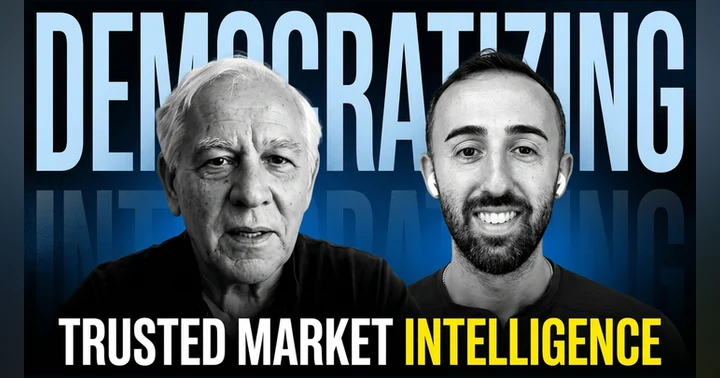
How is AI changing investing, financial media, and market intelligence? Andrew Lebbos of Benzinga explains why trusted information, objective news, private markets, and AI-powered research are becoming the foundation of modern investing.
Key Takeaways
- Trusted financial market intelligence has emerged as one of the world's most valuable assets, driving critical competitive advantages for elite allocators and family offices.
- The rapid acceleration of artificial intelligence relies heavily on the integration of real-time, objective financial data and reliable journalism.
- Benzinga evolved from a Detroit startup into a global financial information powerhouse by prioritizing speed, objectivity, and accessibility over opinion.
- The post-COVID retail investing revolution permanently transformed how everyday investors access financial technology and market research.
- Alternative data and prediction markets are reshaping traditional investment research and offering new avenues for private market evaluation.
In this episode of Family Office Investing Podcast & Investor Insights | Arthur's Round Table, Arthur sits down with Andrew Lebbos, Head of APIs and Data Licensing at Benzinga, for a fascinating discussion about financial media, AI, investing, private markets, and why trusted information has become one of the world's most valuable assets.
Andrew shares the remarkable growth story behind Benzinga—from a Detroit startup with just a handful of employees to a global financial intelligence platform serving more than 100 million readers each month while powering brokerages, financial institutions, AI companies, fintech platforms, and investors around the world.
Arthur and Andrew discuss:
• The retail investing revolution
• How COVID accelerated financial technology
• Why Benzinga became the "Bloomberg for retail investors"
• Artificial Intelligence and financial media
• Private markets and democratized investing
• Prediction markets
• Crypto investing
• Data licensing
• Financial education
• The future of investment research
The conversation explores how AI is reshaping financial information, why objective journalism matters more than ever, and how reliable market intelligence has become a critical competitive advantage for investors, entrepreneurs, family offices, and financial professionals alike.
Andrew also explains why Benzinga focuses on speed, objectivity, and accessibility instead of opinion, allowing investors at every level to make better-informed decisions without unnecessary complexity or bias.
The discussion extends into family offices, accredited investors, prediction markets, AI-powered investing, fintech innovation, and why education—not exclusivity—will ultimately determine who benefits most from the next generation of financial technology.
Whether you're a family office executive, entrepreneur, investor, wealth advisor, fintech founder, or simply interested in how AI is transforming finance, this episode provides valuable insight into one of the fastest-changing industries in the world.
What You'll Learn
• Why trusted financial information is becoming more valuable than ever
• How AI is changing financial media
• Why retail investing exploded after COVID
• The future of private markets
• How prediction markets may reshape investing
• Why financial education matters more than financial credentials
• How family offices consume financial intelligence
• Why objective news creates better investment decisions
• How AI companies source reliable financial information
• Where financial technology is heading next
About Andrew Lebbos
Andrew Lebbos leads API Partnerships and Data Licensing at Benzinga, helping financial institutions, brokerages, fintech companies, AI platforms, and investment firms integrate real-time financial news, market intelligence, analyst research, and alternative data into their products. Since joining Benzinga during its early growth, he has helped expand the company's global reach while supporting one of the largest financial information distribution networks in the industry.
Want to learn more about Family Office Insights? Click Here.
Frequently Asked Questions
What role does financial market intelligence play in modern family office investing?
Financial market intelligence serves as a critical competitive advantage, helping family offices evaluate private market opportunities, source deals, and navigate rapidly changing macroeconomic environments with objective data.
How is artificial intelligence impacting financial media and data licensing?
AI companies and fintech platforms increasingly license real-time financial news, alternative data, and structured market information to train models and power automated investment research tools.
Why did retail investing experience such massive growth after COVID?
The pandemic catalyzed a massive wave of technological innovation and accessibility in fintech, lowering barriers to entry and empowering everyday investors to utilize institutional-grade financial tools.
Arthur Andrew Bavelas (00:00.997)
Hello, everybody. Welcome to another podcast of Arthur's Round Table. Super happy for all the people that are paying attention and you've been sharing it liberally. And so we really appreciate that. And I know I say thank you every time, but we are grateful for your paying attention to us and supporting the podcast. So thank you for doing that. We have really interesting guest today. as usual, Andrew Libos, is it? Is I pronounce it properly? And
He's with Ben Benzinga. And so of course many of you follow and are familiar with Benzinga either directly or through some other third party. And so we're super happy to have Andrew with us today. Thank you for doing this, Andrew.
Andrew Lebbos (00:44.226)
Course, thank you for having me, Arthur.
Arthur Andrew Bavelas (00:45.625)
You bet. Let's start with your origin story and then we'll go on to what you're doing with Benzinga if that's okay with you.
Andrew Lebbos (00:52.844)
Yeah, happy to share. So I'm from Detroit, which as most of you guys know, had a had a tough time right when I was in college. It was it was an interesting time to be downtown going to school in Detroit, seeing the the changes that were happening in the city. And I ended up joining a startup in Detroit that was building fiber lines to help businesses get faster internet. Like I it's it's funny, you know, New York is so well built out, all of the cities
Across the US had all the infrastructure needed to run you know high-intensity businesses, and Detroit did not. And so the first thing they needed was that infrastructure. this startup exploded, raised a bunch of money, got super popular, got a bunch of press. It was called Rocket Fiber. got acquired by Everstream. it was a very fun experience, and then ended up hopping to Benzinga, which was then the coolest startup in Detroit.
I think I was employee number.
Arthur Andrew Bavelas (01:51.543)
So Benzinga was started in Detroit also. Didn't know that. Very cool. Yeah.
Andrew Lebbos (01:54.871)
Yeah. Yeah. So our founder, Jason Raznick, was from Metro Detroit. and so he wanted to keep
keep Benzinga, you know, close to home. And honestly, Detroit, Ann Arbor, just the the Metro Detroit, Southeast Michigan area has really good talent, highly educated people, and a great place for families, et cetera. So shout out Detroit. I will always have a place in my heart. so joined Benzinga, employee number 30, COVID happened, came down at, you know, probably like 15 employees.
And then the retail trading boom happened and we've just been up from there. we're pushing over 200 employees now. we're known and distributed internationally, 400 clients. I'm licensing, you know, over 100 million readers a month through our network, breaking news across the globe. So it's been that's what seven years. It's it's been a great ride and ever ever-changing fintech space. I'm I'm I'm happy to be a part of it.
Arthur Andrew Bavelas (02:56.163)
Yeah. So super interesting that let's talk about your view on why COVID catalyzed such a retail investor boom. I think the obvious things are that people were sitting home and needed something to do other than play video games and drink, right?
Andrew Lebbos (03:15.18)
Yeah, for sure. And who knows? You know, some people treated trading as you know, playing playing video games and drinking. They were they're playing the stock market and drinking in some of these these different forums. But yeah, I mean that's that's that's the obvious one. I think the second is the enablement in technology across the board that was happening in the background. It was just like the perfect storm. you know, everybody got this.
Arthur Andrew Bavelas (03:16.125)
Yeah.
Andrew Lebbos (03:44.173)
check in the mail that they didn't have before. A lot of people used it as their investing or their trading their fund money. people were looking to communicate and connect on something that
You know, it was really easy to talk about, you know, the stock market falling, the stock market going up. I mean, it's a dyn it's such the market is so dynamic, changes every single day. And it's something that you can connect with people and discuss at at length. You know, sports were paused for a second there, right? Like what was there was it was one thing that didn't stop. in the background, there was technology that was happening that enabled people to build.
Arthur Andrew Bavelas (04:22.8)
Yeah.
Andrew Lebbos (04:29.398)
you know, more research platforms and deeper brokerage platforms and all the brokerage platforms were integrating. They were they were integrating new data sets even starting in like 2019 that were breaking down the barrier for people to get better understanding around stocks. And so like I think that the retail trading boom would have happened either way. COVID just helped really amplify it and and it was the spark for it.
Arthur Andrew Bavelas (04:58.555)
Yeah, it totally makes sense. And we have a lot of respect for Bloomberg for a lot of reasons, but essentially it was a retail Bloomberg opportunity for Benzinga, right?
Andrew Lebbos (05:10.478)
A hundred percent. And we I mean we love Bloomberg. Bloomberg is is my favorite client. I d I don't know if I should play favorites, but they've they've been they've been great. You can edit that one out if if possible. Bloomberg's a
Arthur Andrew Bavelas (05:15.215)
Yeah. You can say that.
Arthur Andrew Bavelas (05:22.277)
Well, they've been they've they've been really good to me. It's not my show. I mean is my show, but not about me. But Bloomberg is really good to me 'cause they used to call me up 'cause I lived two blocks from Bloomberg. and they'd call me and say, Well, you know, how would you feel like coming up in a half hour and going on a segment? 'Cause I wasn't easy, you know, right around the corner and you know, I would it was easy for them to do that. So they were really good to me many times too. Yeah.
Andrew Lebbos (05:48.833)
Nice. Yeah, they're great. They're great to work with. I think the the platform is is incredible. Even the app is incredible. I know that like the terminal is like nothing that's ever been built. Anyways, Bloomberg is is is a partner of ours, right? but yeah, I mean for Benzinga and for a lot of our licensing partners, I mean, there was there's these retail investors that are just trying to get their, you know, dip their toe in the water.
they're not gonna spend thirty grand a year and they shouldn't spend thirty grand a year, right? They should they should spend thirty grand a month or ten dollars I'm sorry, not thirty grand a month, thirty dollars a month or ten dollars a month just to see, you know, can they can they understand and and get involved in this market.
Arthur Andrew Bavelas (06:22.139)
Yeah, I know. Yeah, right.
Andrew Lebbos (06:30.494)
And you know, it the the more people the more retail investors that entered the market, they moved away from their financial advisor and wanted to manage their money themselves, they needed guidance at whatever level they were at from a sophistication perspective. So like highly sophisticated investors, they might sign up for like a trend spider, you know, but like the b brand new beginner investors.
I mean, there's Acorns where they have like deep education. And then there's Betterment, where it's just a robo advisor, but they have, you know, Titan Invest, where they publish an article every day about what is happening in the market, what is happening in the portfolio. I mean, it's just like every day there was a new platform that was entering the space to cater to such a niche in the retail investing audience.
And I mean it was a it was great to be the picks and the shovels of it. You know, we were the one that were breaking news, providing the earnings calendars, the dividends, the earn you know, the analyst ratings. Like everybody needed that information. Whether you were building a robo advisor for teens, or you were building an options, automated options trading platform for, you know, advanced traders. Everybody still needed that earnings data. And so that was that was a big part of our growth over the past seven years.
Arthur Andrew Bavelas (07:52.152)
Is was crypto any f because a lot of people sat around and traded crypto during COVID and decided and made some money or didn't or lost it all, whatever. There was a whole spectrum of people. but you know, there still is clearly a segment of the market that got into crypto during that time and decided not to go to back to work for whatever reason, right?
Andrew Lebbos (08:18.67)
Yeah, I have some friends that, you know, made made enough money to live for a few years and now they haven't worked in three years and are trying to figure out what to do. But what I mean, what a crazy time to be alive, right? Like, we've never seen anything like this. I mean, we cover crypto, right? Like, I guess I'll take a step back. Benzinga in
Arthur Andrew Bavelas (08:29.595)
Totally.
Andrew Lebbos (08:40.152)
Providing information to the retail audience, we're not afraid to cover any and all markets. If there's an opportunity to build wealth in a market, we will cover it in an unbiased fashion, objective fashion, right? Like we were the first major news site to cover the cannabis industry as soon as it started going public. psychedelic. So that was like a a scam rush, and we we figured that out very quickly. you know, we stopped covering that very quickly.
there were companies that were going public in psychedelics, and you know, we we we thought that we needed to get in front of that. cryptocurrency, we were one of the first as well. Like we, you know, if if people are entering the market then and retail investors can get involved, then we're gonna cover the news. And there were there were points in our history where crypto was the majority of our traffic, even greater than the entire US stock market.
And that's wild to me, right? Because now it's a f a small fraction, right? It's gone back down. but you know, in analyzing our historic traffic, there were there were about s where and it's usually at the top of the bull run, right? Where there's just cr insane mania. But there were times where it's fifty five, sixty percent of our total traffic and
Arthur Andrew Bavelas (09:49.315)
Right. Yeah.
Arthur Andrew Bavelas (09:55.152)
Wow, that's super interesting. Wow. And in public markets, there's lots of information about public markets, right? But not for the retail investor. It's more, you know, like we said, if you're you if you have a Bloomberg on your desk and you're probably working for a huge institution or and you know, you need that level of data. how about private markets?
Andrew Lebbos (09:57.165)
Yeah, so
Andrew Lebbos (10:23.446)
Yeah. so I mean, like you said, like the public markets, it's it's been been historically tough for retail investors to get information on these public markets. Private markets, even harder. I mean, it's we're we're just now entering the the age where retail investors can get exposure to private companies through like Nasdaq private markets or some of the other equities and stuff like that. I I'm sure you've seen the articles on that.
And before these last couple years.
Unless you were an institution, you had no access to these sort of investments or an accredited investor, in which you'd be working with an institution to get access. and now that barrier is being broken down. So now they're dem retail investors are demanding information about those assets. We've started a private market news feed. It's a lot harder even for us to obtain the the data and information that is needed in order for us to publish news on this on this new asset.
Arthur Andrew Bavelas (11:06.265)
Exactly.
Andrew Lebbos (11:26.806)
class. But with increased ability and exposure, there will be an increase in information. We want to be at the front of that as well.
Arthur Andrew Bavelas (11:37.808)
Yeah, so they're the the it's very, very limited. And of course, there's all kinds of valuation things that aren't solid like you would have with public markets. Is the do the interval funds that became super popular for retail investors, do they share data with you about what their holdings are so you can share it with the retail investor, for example? I mean it seemed
Just seems to me like one way to get the data, right? 'Cause they've gotta at least value that information for the purposes of getting their NAV, right?
Andrew Lebbos (12:14.882)
Yeah. Some of the funds will give information, but we try to stay unbiased because we're, you know, we're we're a media site. So we have to be like there's always an incentive. Like if someone's gonna give us information, we always ask why, right? Why are you giving us this information? Yeah. but I
Arthur Andrew Bavelas (12:27.503)
Yeah, you're right. Yeah, why are you doing this? Right. Yeah. Well, do you have advertising on the site?
Andrew Lebbos (12:34.104)
We have advertising on the site, yeah, and it's like highly it's full disclosure, et cetera. But our our we don't do like like our all of our content is written in an objective newsfeed manner, right? We have like 50 writers who are just breaking news. Imagine, so this is a flow, right? It's like something happens, and then our breaking news desk will write a headline.
Arthur Andrew Bavelas (12:35.587)
Right, so there's yeah, yeah. Yeah.
Andrew Lebbos (12:56.248)
You know, do like a 800 to 1200 of those per day. And then if that headline is worth expanding on, it's passed to our editorial team, who then writes a full article? They do research, they call analysts, they call CEOs, they get you know quotes across the industry, they do a comparative analysis, et cetera. And then they write that full article. and so not sure how I got on that topic, but yeah, well, you know.
Arthur Andrew Bavelas (13:20.325)
Well, I was asking you about yeah, about the f the the data that you could get on private markets through the interval fund type folks, but you seeing how you how you process the flow is is instructive, I think. Yeah.
Andrew Lebbos (13:38.307)
Yeah, and so w we may use some of those interval funds as like a reference point. but of course they wanna be in as as much but that that that does kind of play that's a good point though, that does play into our favor where
You know, these interval funds, they want to disperse this information. And the analyst shops, right? Like the sell the buy side, sell side shops, they they all publish research reports and they all want those research reports distributed to as many places as possible as it stands as free marketing for them. And so we get a ton of analyst engagement across our ecosystem. and and we've been able to build cool products from it, right? Like analyst ratings.
analyst insights products and then a lot of our news also includes quotes or coverage of of analyst takes it's been super helpful
Arthur Andrew Bavelas (14:33.135)
Yes, so so for me it's super daunting. Like you need to have people that really know what they're doing on the desk, right? 'Cause that's when when you're you can't just dump it into AI and have it spew it out, it doesn't work, right? So that that's why you have two hundred people now, right?
Andrew Lebbos (14:53.112)
For sure. Yeah. And we have over fifty writers. And Brad Olsen came from Bloomberg. Actually, he was there for quite some time and he runs our news desk. And he is just incredible at building systems and you know from a compliance and QA perspective, like ensuring that
we stay objective and but we still get things out in a in a timely manner. I don't know how he did the guy's a magician. but yeah, I mean without like the experience that he brought to the table to help mature our news desk has been extremely helpful in and legitimizing us as a news source.
Arthur Andrew Bavelas (15:21.893)
Mm-hmm.
Arthur Andrew Bavelas (15:33.116)
So the audience is largely family offices and those looking to serve family offices for this podcast, and then a just a bunch of people that you know we've gone off the rails and just interviewed you know ayahuasca shaman just because I happen to know. but is is there a retail product that somebody could just subscribe to your retail product without
having a a conduit to s an institution that's subscribes to you as a as an institution?
Andrew Lebbos (16:07.532)
Yeah, for sure. we we even we have some family offices that subscribe to our B2C product. We have Benzinga Pro, which is a platform that covers all US equities information you would ever need. So unusual options, flow, short interest, you know, guidance, MA rumors, the news, the press releases, et cetera. it's like a Bloomberg light for equities specifically.
We have some family offices that have like enterprise licenses for that. we have many individuals that we you know, we have tens of thousands of individuals that are subscribed to that platform as well. and then our news, our our site is is really nice to visit. You know, I have a watch list up that I get notifications about what is going on in the market. that subscription is is super reasonable. and you know, we have
also tens of thousands of in hundreds of thousands of individuals with that subscription. so yeah, that's there's there's quite a few ways to engage in our in our content. I'll also say that, you know, if you use one of the major brokerages of Fidelities or or you know Robinhood e Trade, you may find our news in their platform. And if you do, give it a read. I mean we we write in a way that
We try to be as objective and and quick and to the point as possible. What happened? Why is it important? What happens next? you know, accessible by everyone. And even if you have a a deep financial background, it's it can prove as a as a breath of fresh air instead of having to comb through two, three thousand words h with heavy acronyms and and and different
advanced concepts like to just read what happened and why it happened so you can move on and make a decision is is quite refreshing no matter your level of expertise in finance.
Arthur Andrew Bavelas (17:59.398)
Yeah, it's a it's a noble pursuit to become everybody has a bias. So I'm not saying that Benzinga does. I'm just saying everybody has biases, even though they don't admit it. They're just embedded in our psyche. But it's really refreshing based on what's happening in the general legacy media business. And I'm not calling anybody out. I'm just saying in general, we if you just look who the advertisers are, you can tell what is not being covered, right?
mean it's this is no big secret. but it's refreshing to hear that you know, especially a retail investor who may not be at the sophistication level of BlackRock and all the others, right? That they can get data to execute on. It's really, you know, valuable information.
Andrew Lebbos (18:47.032)
Yeah, man. Thank I I appreciate that. We're, you know, that's that's our goal is to democratize finance, like break down that wall. we we think that everybody should be able to manage their finances and grow their finances. And I've I've seen recently this taboo around finance, and there's been some like headline drama around it, people trying to
publish like, only five percent of the US can pass this test. Can you pass this finance personal finance test? Like shaming people for not being able to know about personal finance. And it's that's the opposite of what we should be doing across the board, right? Like
We should be enabling and empowering people and educating them to be able to have healthy conversations about their finances so that they can build wealth long term. Like what like you don't need an MBA to manage your money is kind of the the place where we sit in the fintech space.
Arthur Andrew Bavelas (19:44.668)
Do you think that the discussions that are happening in Washington about the definition of an accredited investor, et cetera, to move away from that metric where if you have X amount of money, then you're smart enough to invest in privates, for example, or private placements and that sort of thing? Have you guys been tracking that at all?
Andrew Lebbos (20:10.988)
Yeah, and I I was on a podcast like probably like a month ago, and I was talking about how good it is for society that, you know, we're breaking down that wall and allowing anyone to invest in anything. And then I got challenged on it, and they're like, illiquidity is a good thing in some asset types. So like I personally
I'm very good at investing in real estate. I have a ton of real estate in Metro Detroit. And I don't think about selling it because of all the the transaction, like the logistics and the transaction costs of selling it. And so I've gone through some like tough patches of vacancy and things, and I'm net positive long term. With my stocks, I sell too early and I know that.
my 401k, I've absolutely killed it because it's illiquid. I don't touch it. I just buy the SP and I don't think about it. and so you know, illiquidity in private markets is a good thing by definition, based on these asset types, right? Like the the companies that people shouldn't be day trading private market companies. and so maybe a little regulation around who has access to them and in what capacity they have access to them.
Arthur Andrew Bavelas (21:18.542)
No, that's for sure.
Andrew Lebbos (21:27.98)
I think that's a good thing. but I think it's good in general that we're enabling more people. We're it's we're we're no longer basing it on how much money you have. Like someone might get an inheritance and not know anything about finance, but someone may have studied this and been passionate about a specific private market company since they were in college, and they should have the ability to invest in it if they if they have the funds. but
We shouldn't see it on a we shouldn't see it moving like a like a meme coin or like you know SpaceX today, right?
Arthur Andrew Bavelas (22:00.218)
I don't I yeah, the look, oftentimes the headlines get an inappropriate amount of attention because of clicks, right? So, you know, people talk about how Silicon Valley for years had a corner on all the private markets and they were sharing notes and it was the buddy system and all that, and same thing goes for you know, Wall Street, yeah. And so people were were
felt disenfranchised simply because they weren't in the know or didn't know the right people. And so I think there's there's a fair amount of excess drama around that because it's not, you know, it's only this much, right? It doesn't really have an impact. It's like a lot of the other things that we hear about in the news that, you know, w less than one and one half percent of the
country cares about a certain thing, but the extreme people make it a a lot of noise about it, right? So I think it's we've suffered from a little bit of that, the people saying, wait a minute, only the rich get rich. you know, and there's some of that, right, of course, but there's you also have to be disciplined about what you're doing. You can't just expect people to say, just because I'm not a sophisticated investor, I should in it should you should share the spoils with me. You know, it's not that sort of thing.
Andrew Lebbos (23:23.276)
Yeah, I agree completely. I think from a fairness perspective, it makes sense, but I think that it it all comes back to education. Like we need to make sure that people are educated. Even in the I I think that there's a lack of education in the public markets too. You know, like you turn eighteen and then you can open a you can open a Robin Hood, DraftKings, Kelshi. you know, you can bet on the game, you can bet on a stock, you can buy an options contract. I mean, like
Arthur Andrew Bavelas (23:30.245)
Total.
Andrew Lebbos (23:50.636)
B the ability to sell a call at eighteen years old is kinda terrifying, you know?
Arthur Andrew Bavelas (23:54.992)
Yeah. Especially if you don't understand that the people who and I'm not being disparaging about the Calcian polymarket and all those, but these guys are experts, right? They doing the math, they're crunching the numbers. It's not like it's kind of like going to I sh I'll probably get called out for this, but I don't care. You know, going to Vegas, right? The house always wins, right? And
You can just look at how much money these places are making and you can say, well, the house probably always wins in this case too.
Andrew Lebbos (24:31.276)
Yeah. And I mean, so like Kelshi, for example, is and they're a client of ours, and I'm a I'm I'm a big fan I I'm a user, honestly. but I use it for fun. You know, I don't like have any advanced trading plot you know, there's there's some advanced trading tech techniques that you can you can use it for, which are really cool that I it's over my head for at the moment. But they're they're an exchange, so they're just taking two percent on both sides. So the more transactions the better.
Which I is a great business model. but I mean when Susquehanna is is filling market orders, it's like, I don't think I'm gonna bet on the weather if if I'm betting against Susquehanna. I'm not gonna bet on anything if I'm betting against Susquehanna, you know?
Arthur Andrew Bavelas (25:09.845)
Exactly. Yeah. Yeah. Gotta know which side of the trade to take, right? Yeah. Exactly.
Andrew Lebbos (25:17.292)
Yeah, I'm taking Sesquana side is what I'm taking. I mean these these guys are way smarter than I'll ever be. but you know, I think it's you know, like another another thing that I've talked about with my friends is like cost of entertainment, you know, like within reason. You know, put five bucks on the World Cup game and you're you know, you're at the bar with your friends, it's fun, you know? Yeah.
Arthur Andrew Bavelas (25:34.073)
You you have some skin in the game. Totally. It's totally fun. Yeah. That's that's completely different. Like, you know, if you wanna spend your time doing something and it's entertaining to you, then it's not a waste of time, right?
Andrew Lebbos (25:48.396)
Mm-hmm. Or money. Yeah.
Arthur Andrew Bavelas (25:50.682)
Yeah, or money, right? Yeah. So the biggest asset we have is our time. It's 'cause it's you're younger, but it's dwindling. It's gonna happen, right? Yeah. Yeah.
Andrew Lebbos (26:01.048)
Totally. One one thing I'll say about the Calci thing, it's like just food for thought is there's there's been literature about ways to use certain markets on the prediction markets to hedge investments. So like if you're
short Tesla, but you think that deliveries of Cybertrucks will increase because of some variable that you've researched, then you can buy yes contracts on Cybertruck deliveries to hedge in case your short turns around.
Arthur Andrew Bavelas (26:36.193)
You can carve out an incremental part of the sh t take both sides of the trades by carving out a a particular issue inside Tesla. That's really interesting. Yeah.
Andrew Lebbos (26:47.98)
Yeah, like inside an earnings call, you know? or like Spotify subscribers is a good example.
you know, different units of different products from companies, whatever is reported in their earnings calls, their KPIs, you can now buy or sell those contracts. so I'm I'm over here dollar cost averaging SPY, I'm boring. But for the the folks on the call that you know have advanced trading backgrounds and you know it's it's worth looking at from a hedge perspective.
Arthur Andrew Bavelas (27:20.315)
That's really interesting. So there was a a news story. I don't know how true it is, because most of the you can't really tell what's true anymore, except on Bazinga, I'm sure. where Meta met, yeah, Zuckerberg met with Kalchi Kalchi and tried to buy them, you know, then they disrobed. And so rather than
Andrew Lebbos (27:31.352)
Thank you.
Arthur Andrew Bavelas (27:47.996)
buying them, which they didn't want to sell at the time. Meta went ahead and did a non-regulated version with make-believe shares on Facebook to replicate what Kelchie was doing, waited till Kelchie did got through all the regulatory stuff, and then they're gonna flip the switch and go live, real money, because all the money that Kelchie spent getting the regulatory thing squared away.
you know, Meta would come on the back of that and just, you know, go live with their anyway, so that was a it's an interesting sort of, you know, Machiavellian approach to not having somebody you wanted to buy not sell to you, right?
Andrew Lebbos (28:33.728)
It's I mean, I'm not surprised. but I need to look into that. I did see that Meta has like a gamified prediction market on Facebook. I don't use Facebook really, but I mean that's kind of terrifying. if they take that live, you know. I don't know. I I wanna look into that before I say anything more.
Arthur Andrew Bavelas (28:46.469)
Yeah. I don't either.
Arthur Andrew Bavelas (28:57.283)
Yeah, so again, I'm looking at an ex post with the same way I look at almost anything, saying, Okay, how how true could this be? The construct was really interesting and, you know, food for thought, but who knows how true it is, right? Just don't know. Yeah. Yeah.
Andrew Lebbos (29:16.088)
Totally. And and I'm gonna soft pitch Benzinger on that is that like one of the reasons that we've grown so much in in this time of like rampant misinformation with AI bots on every social media platform, you know, having like 50 writers in-house, even like, you know, we're we're part we're partnering with AI companies. They're purchasing our news feed in real time in order to make sure that their answers are sourced from real places.
you know, they're buying our historical archives.
I mean the brokerages obviously are not gonna publish like just anything from X. They need some sort of filtration, some sort of you know, viable, legitimate source. Yeah, totally. and so that's been like when when AI hit the scene, and this this happens every time something new hits the scene. Like in 2019, commission free trading happened, right? Like Robin Hood was the first one, and then TDU Maritrade did it. And
Arthur Andrew Bavelas (30:00.25)
Legitimate source. Yeah. Yeah.
Andrew Lebbos (30:21.264)
And we all got in a conference room where we're like, all right, what's gonna happen? You know, like is you know, are these brokerages gonna go away? And they've exploded since, right? And then like COVID happened, and then the crypto, boom and bust, meme coins, NFT, and now, you know, and then prediction markets, private markets, and now AI, right? Like ChatGPT had the most downloads ever in a week for any any software ever or something.
And we got in a conference room and we're like, you know, what about this? You know, they're gonna be writing content, automated, they're gonna do so much more volume than us. And it's actually played in our favor where we we we cut through the noise. Like we're we're we're one source, and there's other sources that do the same. but having a reliable news source is more valuable than ever now, you know?
Arthur Andrew Bavelas (31:12.013)
It's it's just like with AI discussion around losing jobs. Yes, some people are gonna lose their job because you don't need an a two hundred thousand dollar analyst to do spreadsheets anymore, right? So, but you need somebody to look at the output to see if it makes sense, right? And that is can only be done by a person, right? you know, it's also interesting that
Andrew Lebbos (31:30.424)
For sure.
Arthur Andrew Bavelas (31:39.139)
Yeah, perplexity was one of the first to come back when you did a AI search using it as a search engine, for example, and just here are all our sources. Boom, boom, boom, boom, boom, right? And so that because otherwise you're s it's sort of amorphous. Where did this data come from, right?
Andrew Lebbos (31:59.343)
Yeah, it could be made up. It could be from a Reddit post from 2004. I mean, Perplexity has been incredible. They're actually one our clients. they they use our news as well as a few other endpoints, like our earnings, dividends, stuff like that, to power their answer engine. And they're, I mean, they've been super, they're super honest up front. They show all the sources every single time, no hallucinations. I'm a huge fan of perplexity.
Arthur Andrew Bavelas (32:03.001)
Yeah.
Arthur Andrew Bavelas (32:27.909)
Me too. Yeah.
Andrew Lebbos (32:29.296)
And I mean it's, you know, it the what they what you can do with perplexity and like the computer perplexity computer, I mean they are definitely like changing the way that we do work, which is pretty cool to see.
Arthur Andrew Bavelas (32:43.001)
Yeah, it's it's it's we went from SEO to whatever it's called, the AI SEO. and you you you things are moving s so fast and like I agree with you, what a great time to be alive, but it's moving really fast. and as even a pad you know, we're pedestrian users of all of them.
But even as a pedestrian user, it's like, what? Did you just do that? Like, what? Yeah. I didn't think of that. Thanks for thinking of that, right? It's just yeah.
Andrew Lebbos (33:19.072)
A hundred percent. And my my my fiance is analytics engineer and stuff she does in cursor, like yesterday she spun up a a a website for our wedding in a like in a day. I mean it's it's there's jot form, there's multi there's different jot forms for different, you know, if they have a plus one or not. I mean, she did it in like an hour and a half. and sh you know, I'm just like blown away.
Arthur Andrew Bavelas (33:42.063)
Yeah. It's crazy.
Andrew Lebbos (33:47.815)
being able to use these tools is like a superpower, you know.
Arthur Andrew Bavelas (33:52.048)
Yeah, and just an example, just for the audience knows this, but we're very pedestrian users, but we've got a lot of data about the family offices that are members. And then we also have data about how they participated in the past in a variety of things that we do. And so to aggregate that data and put it into an a mean meaningful usable state would have taken, you know, a few hundred thousand dollars.
For an analyst to do manually, right? And AI did it in a matter of hours. And so now when somebody applies to Family Office Insights to pitch, we take their single source of truth, which is their DAC, pump it in, and it spins back an executive report that y you know, a a s a s th third or fourth year analyst who's highly skilled could have produced, right? It's just
Andrew Lebbos (34:24.801)
At least
Arthur Andrew Bavelas (34:50.945)
Absolut in minutes, not hours, minutes. Like it's just beyond. Yeah.
Andrew Lebbos (34:56.078)
A hundred percent. But let me let me let me ask you a question then. As you said you're you're you're an investor and you know you have it's you have a deep understanding of finance. Do you foresee
this causing any sort of bubble. And I know this is not financial advice on this on this call, but I'm curious your idea your thoughts because, you know, we you read, I'm sure you read the SAS Pocalypse article. and you know, there's a bunch of like mania, there's crazy volatility in the market. I'm just curious your ideas on it.
Arthur Andrew Bavelas (35:29.421)
Yeah. I will answer the question but answer it in that it wasn't my original thought. Thoughts that I've adopted through listening to, you know, Mark Andreessen and the all-in crew and all those guys. And I just think as it happened many times before, it's just gonna enhance the people to spin up fintechs like Mercury did. Like
I don't know if you know about Mercury. We're big fans. We're big users. We got multiple accounts. We interviewed the CEO, founder. we we just think that opportunities like that will further enhance the ability for the financial advice business to prosper. I think that there's always gonna be
So I sit on a in the investment committee for a handful of family offices, and we can compile all the data we want and do all the background we want, but until we sit down across the table from somebody that we're gonna deploy a check into, we don't know. This the so all that data is table stakes, and then you have to sit down and feel the vibe to be you know a little woo-woo with you about it of the person.
Because that's that's what you can't replicate with all this other stuff. And I think it's also true with people that are making so much money that I think the financial advisors are gonna continue to prosper because you you can't do everything, right? If you're busy making money and managing your career and managing your family, you there is a segment of the population just says here.
You take care of that, right? And so and we've got a relationship with lots of interesting people, as you might guess, including people that are, you know, deploying lots of capital into a variety of asset classes, including the
Arthur Andrew Bavelas (37:40.966)
Forced by regulation, the stickiness of having your assets with a financial advisor or a broker, to move that is a huge pain in the ass. I mean, and that is sort of a regulatory thing, not this purposely imposed to make it sticky, but it just, you know, from a regulatory perspective, you want to make sure everything's so those people are while their commissions have been compressed, they're still getting
an AUM fee that is a recurring revenue, that recurring revenue from an investor perspective looks really interesting, right? It has a better multiple on it. And so we see people investing in advisors, you know, registered investment advisors that have recurring revenue that can go out and acquire more recurring revenue. And so they're financing that because it's predictive cash flow and a good ROI. So in general, I don't think that
the financial services business is going to suffer greatly. But I think you have to, you know, be at least consistent with or ahead of the trends a little bit to be the winners. Cause there are going to be people that just go by the wayside, right? And all those businesses are based on relationships. And they're not based on because if you look at a deck from, you know, go down the list, Goldman Sachs, UBS, Raymond James, all of them, they all look the same.
There's no difference. It's just the relationship you have with somebody that you've built. And I think that level of trust is you can't replicate that. So sorry about the big speech, yeah.
Andrew Lebbos (39:21.91)
No, no, no. I'm I curious. I appreciate that. I agree that relationships will win over time. We're not gonna Some people are building relationships with with AI, but when you talk about people's money, it's you gotta shake a hand and trust somebody, you know.
Arthur Andrew Bavelas (39:35.526)
Totally. Yeah. You have to be able to pick up the phone and call somebody and say, okay, what do you think about this? You know, in in our world the biggest thing with family offices that people want, it's been this way for fifteen years or longer, is they want to talk to somebody who's had the same problem that they had, that's a more or less a peer and ask them what they did about it. And that
You can go in and ask the AI what to do about this set of problems, but you're gonna get, you know, intelligence, no doubt, but you're not gonna get the nuances of why this guy handled it this way as opposed to this way. And you're not gonna get that necessarily from the advisors who are getting paid to do something, although you need those people as well. So I'll get chastised for that, but you definitely need the advisors, the lawyers, the people, counselors and all that.
But you need it's really comforting for someone to talk to somebody who had the same challenge and ask them how they dealt with it. Super valuable information.
Andrew Lebbos (40:47.104)
at the case study.
Arthur Andrew Bavelas (40:48.623)
Yeah, exactly. Case study directly from the horse's mouth, right?
Andrew Lebbos (40:50.978)
Thanks.
Right. Learn from their mistakes, kinda.
Arthur Andrew Bavelas (40:55.993)
Yeah. So I think trust and and and trust is a byproduct of having those personal relationships and I think that that is gonna help us all prosper because the intelligence part of it is gonna be handed off to a utility. Okay. We have all the table stakes, right?
Andrew Lebbos (40:58.146)
Interesting.
Andrew Lebbos (41:17.976)
Yeah. Commoditizing intelligence.
Arthur Andrew Bavelas (41:20.293)
Yeah. So that's what I think.
Andrew Lebbos (41:26.358)
And it's it's it doesn't it's not as doom and gloom as as the Sass Pocalypse article, so we'll I'll we'll take it, you know.
Arthur Andrew Bavelas (41:32.837)
Yeah. Yeah, the the AI displacement of jobs is going to occur for people that have jobs that warrant, you know, replacement from something that is a fraction of what would otherwise take, and by huge factor more accurate most of the time. So kind of like and I'm I'm not
you know, th throwing people aside, but you have to pay attention to what's going on in the world and you have to live in this world. So pay attention and adjust accordingly. Like, okay, now what am I gonna do? Right? And there'll be a role for you. You just have to figure it out what it is.
Andrew Lebbos (42:18.082)
Yeah, for sure. and there's some stuff that is super safe from it, you know, like my sister just graduated college and she's a nurse safe for indefinitely, you know.
Arthur Andrew Bavelas (42:27.385)
Yeah. Totally. Yeah. Yeah, we all heard about the plumbers, the HVAC guys, all that kind of stuff. It's construction. Yeah. All that kind of stuff is not gonna be replaced. So how do people you you covered a little bit of it, but can people just go to the website and you have a freemium to premium sort of construct for Benzinga?
Andrew Lebbos (42:34.785)
yeah, construction, you know.
Andrew Lebbos (42:54.072)
Yeah, there's a couple ways, totally. I I appreciate it. there's a couple of ways to engage with Benzinga. Go to Benzinga.com, read our news if you like it. You know, you can become a subscriber, get get alerts, put your put your watch list in, connect your brokerage account if you wanted to. Benzinga Pro is the the platform that I mentioned. really nice research platform, easy to use. And then for any funds that are
Trading systematically. We have a lot of quants that are ingesting our news feed, our earnings, dividends, analyst ratings for quantitative trading. We even have some like some click stream data for the retail audience. go to benzinga.com/slash APIs. That's our our licensing business, which is what I run at Benzinga. and yeah, you know, add me on LinkedIn, I'm happy to answer any questions as well.
Arthur Andrew Bavelas (43:46.447)
Yeah, that's awesome. Yeah, I really appreciate it. We'll make sure everybody has that link as well. So Andrew, this has been super. I appreciate it. Appreciate you coming on. we'll share it with everybody. And thanks everybody for joining us today. And we'll see you next time.
Andrew Lebbos (43:55.35)
Appreciate it, Arthur. Definitely.
Andrew Lebbos (44:03.491)
Thanks everyone.
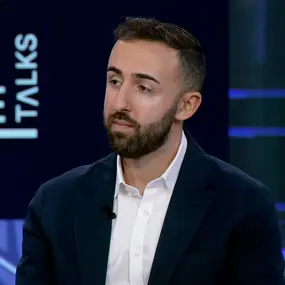
SVP of Licensing
Andrew Lebbos is Senior Vice President of Licensing at Benzinga, where he leads global data licensing and strategic relationships across fintech, brokerage, and institutional platforms. He focuses on expanding access to real-time market intelligence through APIs, alternative datasets, and scalable distribution solutions. Andrew works closely with product and engineering teams to help firms integrate high-quality financial data into trading, investing, and AI-driven workflows.