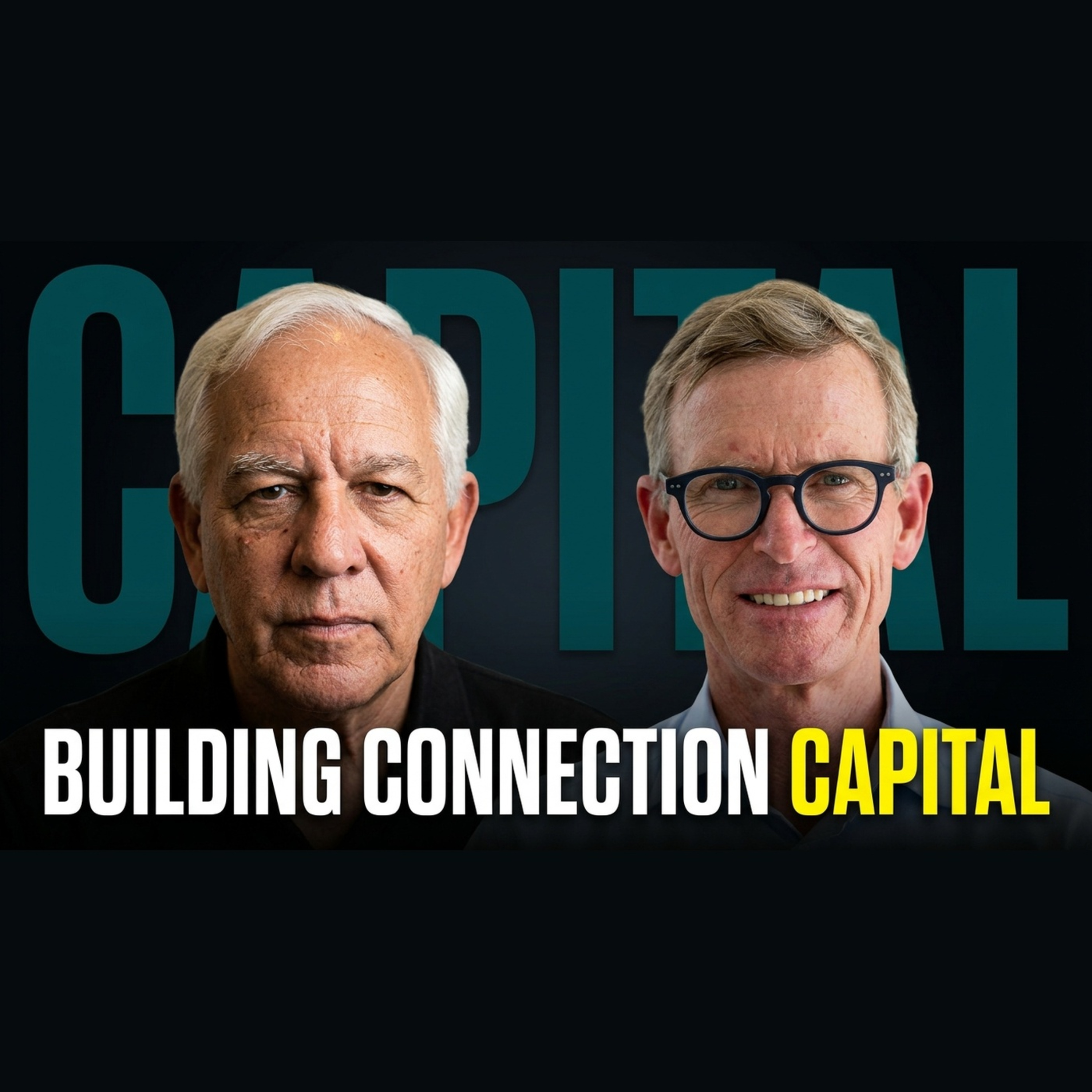
Beyond Networking: The Power of Connection Capital in Family Offices
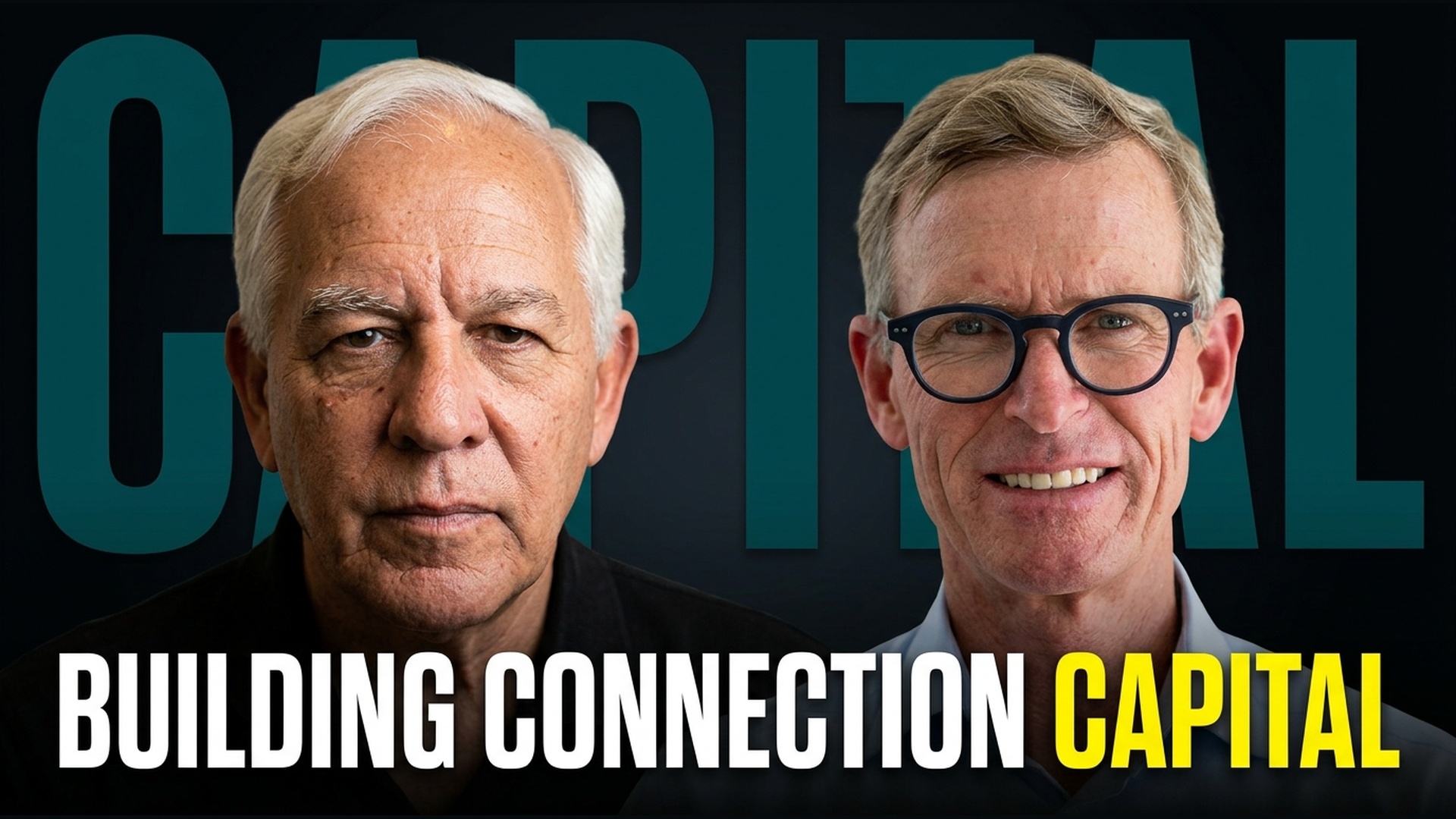
Welcome back to the blog, where we dive deeper into the topics that spark our conversations on the podcast. In our latest episode, we explored a concept that's fundamentally reshaping how family offices operate and thrive. We had the immense pleasure of speaking with Tim Brown, a visionary who's been instrumental in building some of the most powerful relationship-driven communities for family offices. If you haven't listened yet, I highly encourage you to check out "Family Office Connection Capital & Trusted Networks. Tim Brown Interview". The insights shared in that episode are truly transformative, and this blog post aims to expand on those ideas, particularly the profound significance of 'connection capital'.
The Evolving Landscape of Family Offices
The world of family offices is in constant flux. Historically, these entities were primarily concerned with wealth management, investment strategies, and estate planning. The focus was largely internal, centered on preserving and growing the family's assets across generations. However, the complexities of the modern global economy, coupled with increasingly sophisticated family structures and the rapid pace of technological change, have necessitated a broader and more dynamic approach. Family offices are no longer just passive custodians of wealth; they are active engines of innovation, impact, and strategic development. This evolution demands more than just sound financial acumen; it requires a rich ecosystem of knowledge, trust, and opportunity, which is precisely where connection capital comes into play.
Traditional networking events, while still valuable for initial introductions, often fall short of fostering the deep, meaningful relationships that are now crucial for family offices. The challenges of maintaining privacy, navigating complex family dynamics, and addressing unique stewardship responsibilities can lead to a sense of isolation, even within a network of peers. This is where the concept of 'connection capital' emerges as a powerful differentiator, offering a new paradigm for how family offices can leverage their relationships to drive significant value.
What is Connection Capital?
At its core, connection capital, as articulated by Tim Brown, is the value derived from the quality and depth of one's relationships. It's not simply about the number of people you know, but rather the strength of those connections, the trust that underpins them, and the reciprocal flow of value they enable. Think of it as a form of social and intellectual currency that appreciates over time through intentional cultivation and engagement.
Unlike financial capital, which is quantifiable and can be easily tracked, connection capital is more qualitative and emergent. It's built on shared experiences, mutual respect, vulnerability, and a genuine commitment to supporting one another. In the context of family offices, connection capital manifests in several key ways:
- Access to Unconventional Opportunities: Trusted connections can provide early access to unique investment opportunities, philanthropic initiatives, or strategic partnerships that are not available through traditional channels.
- Accelerated Learning and Problem-Solving: Being part of a network of peers facing similar challenges allows for rapid knowledge sharing, validation of ideas, and collaborative problem-solving. This "peer-to-peer learning" is invaluable when dealing with complex family governance, succession planning, or investment strategies.
- Enhanced Trust and Reduced Risk: When you have deep, trusted relationships, you are more likely to rely on the judgment and recommendations of your peers. This reduces the perceived risk in new ventures and fosters greater confidence in decision-making.
- Influence and Collaboration: Strong connections can amplify your voice, facilitate introductions to key stakeholders, and create a foundation for impactful collaborations that might otherwise be difficult to initiate.
- Emotional and Intellectual Support: The unique pressures and responsibilities of managing significant family wealth can be isolating. Connection capital provides a vital support system, offering a space for open dialogue, shared experiences, and mutual encouragement.
This concept moves beyond transactional networking, where the primary goal is to gain something immediately. Connection capital is about building a resilient ecosystem of relationships that generate compounding returns, not just in financial terms, but in knowledge, opportunity, and long-term well-being.
Connection Capital vs. Traditional Networking
The distinction between connection capital and traditional networking is crucial for understanding its impact on family offices. Traditional networking often operates on a transactional basis. You attend an event, exchange business cards, and hope to glean some useful information or make a contact that might prove beneficial down the line. It's often characterized by superficial interactions, a focus on immediate gains, and a broad, rather than deep, reach.
Tim Brown aptly describes how many industry conferences, while providing valuable information, can often feel like they "reset relationships." You might meet dozens of new people, but the depth of connection rarely goes beyond a polite exchange. This leads to a situation where you have a large network of acquaintances but a limited number of true confidantes or trusted advisors.
Connection capital, on the other hand, is about cultivating a smaller, more intimate circle of high-trust relationships. It's about investing time and energy into deepening these bonds, fostering vulnerability, and engaging in reciprocal sharing. This approach prioritizes quality over quantity. Instead of accumulating hundreds of weak ties, you build a core group of strong ties that are far more reliable and impactful. This shift in focus is what enables the "compounding" effect, where the value of these relationships grows exponentially over time through consistent engagement and shared experiences.
Think of it like this: Traditional networking is like planting a vast field with many seeds, hoping a few will sprout. Cultivating connection capital is like tending a carefully selected garden, nurturing each plant with personalized attention, ensuring it thrives and produces bountifully. For family offices, where stakes are high and decisions have long-term implications, this deeper level of trust and understanding is not just beneficial; it's essential.
The 'Responsibility-Driven Isolation' of Family Offices
One of the most striking insights from our conversation with Tim Brown is the concept of "responsibility-driven isolation." Family offices, by their very nature, operate in a world of immense privacy, confidentiality, and unique complexities. Principals and executives are entrusted with not only significant financial assets but also the legacy, governance, and philanthropic endeavors of an entire family across multiple generations.
This inherent responsibility creates several barriers to open communication and peer-to-peer learning. Firstly, the sheer confidentiality required means that discussions about sensitive investments, family disputes, or internal governance challenges are often off-limits, even in professional settings. Secondly, the unique nature of each family's situation means that direct comparisons can be difficult; what works for one family might not be applicable to another.
This isolation can lead to a feeling of being alone in one's challenges. Family office leaders might feel they cannot openly discuss their struggles or seek advice without compromising confidentiality or revealing sensitive information. This can stifle innovation, slow down decision-making, and lead to a lack of diverse perspectives, potentially resulting in suboptimal outcomes. The weight of responsibility, ironically, can lead to a situation where individuals are less likely to seek the very support and collaboration that could help them shoulder that burden more effectively.
How Connection Capital Addresses Isolation
Connection capital offers a powerful antidote to this "responsibility-driven isolation." When family offices intentionally cultivate high-trust networks, they create safe havens for genuine dialogue and mutual support. These are not public forums for broad information dissemination, but rather private ecosystems where shared values and a commitment to discretion enable deeper engagement.
Within these trusted circles, family office leaders can:
- Share Vulnerabilities Safely: The foundation of trust allows for the open discussion of challenges and uncertainties, which is critical for effective problem-solving.
- Gain Validated Perspectives: Hearing from peers who have navigated similar situations provides invaluable validation and can significantly de-risk decision-making.
- Access Unparalleled Intelligence: These networks become conduits for off-market opportunities and insights that are not publicly available, offering a significant competitive advantage.
- Foster Collaborative Solutions: By pooling knowledge and experience, family offices can collaboratively develop innovative solutions to complex stewardship and governance issues.
- Build Resilience: Knowing you have a supportive network of peers provides a crucial buffer against the stresses and pressures inherent in family office leadership.
The key is the intentional architecture of these communities. They are not accidental gatherings but are deliberately designed to foster deep relationships, facilitate meaningful exchange, and build a collective intelligence that benefits all members. This proactive approach transforms the potential for isolation into a powerful engine for growth and resilience.
The Asymmetric Advantages of Private Trust Networks
Private trust networks, built on connection capital, offer what can be described as "asymmetric advantages." This means that the benefits derived from these networks are disproportionately large compared to the effort or resources invested, and they are often inaccessible through traditional institutional channels.
Consider the following:
- Access to Deals: In the world of private investments, many of the most attractive opportunities never hit the public market. They are shared through trusted networks of investors and advisors. A strong connection capital base can provide privileged access to these "insider" deals, allowing family offices to deploy capital more effectively and generate higher returns.
- Unfiltered Intelligence: Traditional market research and analyst reports are often a step removed from the ground truth. Within a private trust network, you can gain firsthand intelligence from peers who are actively engaged in specific sectors, regions, or asset classes. This real-time, unfiltered information is incredibly valuable for making timely and informed investment decisions.
- Speed of Execution: When opportunities arise, speed is often critical. Trusted networks allow for rapid due diligence, quick decision-making, and swift execution because the foundational trust is already established. This eliminates the lengthy vetting processes often required with unfamiliar parties.
- Talent Acquisition: Identifying and recruiting top talent for family office roles can be challenging. Referrals from trusted network members can significantly improve the quality of candidates and expedite the hiring process, ensuring that the right individuals are brought into the family's trusted circle.
- Strategic Partnerships: Beyond investments, these networks can foster strategic partnerships for a variety of family needs, from philanthropy and impact investing to operational efficiency and intergenerational planning. The pre-existing trust layer makes these collaborations smoother and more effective.
These asymmetric advantages stem from the unique nature of private trust networks. Because they are built on genuine relationships and shared values, they transcend the limitations of formal agreements and contractual obligations. They operate on a foundation of mutual commitment and a shared understanding of long-term success, creating a powerful and often unreplicable source of value.
Compounding Relationships: The Wealth of Connection
One of the most profound analogies Tim Brown shared is that "relationships compound the same way wealth compounds." This is a powerful concept that reframes how we should think about our social and professional connections. Just as financial capital grows over time through reinvestment and interest, connection capital grows through ongoing engagement, shared experiences, and the deepening of trust.
Imagine an initial investment of time and vulnerability into building a relationship. As that relationship grows stronger, it begins to generate returns. These returns can be in the form of introductions to new people, access to new information, shared insights that spark new ideas, or collaborative opportunities. When these returns are then reinvested back into the network—by introducing others, sharing knowledge, or actively supporting peers—the original investment begins to compound.
This compounding effect is what makes connection capital such a potent asset for family offices. A single strong relationship can open doors to multiple new connections, each with their own potential for value. Over time, this network effect creates an exponential growth in opportunities, knowledge, and support. It's not just about the sum of individual relationships; it's about the synergistic value created by the interconnected web.
This compounding requires intentionality. Like a financial portfolio, a connection capital strategy needs active management. It involves regular check-ins, genuine interest in the well-being and success of others, and a willingness to give as much as you receive. When approached with this mindset, the "wealth" generated by these compounded relationships can far exceed the traditional financial returns, contributing to the overall resilience, success, and longevity of the family office.
Intentional Architecture: Building Thriving Community Ecosystems
The concept of "intentional architecture" is central to building and sustaining thriving community ecosystems, particularly in the context of family offices and connection capital. It signifies a deliberate and strategic approach to designing the structures, processes, and culture that foster deep relationships and meaningful engagement.
This goes far beyond simply bringing people together. It involves:
- Defining Purpose and Values: Clearly articulating the mission and core values of the community helps attract like-minded individuals and ensures alignment, creating a shared sense of purpose.
- Curating Membership: Carefully selecting members who not only bring valuable expertise but also align with the community's ethos is crucial. This ensures a high level of trust and shared commitment.
- Designing Interaction Frameworks: Establishing clear guidelines and formats for interaction, whether through intimate roundtables, shared learning sessions, or collaborative projects, can maximize the value of engagement.
- Facilitating Vulnerability and Trust: Creating environments where members feel safe to be open and vulnerable is paramount. This might involve structured icebreakers, facilitated discussions on sensitive topics, or ensuring absolute confidentiality.
- Promoting Reciprocity: Encouraging a culture of giving and supporting one another is essential for long-term sustainability. This can be fostered through recognition, shared success stories, and clear pathways for offering assistance.
- Ensuring Governance and Sustainability: Implementing effective governance structures ensures that the community remains focused on its objectives and can adapt to evolving needs. This includes mechanisms for feedback, conflict resolution, and long-term planning.
Tim Brown's work with communities like Somos22 and Fortaleza exemplifies this intentional architecture. These are not random meetups but carefully crafted environments designed to cultivate deep trust and peer relationships, moving beyond the superficiality of many industry events. The success of these communities lies in their deliberate design, ensuring that they serve as fertile ground for the growth of connection capital.
The Role of AI in a World of Connection Capital
The rapid advancements in Artificial Intelligence (AI) present a fascinating paradox when viewed through the lens of connection capital. On one hand, AI is poised to revolutionize productivity, accelerate innovation, and enhance decision-making across virtually every industry, including wealth management and family offices. AI can process vast amounts of data, identify patterns, and automate complex tasks at speeds that are impossible for humans.
However, as Tim Brown eloquently points out, while AI can automate information and tasks, it cannot automate authentic trust and human connection. In fact, as AI becomes more prevalent and capable, the value of genuine human relationships and the connection capital built upon them may actually increase. In a world increasingly dominated by algorithms and automated interactions, authentic human connection becomes a scarce and highly prized commodity.
For family offices, this means that while AI can be a powerful tool for efficiency, investment analysis, and operational management, it cannot replace the indispensable role of trusted advisors, peer networks, and deep personal relationships. The ability to build rapport, understand nuanced family dynamics, and foster genuine trust—qualities that AI cannot replicate—will become even more critical differentiators.
The future likely involves a synergistic relationship: AI enhancing the capabilities of family office professionals, freeing them up to focus on what truly matters—cultivating and leveraging their connection capital. This means that as technology advances, the emphasis on building and nurturing these deep, human-centric relationships will not diminish; rather, it will become an even more vital strategic imperative for long-term success and stewardship.
Conclusion: Connection Capital as a Cornerstone Asset
Our discussion with Tim Brown on "Family Office Connection Capital & Trusted Networks" truly opened our eyes to a paradigm shift in how family offices can achieve lasting success. This blog post has delved into the intricate concept of connection capital, highlighting its profound difference from traditional networking and its crucial role in overcoming the inherent isolation experienced by many family office professionals. We've explored how the asymmetric advantages of private trust networks, coupled with the compounding nature of relationships, create unparalleled opportunities and resilience. Furthermore, we've touched upon the intentional design required to build thriving community ecosystems and how, even in an age of AI, authentic human connection remains irreplaceable.
Ultimately, connection capital is emerging not just as a beneficial asset but as a cornerstone for the modern family office. It's about recognizing that the most valuable currency in today's complex world is the depth of our relationships, the trust we cultivate, and the collaborative ecosystems we build. As we navigate the future, prioritizing and investing in connection capital will be paramount for unlocking new levels of opportunity, innovation, and enduring success.

Beyond Tech: How Non-Software Businesses Can Claim Hidden R&D Tax Credits