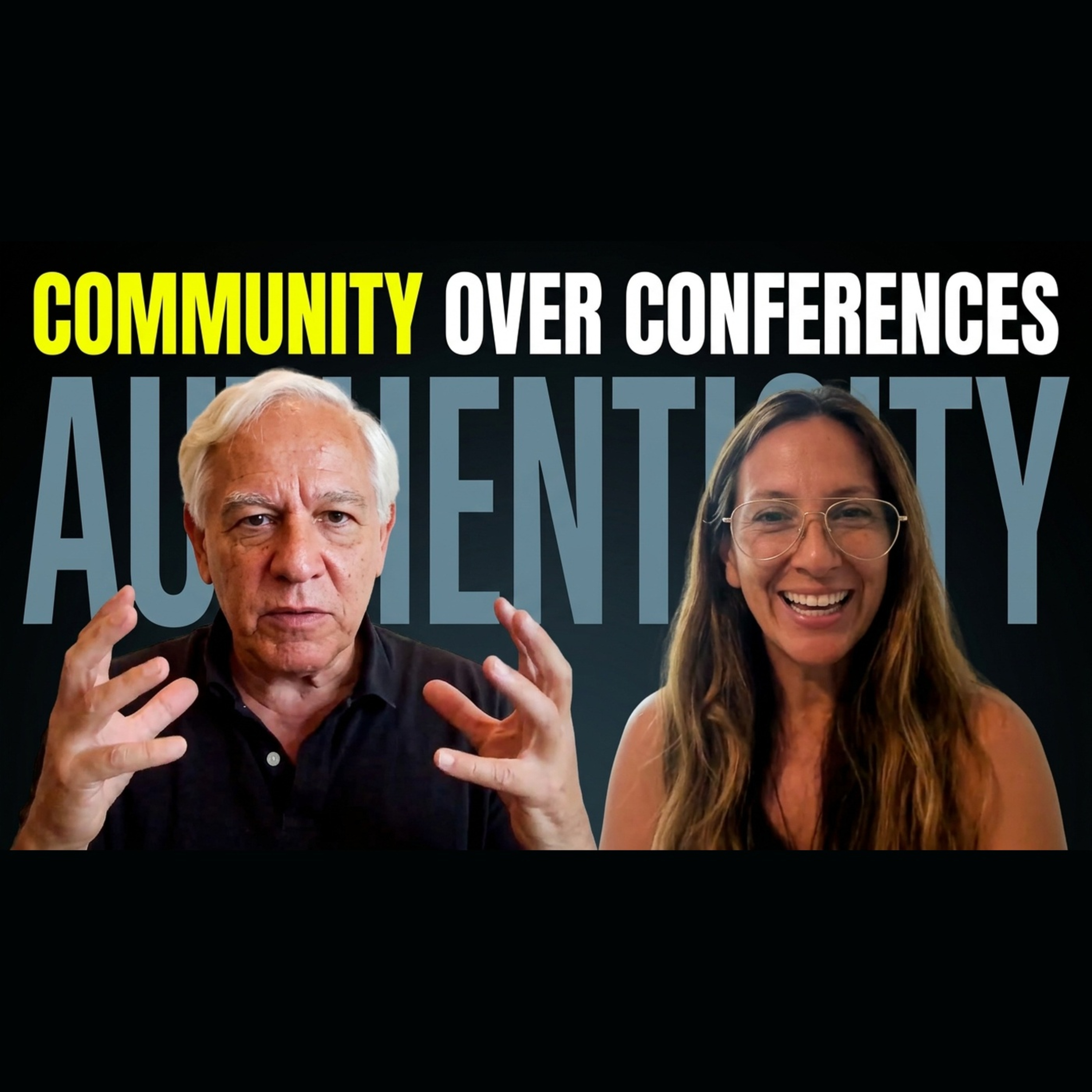
Why Intimate Family Office Dinners Outperform Large Financial Conferences

Curated, small-group gatherings are replacing the traditional large-scale conference circuit for family offices seeking high-quality deal flow and genuine partnership. By limiting attendance to a handful of peers and mandating that every guest actively participates, these intimate forums foster a level of trust and emotional transparency that is impossible to achieve in crowded convention halls or ballroom networking events.
Key Takeaways
- Small, structured gatherings reduce the "noise" of traditional industry conferences.
- Mandatory participation formats ensure that every guest is a contributor, not just a spectator.
- Intimate environments prioritize authentic curiosity over the standard, repetitive investment pitch.
- Deep trust built in small settings creates more resilient, long-term deal flow.
- Slowing down and prioritizing human connection actually enhances the speed of successful capital deployment.
The Problem With Traditional Networking
For decades, the family office sector has relied on massive, multi-day conferences to source deals and meet potential partners. While these events provide high volume, they often suffer from low signal-to-noise ratios. Participants move from one handshake to the next, exchanging business cards that rarely lead to meaningful action. The pressure to "pitch" creates an environment where guards are up and genuine information sharing is secondary to sales tactics.
As discussed in our recent deep dive, the most effective family offices are pivoting toward curated dinners and private roundtable discussions. These settings remove the performance aspect of networking. When you are in a room with only eight to twelve people, you cannot hide behind a facade of jargon or standard elevator pitches. The environment demands a level of honesty that is foundational to building high-stakes financial relationships.
Shifting from Pitching to Curiosity
In a large ballroom, everyone is looking for the next transaction. In a small, intimate dinner, the focus shifts to shared values and long-term vision. This is where authentic curiosity takes center stage. When you strip away the podiums and the tiered seating, you are left with human beings who need to solve complex problems—not just capital allocation, but succession planning, family governance, and impact strategy.
Designing the Perfect Gathering
How do you transition from networking to true community building? It requires a different architectural approach to hosting. Dawn Mari La Monica emphasizes the importance of design in creating spaces where deep conversations happen naturally. This involves more than just a good venue; it involves intentional facilitation.
- Limit the size: Keeping the group under fifteen ensures that every individual can be heard without the conversation fracturing into small, unproductive sub-groups.
- Curate the guest list: Synergy matters more than industry parity. Bringing together diverse viewpoints—an investor, a next-gen leader, and a subject matter expert—creates a richer dialogue.
- Mandate participation: The most effective dinners use a format where every person is expected to speak, share a challenge, or offer a perspective. This prevents the loudest voices from dominating the room.
- Eliminate the pitch: By setting the expectation that the dinner is for relationship-building rather than deal-closing, you allow attendees to let their guard down.
The ROI of Slowing Down
In a fast-paced market, it may seem counterintuitive to spend a three-hour dinner talking about philosophy, family dynamics, or wellness rather than current market trends. However, this is precisely where the competitive advantage lies. Investors who build deep, trust-based relationships via small gatherings are often the first to see off-market opportunities. Trust is the lubricant of capital markets; without it, deals die in due diligence.
When you know the person on the other side of the table—their values, their stress points, and their long-term objectives—your decision-making process becomes significantly more efficient. You are no longer vetting a stranger; you are partnering with an ally. This realization is pushing the most sophisticated family offices to trade massive, anonymous events for the quiet, deliberate intimacy of curated, private connections.
Conclusion
The era of the "mega-conference" as a primary deal-sourcing tool is sunsetting. To thrive in the modern landscape, family offices must focus on the depth of their connections rather than the breadth of their contact lists. By curating smaller, more human-centric gatherings, investors can unlock the type of trust that leads to long-term success. For more insights on how to foster these environments and refine your approach to leadership and connection, Listen to the full episode. Join us as we explore how moving beyond the transactional can redefine your family office strategy.
Frequently Asked Questions
Why are large conferences becoming less effective?
Large conferences often focus on volume over quality, creating a transactional environment where "pitching" takes priority over trust-building, making it difficult to form deep, lasting partnerships.
How does small-group hosting change deal flow?
By building trust through intimate conversation, family offices gain access to off-market opportunities that only emerge when partners truly understand one another’s values and risk tolerance.
What is the ideal size for a family office dinner?
An ideal group size is typically between 8 and 12 people. This is small enough to ensure everyone has a voice but large enough to provide a diversity of perspectives and expertise.
How do you prevent the loudest person from dominating a dinner?
The host should employ a structured format that invites every participant to speak, perhaps by introducing a specific, non-transactional question or theme for the evening that requires individual input.

Beyond Tech: How Non-Software Businesses Can Claim Hidden R&D Tax Credits