Apple Podcasts
 Spotify
 YouTube
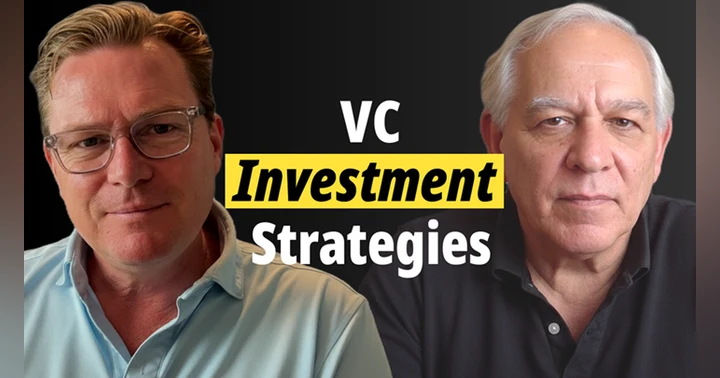
 Venture Capital Investment Strategy & Deal Flow with Andrew Romans
In this episode of Arthur’s Round Table, venture capitalist Andrew Romans shares deep insights into venture capital investment strategy, deal flow, and how top funds generate returns. From early-stage investing and portfolio construction to secondaries and SPVs, this conversation breaks down how capital is deployed, managed, and optimized in today’s venture ecosystem.
In this episode, Arthur Bavelas interviews Andrew Romans about investment strategies, AI integration, secondary markets, and innovative fund structures. They explore how to navigate the complexities of venture capital, secondary sales, and the impact of AI on investing.
Chapters
00:00 Introduction and Investment Insights
02:45 The Impact of AI on Venture Capital
05:31 Navigating Late-Stage Investments
08:23 The Role of Military Applications in Tech
11:06 The Future of Payment Systems
14:01 The Evolution of VC Strategies
19:41 Understanding Returns in Venture Capital
26:35 Emerging Managers and Fundraising Challenges
28:17 Final Close Arbitrage: A Unique Investment Strategy
30:44 Understanding Fund Performance and Returns
32:41 Cherry-Picking Deals: The Art of Selective Investment
34:03 Creating SPVs for High-Growth Opportunities
34:47 Navigating Shareholder Permissions and Rights
37:30 The Complexity of Selling Shares and Valuation
39:24 Utilizing Special Purpose Vehicles (SPVs) Effectively
42:59 The Dynamics of Pricing and Selling Shares
50:26 The Importance of Reputation in Investment Transactions
key topics
Investment rights and legal considerations
AI's impact on venture capital
Secondary market strategies and SPVs
Fund of funds and final close arbitrage
Navigating cap table transfers and ROFRs
Titles
Unlocking Venture Success: Strategies from Andrew Romans
AI and Venture Capital: Navigating the Future
sound bites
"AI can give a 90% start on documents."
"Cherry-pick the best deals early."
"Inventory sourcing is often messy."
resources
Arthur's Round Table Podcast - https://example.com/podcast
Andrew Romans on Twitter - https://twitter.com/andrewromans
Family Office Insights Community - https://familyofficeinsights.com
guest links
Twitter - https://twitter.com/andrewromans
LinkedIn - https://linkedin.com/in/andrewromans
keywords
Venture Capital, AI, Secondary Markets, Fund Strategies, Investment, Tech Startups, Fund of Funds, SPVs, Exit Strategies, Investment Banking
Want to learn more about Family Office Insights? Click Here.
Arthur Andrew Bavelas (00:01.716)
Welcome everybody to another episode of Arthur's Round Table. Super grateful to the Family Office Insights community for viewing and sharing and socializing this with people that you know. We really experience an increase in people actually watching these and listening to these. And so I hope you enjoy them and thank you. We're super grateful. Andrew and I known each other for, I don't know, a couple of years now, maybe even longer.
sat down for a cocktail in Austin maybe a year and a half ago and really skilled VC and good guy. So I'm really grateful. Andrew, thanks for joining us today.
Andrew Romans (00:44.707)
Arthur, thanks for having me. It's great to be back here.
Arthur Andrew Bavelas (00:46.814)
Yeah. And so we did an episode before really looking forward to catching up, but I have to share something with everybody that I learned from you, which is many people might know, but I didn't know at the time. One of the things that you, we, in, our many conversations that we talked about is that when you invest in a company, don't forget to put into the documents that you need the right to information post whatever.
happens, whether it's them crashing and burning, succeeding, they've given your money back if it was a note, and putting into the documents that you have the right to get the information so you can reconcile whatever is happening next with your investment, which was really good advice.
Andrew Romans (01:34.796)
Yeah, mean, the information rights typically are granted to the VC in these legal docs, all kinds of rights and privileges and information rights is one. I came up with, which I mentioned in one of my books, which I thought was counterintuitive, but can be life changing financially, is for the founder to negotiate information rights.
You know, you've got Arthur investing in the startup and you're getting information rights and you you realize that's not dumb, but the founder thinks I am the source of information. Why would I need to codify legally that I have information rights and access to the financials and an update of the company and it can inspect the books? Because one day you as the founder might've decided to move on or you might've been, you know, Steve Jobs, you know,
Arthur Andrew Bavelas (02:28.594)
or get out now.
Andrew Romans (02:32.504)
People talk about Apple in between jobs. Like, you he was kicked out, did next, probably had no information rights. And if he wanted to sell shares in Apple and people didn't know have access to the, cause it was privately held if it were, that would have been life saving for him to sell some of his Apple stock and fund next. So that's the thing. It's counterintuitive to think I need to negotiate information rights when I'm the damn founder.
Arthur Andrew Bavelas (02:37.652)
Yes.
Arthur Andrew Bavelas (03:00.756)
Yeah, totally makes sense. Super smart. Anyway, I wanted to just mention that because it's one of the tidbits. And of course, I've read your book. I'm super grateful for it and enjoyed learning from it. But let's talk about what's going on with VC, AI, how that all integrates. You've done a bunch of trips over the past year.
socializing what you're doing and bringing some of the companies that you've invested into those events. Let's update everybody about that.
Andrew Romans (03:34.393)
Yeah, I think people are probably getting fatigued about hearing about AI, but you know, I was saying to you offline right before we started recording this, that one of the things I have to tell everybody around me, including myself, is stop what you're doing. And can I be doing this on cloud or open AI or whatever AI that we have running inside of this company or in my life? And so, you know, you just keep forgetting. Like somebody asked me to make a graph.
visualizing what kind of returns and how long it takes or something. And I was like, dude, you take all this, upload it yourself and stop telling people to do something like that. You should be using AI and make a cage match of Anthropics, Claude fighting, know, Sam's open AI, Chachi BT and see which one, you know, you're happier with. But I would say since the last time we spoke, I decided, all right, I think I'd be stupid.
to not put some of our venture fund for money into OpenAI, XAI, and Anthropic. And now XAI is merging with SpaceX. And normally my perspective is we're the early VC guys. when an exit happens, when the company gets sold our IPOs, there's usually a piece of paper that I always request if they don't give it out.
I said, I wanna see what multiple the pre-seed investor made, pre-seed two, pre-seed four, whatever it is, series A, series B, series C, series D. And I love seeing it. And what's always clear is that, it doesn't show how much money the pre-seed got lost on the companies that went to zero, but it says like, hey man, we made a 58X on that. So a million dollars in.
Arthur Andrew Bavelas (05:23.485)
Right.
Andrew Romans (05:33.391)
$58 million back. Woohoo, that's great. The guy ahead of us made like 158X. Wow, good for him. And he just wishes he'd written a bigger check, but he's probably got 200 others that went to zero. That's dragging that down. And then you see like the final guys that you think of as the biggest name in VC, they made like 1.02X. And if you figure in that they had a 2 % management fee times 10 years,
Arthur Andrew Bavelas (05:48.329)
Right.
Andrew Romans (06:03.384)
They lost money. They lost money on that. Now they wrote a check for 150 million at some crazy Decacorn valuation. And they're getting management fee on that. And they're not short of cash. They're making a lot of money, but they lost money for their fund on that. And so I've always kind of been like the Delta between entry point and exit point should be big enough that we're able to really outperform the market. And there should be a premium.
Arthur Andrew Bavelas (06:04.671)
Yeah.
Arthur Andrew Bavelas (06:16.191)
Right.
Andrew Romans (06:32.814)
for being somewhat illiquid in a venture capital fund. And so if I'm just delivering 1.2X as a monster fund, I'm losing money to inflation. So people are always saying to me, Andrew, I've got some SpaceX, some Anthropic, some OpenAI, do you wanna buy some of that personally or from your fund? And I've stayed away from it. And then all of sudden I said, if I've got direct access to buy some SpaceX, some OpenAI, some Anthropic,
Arthur Andrew Bavelas (06:35.391)
Yeah.
Andrew Romans (07:02.008)
some replet and some of these mega names that maybe not everyone's heard of. I think my LPs would not hate me if I managed to get them into a spread of all four five of those. If I've got access to Anderil, I mean, we've been the seed investors and guys that were the first employees of Anderil. If we're like the only guys with access to that, maybe I should get a little bit of my fund money into that. And so we started talking more and more to
VC is about discreetly selling us some of this without any negative signals, instructing us so that we don't get roe-fed and there's no transfer permission getting blocked on transferring the stock.
Arthur Andrew Bavelas (07:43.657)
from the company that would take you know Palmer Lucky's just lucky he's smart it's just unbelievable what he's done he's moving so fast right
Andrew Romans (07:54.585)
Yeah, yeah, I mean, he's taken everything from his past experience and rolling it all into it. mean, I remember in the beginning of my career, you know, saying, are people willing to work in military? You know, know, applications, my very first job out of undergrad was I was a UNIX headhunter. And so we had like all these keywords. And one is yes, you know,
thumbs up, thumbs down and doing anything that's got a military application to it. And it must've been like 4 % of software engineers were willing to do it. And that's just the engineers, you know? And if you talk to the VCs, the VCs typically said, do I want to give myself a financial incentive for the world to go to war and for our country to go to war? And people kind of said like,
Arthur Andrew Bavelas (08:33.033)
Is that right? Really low. Yeah.
Andrew Romans (08:52.12)
I just don't want to wake up, wake up in the morning and be like, you know, Bert, you know, Hallie Burton, you know, you know, Dick Cheney being like, let's go to war because I get, I got a clean 2 million for Tomahawk. Yeah. But on the other hand, you think I've paid a lot of money in taxes. I don't dodge any taxes. pay all my taxes.
Arthur Andrew Bavelas (09:04.317)
I get a bump. Yeah. Yeah, right.
Arthur Andrew Bavelas (09:15.199)
You're financing the Department of War.
Andrew Romans (09:17.582)
And do I want our aircraft carrier to all get sunk by a bunch of Chinese subs in the first three minutes of an outbreak? And it looks like Pearl Harbor, everything's in the bottom of ocean. Or do I want Palmer Lucky to have completely reinvented underwater warfare and he's got all these baby drones and these baby subs and they're all flying around and they can flick a switch if we're losing.
put it on auto, know, AI kill mode. I it's, I'm actually less worried about our aircraft carriers all getting sunk in the first five minutes.
Arthur Andrew Bavelas (09:59.934)
I think it's fundamentally the defense of the nation, like we want to be safe. And the other thing that Palmer does, they just started a de novo bank. You know, we're big fans of Mercury, which you're probably aware of. and, mean, they're, they're just killing it. And so the marketplace is ripe for sucking up the vacuum from Silicon Valley bank, right?
Andrew Romans (10:13.304)
Sure, of course,
Andrew Romans (10:27.822)
Yeah, yeah, no, I think it's true. mean, everybody had it. SVB was 55 % market share and then it was SVB guys that shut off that did First Republic. And then the guys who were at Square One and Signature and all those guys, everyone can be traced back to having had the white gloves where you get a limo in front of your house on your wife's birthday as your bank. then when the run of the bank happened and we're all kind of had to put money in big four banks.
for a short period of time, even like the JP Morgan guys are, I mean, I don't want to say anything bad about anybody, but it was a very shocking experience to go from the SVB or excess SVB guys to anything else. But all that stuff should change. I like, I can't believe, mean, VC is about timing and I'm sure wrong about a lot of timing. I've been saying for like a very long time that
Arthur Andrew Bavelas (10:58.845)
video.
Arthur Andrew Bavelas (11:11.935)
Yeah. Great.
Andrew Romans (11:26.966)
I can't believe Visa, MasterCard and Amex are taking a tax on so much of all the purchases that are going on. And it is so solvable that even the idea that the merchant has to wait to see the money clear into their account, should all be instantaneously crypto. So, you know, I'm wrong repeatedly, but I can't believe that didn't happen.
Arthur Andrew Bavelas (11:44.489)
For their money? For money. Yeah, it's crazy.
Andrew Romans (11:55.182)
the week after Bitcoin came out, you know.
Arthur Andrew Bavelas (11:57.313)
Yeah, I don't know that much about it, but Ripple's been trying to solve the Swift problem and maybe got the whole international. We actually don't suffer in the US like other countries suffer about transferring money, so the pain points aren't that big with us. All right, so they clip a few cents. At least we know the money is going to get there, right? And that's why crypto has become so.
popular in other parts of the world is because they can trade outside of the system and it's more or less instant instant, but we'll see what happens.
Andrew Romans (12:34.474)
Yeah, it's always been the case. mean, somebody who's got like their money, Americans that are all dollarized just don't care. Whereas if you've lived through hyperinflation in Argentina three times and you're under 50, you're like, hey man, this makes a lot of sense to me. These stable coins are changing my life and you know, and then people that move money around. So international people also like West Coast.
Arthur Andrew Bavelas (12:52.448)
Makes a lot of sense, yeah.
Andrew Romans (13:03.394)
VCs didn't really understand the economy in my opinion. Like, like Greg Kidd, you mentioned Ripple, Greg Kidd tried getting me into Ripple to invest in it when he just joined his employee number 13. And that's one of my great regrets, obviously, that I didn't, you know, you know, do that. But he was working at like the Fed, you know, he understands like the economy better than your average Sand Hill road.
you know, VC, but I would say where we normally stay away from that late stage type stuff, we're at a moment in history that we're so excited about the growth potential of SpaceX merged with XAI, with Anthropic, with OpenAI, with Andro, with Replit and all these life changing, we're investing in all of them now.
Arthur Andrew Bavelas (14:00.117)
That's so great. Do you see open claw staying because it's open source? Like, how do you monetize that besides using it? You probably can't.
Andrew Romans (14:12.558)
Well, think that that's kind of part of accelerating the lowering of costs and dealing with, you know, walled gardens of information. I have an uncle who he's in his seventies and he's still practicing law, quite healthy. And he was saying, we're not as a policy using AI because we don't want to give them all of our docs. And I was like,
You know, I call him uncle, not son, but it was like, Hey son, I think that the cat's out of the bag. If if you, if you just say what you want, like as dumb as the way your client would ask for it, it's going to give you something much better than you're even giving your client. Yeah. So, and some of those it's like,
Arthur Andrew Bavelas (14:46.144)
Yeah, a little bit.
Arthur Andrew Bavelas (15:03.136)
At least it gives you a 90 % start on something that then can be crafted, know, be asyncratic to the issue that you're trying to solve document wise. yeah, no, is. for sure. Yeah.
Andrew Romans (15:17.294)
Yeah, well there's still some strange mistakes. I'm spending a lot of, it's still kind of bizarre like you say like, all right, I've added section 14. Do I have to tell you that section other existing 14 is now 15 and so on and so on? And it does it and then you're like, why is the formatting so bad? And like, maybe we should hire that associate back to do this for me.
Arthur Andrew Bavelas (15:32.351)
All right.
Arthur Andrew Bavelas (15:42.997)
Yeah, I listen. You still need the value. think going forward is the person who can prompt properly and then edit properly, right? And let the new shot happen. Through the because the LLM is basically the next best thing, right? It's like autocorrect, right? It's doing a bunch of the next best thing and so.
Andrew Romans (15:55.424)
It's true. True.
Arthur Andrew Bavelas (16:10.086)
at some point and it's been the hallucinating is getting better I think don't you?
Andrew Romans (16:14.658)
Well, yeah, I'm almost shocked. I'm almost shocked that I'm seeing the mistakes that I'm seeing when everything else is just so mind blowing. Right. But I think that it's exciting to think of it getting just cheaper and cheaper and cheaper and better and faster. What one thing that's interesting is that we're doing an SPV and I can't say who they are, but the revenues went from like 2.
Arthur Andrew Bavelas (16:24.032)
Yeah. Yeah.
Andrew Romans (16:45.166)
2.8 million in the beginning of 2024 to 275 million by the end of last year. And then between January 1st at 275 million, know, run rate annual, it went from December 31st to yesterday, March 4th, it went to 400 million, you know?
Arthur Andrew Bavelas (16:53.504)
Crazy.
Arthur Andrew Bavelas (17:00.82)
Number.
Andrew Romans (17:15.03)
Other people were like, yeah, but what's to stop Anthropic and OpenAI with their funding and resources from, you know, destroying that company and cannibalizing it. And, you know, you could think if they wanted to point all their cannons at this company, they could blow it out of the water and sink it to the bottom of the ocean. And, and it occurred to me that, when, when we started investing,
in startups that were running on the closed source, open AIs and anthropics of the world. We were worried, like, what if they raised the price on you? like, like you are, you know, like, like your motor runs on gasoline and you're only getting it from them. What if they cut you off? And they started saying, well, we've already successfully moved across these multiple different
Arthur Andrew Bavelas (17:56.757)
Right.
Arthur Andrew Bavelas (18:03.848)
Yeah.
Andrew Romans (18:14.264)
paid for LLMs and we didn't have any interruption whatsoever to our product. It's like, are you a rapper on top of that? And so there was a period when we were scratching our heads of saying, should I be funding this company? Because the rug could be pulled out. you know, I know a guy who his business completely rocketed on top of Facebook and then Zuck just pulled the rug out, unplugged him. He was backed up by like Sequoia.
And his company went to zero. And so like, you don't want that to happen to you. But then they started saying, well, actually we're, we built our whole thing on open source. And so there's no rug that could ever get pulled out. And if we wanted to, we could float between them. But so, then we started saying, okay, I'm ready to take a chance and a risk and we're diversified. So if it, if I turn out to be wrong, I'm diversified anyway.
Arthur Andrew Bavelas (18:44.702)
Yeah. Yeah.
Andrew Romans (19:11.552)
And what did we see? saw faster revenue growth than we've ever seen. Like hockey stick promise that never happens was happening. Like the revenue growth we're just talking about. You know, and then and then I realized on the late stage SPVs where people are like, yeah, but I'm worried that anthropic could just go after this, that it reminded me of when like people were saying
Arthur Andrew Bavelas (19:20.906)
Yeah.
Andrew Romans (19:39.789)
Why should I invest in Cisco who only has 8,500 engineers in California when Bell Laboratories has 96,000 engineers in New Jersey? And they're just like, you know, why, why would a smaller team in California be able to beat a Galo- you know, how could David beat Goliath? And it's just sort of like the VC and the founder.
We've been off in our corner for so long that I forget that the rest of the civilians have this mindset of like, why would you ever put money into Cisco when clearly AT &T Bell Labs has the advantage here that there's that many, you know, Persians against that many Greeks. It's a suicide mission.
Arthur Andrew Bavelas (20:28.7)
Is there is it because they it's too small of a problem I mean they could pull the plug but like Yeah
Andrew Romans (20:34.158)
Well, think, I think what founders and entrepreneurs have learned in the technology space over like 50, 60 years is that a small team of highly motivated, dedicated people with some crazy leader like Steve Jobs can get more done than IBM or, you know, big blue and all the big guys. And then the big guys take their clip on tie off at 4.59 PM and go home.
where these guys are all together on Market Street on Saturday and Sunday, right? And it just, and a medical device could be made with a small team and a little bit of funding and then reinvent an industry and then have two copycats and then Johnson and Johnson and, know, saying, shoot, they go buy them for billions to then become player number three in a sleepy market. So sort of interesting to see it at
Arthur Andrew Bavelas (21:22.794)
Just buys them out. Yeah.
Andrew Romans (21:32.91)
at the level that we're at, that everyone's afraid of backing anyone that was on top of it, the LLMs and the agentic stuff. And then, and then it got to open source. And then now people are even afraid of can Sam Altman eat the world with 110 billion financing?
Arthur Andrew Bavelas (21:52.383)
Yeah. And no profit for five years. Yeah, it's crazy. do you make of, let's talk about the VC business for a second, cause I also want to touch on what Dorsey did and see what you think about that. you know, traditionally, and I'm going to get the numbers wrong, but it's like the VCs invest early flush 90 % or more. The balance funds the whole project and everybody's happy.
Is that formula changed? So you invest in 100 companies, flush 90 of them, the last 10 % builds the ROI for the fund.
Andrew Romans (22:24.361)
Say that again.
Andrew Romans (22:35.808)
I I mean, so what people tend to say is that 90 % of the returns come from 10 % of your investments, right? Well, it's okay. It depends on the sector. If you forget drug discovery, like biotech, and you forget med tech, where there's clinical trials and FDA kind of, where you have to jump up and down on a landmine multiple times.
Arthur Andrew Bavelas (22:45.374)
That's better, yes.
Andrew Romans (23:05.142)
of total risk of binary failure. you look at investing in general software tech, AI companies, if you're investing in pre-revenue companies, you're getting in at a much lower valuation. And so your little check is buying a much bigger percentage of the company. And theoretically, the total failure rate is much higher. So like Ron Conway, SV Angel,
the original Dave McClure at 500 startups, they might have like a 70 % logo death rate, but they maybe invest like an entry point, like a $1 million check into 25 companies. And then like two thirds go to zero. And then they put in $5 million checks into the surviving winners. And then they put like,
Arthur Andrew Bavelas (24:00.82)
Right.
Andrew Romans (24:03.374)
10 or 15 % of the fund into their top three. And so the percentage of logo, the percentage of logos that fail might be two thirds. The percentage of capital that went to zero might be one third, you know? But, but, it depends what your strategy is. And so some guys are like, I just write a check, like Ron Conway would historically say, I write a check for 150 K.
Arthur Andrew Bavelas (24:18.782)
Yeah. Yeah.
Andrew Romans (24:32.46)
And I never follow on, never. If I did, it would just be too much of a negative signal and a mess. That's what I do. Now he secretly did a hundred million SPV and led and priced a 200 million round into Pinterest. So, I mean, you know, he managed to go after that winner and he did the same thing basically with Twitter. You know, when that was the biggest growth thing in history. But I think that
Arthur Andrew Bavelas (24:34.816)
Hmm.
Arthur Andrew Bavelas (24:56.81)
Yeah.
Andrew Romans (25:00.098)
You know, if you think of yourself of living the life of a VC and you you have a high failure rate, perhaps of, you know, one third death rate of your logos or two thirds death rate of your logos. And then finally you have an exit and that pays back the whole fun. So, so one exit paid back the whole fund. Then another one, you might be in it for $20 million and it sells for 50%.
of the cash that it raised. So you put 20 million into it, it's raised 100 million and it gets sold for 50 million. know, theoretically, if there's no carve out for the founders, 100 % of the exit consideration went to pay back the liquidation preference, 1X, and you got 50 cents on the dollar. If I'm already in carry and I get $10 million back,
My LPs may have already made 6X. they might, for every million bucks they put in, we've already wired them 6 million. The fact that I'm getting 10 million back on a Wednesday, I'm 50 % 50 cents in the dollar getting my money back doesn't sound like a great outcome. That's worth telling my wife, I'm like, hey, honey, we just, we're, I'm getting 20 % of that 10 million.
Arthur Andrew Bavelas (26:05.845)
Yeah.
Arthur Andrew Bavelas (26:18.57)
But it really is. Yeah, right.
Andrew Romans (26:27.264)
I'm not the only guy at my firm. There's a bunch of people that carve that up. But still, you're in carry, you're going to get 20 % of anything is the VC. And you're saying to the LPs, hey, you better re up in my next fund. Because you've made 6X and it's still this is the gift that keeps giving.
Arthur Andrew Bavelas (26:45.908)
Yeah. Yeah. So those lingering checks after you've paid off the fund are basically house money.
Andrew Romans (26:55.726)
It's very important actually. mean, like, you know, it's a great thing to be in a business where it's possible that a real ship can come in and you can make, you know, I was talking yesterday to a guy who invested in Anthropic at five billion with a good size check. And, their post money is 380 billion.
And there's not a lot of people willing to sell it. So, I mean, he's in a great position with that. So it's wonderful to make these hundred X's and all that. But making a 3.8 X on a bunch of hard work companies that you spend more time on working with them than just stay out of the way of the one that's, you know, just really crushing it, you know, that those are important, I think. I think it's important for everybody.
that you really focus on time and making careful decisions on getting something to a 3.8X and even a 2.5X, it's real money. It's their lives. We have a suicide rate of people that actually commit suicide. So I think all of this is incredibly to be treated with great gravity.
Arthur Andrew Bavelas (28:09.973)
Yep.
Arthur Andrew Bavelas (28:19.388)
Is there something that the audience should know about besides you, which is important, like the person calling the shots with your partners, that's different about your fund? 7BC.
Andrew Romans (28:36.024)
Yeah, think, you know, I think if you're an emerging manager and you're trying to raise LP capital, that's the money that you then invest in the startups. Unless your fund is already getting to a hundred million dollars, there's almost no institutional money that wants to talk to you. So you're raising money from like single family offices, some rich entrepreneur, you know, your old boss.
your old sales engineer that used to work for you. You you're raising money from just like one at a time and it's hard to scale. And the irony is that that's those smaller sub 250 million funds that are investing so at such a lower valuation compared to the exits that we get to these days, that those losses mean nothing compared to what they make on a couple of hits where they really were up there. Remember like the
the spreadsheet in the end that says the last guy in who's the most famous VC you heard of lost money on that, but he's not going hungry this Christmas. mean, trust me, he made a management fee on this like 150 million check. He took 20 % of that as a lock-in, you know, but, but, but I would say that, um, what's different with us is that we've launched a fund of funds to say we want to invest in your sub $250 million fund.
Arthur Andrew Bavelas (29:40.468)
Yeah.
Totally.
Andrew Romans (30:03.512)
that's completely ignored and orphaned by the institutional world. And so we invest in lots of little smaller VC funds. And because they need us so much, we only invest in their final close. So we call this final close arbitrage. So imagine you've been out there meeting every little family, office and friend in high net worth from Park City to Orange County.
and you've managed to get to 40 million and you're exhausted. And in fact, you said like final deadline is September 30th, but who are you to push Mr. Big or Mrs. Big? So you extend it to December 31st and then you're like, damn it, this guy can't meet me till January and you extend it. And so you thought you would only be raising for 18 months. These guys are often raising for 36 months. And then, and then by month 36, they're like, Hey,
Everyone's ready to re-up and fund three. I've got to stop taking money on March 31st. And I mean it this time. And I'm already closing 20 million on April 1st for the next fund. So what we do is we come in in the final close when they've already made like 15, 25 investments. And some of them might've gone down. Some are flat, but some of them are working and have raised much money at much higher valuations. So they might've funded a company at 10 million.
and then it raised at 300 and again at 600. And it looks like the next round is going to be 1.2 billion. We come in and say you raise 40 million. Here's 10 million. We're 20. That's the biggest check you've ever got. You can't say no to it and we get in at cost. So that first investor with 250 K or 1 million was $1.00. One unit on the day that we put in the 5 million, it's worth 10 million.
by fair market value. The number of shares, times of share price were up. So we call this final close arbitrage. And by going through every company that they funded, we know exactly what we're getting into. I don't care where you got your MBA. I don't care how many times you've been divorced. I'm buying into a portfolio that's already up 2X. And I can tell you if these are fundable to raise the next round.
Arthur Andrew Bavelas (32:25.514)
So it's not that your terms are different, it's your visibility is better.
Andrew Romans (32:31.662)
Well, almost nobody is willing to write a $10 million check into a sub 250 million, 150, 100 million fund where we know mathematically, and there's no debating the data, is that funds that are for the last 30 years, according to the Kaufman Foundation, that doesn't lie, any fund above 400 million has a 10 % chance of ever returning 2X. That means 90 % don't get to that.
Arthur Andrew Bavelas (33:00.54)
Yeah.
Andrew Romans (33:00.782)
Our funds are steady 7X, you know, over almost 20 years. And we know these little funds, some are not going to do great. But if we see us getting in at 2X at entry point, know, my, my, my, financial statement for my LPs show we bought this at, you know, $5 million, five million units. And an audited financial statement says it's worth 10 million. And hopefully it gets to 3X, 5X from here.
or better. But what's key about this for me is being able to say, went through your portfolio and honestly, there's only one that I'm really passionate about. I'm not going to invest in your fund, but either introduce me or I'm going to cold call that CEO and I'm going to pound my way in the front door or the back door and get money into that company. So we're cherry picking the very best deals out of the portfolios of early stage VCs.
before the big boys see them. And after we fund the guys that we do fund, we say, hey, what is your, how much of your fund have you exited and wired back to your LPs? They go, well, Andrew, it's only been 24, 36 months. That's not enough time for good M &A or even any IPO. And I'm like, all right, well, if we can return the whole fund one X, it'll be a walk in the park for you to raise fund three or fund four or fund five.
Arthur Andrew Bavelas (34:01.982)
Yeah.
Arthur Andrew Bavelas (34:28.862)
makes a huge difference.
Andrew Romans (34:29.742)
If Arthur and company put in a million bucks in your fund and you've only wired him 50k and you're asking him for another million, it'll be a whole different conversation. If you return him his whole million and you're telling him the fair market value of what you didn't sell on the secondary market is worth another two and we might even double. He's like, I'm liking this fund. So we say, what happens when my direct fund buys 10 % to 50 %?
of the preferred shares you own and the ones that are going up the fastest and the most. Let's get you to 1X so you can live to fight for another day. So the fund of funds... Yeah.
Arthur Andrew Bavelas (35:08.992)
That's really, really clever. Because basically what you've done is you put yourself into the winners, you've given them cash to give back to their LPs, they give them confidence to jump into the next fund. Am I getting it right?
Andrew Romans (35:21.176)
That's right. That's right. then then and then the latest thing that we're doing because we got excited by investing in SpaceX and OpenAI and Anthropic and Andro and Replet and these kind of guys. We've said, why don't we create SPVs and make them available to RLPs to put money on a deal by deal into companies that look like they could IPO this year or next year.
And they are growing. it's a generational thing to see companies that grow like these leading mega cap privately held companies.
Arthur Andrew Bavelas (36:03.36)
How do you source those shares without tripping all kinds of shareholder company issues, ropher stuff?
Andrew Romans (36:12.494)
Great question. there's and people are people that are financially literate on a lot of the economy are extremely financially illiterate on this. And they're actually shooting their brains out and causing self-inflicted wounds without realizing it. Like a lot of like a family office out of Singapore says, I want to be direct on the cap table. And I'm like, you want to be direct on the cap table of anthropic?
That means are you already on the cap table? And if they say no, I'm like, well, this is just not going to happen. You're going to spend a lot of time and the company has to give a permission. Like if you invest, if Arthur invests in my VC fund and you decide you want to sell it to your brother, I have to authorize and permission that sale. Now, if your brother's not part of ISIS in Al Qaeda, I'll be good with it, but it still has to happen.
And when you're a phenomenon like Facebook, Facebook didn't want to go public. They realized they were in violation of securities law that they had more than 500 shareholders. had thousands of shareholders, not just more than the 550 or whatever it was back then. It's expanded. The SEC expanded that. So number one is, can you get permission? Do you have written permission for the company to transfer stock certificate?
from this guy on the cap table to you. And unless you are some wizard with a magic wand that delivers Indonesia or something like Tomasak, you better be a sovereign wealth fund to get permission on that.
Arthur Andrew Bavelas (37:50.505)
not going to happen. Plus the totally. Yeah, it's just it doesn't. I've seen it in action. It doesn't happen. Everybody's talking secondary this secondary that it just doesn't happen.
Andrew Romans (38:02.894)
But you asked about rofers. So let's say that you are to Tumasek and it gets permissioned and they say we want the sovereign wealth fund of Southeast Asia, Singapore in this deal and that's good. Then everybody like me that has major investor rights and has a right of first refusal, a rofer, I have typically like it could be anything from 30 to 90 days to either exercise my right of first refusal.
and buy the shares at the same price and terms as this outsider, or I have to waive my right of first refusal, my rofer. And would you want to negotiate with a company whose revenue was 2.3 billion in the beginning of 2024, ended 25 at 275 million, and in the first two months of 26, they're at 400 million revenue? Do you want to wait for 30 days?
for all the insiders who by the way have multi-billion dollars of AUM to see if they can raise a special purpose vehicle to exercise their rofer. Because if you don't get roferred, then the seller is not gonna sell to you at that price anymore, because their revenue is popping. And if you do get roferred and most of these companies have a rofer price, so imagine Gordon Gekko.
Arthur Andrew Bavelas (39:22.078)
Right. Yeah.
Andrew Romans (39:30.038)
is the king of the insider traders who's on the board, who's been with the company since the beginning, decides to not row for you, that means that they think that's gonna IPO at a lower share price. So congratulations for being the only person with conviction to think MySpace was gonna beat Facebook.
Arthur Andrew Bavelas (39:37.024)
It's holding all the keys. Yeah.
Arthur Andrew Bavelas (39:45.248)
Hmm.
Arthur Andrew Bavelas (39:52.286)
Right, exactly. All right, so now tell us the secret. How are you pulling it off?
Andrew Romans (39:57.901)
Well, so there's direct to cap table where you need a permission for the company to move the stock certificate. Then there's, you know, the battle of not overpaying the ropher price or getting roferred. And then you're dealing with people that have bigger access to money probably than you do. And they have better information. It's like buying a used car. The seller knows if it was in an accident. You don't. And who knows if he's telling the truth, right? The thing to do is that you in a perfect world, a VC fund like mine,
We funded the company in a primary, so we are on the cap table. We own the preferred shares. Then we decide we're going to sell 10 % of this and 20 % of that to return all the money to my LPs so that it's a walk in the park to raise the next fund. I'm highly motivated to sell something early and I love to quote. I quote in my book that the quote before my &A chapter in my first book is I made most my money selling too early.
said JP Morgan. So I'm a big believer that there's a lot of wisdom in selling too early. And so we're highly motivated to sell something, but we don't want a negative signal that 7BC venture capital is selling right before the IPO. That could be material and go into the actual S1. And we're damaging. A lot of people are going to get very upset if they see us selling. So we typically would make a special purpose vehicle.
Arthur Andrew Bavelas (40:58.346)
Great.
Andrew Romans (41:25.314)
that's underneath the same fund structure and we sell the shares to the SPV, but because the stocks are...
Arthur Andrew Bavelas (41:34.302)
The SBB has new LPs in it.
Andrew Romans (41:37.271)
Yeah, and then a subset of the LPs in our fund have first crack at buying that. And so I actually say to my LPs, hey, Arthur, I just sold 10 % of our position in this mega cap company that we were in at nothing. Option one is I make a cash distribution to you and I'll remind you that I've returned the whole fund now. So I don't want spousal blocking on you re-upping in the next fund. And option two is you're like,
Arthur Andrew Bavelas (41:42.485)
Yeah.
Andrew Romans (42:06.678)
If the company's raising a hundred million round, they're going to double revenue in 12 months. They forex revenue in the last 12 months with very little money. If we drop a hundred million of funding, it's going to do more. Recycle me into the SPV with no fees. So that's, and there's no tax. So that's option two. Option three is I recycle you and you're saying I want to invest now that the huge crossover funds are in this. They're going to, they're going to invest in the IPO and hold it.
for doing nothing like hedge fund people. So I wanna recycle and I wanna put money into the SPV. Then a year later, the company is Forexed in value and you're thinking, I'll take my SPV money out, my principal money out and we make another SPV. So in the parlance of the secondary world today, people say direct to cap table and I'm either invested in the primary or I bought
Arthur Andrew Bavelas (42:52.18)
principal money out.
Andrew Romans (43:06.52)
preferred shares on the secondary market, permissioned and didn't get roferred, and you better make a case. Nobody rofer these people, we like them. The second thing is that your L1, layer one, special purpose vehicle, SPV, that gets distributed the shares when everything goes to common after the IPO, or when there's exit consideration. And so this is worth knowing. I don't think most people understand how layer one, layer two works.
that when there's an &A exit and it could be all cash, it could be a loan and interest and really complicated, when the exit consideration is paid to the shareholder, if they have a properly drafted legal agreement with the SPV, which they might be the sponsor operator of in an ideal world, that the exit consideration is paid from the fund that receives that money to the SPV.
Arthur Andrew Bavelas (44:04.469)
Yeah.
Andrew Romans (44:04.502)
and there's no Zuckerberg that can stop that from happening. Then if you had a layer two SPV, which could all be just 7BC, 7BC, 7BC, my fund, my firm, or it could be somebody else. You know, it could be Arthur's Roundtable SPV. You make an SPV because we're friends and we hang out and then you go and raise some money to buy out our layer two. So there could be three layers. The big question,
Arthur Andrew Bavelas (44:27.594)
Yeah.
Andrew Romans (44:33.72)
People, a civilian says, I don't want to be in layer three. I don't do layer three. I only do direct to cap table. I'm like, you're shooting yourself in the head, you moron.
Arthur Andrew Bavelas (44:39.966)
Yeah, good. Yeah, not only that, move on like if you don't get it. So here's here's another question, right? Super smart, by the way, I like it. How do you get to a price to sell the shares to your fund of the shares that you have of that, whatever it is to the SPV? Where do you get that valuation?
Andrew Romans (45:09.582)
Great question and a really clear answer. When we're selling to ourselves, we go with the share price of the financing. So if we put in, you know, money on a convertible note or pre or post money safe, and then it converts into series a preferred, we have a price per share, then we're probably not doing a secondary after that yet. We're up, but we're not up enough to be selling. And then
We're up a lot and we're saying it would be irresponsible to not try to 1x our fund with the selling a little slice of a few things here. And so the best thing to do is to sell our shares to the new big VC who's all hot and heavy to increase her ownership percentage. There's people with like 3 billion fund or they got like 80 billion and they've set aside 6 billion.
to cross over and buy into private markets. I mean, that's like bigger than NEA. They raised 6.8 and half of that was a CV continuity vehicle. Half was their seed fund of 3.8. This guy's got more than that just for privates. And it's a drop in the bucket compared to how he gets paid for just holding Microsoft stock.
Arthur Andrew Bavelas (46:26.398)
Yeah, I get it. And then is the
You've basically obfuscated the nonsense of trying to go direct. So the argument, you said, shooting yourself in the head to go direct, just not going to happen. You could burn up all kinds of calories, all kinds of legal issues, and you'll never get there.
Andrew Romans (46:47.33)
The thing to do there is that if you're a big enough check writer, try to get in on the primary. And one way of doing it is that we might've said, we've already got 15 % of our fund in our winter. Remember we talked about like logo loss versus percentage of the fund loss? That we might've hit by portfolio construction and spreadsheet, we feel stupid. We might've even stated in our operating agreement,
Arthur Andrew Bavelas (47:06.462)
Yes. Yeah, yeah.
Andrew Romans (47:17.038)
We will not put more than 15 % of your money into one asset. And then now I've got a pro rata to invest 50 million in the next primary. And I don't have the money and I haven't raised enough and I'm struggling to get that money up. say to friends of mine, does anybody want to invest in the primary? And so put money into an SPV and then I put the money right in the primary.
Arthur Andrew Bavelas (47:40.99)
Yeah, I guess.
Andrew Romans (47:46.063)
And now you're good. There might be a senior liquidation preference for the last round. Like, I have no idea, but I wouldn't be surprised if the 110 billion that's going into OpenAI gets paid out before anybody else, which only matters in a world of M &A and the only exit for that company is IPO. So that means nothing because everything will convert to common.
Arthur Andrew Bavelas (47:46.08)
Yeah. Yeah.
Arthur Andrew Bavelas (48:01.939)
Anybody else, yeah.
Arthur Andrew Bavelas (48:09.874)
is nothing. And then from the economics, and this is in the spirit that it's meant that, can you make money on the SPV, just your carry there? Is that enough money for you to make on the SPV?
Andrew Romans (48:26.776)
So people are doing this in different ways. And I'll tell you like what is happening is that some VCs will say I bought shares in Anthropic at 5 billion. And then I managed to raise an SPV to be in the primaries. And frankly, I'm investing at the share price that the board has agreed to issue stock to, you know, approved.
primary investors, right, to fund the company. But I'm going to use that stock price to sell some of my shares that I bought at five back then. So they're raising it 350 billion. He was in it five. He's going to sell, you know, he's going to sell some shares there, kind of like at that price. In that case, he's selling shares at a gain.
Arthur Andrew Bavelas (49:17.535)
Yeah.
Andrew Romans (49:22.734)
He's selling at either 350 or 380 billion, where his cost entry point was five. So you would think that this person would say, I'm happy with the gain I've made for my LPs. I'm making a distribution and I'm in carry. But you'd be shocked, these boys are greedy. And they actually say, Andrew, I'll sell it to you at 380 and I'm taking...
a 4 % fee if your SPV check comes in below 50 or a 7 % fee if it comes in below, we might negotiate that down to five. And I want a one-time access fee of four if it's above. So he's actually, as they say in New York, getting paid, coming and going there. But we might've been lucky.
Arthur Andrew Bavelas (50:15.802)
Yeah, I'll say. Wow.
Andrew Romans (50:20.878)
We might consider ourselves lucky to be getting that deal.
Arthur Andrew Bavelas (50:25.834)
It's like Stevie Cohen, you know, charging five and 40.
Cause he could, right?
Andrew Romans (50:35.31)
Right, right. and then you got what I call the broker cesspool. And that's like a daisy chain of somebody, you know, has an MBA from some school and he puts in the chat, does anybody know anybody? And then all of a sudden you're talking to people that they say, I have a...
Arthur Andrew Bavelas (50:51.513)
yeah, man, that.
Arthur Andrew Bavelas (50:55.264)
You never live long enough for that to happen. You never live long enough for that to happen.
Andrew Romans (50:58.573)
Say what?
Andrew Romans (51:02.38)
Well, you know, I remember I was actually trading secondaries under a BD back in like 2006, if you can believe it. And like at one point we had somebody calls me up and said, Hey, I see your friends with Brian Cohen. Cause you guys were on stage at some event. Could you ask? know he's the original angel investor in Pinterest and you guys look like you love each other. Could you get me? I have a buyer who wants to buy 200 million at Pinterest.
and we want to do a 50 million purchase first. And if that goes through like proof of life, like a Bitcoin trade, we'll immediately do another 150. So I call up Brian, we get it together. We have 200 million of Pinterest inventory to be sold. And then later that afternoon, I get an email from the same guy saying, I have 200 million of Pinterest and we want to sell 50 million first.
Arthur Andrew Bavelas (51:58.401)
Yeah, he never had the customer.
Andrew Romans (52:00.675)
And I was like, Hey, idiot. Like you're trying to sell me the dope. I'm your drug dealer. I'm your source. Where do think you buying this stuff? It's from me. And I was like, have a little bit of, you know, organization to not email me that. And so he was fishing for inventory when he had no buyer. And now he's going to run around saying, I got 200 million at Pinterest. I'm going places. And so
Arthur Andrew Bavelas (52:06.964)
Yeah.
Arthur Andrew Bavelas (52:16.873)
Yeah.
Arthur Andrew Bavelas (52:21.024)
and we had no time.
Arthur Andrew Bavelas (52:26.354)
Right? Yeah.
Andrew Romans (52:29.622)
A lot of times the buyer doesn't have it or someone tells them, how much Anthropic have you got? You're like 50 million. like, I'll take the whole thing. I got a buyer who wants 250 million. It's like, do you? you? Show me proof of funds. Crickets. You're never gonna get it. Cause he doesn't have proof of funds. And he knows a guy who knows a guy who knows a guy who's lying, who's fishing for inventory.
Arthur Andrew Bavelas (52:46.89)
Triple funds, that's all. Simple. Yeah. Yeah. Yeah.
Arthur Andrew Bavelas (52:56.724)
Yeah, yeah, exactly. Yeah.
Andrew Romans (52:59.342)
So it can get very, very messy. And I would say on the L1, L2, if the guy operating, not to pick on it, name a city in a country you don't wanna be in. the SPV layer is in Tehran, in Iran right now, am I really gonna get paid when the exit comes through? So the reputation of each SPV manager starts to become very important.
Arthur Andrew Bavelas (53:18.026)
Yeah,
Arthur Andrew Bavelas (53:29.12)
So I have a story that sort of smokes these things out. I had somebody come to me that owned a building in Brooklyn, constructed it, built it up, wanted to take some money off the table, said, you must have some family offices that want to take $10 million off the table for me. I said, yeah, I probably do. And I said, OK, so here's my agreement. And the agreement basically said, there's a fee for me bringing people to the table. If they trade.
You know, my fee is X. And if you don't pay me, the penalty is 3X. Yeah, was basically, if I have to sue you to pay me and I win, then you have to pay me 3X my fee. here's the reveal, Is when I sent that agreement to him, he said,
Andrew Romans (54:06.286)
Like a breakup fee.
Andrew Romans (54:15.618)
Yeah, getting paid is an important part of the puzzle in investment banking.
Arthur Andrew Bavelas (54:24.8)
Well, I don't want to pay 3X if I don't pay you. And I said, you just told me you're not going to pay me. So, yeah, it's just like, so that was the end of that. So listen, I got a hard stop and we can go on forever, but can we do this again soon? It's my fault that it's been so long for us to do this, but I think this has been a great conversation for me. think the audience will enjoy as well and always enjoy chatting with these smart things with you, of course.
Andrew Romans (54:30.678)
Yeah, that's a very interesting clause to test people out.
Andrew Romans (54:43.022)
Of course!
Andrew Romans (54:54.088)
Meet you Arthur, great to see you and I hope to see you very soon in person.
Arthur Andrew Bavelas (54:58.206)
Yeah, we're definitely going to get to Austin for sure. come to Park City. All right, everybody. Thanks for joining us. Take care.
Andrew Romans (55:01.92)
Okay. Yeah, I want to get out to see you. Okay. Bye for now. See you next time.
General Partner / Author / Professor
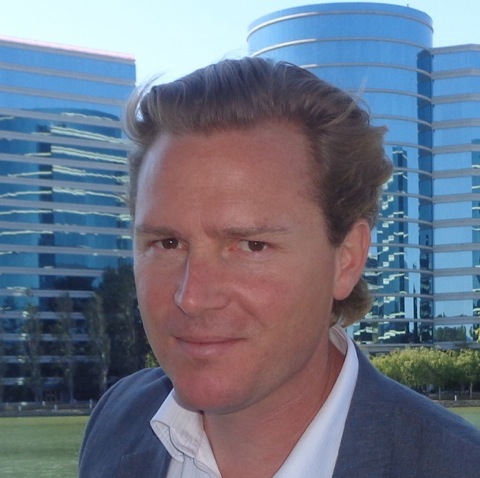
Andrew Romans is a successful, consistently top decile performing VC having completed over 100 VC investments, a VC-backed entrepreneur, 4x author, university professor, host of podcast Fireside with a VC, former tech VC and M&A investment banker, General Partner of 7BC Venture Capital and previously the founder and General Partner of Rubicon Venture Capital. His books have been published by McGraw Hill in English as well as major publishers in Chinese, Japanese, Italian, Russian, and Arabic. Romans also advises large corporations and governments on policies about Venture Capital and Corporate Venture Capital (CVC). Romans raised over $48m for tech startups he founded by the age of 28. During his career as an entrepreneur Romans founded numerous startups and raised hundreds of millions of dollars in VC funding and led startups to exits. Romans was also a Managing Partner at Georgetown Venture Partners (GVP), a venture capital focused boutique investment bank active the US, UK, Nordics, Europe, and Israel as well as Georgetown Angels, an active angel group with offices in Silicon Valley and New York City. Romans was a General Partner at The Founders Club, a venture capital equity exchange fund and advisor on secondaries. He was a Distinguished Professor of the Practice of Entrepreneurship & Venture Capital at Chapman University. In addition to teaching a class on VC & entrepreneurship at Chapman University one of California’s oldest universities, he has lectured on VC at Stanford, Harvard, UC Berkeley, Santa Clara University, UC San Diego, Georgetown Universi… Read More