



Intuition in investing and decision-making by developing full-spectrum perception.
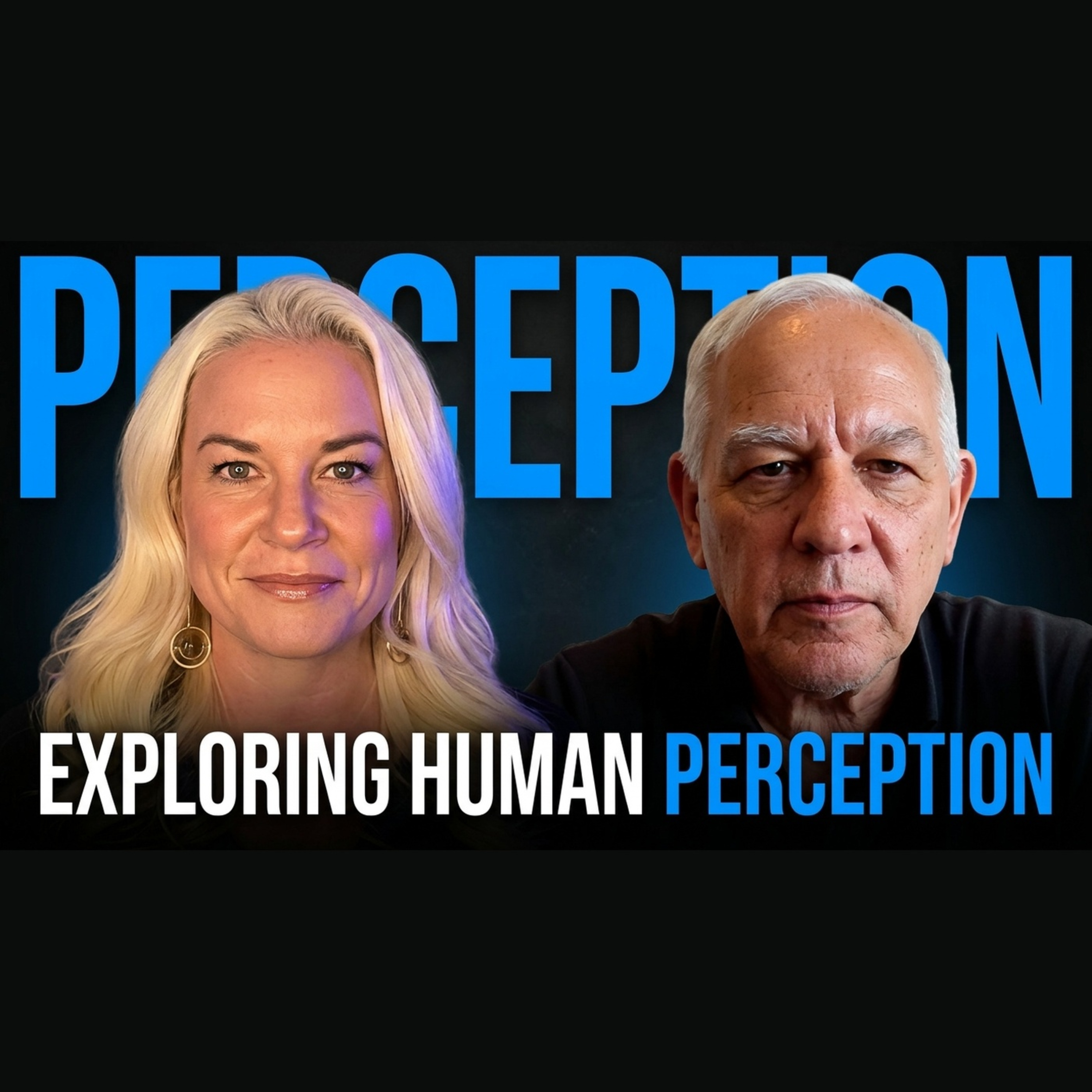
In this episode of Arthur’s Round Table, Kate Mulder explores how intuition and perception influence investing and decision making. She explains how investors and operators can develop a “full spectrum perception” to gain an edge beyond data, analytics, and traditional due diligence.



Unlocking the Power of Human Perception in Decision-Making. Discover how intuition and full-spectrum perception can give entrepreneurs, investors, and leaders a competitive edge. Kate Mulder shares practical insights and experiences on harnessing innate perceptual abilities to navigate complex environments, make faster decisions, and uncover hidden opportunities.
Top Insights:
1. Full Spectrum Perception is Innate and Trainable
o The idea:
Humans have an inherent, biological capacity to sense and perceive beyond logical analysis, akin to sonar or radio frequencies, which can be cultivated through practice.
o Why it matters:
Recognizing perception as a skill, not a mystical gift, empowers anyone to develop a sharper intuitive sense that enhances decision making across personal and professional domains.
o In practice:
Practicing specific exercises to identify your unique signals—whether tactile, auditory, or visual—can expand your awareness and improve your ability to sense opportunities and risks unseen by conventional analysis.
2. Neutrality Maximizes Perceptive Clarity
o The idea:
Achieving a neutral state—free from desire, bias, or stress—enhances perceptual accuracy, allowing more objective and comprehensive insights.
o Why it matters:
In environments of chaos or uncertainty, emotional biases distort perception. Cultivating neutrality helps access clearer signals and better aligns intuition with reality.
o In practice:
Practicing meditation or mindfulness to reach a calm, neutral baseline before making decisions can serve as a mental "helicopter" view, revealing the full landscape rather than narrow pathways.
3. Intuition is a Scientific, Evolutionary Superpower
o The idea:
Intuition is rooted in evolutionary biology—our ancient brain’s sensory capacity—acting as a biological antenna that, when harnessed, provides critical signals faster than analysis.
o Why it matters:
Viewing intuition through a scientific lens removes the mystical stigma, making it accessible and actionable, especially in high-stakes decision contexts.
o In practice:
Recognize and attribute red flags or opportunities to the body’s signals—such as a tight stomach or a copper taste—then systematically validate and refine these signals through repeated practice.
4. Building the Perceptive Muscle through Pattern Recognition
o The idea:
The ability to perceive intuitively improves with experience and pattern recognition—trusting signals that have historically served you—and is limited only by individual practice and awareness.
o Why it matters:
Everyone has the raw material for perceptive expertise; scaling and honing it can significantly elevate decision accuracy and strategic agility.
o In practice:
Start with small, non-urgent decisions; identify your unique perceptual signals; and track outcomes to refine your personal radar, eventually trusting it in high-stakes environments.
5. The Analytical Mind Limits, Perception Expands
o The idea:
Over-reliance on logical analysis constrains perception; expanding awareness into the full sensory and energetic spectrum provides richer, more actionable information.
o Why it matters:
Shifting from narrow analytical focus to a wider perceptual stance cuts through cognitive biases, enabling faster solutions and more innovative ideas.
o In practice:
Use visualization exercises to "leave the maze" mentally—getting above the problem—enabling you to see dead ends and hidden passages that are invisible from within the maze.
Resources & Links:
Want to learn more about Family Office Insights? Click Here.
Arthur Andrew Bavelas (00:01)
Hello, welcome everybody to another episode of Arthur's Roundtable. Super happy to have Kate Mulder with us here today. We have an interesting topic. I'll let her explain what we're going to talk about and give us a little bit of history. But really grateful for you to be here today, Kate. Thank you.
Kate Mulder (00:16)
Thank you. It's great to be here.
Arthur Andrew Bavelas (00:18)
So let's start at the beginning, that's OK with you.
Kate Mulder (00:22)
Sure. Very, no. Yeah. Yeah, exactly.
Arthur Andrew Bavelas (00:26)
Yeah, whatever you want. Just give everybody context, that's all. And like
I said, don't say anything you don't want to get published. How about that?
Kate Mulder (00:35)
Understood.
Well, the topic for today is talking about how the role of human perception in decision-making, advance investments, et cetera, and how I got really fascinated about this topic and this skill, which is, I truly believe, a natural human ability that we evolve to sense and perceive more than what our eyes can see and what our logical mind can perceive.
⁓ I have always been interested in the brain, the human brain. I studied biology and some neurobiology. My father was an education professor. I was heavily addicted to being the smartest girl in the room. I was really into studying, massing tons of information and getting perfect grades and all of that intellectual capacity was just an addiction of mine growing up, which wasn't a bad one to have. ⁓
And I was also interested in the intelligence and communication of bottled-nose dolphins and their brains and how those compare to humans. Yeah, super cool stuff. And it's an interesting metaphor that we'll probably get into on how humans are a bit more like dolphins than we perceive, which is super great. But I did do cognitive and intelligence research on how they communicate, how they use their sonar, how they see the world, how their intelligence is. ⁓ And so I had this interesting
Arthur Andrew Bavelas (01:40)
Super cool stuff, yeah.
Kate Mulder (02:01)
passion for the brain and the brain as it relates to biology and intelligence. I then actually went into the business world and to corporate sales and startups and things like that. And I was still very obsessed with kind of human performance, right? When you go in sales, you want to be the best, you want to be the top performer, all of that. And something happened around 2010. I technically lost my job.
And right before that, I had done my first three-day seminar in human performance, human behavior and performance, what really makes up who we are, why we do what we do, which is something I've always been fascinated about. And there was a specific data point in that where we learned about how we make decisions and what's the root of our behaviors. And there was a specific data point that fascinated me, which was that we get different levels of our mind and our brain.
And there's something about the conscious mind, which is the part that's like logical, analytical, the reason, the intellectual part of our mind. And I learned this data point that it's really a very small percentage of why we do what we do, why we behave the way we behave. And it only really processes 40 bits of information per second, right? And there are other parts of our brain and in our body that we evolved with that can process millions of bits of information per second. So I was...
fascinated at this from kind of my own career and business aspect on how it related to what I had just gone through, which was kind of a challenging time in a career where I felt like I wasn't performing as optically as I had before. But this data point around logic, intellect, small percentage of the brain, up to 5 % of our decisions, behaviors, our potentiality, and then these other aspects of our brain and body that were just so much broader.
for somebody like me, thought, wait a minute. So there's like millions of bits of information and data and more things I can amass. I was addicted to being. Yeah, was like, there's more information I can get to be the smartest person in the room. And it was really kind of an unhealthy thing growing up, but it was just what I love. So instead of kind of resisting it, I dove into it.
Arthur Andrew Bavelas (03:58)
You can harvest that, right?
Kate Mulder (04:13)
⁓ In that workshop, had experience of what it's like to get out of that limited part of your mind, of your brain, of just logic and reason and expand into other things and it was experiential. And after I got out of that, my kind of world got a little bit turned upside down. I was very interested then in the brain and human behavior, but certain things started happening to me because there was something that was ignited inside of me in this additional capacity.
to sense and perceive information. And I would start to get kind of nudges or thoughts in my head or ideas. And I realized that when I started to follow them, maybe go somewhere or call someone, wow, these interesting synchronicities would happen, right? There'd be something that was faster or more interesting or they had what I needed or I ran into somebody, you know, they hadn't seen in a long time. And so I started really exploring what is this that's happening when I...
When I look back now, I was expanding my perception, my intuition, my ability to sense and perceive what we can't just see with our eyes, take that information, apply it, act upon it, and something interesting can happen. And then what turned into the experience of that in a short period of time, I actually had my own, because I was in this ⁓ turning point in my career and I had some time on my hands and figure out what to do next and move to another job, there was something in part of this ability that wasn't logical, wasn't reason.
that I was getting these nudges or these ideas to technically it was super wild and audacious at first. It was something around helping to build the economy of South America. And I remember thinking and feeling that and thinking, I'm 33 years old, I'm working in startups. It sounds a little bit audacious to say, how do you go help build the economy of South America? But this ability to sense and perceive and get other information continued to kind of like intuitively hone. And it turned into
moving to a specific country in South America with a guidance to go help build an angel investing network and look at what's going on with seed capital and entrepreneurship. And it was very early stages in this emerging market. Nothing really was going on, but I could sense that it was happening. And there's, there's a long story in a book in this someday, but the net net is that I kind of got this, this perceptive information that guided me on this path. ended up leaving my whole life in the U S and saying, Hey, I'm going to go down.
and I'm going to go down to Peru and I'm going to go help build their angel investing network and I'm going to go help build seed capital. And everyone thought I was completely crazy. It wasn't logical. I had never been an entrepreneur before. I had never done business in Latin America. It's a very complicated market. I wasn't fluent in Spanish. I wasn't backed by a fund or a Boston consulting group. wasn't with any of these things. And I just...
had this ability to say, no, this is the next roadmap. This is the next step for me career wise. I went down and within two months I was hired by the American development bank to help improve the deal flow and investor relations and strategy for the first angel investing network. created the first intro regional ⁓ partnership between networks down there. had the first co-investment deal within two months. And then the other kind of a vision that I had that I wanted to complete was to also help.
⁓ teach entrepreneurial training to children in South America. So after my consultancy ended with the Angel Network, that happened and we launched that down there. And so when I came, when things that started to happen after a couple of years, when I came back, everyone was wondering, how the heck did this happen so fast? You know, you've never done this before. You've never done business in Latin America. I was working with family offices down there. You know, it's not an easy nut to crack.
⁓ There's a lot of, you know, it's a very, you know, isolated network. And there was this ability to have what I call full spectrum perception, which to be able to, when there's no roadmap to get the information about what to do next, who to trust, who to work with, new ideas, solutions. And so even though I technically didn't have a roadmap, I had a GPS step-by-step and a lot happened in a very short period of time. And...
people thought that was pretty interesting because it usually takes a lot longer to do things in the emerging market. And they said, well, how did you do that so fast? And I said, look, I I started getting out of my rational, logical mind and getting out of a different levels of data, awareness and perception. And I followed it and it wasn't perfect, but in a very complicated environment, it was able to navigate through. And so I think it's a really good, so then it,
That solidified my obsession. Then when I came back, like, how can you hone this? How can you aggregate the natural human ability to sense and perceive all of this information, apply it in business, apply it in emerging markets, and apply it in investment thesis, apply it in strategy, and all of these things. Say like, hey, there's a way to do it. It's not mystical. It's not some mystical thing. It's really just physics. And we have the ability to sense and perceive more. And we can use it to our advantage and put it in a very practical, tangible way.
for everything from a startup founder to an investor to a manager to say like, hey, I'm going to be able to take another layer of data so I have a full 360 degree perception of what's going on. But also, especially in times like now, where the water is a little murky and things are a little uncertain and in chaos and uncertain environments, it's just a phenomenal added layer of intelligence. So it's kind of a long story, but that's how it happened. Yeah.
Arthur Andrew Bavelas (09:49)
I don't know. That's good story. So ⁓
I don't know when there hasn't been chaos. Let's just say that. Right. And there's just times where it's more chaotic than others. But if you don't mind, Kate, some people would argue what you're talking about is ⁓ called multiple things, right? Intuition, the invisible hand, the force be with you, all that kind of stuff. ⁓
Kate Mulder (10:17)
Mm-hmm.
Arthur Andrew Bavelas (10:18)
And there's lots of people who have talked about this in the context. I don't want to call spirituality like Joseph Campbell calls it the invisible hand that people talk about having your radar on listening to your intuition. And you ⁓ mentioned, think, probably going to get this wrong, that people tend to think that women have more intuition than men and may or may not be true. ⁓ But I think it's like a muscle, right?
and you build that muscle. ⁓ One question I think people would appreciate knowing the answer to if you have it is that when you decided to do this, what to make that move and go down there and follow your intuition, let's just call it that because I don't have a better word for it. What gave you the confidence to do that?
Kate Mulder (11:07)
Mm-hmm.
The answer why gave the confidence to do that, there was such a strong knowing that it was almost like if I didn't do it, it would have been worse. And this is just staying back and not doing it was very constricting to me. ⁓ And I just, this is a layer of it, but to going back to the question about the spirituality and what is this really.
Arthur Andrew Bavelas (11:21)
⁓
Kate Mulder (11:40)
I'm really at the end of the day, there's the, evolved as human beings to have a sensory perception, right? When you, we live in a modern world, but we still have an ancient brain and we still have an ancient body. And the first thing you do when you walk into a room or a meeting or a call, your brain's still looking for that saber tooth tiger. Thousands of years ago, we were like hunters, right? And a hunter,
Arthur Andrew Bavelas (11:51)
No doubt.
Kate Mulder (12:09)
had to sense the terrain, had to understand where the prey is, where the safety is, what's going on, where's the food, where's the water, how do I bring it back? And going back to women, women used sensory perception to take care of the children and understand what they needed before they were sick and things like that. This is an evolutionary capacity. We didn't always have spreadsheets and we didn't always have data rooms and traffic lights in grocery stores. So for thousands of years, is...
a natural, evolutionary, biological capacity that the brain and the body is this antenna or like a sonar. So in the spiritual communities, they do call it intuition. I do talk a bit about intuition and intuition as part of perception. But what I had to then step back and say, like, look, what's happening here is just physics. Our brain and our body was naturally evolved to navigate and sense and perceive the terrain around us. And the better we did that,
Those were the ones who survived and we haven't changed that at all. So we're still naturally doing it. have just, so it's not mystical. doesn't have to technically be, it really is like the dolphin with the sonar, you know, that puts out a bunch of infirmities, know, puts out bunch of The water is murky, maybe their eyes can't see it, but then it bounces back.
Arthur Andrew Bavelas (13:10)
Right, yeah.
Frequency, yeah.
Kate Mulder (13:37)
there's a rock. There's our school of fish, right? We humans have a very similar capacity and it really is just the same way that you and I are talking on a video and you're in one state and I'm in another state and there's instant information and you know information being passed and put into a full picture. Our brains don't sit there and say that's spiritual. Like, no, we just understand there's, you know, there's
Arthur Andrew Bavelas (14:02)
Physics,
Kate Mulder (14:03)
There's physics happening right here when we turn
on the radio. So it's really just going back to, ⁓ okay, we have, it is a muscle. We have this natural capacity. It's just we, we, we evolved or we grew up in a society over the past couple hundred years that said, we're gonna, we're gonna worship the rational mind. We're gonna worship intellect, logic, reason, and analysis. And it's not that any of that is bad. It's just a small sliver of the pie.
And when we look to how we've been monitoring the electroactivity of our brain in our hearts since the 1800s, right? This isn't anything weird. It's just being able to say like, Hey, what's actually happening here? And, and is, is there a layer of information, you know, that, that's happening all the time. We're just shot off to a lot. So from the fit, from the science of it, you can go to spirituality. We can also just look at it just as traditional physics.
Arthur Andrew Bavelas (14:37)
true.
Kate Mulder (15:01)
And then also as it relates to then how do I know what I know and what's right for me even when it does seem a bit audacious? I mean, that's a very extreme example, but we're naturally always filtering those signals. And for me, there was something that was like, call it like one of the things I do with people when I teach this to people, I call it a red light, green light, right? At the end of the day, every decision that we make from what we eat to who we call, to who we hire, to who we work with, to what email to send at what time,
is ⁓ thousands of micro decisions of yes, no, stop, go, true, false. Zero. Yeah, true. Yeah. Good point. Actually. I never really, I never really thought of that. Right. And so that is the zero and the one in our body and our brain has evolved to pick up that for us, for our business, for our life, for our strategy.
Arthur Andrew Bavelas (15:39)
zero and
You're welcome. Yeah, no problem.
Kate Mulder (15:59)
Right? And so even if you are just ⁓ aware of how your body's picking up, was like another signal layer, you know, these hidden signals of how, of what is my red light stop, false, you know, don't or wait, red light can be wait or green light go. My green light was so strong. It was so strong. And there was so much data. Look, a lot happened that fell into place. And what I think is so interesting is when you use this and that's why I it full spectrum perception and not necessarily.
Intuition even though intuition is part of it because then you have to explain what is which it is and goes back, you know You know there you you get faster solutions more synchronicities, you know, and you start to see like ⁓ okay Something's happening here. There's a momentum of of yeses and things happening So so for me it was like this deep personal thing as well But there was also all of these things that led up to it That was a series of red light green lights and also ideas and information. Does that make sense?
Arthur Andrew Bavelas (16:30)
By itself,
Yeah, So some people, it's a little woo woo, but there are things like human design where it helps you decide, helps you analyze what type of person you are and it's an overgeneralization. And the outcome of some of that is it tends to...
Kate Mulder (16:59)
Yeah.
Arthur Andrew Bavelas (17:23)
validate, for example, it validated for me that I've been doing things on my gut feeling for my entire life and my human design suggests that I'm more apt to do that than some other human design. ⁓ Is the ability to harvest this information and take in those signals
and build that muscle the same for everybody or more people, aside from just being open to it, right? And suggesting that it makes sense. Are some people more apt to be able to build that muscle and take those signals than others?
Kate Mulder (18:06)
Yes and no. ⁓ From a true potentiality standpoint, the potential of this, there's no ceiling to the potential because in my perspective, it's a human trait, right? It's a human, it's part of evolutionary biology. We all have it humans going to your. So let me, but let me layer that.
Arthur Andrew Bavelas (18:25)
It's
original equipment. It's there, right?
Kate Mulder (18:27)
Yeah,
it's already there. it's like, just has, it's just been dormant. You know, it's just been dormant, a good hunter, a good gatherer, right? Like it's just been dormant. But to answer your question, if you are, and we'll go back to the gut thing, is actually a point I want to talk about. It's not always great to listen to your gut, but let me, I'll explain why. ⁓ If you have built up a pattern recognition of what you're calling, okay, a gut feeling, and you're seeing a case study of how it has served you.
Right? You're still building your own, you know, plus and minus P and L, red and black in your subconscious and your conscious, like parts of your brain. You're naturally building a pattern recognition that you're trusting and you're seeing there's something that it served me. So maybe I'm more predisposition to it, right? Because maybe I've trusted it and followed it more. I have worked with people who don't even believe in any of this. There was a guy once that I was...
Literally specifically in my own perception said go to this location, sit at this chair and move your 3 p.m. Meeting to four that day, which I did and because I ended up meeting somebody was a CRO and a tech company and he had been going through like he's like, he's like, well, what do you do? And I say, well, you know, I people use their perception intuition make better decisions. He said, look, I don't believe in any of this. I think it's all BS. I don't meditate. He's like, but I am drowning in an &A decision right now.
and I haven't been able to sleep for months, so I'm willing to try anything. Do you have some time to work together today?" And I said, well, when can you work together? He told me a time and I said, well, it's a good thing I got my own notion that morning to move my meeting later because then it opened up a slot for us to meet. Like even starting that morning, was move your 3 p.m. meeting to four, I did, and then met him. And I didn't give, all I did was what I like to do is walk people through.
Arthur Andrew Bavelas (20:05)
Right?
Kate Mulder (20:19)
exercises because this is experiential because they naturally have this ability. So I didn't say anything. I didn't ask anything. I walked him through very specific exercises as it related to this &A deal. And he was so natural. He was able to uncover certain red flags and risks about how the deal was constructed, kind of find a better strategy for some aspects of the investors.
He was able to look at it holistically and how it was affecting his family or the future of his family. And all I was doing was just being the trainer and the facilitator and guiding him through. He had never done anything. He had never even meditated in his life. Meditation does help with this, but it's not the only way to enhance your perception. And by the end of, it was literally by the end of the time, he looked at me and he said, I know exactly what to do.
The 5,000 pound gorilla is off my chest and I know exactly what to do and thank you. And I was just like, look, it was there. He was one of the most natural, he was so good at it, right? And so it's just a dormancy, you know? So are some people more conditioned to use it because somebody like yourself has maybe been a bit more in touch with it or, ⁓ you know, some of it has to do with how we...
kind of get at her ahead and into our feeling body and not our feelings, because our feelings can be wrong and distracting, but what we're sensing and perceiving, how we grew up with that, et cetera. So some people are more predisposition to it. Some people have never done it, but can be amazing at it. And then there's a lot of people in between that are, you know, because we haven't been taught it as a skill in society, in school. So we're kind of flying blind.
right, with the ability and the skill set. And we haven't often been put in a situation where, how am I receiving this? What is it specific to me? How do I hone it? How do I perfect it? How do I apply it to this, et cetera? So it is a range of everything to answer your question if that does.
Arthur Andrew Bavelas (22:31)
So in the example, while he was ⁓ inherently opposed to it or didn't buy into it from the beginning, I'm interested in knowing, did you know the details of the &A deal?
Kate Mulder (22:39)
Okay.
Arthur Andrew Bavelas (22:52)
And then you said you didn't say anything or ask anything, but you did, right? You just, you did.
Kate Mulder (22:56)
Well, I I walked him
through exercises to help him uncover. I mean, I knew enough, you know, you, an and A deal has specific categories, right? But I didn't take a big intake on who are you dealing with? What are they like, et cetera, et cetera, right? An and A deal has specific categories. So I was lead, I was, I was more like sherpa-ing him down certain lanes to like really understand one of the things I love about this are like, where are those red flags? Where are those unknowns, unknowns that I can't see?
Right? And when you practice some of this and you use exercises that get you out of like the logical part of the data room or the aspect of the deal, but you can use more sensory and metaphorical information, you can start to be, ⁓ here's a red flag with this thing. So I knew enough, I know enough about, you know, business and investments to go down specific categories, but I wasn't like fully abreast of everything that was going on.
there was just certain things like, okay, how do we, you what's going on with the investors? Where's the deal structure? Like what's clogged and why might it be clogged? Or like what's causing the stress and unpacking each of those? So I guess I'll just clarify that. But I wasn't, I didn't do some big intake privy to the deal.
Arthur Andrew Bavelas (24:04)
Yeah.
Yeah, super cool. Would you say that in his case, I think it's a good example to demonstrate what you're talking about, in his case was it kind of the can't see the forest for the trees as well as not being willing to be open to the construct that he was opposed to?
Kate Mulder (24:12)
Yeah.
⁓ you're asking like, I'm sorry, clarify.
Arthur Andrew Bavelas (24:44)
Yeah, was he just
so involved in the deal that he couldn't see these things? And he just needed, he needed a catalyst to open up not only his view intellectually of it, but open up the vibrations that he wasn't taking in.
Kate Mulder (24:52)
Harsh.
Partially, yeah, because what happens when we start to overthink, right? We narrow our perception. When we're in stress, we're in chaos, when we overthink, and again, the analytical part of the mind is about 5 % of the full capacity. What I like to explain when we use what I call full spectrum perception, right? The ability to sense and perceive what we don't see with our eyes, right? Just because we don't see the gamma wave or the radio wave doesn't mean our food doesn't get cooked, right? It's like in business and in the decisions.
When we're in our conscious mind, the limited part of our analytical and thinking aspect, again, not bad, just partial. It's like we're in a maze and we've got the 20 foot ceilings in the maze and we know we need to get to the other side of the maze and it takes a lot longer. And we're wondering, do I go right or I left? When you expand your perception, your brain, your body, your awareness to the full capacity of what it's able to do, it's like getting in a helicopter and going on top of the maze and being able to look down.
So yes, you're kind of out of the forest from the trees a little bit, but you're expanding the data set and you're looking down at the path and there's more information, more data that's able to come in. And when you also leave this, ⁓ the analytical part of the conscious mind, you're getting away from your own personal cognitive bias.
Right your own desires your your your your your you're getting in a neutral state And neutrality is the highest form and best form of perception, right? Where you you just you see everything neutral. It's not good or bad. It's not what you really want It's not what your parents told you you need to do or what your wife wants you to do or what the fund or this or that Right, you get in this neutral state you get into a helicopter
And you've got this vantage point now of the whole maze. And now you can look down with more information than what you've just been ruminating over or what you've been seeing. You're expanding so much perceptual intelligence about these specific things that then you can say, okay, yeah, there's the shortcut. If we go left there, there's a dead end. there's a little secret door till the end, right? So it was a bit for him, it's a bit about the stress and the compression, which happens with everyone when we're overthinking and we're in stress.
And then it's just then also the ability to just kind of pop that thing open that probably isn't open for a lot of people and using that, like all those layers of data, all those layers of signal, all those layers of intelligent from a neutral state and choosing from there and being able to see more from there.
Arthur Andrew Bavelas (27:41)
So is this hard to do?
Kate Mulder (27:44)
I don't think it's hard. mean, everyone has, it's like with anything, you, if you play tennis, yeah, okay. Or you want to start a new skill, right? It's anything like where some people are just more natural at it. And some people are, you know, takes a little bit more natural ability, you know, ⁓ I don't think it's hard. And I work when I work with people. All right. Well, if, there's a little bit of, cause sometimes you need to like clear little blocks or whatever, but
Arthur Andrew Bavelas (27:51)
Yes.
Natural ability, think, yeah.
Kate Mulder (28:13)
What happens, it turns into being fun. think, yeah, it starts to into being fun. And then that's actually a good example of ⁓ when you get into a higher perceptive state where you're expanding your brain, your multi-sensory awareness capacity to sense and perceive millions of bits of invisible information, again, the...
Arthur Andrew Bavelas (28:18)
Sounds like it'll be fun. Yeah.
Kate Mulder (28:38)
kind of tighter, more compressed you are, the harder it is and having fun and being lighter opens that up a little bit more. So it's not necessarily hard. Some people like with any skill, pick it up. They might have just a better affinity for it and some people don't. But I think the key is it's always practice. I can teach you how to do the perfect biceps curl. But if you wanna look like Arnold Schwarzenegger, you gotta go to the gym, you gotta go to those repetitions.
And what I like to do with people is like at the end of the day, be a trainer and say, here are your different exercises. Here's how you hone it. You've got to practice, practice, practice, practice. And there's a couple of things you do when you practice. You first learn how you're receiving the information. know, people might sense things or hear things or see things or everyone's different. Like where is my signature? And once you know your signature, your own unique way of how your brain and your body and your physiology perceives
these unknown unknowns, when you know your unique signature of what to look for for you, because for you it's different for me than every single person watching here, then it becomes a lot easier. The challenge is, like I said, a lot of people are trying to do these type of things, but they're flying blind. There's not like a framework, and they don't know how they're receiving the information. And this is why I say, don't always listen to your gut. So why does somebody who teaches us say, listen to your gut? Well, that's not where everyone receives that communication.
Right? When people say, listen to your, just follow your gut. Okay, they mean well. And what they're usually talking about is that some people, not everyone, when something's off, right? It's a red flag. I don't feel right about this person or this deal or the situation. They might feel a tightness in their stomach. Right? That's usually what people say when they listen to your gut. Cause some people feel this thing in their stomach, right? They feel like, not everyone's that way.
Arthur Andrew Bavelas (30:05)
Good point.
Kate Mulder (30:33)
when you your silent alarm signal that red light not isn't in the gut for everyone. Some you might hear something you might see something I know somebody that her red light signal is literally a bad taste in her mouth. She literally gets she's like I taste copper and that's what I know. Yeah so it gets a lot easier once you know your
Arthur Andrew Bavelas (30:49)
What a metaphor that turned out to be, right? It was like probably real and turned into a metaphor, right?
Kate Mulder (31:00)
own framework, kind like where you're saying human design, right? Human design is another layer of data about who I am and how I respond as a person. Now I have a framework. And when you have a framework on how you're receiving all of this invisible information, who to trust, when to move, where to go, who to call, is this the right fit, what's going on with the supply chain, et cetera, et cetera, right? When you have that framework of, here's my thing, here's how I receive it. And then you practice it and practice it and apply it. And when you practice it,
You want to also practice it on things that aren't so serious, right? You know, like, leave your job or your, your marriage. You don't start with whether or not you should get divorced, right? You know, store or to hire the specific person or whatever. You start with, you start with things and you build up the muscle and you build up your own case study because the logical part of my, of your mind is always going to kind of be like, are you sure? Are you sure? Are you sure? You know, like the logical part of your mind is going to want to keep you safe and is always going to try to butt in. Right.
Arthur Andrew Bavelas (31:34)
Yeah, right.
Kate Mulder (31:58)
and you wanna start practice, yeah, see the results, build your own case study and just go to the gym and keep doing those biceps.
Arthur Andrew Bavelas (31:59)
It's the fight or flight thing,
So ⁓ is the first step generally to ⁓ discover your signature?
Kate Mulder (32:13)
Yes, when I work with people, one of the first steps, well, one of the first steps is how to set your own system, right? To be able to risk, to be able to access if it's like the sonar coming back at you, right? Or the radio station and you're turning to different dials of the radio station to set your system. And how you set your system, your body and your brain is in the most effective state to be the receiver.
Okay. And in practicing that is usually the ground framework, right? And then layering on what I do is also then layer on, okay, how, how is, how is Ian, what is that unique signature? How is it coming in through specific to you? And that can happen in a short period of time where you start to, but it can also change over time and you want to keep monitoring it. So it's setting your state because when you're stressed, when you're in panic, when you're in fear, when you're in
judge your own judgment, right? Of a situation and even your own kind of deep desires, right? Like again, you wanna get neutral. You wanna get to that neutral state where you become a receiver and then layer on the signature, right? What the language is for you, practice, practice and then continue with the exercises. So it's not just tough.
Arthur Andrew Bavelas (33:15)
the strength.
Seems to me like by definition, everybody, since we have this embedded in our original equipment, could benefit from knowing how to use it, right? ⁓ And no, was just going to, I don't want you to give away the secret sauce because you're commercializing this. so, ⁓ you know, is the, is your business around doing this for,
Kate Mulder (33:49)
I think so, Yeah, I mean, especially, go ahead, sorry.
Arthur Andrew Bavelas (34:06)
people who are investing in a founder and you go in and see what the founder's all about or are you going and helping the investor become a better investor by building this muscle or both?
Kate Mulder (34:18)
both. So in, and the secret sauce is actually, you know, isn't really a secret sauce in the sense that it's like, is experiential, right? You can't, you can't read your way to a buff body, right? You have to still, you got to practice, you got to pick up the tools, you got to exercise, you got to do it, you got to do it, you got to practice. So yeah. And, and what I'm noticing now is because of AI, right?
Arthur Andrew Bavelas (34:36)
Now do the work. Yeah, you gotta do the work.
Kate Mulder (34:46)
everyone's getting access to the same data. What AI is doing, and kind of a beautiful example, is outsourcing that analytical, logical part of our mind, which is so limited anyway. Right? Like I said, 40 bits of information per second. Fine, go let it do the modeling, go let it do the strategizing, go let it crunch all those numbers. Thank God, it's not fun. It's not even fun, you know, and
Arthur Andrew Bavelas (35:06)
Thank God for that. I I hate all that. I mean, there's people
that love that. People have made a lot of living, a good living with that. There's all kinds of, I mean, there's some people that are happy to sit behind the screen and do that sort of thing all the time and are good at it. But I mean, there's a lot of people that just can't be bothered with it.
Kate Mulder (35:27)
And we shouldn't be, that's not the truest of our capacity. So when you're saying like, how does it play out and how do I help people? It's yeah, it's like we have this edge that humans have that AI will never be able to replicate. AI doesn't know how to sit in the room and negotiate and be able to sense and perceive maybe what they mean and not what they say. What are their truest desires? The value of humans now are now moving up the value chain.
in the release this the part that we were designed to do the relationship part right the strategy ⁓ Exactly so so you can go in and you can In what I let you I yes I can go in and help a team or a company in due diligence and help and because I have a very advanced Perception and I can sense and perceive certain things about people
Arthur Andrew Bavelas (35:59)
It makes so much sense. Yeah. And that'll become so valuable because AI can't do it. Right.
Kate Mulder (36:23)
in the deal that aren't showing up in the spreadsheet, that might not show up in the data room. I get things about cogs in the wheel of supply chains that go check on the supply chain or go this or that. Or the COO doesn't really like hiring great people because of this belief that they have or whatever. So I can go in and I can help be an added layer of due diligence, an added layer of signal saying, here's
you know, at the end of the day, here are the things that aren't necessarily showing up. These are some of the unknown unknowns, but doesn't necessarily mean don't do the deal because some of those things could be changed, right? It's not my job to say do the deal or don't do the deal. I'm just saying like, here's some of the stuff that's going on underneath the surface that could bite you and then you know what, or that could even be better than you're thinking because there might be a hidden gem in here that you're not even aware of because you can just start to sense and see around the corners. But my passion is also training
people to just unlock this natural ability across teams, across diligence teams, across management teams, founders, et cetera. Because when you take this ability to sense and perceive the red flags before they get expensive, to know who to hire, who to trust, maybe what's happening around the corner, ⁓ to have better solutions to problems, because also when you get out of your conscious mind in this expanded perception,
You get access to more solutions. You get access to more innovations. You get faster, better ideas. When you start to do that across teams, whether they're diligence teams or operating teams, trading teams, et cetera, you compound this edge. And even Jensen Huang spoke to this recently about
And it was just so funny because I've been saying this for years. So it's kind of nice to see the head of Nvidia say like, look, the smartest people in my world right now are the people who can see around corners who can use their intuition to compete because the data is being commoditized and we have accessed all the data and the data is only fed, the only the data is only what it's fed, what it can model. And I truly also believe we are in this kind of shift of economics and business and there's things, know, things are moving really, really fast. So to use.
Arthur Andrew Bavelas (38:43)
No doubt.
Really fast.
Kate Mulder (38:44)
To use our ability,
like, we're not, where we're going isn't really where we have been. I mean, I truly believe where we're headed is not where we have been. And so we have to use this edge as we go up the value train and working with people and building relationships and all of knowing who to trust and who to walk away from at the same time, knowing what's around the corner, is, where are we headed collectively? Where is the innovation going to be? What are things going to look like? Because there's still going to be continue like kind of chaos and breakdown of certain systems.
And the more we widen our perception from the neutral space, we're gonna be able to make better decisions long-term. And again, have a bit more fun.
Arthur Andrew Bavelas (39:22)
Yeah, totally makes sense. Some people would, so tactically, can we talk about like how it works when you said, sat down and with this particular person and went through some exercises? it, would you liken that tactical process like the Socratic method, just asking a bunch of questions?
Kate Mulder (39:24)
Mm-hmm.
No, it's, again, without it, it's, it's questions that train the brain and the perceptive ability to get out of the logic, get out of the conscious mind and use that muscle that is available, that is available to perceive. So they're more a series, you know, I've been studying this now for 10, 15 years, human performance behavior, you know, energy, psychology, neuroscience of intelligence, you know, all of this.
So it's a it's a mix of a lot of the things that I've studied and learned myself Over the past 15 years and again, they're not just questions that make you think different, know I know the coaching world right? So you might you ask a an open-ended questioners It's not that you're actually helping the brain in the body get beyond that limited state and expand perception and awareness into
into that in a myriad of ways. Does that make sense? It's not just asking an open-ended or a thought-provoking question. It's an actual physiological, neurological response to the pathways that are more open to perceive.
Arthur Andrew Bavelas (40:42)
Yep. Is it?
In contrast to the example you gave with sitting down with this person and helping him, if someone doesn't have a problem they're trying to solve, is it the same exercise just to build that muscle and open up those avenues of perception? It's like the...
Kate Mulder (41:13)
So yeah,
mean, yeah, a lot of the tools can be replicated in a lot of different ways, right? So if you're not really ruminating over a problem, but you still, again, you still kind of are, you're making a bunch of decisions that have a lot of mitigating cause and effect factors every day. It's honing and being able to use that in specific situations. So if it's not necessarily a problem that you're solving, but you want to,
Let's say you're in marketing, right? And you're like, what do our customers really want to hear? Like what are their true pain points? What is the language that's going to land on their hearts? People don't make decisions out of logic, right? ⁓ People don't make decisions out of logic. So it's like, even if you're marketing or you're prepping for a pitch and you're pitching to an investor or you're pitching to a big, you know, corporate client, ⁓
Arthur Andrew Bavelas (41:58)
That's true.
Kate Mulder (42:10)
or you're on the other end of receiving the pitch and you want to fully better understand like, what do I truly need to say? What do I truly need to hear? Or what are they actually saying to me that they're not? So you're using like this kind of this like the Spidey sense, right? You're using ⁓ the ability to read the room in all situations. So you could use it in marketing. You could sit there and have a whole brainstorming session about what's the message that my customer's truly wanting.
or how do I really talk to this person that I wanna work with? Or how do I know if this person that we're gonna hire for our fund manager or for our strategic partner is really the right fit? Using this to get that 360 perspective, not necessarily a problem, but a decision is there. And also with the innovation. mean, this is also, I mean, one of the reasons why
even Silicon Valley and all, you know, there's like microdosing going on and there's all these, you know, meditation and all this stuff because it's like, where is the, where's the limits of our brain? Where's the edge? And you don't necessarily have to take something. You can get that edge by working with your own brain, your neural pathways and your physiology. And so, so it's really just expanding that level of intelligence and awareness that also then leads to innovation, leads to better solutions, even if you're not, you know, stressed about
Arthur Andrew Bavelas (43:11)
100.
The edge. Yeah, yeah.
Kate Mulder (43:37)
a specific problem, if that makes sense.
Arthur Andrew Bavelas (43:40)
So how
does, yeah, it does make sense. How does one, does, again, I don't want you to reveal the secret sauce and I understood what you said about that. ⁓ Does the, is the process, okay, I don't have a problem, but I'm making decisions every day. I want to be optimal performance. I want to develop this muscle. Is it like,
10 sessions with you or is it one session go home and practice come back to this do we have a baseline and continue how's that all work
Kate Mulder (44:14)
Yeah, it can be a mix. The one thing I like about this is some people, if they want to work and learn specifically one-on-one and I work specifically with them, that's fine. And that's great. And then that can be, we do an hour, go home, practice, come back. But this is also a scalable, trainable skill to do across teams. So I can come in, do like a one, one and a half hour primer on like the theory.
right, of like these things that you need to know, here's what the skill sets about, et cetera, et cetera, then do a workshop where every that's an experiential workshop. And then and then they've got a lot to work with and a lot to play with. then so depending on the audience, right, because if it's a group of traders, right, you might go in and say, OK, we're going to do these specific exercises as it relates to, you know, all of your trading mechanisms and decisions with that. If it's for a group of investors.
we can also take these pools of exercises and practice looking at data rooms and term sheets and assessing founders. So you can take a lot of the same exercises and skills and then apply them either one-on-one in a workshop scenario. You're ⁓ not perfect by the end of, you do gotta go practice, but you can get a lot done in a pretty short period of time, especially with like a half-day workshop.
where you've got, you know, you've kind of nailed some of the things you've got specific exercises to work with. But I think what's different about me is because I come from this world is I'm like, okay, now when you practice, practice in this specific situation, practice in your vertical. You know, if you're in sales before you do the pitch, if you're looking for leads.
or your certain things, here's how you do it when you're doing lead generation, here's how you're doing it when you're doing due diligence, here's how you're doing it when you're hiring, et cetera. And it's taking some of this repertoire now, right? Taking that repertoire once you got some of the basics down, once you start to build the muscle and then you apply the muscle in the very specific tactical framework or vertical that is most important to your day, your decision, your money, your time, your energy.
Arthur Andrew Bavelas (46:27)
I like it. So I don't mind saying this to you on camera. We have a whole bunch of very smart, rich people, family offices, principals and others. And we just get together and have cocktails, you know, every now and then just to trade notes and have fun and, you know, build relationships. And there's no agenda except to get to know everybody, right?
Kate Mulder (46:28)
Yeah.
Thank
Arthur Andrew Bavelas (46:55)
Is that the sort of thing where I could have you come out with a room of 10, 15 people, all of which are rich, smart, successful investors or operating companies, and just do a half-day workshop? I'm asking you a question that I know the answer is yes to, but would that be productive for them?
Kate Mulder (47:19)
Yes, very a lot can happen in a half-day workshop. Yep. You get a lot of the foundation you get exercises and again Most people when you get to a certain level of success You're already using this to some degree Right, you know when the deal is about to go bad or you know to hire this person people don't get there People don't get there through logic alone. They already most successful people are using this
Arthur Andrew Bavelas (47:43)
No doubt.
Kate Mulder (47:45)
So they don't disagree with me often, right? They just might not know that it's trainable, that it's scalable across everyone. Or maybe there's that guy that always just has the Midas touch. He just understands people, you know, and he just always know how to then go in and close the deal, right? He's not some enigma, right? He's naturally using that. And then you take that and you apply some of those skills, then...
to maybe the analyst or the person that isn't as good as that people part because they just haven't been shown how to read a person better, right? Or they haven't been shown, huh?
Arthur Andrew Bavelas (48:22)
Or somebody that's younger that's
building relationships, skill sets, the whole thing, right?
Kate Mulder (48:29)
Mm-hmm.
Yeah, that. So yeah, a lot can happen and younger, I mean, it just depends on younger or older. I think some of the younger people are coming out with this a bit more naturally. Some of the older, because this isn't necessarily like a traditional just executive pattern recognition because the whole key is building up an intelligence with the team.
that when something isn't anonymally, you can still pick up a data point that isn't part of the pattern recognition, right? That's where you get snuffed, right? It's not just like, I've seen this 10 times before. It's like, no, it's the thing that you haven't seen before. It's the thing that's going underneath that like is new or, you know, that you need that unknown unknown that you're like, what's the thing that's gonna keep me up at night or bite me in the, you know what, right? So yeah, blow it up. So it's like getting everyone to have this
Arthur Andrew Bavelas (49:10)
Yeah.
or blow the whole thing up. Yeah.
Kate Mulder (49:25)
added layer of edge and intelligence, everything from decision making to the human side of it, is I just, as we look to the future especially, right, like this is the edge that we all are going to need for our companies and our funds and our teams to stay ahead of the curve. Because again, the data, the analysis is outsourced and now it's all pretty much the same.
Right? So if you want to like hone that part, like for the existing investors and make sure that everyone underneath is has this additional capability, this is that this is why, you know, it's a competitive advantage because who doesn't want to be able to sense and perceive what, what their competitors don't or what the other investor, you know, et cetera, right? Who doesn't want to Yeah.
Arthur Andrew Bavelas (50:13)
Totally. Definitely an edge. ⁓
So what's a good customer for you?
Kate Mulder (50:24)
It depends. If I'm doing advisory ⁓ when I'm using my own perception and decisions or diligence, it could be a fund, it could be a family office. ⁓ When you're looking at private companies, it's much better when it's assessing private capital and teams than public markets. I can do work with public markets, but ⁓ it's a much cluttered signal just because of everything that's going into it. ⁓
And then, yeah, I mean, I think just because I'm just so passionate about allocating capital to the best ideas, the best solutions and the best return. I love that cycle, right? And I think it's a fascinating cycle. So I really like to work with funds and teams and say to the investors and be like, look, okay, we can have this added layer if you're looking at, you know, deal, you know, certain deals and private capital placements. And then
We can go in and train portfolio and then go in and train portfolio companies so that your investment is protected. I truly believe and know that IRR is downstream from this level of information. It's not only downstream from what you're not seeing in due diligence, but it's also downstream on how the people that you work with are making decisions, how they're acting, how they handle, you know, crisis and stress and hiring the right people. That
I, you know, the total amount is, is compounded so that IRR can be increased and compounded when everyone has. So it's coming in and, and showing the fund cycle, right? The capital cycle of like protecting and preserving the capital to be the, you know, to be the best inflow to the teams that can also use this level of intelligence to then get ahead of the competitors, see the right thing.
hire the right people do all of that. So I love that cycle flow of funds, offices, portfolio companies, because it is a true circle. that's one of the things I love to do.
Arthur Andrew Bavelas (52:35)
So I have, you mentioned the guy with the Midas Touch. I have friends of mine that they can't do anything wrong. I mean, it's just, and I don't really know, except for maybe a couple of them, how they make, what their decision-making process is. But the ones that I do know, it's totally, ⁓ good idea, here we go. Like there's not even an analyst on the bench.
Kate Mulder (52:40)
I
I'm
Arthur Andrew Bavelas (53:05)
Right? They totally use their intuition and gut or whatever you want to call it. And, uh, and I'm not saying it's right or wrong or anything, but then there's a whole group of people that are on the other end of the spectrum that have analysis paralysis, don't make any decisions because they need to have all the lights green. Um, in, the context of is, is the middle part of that better for you?
Kate Mulder (53:06)
It worked.
Arthur Andrew Bavelas (53:33)
as from a customer perspective.
Kate Mulder (53:39)
necessarily ⁓ if the person's if the person's already using it and their bets are you know what so what's the batting average right when they're just going off of that and I don't call it instinct either but But you know going off that perception intuition, etc Yeah, the whole spectrum of information, you know, what's their batting average? Do they want to improve it if they already have it naturally and they're happy great if not and it could be improved and just
Arthur Andrew Bavelas (53:54)
full spectrum.
Kate Mulder (54:07)
make one more better bet or one less. mean, nobody's 10 for 10 ever, right? So taking that and honing it, ⁓ it's just taking somebody who's already fit and likes to eat healthy and say like, all right, now we're going to Ironman, right? whatever, right? It's like taking it and honing it and saying, you know, there's something you've already figured out that you've naturally figured out and you're doing a really good job of it. You wanna take it to the next level, yes or no? And most people that wanna win and wanna alpha, they do, right?
Arthur Andrew Bavelas (54:12)
Yeah, that's true.
Yeah, yeah.
Kate Mulder (54:37)
And then, yeah, then there's the person who maybe is just super, super analytical in their head. And again, it doesn't make them bad or wrong. Nobody teaches us this. We don't learn this in school. We're not even told the level of intelligence is. So it's nobody's fault, right? And again, it's just like helping just build that muscle. ⁓ It could be either side. Obviously, when I do work with people who are natural at it, right?
there's a level that we can go to that I can go with them, right? That can, that just can be its only thing, just like any other sport or any other skill, right? So I don't, I don't, it's not my job to say who's like, know, do you see what saying? It's not my job, it's like to self-select. It's more like if somebody wants an edge, let's do it, let's play. Let's let, you know, like I'm not here to tell you, you know, just because we took a, you know, a test in the beginning and.
If you had one out of 10 versus nine out of 10, you know, I like working with people who are like, yeah, who want to win, who want the edge, but also understand, ⁓ you know, it's not just about that because there's so many other things that come into play, right? And then the number, right? And the typically people who understand that there's a behavioral aspect or
Arthur Andrew Bavelas (55:38)
You don't qualify yet.
Kate Mulder (56:02)
a little bit of behavioral finance and that kind of thing. It's just a bit more of a natural fit, but could go either way.
Arthur Andrew Bavelas (56:08)
So
is this, I think you mentioned earlier that, for example, if you came in to a company that had a bunch of staff and helped the principal get that edge, can you teach somebody in that organization to then teach it to everybody else?
Kate Mulder (56:29)
Yeah, that's a good question. It hasn't gotten to that point yet per se. ⁓
would I love for it to get to a point where like, you you have that kind of funnel approach and like, you know, it just, I haven't scaled it to that kind of like the train the trainer type model. Personally, I haven't, I haven't scaled it yet to a train the trainer model type thing. Not to say that that couldn't happen.
Arthur Andrew Bavelas (56:58)
Ooh, I just lost your sound.
Your battery died on your mic.
Take your time.
So on the screen, it shows that the ⁓ microphone.
Say something now. Nope.
Yeah, it just sort of happened out of nowhere.
There you go. I can hear you now, I think. Yep.
Kate Mulder (57:42)
You can hear me now?
Yeah, okay, I took it out. I don't think it died. not sure what happened. Maybe it unpaired. ⁓ What I was, don't know. I don't know what I saying. was just saying, yeah, it hasn't gone through that model.
Arthur Andrew Bavelas (57:54)
So
whatever was going on, nobody wanted to hear it. Or you didn't want to say it. Let's just say that.
Kate Mulder (57:57)
It's my way. ⁓
Yeah, I don't
know this would be edited, but to answer your question, it hasn't gotten to train a trader model, but it doesn't mean it can't in the future.
Arthur Andrew Bavelas (58:14)
Yeah, I'd love to have you out and just visit with the group. Not only would it, I think would be good for the group because it's super interesting to me and I think they would think it, but it'd also be a great place for somebody to say, well, this is amazing. Let's hire Kate to do it for our team. And we got lots of interesting people out here.
Kate Mulder (58:30)
Yeah, I would love that. I love it. That'd be great. Thank you. Yeah.
Arthur Andrew Bavelas (58:32)
Yeah, yeah,
I should do that. This has been fascinating. As you can probably tell, this isn't woo-woo to me.
Kate Mulder (58:41)
I get that.
Yeah, well, and that's I mean I have some videos on this on YouTube But I talk about it and I was like look it's not woo. It's physics at end of the day It's physics, you know, and if you want to just layer it to that I was I was It was almost like I was taught this in one world And then I learned the science behind it and then now I can teach the science about what it truly is if that makes sense Yeah, yeah, and I go ahead
Arthur Andrew Bavelas (58:51)
Yeah.
Yes, fascinating. So now
I just going to say I have a performance record that is anecdotal and somewhat empirical because I can't tell you how many times I've, you know, I've had some massive failures and some massive successes. Let's just talk about context and business and I'm ahead, right? So which is good. But I can.
Kate Mulder (59:26)
again.
Mm-hmm.
Arthur Andrew Bavelas (59:36)
go and have hundreds of examples where for whatever reason, my intuition or whatever you want to call it, whatever signals I was getting was saying, nope, not that, or yes, that. And they've been really accurate. And so I count on that regularly. ⁓ So.
Kate Mulder (1:00:00)
Yeah, and I think
that's what's exciting is when there's that level of, okay, that's like, I've got like what I call red light, green light, right? I've got that yes, no, stop, go, true, false. And then you can start to layer and have some really fun with it, right? Then it's like, well, I use an example of, know, years ago when I was dealing with this whole big vision of mine and a voice in my head came to call a specific person.
And I was like, call that person. I haven't spoken to that person in five years. I knew him from a completely different industry. I had nothing to do with what I was kind of trying to do, but I called him up and I said, hi, how are you by the way? I said, I have no idea why I'm calling you, but here's what I want to do. And I laid out the vision and the market and everything that was going on and like where I was at until that point. And he said to me, you don't know this, but I'm in that exact industry.
market right now. We've spoken in five years and he had the piece of the puzzle that I needed. Right. And I literally saved months. I mean, there's months of going through messages and calling people or like whatever. just, was this very clear directive call this mixed person to make no logical sense. Right. So moving from the red light, green light, yes, no, stop, go, trust, don't trust to
Arthur Andrew Bavelas (1:01:00)
Wild, right? Yeah.
Kate Mulder (1:01:29)
That instant solution, that instant idea, that call this person, you know, send this email, go over to this store for coffee shop for some reason, right? You know, go to this conference and like where you start to then get layered and layered directives, right? Of how to get from point A to point B faster is when I think it starts to get really fun, right? Cause then you, you're truncating timelines.
Arthur Andrew Bavelas (1:01:54)
Yeah.
Kate Mulder (1:01:57)
whether it's with a product and a situation. and then, and, or like I said, you're getting up and you're practicing getting in that helicopter looking down, right? And then that perceptive information, that intuitive information is feeding you the strategy. It's feeding you the roadmap ⁓ about the product or maybe about the situation, right? And I love truncating timelines with this, know, timelines that could be six months can turn into a very short period of time because now
like the layer of information that's coming in is making things faster. And then a lot.
Arthur Andrew Bavelas (1:02:33)
So we could talk about this forever, let's do two more things if you don't mind or whatever comes next. Some people would argue that that thing that came into your head might not be physics.
Kate Mulder (1:02:35)
Yeah.
Arthur Andrew Bavelas (1:02:51)
with your signals telling you that it might just be the universe delivering you a message, whatever that is. I don't, I'm not religious at all. I don't buy into any of the dogma, blah, blah, blah. So just so you know where I stand, but I would argue that there's some divine going on simply because you can't look at a flower and think, wow, that's amazing, right? But
Kate Mulder (1:02:56)
Mm-hmm. Mm-hmm.
Mm-hmm.
Arthur Andrew Bavelas (1:03:14)
Some people would say that message was delivered to you because the universe wanted you to know because it was going to truncate your time to deliver what you needed. What say you?
Kate Mulder (1:03:27)
say it all personally, right? So it depends on what, look, I grew up in the church, right? So for many, many years, I would say it was the Holy Spirit or it was God that gave me that insight, you know, and I had a thought, know, divine inspiration, right? And all of that. ⁓ And some people label it as the universe. Some people label it as the unified field of intelligence, right?
Arthur Andrew Bavelas (1:03:47)
Yeah.
Kate Mulder (1:03:57)
And other people might label it as this massive data set, right? The IOT device pinging the cloud. For me, you know, is there maybe some orchestration? Possibly. But I also know that at the end of the day, no matter what you label it, it's there. You don't have to believe in any specific thing. know, everyone has had the experience where they think about somebody and then that person calls them.
Arthur Andrew Bavelas (1:04:14)
Yes, totally.
Yeah. So, so, okay, I just, I just, yeah, I just want to say, I agree with you, meaning I know it's there. I don't need to know what it is. Like I just accept it. You call it what you want. It doesn't matter to me. It doesn't matter. Right. I don't need to know what it is. All I know is it's there. Right.
Kate Mulder (1:04:25)
Right?
Mm-hmm. Mm-hmm.
Yeah. and, and this isn't whatever the human needs and wants to know about it. They will find the right framework, the physics and the physics and the framework of the, of the kind of the reality of the situation can be put in a lot of different categories and different buckets, right? Non-local information, right? Or, or.
you know, Schrodinger's cat or, you know, the observer effect, right? mean, you can, yeah. So it really, I'm not here to put like, people can, yeah, to define it for people because I want to, I want to make it as accessible and as powerful as possible. Right. And at the end of the day, it's ones and zeros and frequencies and, you know, data and data sets and things like that. ⁓
Arthur Andrew Bavelas (1:05:14)
That's right.
define it here. ⁓
Kate Mulder (1:05:41)
You know, and I can, I can go with. Look, I can, we could have another discussion and go certain ways as we want. could, you know, and I think, and I think that's maybe why I sit. in the middle of this, especially when it comes to business and finance and it's like, how do we, you know, for people who want to go down whatever path they want to go down with, that's great. And then for people who want to just say like, all right, is there, is there something here that I can work with? Let's do it.
Arthur Andrew Bavelas (1:06:10)
Yeah,
Kate Mulder (1:06:11)
and keep it
Arthur Andrew Bavelas (1:06:11)
I love.
Kate Mulder (1:06:11)
for each to them. Yeah.
Arthur Andrew Bavelas (1:06:14)
Yeah. Yeah.
So again, I'd love to have you out. We should do that. And I really appreciate you doing this and coming on. For the record, everybody, we didn't know each other. just, the universe delivered us to do this. ⁓ So thank you, Kate, for doing this. And I apologize. I have a little hard stop here. gone beyond the time, but I need to run.
Kate Mulder (1:06:18)
I would love to,
Hehehehe
Sure. Of course.
Arthur Andrew Bavelas (1:06:38)
Thank you again and thank you everybody for joining in. And Kate, can get in touch with you on LinkedIn.
Kate Mulder (1:06:44)
Yeah, LinkedIn Kate Mulder. My website is MulderKate.com. So it's a little bit backwards. I do have some videos and topics on this discussion on how perception relates to investing, due diligence, sales, decision-making, trading on my YouTube channel, which is ⁓ Mulder Recode, I think, actually just changing. Recode Institute is the organization that teaches this. yeah, so if people want to dive deeper into some of this with topics, there's some.
videos of that on YouTube and website Mulder Kate or LinkedIn Kate Mulder. M-U-L-O-O.
Arthur Andrew Bavelas (1:07:18)
Yeah, we'll let everybody have that information when we post this out too as well. Great. Super grateful, Thank you. OK, bye-bye.
Kate Mulder (1:07:23)
Okay, great. Thank you so much. It's been fun. Yeah, appreciate it. Okay.
Take care. Bye.
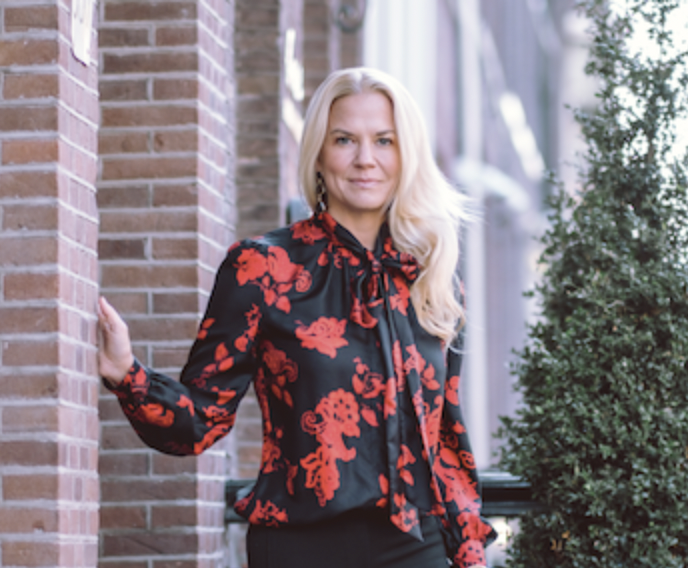
Founder - ReCode Institute
Kate Mulder is the founder of the ReCode Institute and creator of Full-Spectrum Perception — a neuroscience-grounded framework for reading the hidden signals, people dynamics, and timing shifts that determine whether a deal, decision, or direction succeeds or fails.
Her background spans 15 years of research in neuroscience and human performance, cross-border capital markets work with the Inter-American Development Bank, and speaking at Davos and the United Nations. She has worked with investors, executives, founders, and dealmakers across international finance and emerging markets.
Kate's mission is to bring Full-Spectrum Perception to principals at funds and family offices — as an embedded intelligence layer for due diligence and decision-making, and as a practical, scalable capability that trains teams to see what the data can't.