Why Human Connection is Your Most Valuable Asset in the Age of AI
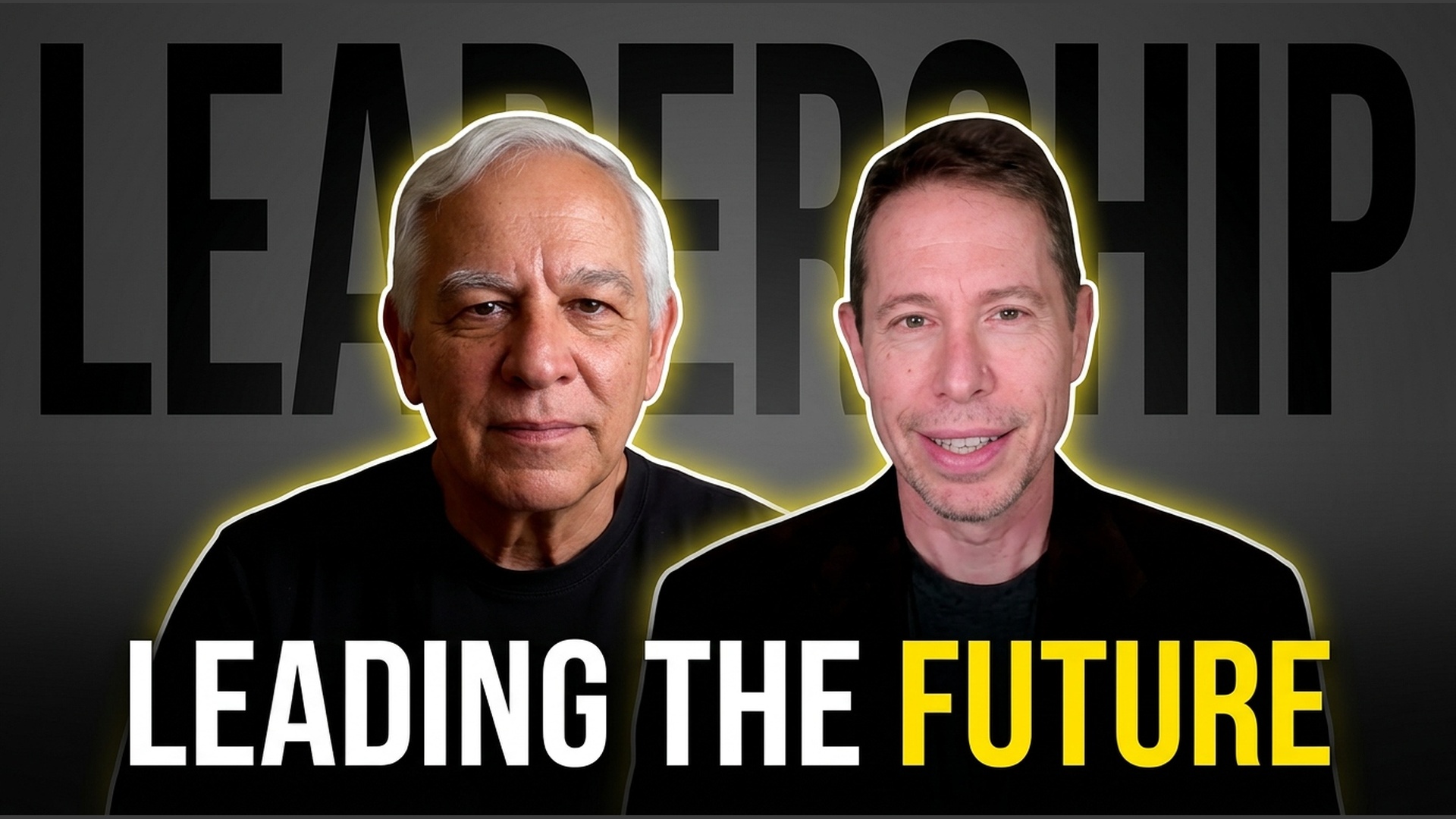
Welcome back to the blog, fellow listeners! In our latest episode of Arthur's Round Table, we dove deep into a topic that's becoming increasingly critical in today's rapidly evolving world: the intersection of leadership, human connection, and the undeniable rise of artificial intelligence. I had the immense pleasure of speaking with Stever Robbins, an individual whose journey through MIT, Harvard Business School, and the trenches of Silicon Valley offers a unique perspective on what truly drives success. This blog post expands on the crucial themes we explored, particularly why authentic human relationships are emerging not just as a nice-to-have, but as a fundamental, premium asset. If you missed the episode, you can catch up right here: Leadership & Human Connection in the AI Era. Stever Robbins Interview.
The Rise of AI and the Enduring Power of Human Connection
We're living through a technological revolution unlike any other. Artificial intelligence is no longer a concept confined to science fiction; it's embedded in our daily lives, from the recommendations we receive online to the way businesses operate. AI's ability to process vast amounts of data, generate content, and even mimic human interaction is astounding. However, this very ubiquity of AI-driven output brings a paradoxical realization: the more synthetic content floods our digital landscape, the more valuable genuine human connection becomes. This episode with Stever Robbins really highlighted this shift, making us ponder what truly differentiates us in a world where machines can perform many tasks with incredible efficiency.
Stever Robbins' Core Philosophy: Why Human Connection is Your Most Valuable Asset
One of the most resonant takeaways from my conversation with Stever Robbins is his deeply held belief, articulated as: "It's not what you know. It's who knows you." This isn't a dismissive statement about the importance of knowledge or skill; rather, it's a profound recognition of how relationships function as the primary engine for opportunity and influence. In any field, but especially in leadership and entrepreneurship, having a network of people who know you, trust you, and can vouch for your capabilities can open doors that pure merit or knowledge alone might not. This is particularly true in sectors like venture capital, where deal flow and investment opportunities often stem from established relationships and trusted networks.
Stever's own journey underscores this. From his academic pursuits at elite institutions to his experiences building and advising startups in Silicon Valley, he's witnessed firsthand how introductions, recommendations, and the simple act of being known by the right people can accelerate progress and unlock potential. This network effect is amplified in an age of information overload. When faced with a deluge of options, people naturally gravitate towards trusted sources and established connections. Therefore, cultivating these relationships isn't just about networking; it's about building a foundation of credibility and access.
The AI Shift: How Authentic Relationships Become Premium Assets
As AI becomes more sophisticated, its ability to generate text, images, and even code will continue to grow. This means that the traditional metrics of what makes content valuable – its accuracy, its coherence, its speed of production – will increasingly be met by machines. So, what then becomes the premium asset? Stever's insights point towards qualities that AI, at least in its current form, cannot replicate: genuine perspective, deep emotional intelligence, unwavering trust, and the subtle nuances of human interaction. These are the elements that foster true understanding, build loyalty, and drive authentic engagement.
In a digital ecosystem saturated with AI-generated content, a human voice that offers unique insights, shares lived experiences, and conveys genuine emotion will stand out. Businesses that prioritize authentic communication and build trust-based relationships with their customers and stakeholders will inevitably gain a competitive edge. This isn't about resisting AI, but rather about understanding its limitations and leveraging human strengths to complement it. The ability to empathize, to inspire, to build rapport – these are intrinsically human traits that will become more, not less, valuable.
The Power of 'Who Knows You': How Relationships Drive Opportunity and Influence
Delving deeper into Stever's philosophy, the adage "It's not what you know. It's who knows you" is incredibly potent. Think about it: you can possess all the knowledge in the world, but if no one knows you possess it, or no one trusts your judgment, that knowledge remains largely untapped. In the business world, this translates directly into opportunities. A warm introduction from a respected colleague can bypass layers of gatekeepers. A recommendation from a trusted mentor can sway a hiring decision. A long-standing relationship with an investor can provide crucial funding during a critical growth phase.
This is why dedicated networking and relationship-building are not optional extras for leaders and entrepreneurs; they are core competencies. It requires proactive engagement, consistent follow-up, and a genuine desire to help others. It's about being a valuable node in a network, not just a passive recipient. Stever's emphasis on this point is a reminder that while AI can optimize processes and generate insights, it cannot replicate the complex web of human trust and mutual reliance that underpins true success and influence.
Leadership in the AI Era: The Imperative of Being Connected and Respected
Stever Robbins defines successful leadership as being both "connected and respected." This duality is crucial. Connection implies reach, influence, and the ability to engage with people. Respect, on the other hand, speaks to credibility, integrity, and the trustworthiness of your leadership. Without connection, people disengage. They may follow out of obligation, but they won't be inspired or motivated to go the extra mile. Without respect, your influence wanes. People may listen, but they won't necessarily act on your guidance, and the trust necessary for effective collaboration erodes.
In the AI era, where information can be accessed instantaneously and decisions can be data-driven, the human element of leadership becomes even more pronounced. Leaders who can build genuine rapport, foster a sense of belonging, and earn the respect of their teams will be the ones who navigate change most effectively. They will be able to inspire innovation, navigate uncertainty, and build resilient organizations. AI can provide data and analysis, but it cannot instill loyalty or cultivate a shared sense of purpose in the way a connected and respected human leader can.
Beyond the Algorithm: Why Great Products Still Need Human Touch (Communication, Trust, Timing)
One of the most insightful parts of our discussion revolved around the idea that even the most technologically superior product can fail without the right human elements. Stever shared anecdotes from early Silicon Valley, where brilliant innovations faltered not because the technology was flawed, but because they lacked effective communication, strategic positioning, and a keen understanding of market timing. This is a timeless lesson, but it's amplified in the current AI landscape.
Imagine an AI that can design a perfect product, but without human marketers, communication specialists, and strategic thinkers to understand the target audience, articulate the product's value proposition, and bring it to market at the right moment, its potential remains locked away. Trust is paramount; consumers will gravitate towards products and services from brands they trust, and that trust is built through consistent, authentic human interaction. Timing, too, is a fundamentally human-driven insight, often based on intuition and an understanding of cultural shifts and evolving needs that an algorithm might miss. Therefore, while AI can be a powerful tool in product development, the ultimate success of any product hinges on human judgment, communication, and the ability to connect with the market.
The Nuance of Coaching: Developing Capability vs. Providing Answers
Stever Robbins' expertise as an executive coach brought a critical distinction to the forefront of our conversation: the difference between consulting and coaching. Consultants, he explained, often provide answers and solutions. They analyze a problem and prescribe a fix. Coaches, on the other hand, focus on developing the individual's capability. They don't necessarily provide the answers, but rather, they empower the coachee to find their own answers, to build self-awareness, improve communication skills, and drive sustainable behavioral change.
In the age of AI, where information is readily available, the ability to find answers is less of a differentiator than the ability to *apply* knowledge effectively, to adapt, and to learn continuously. True leadership coaching fosters these long-term capabilities. It's about building the mental and emotional toolkit that allows individuals to thrive, regardless of the external technological landscape. This is a distinctly human endeavor, requiring empathy, active listening, and the skilled guidance to unlock potential within another person.
Neurodiversity as a Leadership Advantage: Embracing Unique Perspectives
A particularly personal and illuminating part of Stever's story was his reflection on neurodiversity. He shared his realization that traits he likely possesses, often associated with neurodivergence, were not hindrances but rather catalysts for his unique approach to problem-solving and communication. Instead of viewing these traits as deficits, he embraced them, leading him to deeply study psychology, master communication systems, identify patterns that others might overlook, and ultimately develop innovative leadership frameworks.
This is a powerful lesson for leadership in any era, but especially now. As AI aims to standardize and optimize, the unique perspectives and unconventional thinking that often come with neurodiversity can provide invaluable competitive advantages. Embracing neurodiversity in teams and leadership means fostering an environment where different ways of thinking are not just tolerated, but celebrated and leveraged. These diverse viewpoints can lead to groundbreaking ideas, more robust problem-solving, and a richer understanding of the multifaceted world we inhabit.
The Future of Content: Why Original Human Thought Stands Out
We touched upon the burgeoning concern about AI-generated content. As the internet becomes saturated with machine-produced articles, summaries, and even creative works, the signal-to-noise ratio will become increasingly challenging. Stever's perspective here is optimistic and empowering: this influx of synthetic content will actually *increase* the value of original, authentic human thought. When it's easy to generate generic content, content that comes from a unique human mind, with a distinct voice, personal experiences, and genuine passion, will shine through more brightly.
For entrepreneurs, investors, content creators, and thought leaders, this is a call to action. Focus on cultivating your unique perspective, sharing your authentic voice, and engaging in original thinking. This is what will resonate with audiences and build genuine connection. AI can be a tool to amplify human thought, but it cannot replace the spark of original human creativity and insight.
Entrepreneurship Lessons: The Critical Role of Timing and Human Networks
Stever's insights into entrepreneurship provided a practical application of these principles. He highlighted that many promising startups fail not because their idea is fundamentally flawed, but because the timing is wrong. The infrastructure might not be mature enough, the market might not be ready, or customers may not yet understand the need for the solution. This concept of timing is deeply intertwined with human networks and understanding the broader societal and technological landscape, elements that are hard for AI to fully grasp.
A strong human network can provide invaluable feedback on market readiness and offer the support needed to weather early-stage challenges. Furthermore, entrepreneurs who are well-connected can often secure the resources and partnerships necessary to navigate difficult market entry phases. Ultimately, while AI can assist in market analysis and operational efficiency, the strategic foresight required to hit the right market window and the relational capital to build a supportive ecosystem remain distinctly human strengths.
Conclusion: Cultivating Human Connection for Success in the Age of AI
As we wrap up this exploration, it's clear that the rise of AI doesn't signal the obsolescence of human connection, but rather its elevation. In fact, our conversation with Stever Robbins on Leadership & Human Connection in the AI Era underscored that the very qualities AI struggles to replicate – authenticity, empathy, trust, unique perspective, and nuanced communication – are becoming our most potent assets. As the digital world becomes increasingly automated, it's the genuine human touch that will set leaders, businesses, and individuals apart.
The lessons from Stever's journey through academia, Silicon Valley, and executive coaching are a powerful reminder that while we should embrace and leverage AI, we must also consciously invest in nurturing our human capital. Building strong relationships, fostering trust, developing emotional intelligence, and championing unique human perspectives are not just soft skills; they are essential strategies for navigating the complexities of the modern world and securing lasting success. Let's commit to cultivating these invaluable assets, ensuring that in this age of artificial intelligence, our human connections remain our most powerful advantage.

Beyond Tech: How Non-Software Businesses Can Claim Hidden R&D Tax Credits