Beyond the Check: Why Philanthropy is Your Next Strategic Asset
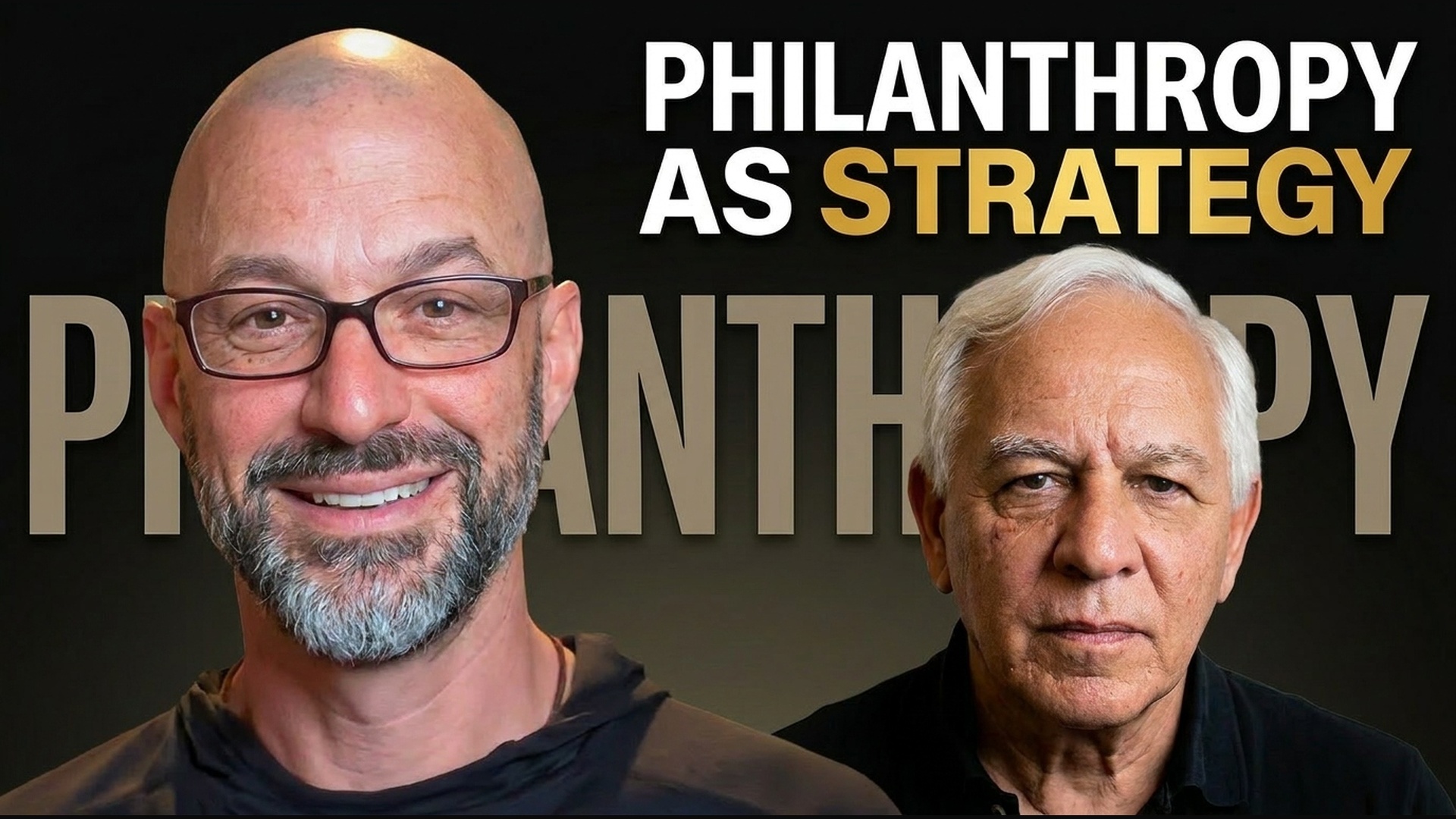
Welcome back to the blog, where we dive deeper into the conversations that shape our podcast episodes. In our latest installment, we had the incredible opportunity to speak with Alex Huff about a topic that’s often viewed through a very traditional lens: philanthropy. You can catch the full episode, The Overlooked Power of Strategic Philanthropy | Alex Huff on DAFs, AI & Giving, right here. In this post, we're going to expand on the powerful insights shared, exploring how philanthropy can, and increasingly should, be viewed as a strategic asset, moving far beyond the simple act of writing a check.
Philanthropy as a Strategic Asset: A New Perspective
For generations, philanthropy has been understood as an act of goodwill, a generous contribution to a cause one believes in. While the spirit of giving is undeniably noble, this perspective often misses a crucial layer of opportunity. Alex Huff, a visionary in modern philanthropy and co-founder of DAF Share, eloquently articulated a paradigm shift: philanthropy as a strategic asset. This isn't about diminishing the altruistic core of giving; it's about recognizing that with thoughtful planning and execution, charitable endeavors can yield significant benefits not just for the recipient, but for the donor as well, in ways that extend far beyond mere tax deductions.
Think of your investments, your business ventures, your real estate holdings – these are all considered assets, actively managed and strategically leveraged for growth and return. Why, then, should the significant resources dedicated to charitable causes be any different? When approached strategically, philanthropy can become a powerful engine for community building, a sophisticated tool for tax optimization, and a vital component of comprehensive wealth stewardship. It’s about moving from a reactive approach to a proactive, integrated one, where your giving aligns with your broader financial and personal goals, creating a more impactful and sustainable legacy.
The Power of Donor Advised Funds (DAFs)
One of the most significant innovations in making philanthropy more strategic has been the rise of Donor Advised Funds, or DAFs. In our conversation with Alex, he explained the genesis of DAF Share, a platform dedicated to modernizing charitable giving through DAFs. At their core, DAFs offer a flexible and efficient way to manage charitable contributions. Instead of donating directly to multiple charities, individuals can contribute to a DAF, which is then managed by a sponsoring organization. This allows for an immediate tax deduction, while the funds can be invested and grow over time, enabling more significant grants to be made to charities at a later date.
The strategic advantages of DAFs are numerous. Firstly, they simplify the giving process. Managing multiple donations to various organizations can be cumbersome. A DAF consolidates these contributions, streamlining record-keeping and reducing administrative burdens. Secondly, the investment component is key. By allowing contributions to grow, DAFs can significantly increase the total amount available for charitable distribution. This "time-value of money" aspect transforms a single donation into a potentially larger and more impactful gift over time. Furthermore, DAFs offer donors flexibility in terms of when they receive their tax benefit versus when they recommend grants. This can be particularly advantageous for individuals experiencing a windfall year, allowing them to manage their tax liability effectively while planning for future charitable impact. It’s a sophisticated financial instrument that bridges the gap between personal finance and charitable intent.
Leveraging Appreciated Assets for Greater Impact
Beyond cash contributions, a truly strategic approach to philanthropy involves leveraging appreciated assets. This is a concept that Alex highlighted, emphasizing how family offices are increasingly recognizing the power of this method. When you own assets that have significantly increased in value over time – such as stocks, bonds, or even real estate – donating them directly to a charity can be incredibly tax-efficient. Rather than selling the asset, paying capital gains tax, and then donating the net proceeds, donating the appreciated asset directly to a DAF or a qualified public charity allows you to potentially avoid capital gains tax altogether.
The implications of this are profound. By avoiding capital gains tax, the entire value of the asset, or at least a much larger portion of it, can be directed towards charitable causes. This means your philanthropic dollar can stretch significantly further, amplifying the impact of your giving. For example, if you have stock that has grown from $10,000 to $100,000 and you were to sell it, you might incur tens of thousands of dollars in capital gains tax. However, if you donate that stock directly to a DAF, you can potentially claim a charitable deduction for the full fair market value of $100,000, while also avoiding the capital gains tax. This strategy is a cornerstone of sophisticated wealth stewardship, allowing individuals to fulfill their charitable goals while minimizing their tax exposure and maximizing their overall charitable impact. It’s a win-win scenario that underscores the strategic potential of giving.
Philanthropy and Tax Planning: A Symbiotic Relationship
The symbiotic relationship between philanthropy and tax planning is one of the most compelling arguments for viewing giving as a strategic asset. While the primary motivation for philanthropy should always be altruistic, the tax benefits are undeniable and can be powerfully leveraged. As mentioned, donating appreciated assets can lead to significant tax savings by avoiding capital gains taxes. Furthermore, contributions to DAFs and other qualified charitable organizations are generally tax-deductible, up to certain AGI (Adjusted Gross Income) limitations.
This creates an opportunity for sophisticated financial planning. Individuals can strategically time their donations to align with their income levels. For example, in a year where income is particularly high, making a significant charitable contribution can effectively reduce one's taxable income, leading to lower overall tax liability. This isn't about using charity as a loophole; it's about integrating charitable giving into a comprehensive financial strategy. It allows individuals to be more generous than they might have otherwise been, knowing that they are simultaneously optimizing their tax situation. This approach requires careful consideration and often consultation with financial advisors and tax professionals, but the rewards in terms of both charitable impact and personal financial well-being can be substantial.
Community Building Through Strategic Giving
Beyond individual financial benefits, strategic philanthropy is a potent force for community building. When giving is intentional and aligned with specific community needs, it can foster stronger social fabric and create lasting positive change. Alex’s insights on the future of giving, particularly regarding community-driven models and network effects, highlight this aspect. It’s not just about writing a check; it’s about actively participating in the betterment of society.
Consider the power of matching grants, a mechanism that Alex touched upon. By matching donations, organizations incentivize further giving, creating a ripple effect that amplifies the total impact. This not only increases the funds available for a cause but also fosters a sense of collective effort and shared responsibility within a community. When donors see their contributions being doubled or even tripled, it encourages engagement and a deeper connection to the cause. Furthermore, strategic giving can involve supporting local initiatives, empowering community leaders, and investing in programs that address specific local challenges. This kind of targeted giving builds trust, strengthens local economies, and fosters a more resilient and connected society. It transforms philanthropy from a passive act into an active investment in the collective good.
The Role of Technology and AI in Modern Philanthropy
The landscape of philanthropy is being rapidly reshaped by technology, and Artificial Intelligence (AI) is playing an increasingly significant role. Alex Huff’s work with DAF Share exemplifies this modernization. AI and technology are not just about streamlining processes; they are about enhancing effectiveness and expanding reach. For instance, AI can be used to identify potential donors, analyze giving patterns, and personalize outreach, making fundraising efforts more efficient and impactful. It can help charities understand their supporter base better, enabling them to tailor their communications and appeals more effectively.
Furthermore, technology can facilitate greater transparency and accountability in the philanthropic sector. Platforms can be developed to track the flow of funds, demonstrate the impact of donations, and provide real-time updates to donors. This transparency builds trust and encourages greater engagement. AI-powered tools can also assist in identifying emerging social needs and evaluating the effectiveness of different charitable interventions, allowing for more data-driven and impactful giving strategies. As we move forward, the integration of technology and AI will be crucial for maximizing the efficiency, reach, and impact of charitable endeavors, ensuring that resources are deployed where they can do the most good.
Matching Grants and Network Effects: Amplifying Good
The concept of matching grants is a cornerstone of amplifying charitable impact, and it’s a topic that resonates deeply with the idea of philanthropy as a strategic asset. When a foundation or a large donor offers to match donations made by others, they are not just providing additional funds; they are creating a powerful incentive and a compelling narrative. This mechanism leverages the existing resources of smaller donors and multiplies their effect. It taps into the human desire to be part of something larger than oneself, transforming individual acts of giving into a collective force for good.
The "network effect" in this context is crucial. By encouraging more people to give, matching grants create a broader base of support and awareness for a cause. This can lead to increased volunteerism, advocacy, and overall engagement. Alex Huff’s discussion on DAF Share likely touched on how technology can facilitate these matching grant programs, making them more accessible and transparent. Imagine a scenario where every dollar you donate is matched, effectively doubling your impact. This is not just good for the charity; it’s a strategic way for donors to achieve a greater philanthropic return on their investment. It’s a testament to how intelligent design and leveraging existing structures can exponentially increase positive outcomes.
The Future of Giving: Transparency and Community Engagement
Looking ahead, the future of charitable giving is being shaped by a growing demand for transparency and a deeper emphasis on community engagement. Donors, both individual and institutional, are increasingly seeking to understand precisely where their money is going and what tangible impact it is creating. This shift is driving innovation in reporting and communication within the nonprofit sector. As Alex Huff alluded to, and as we see in the evolution of platforms like DAF Share, technology is a key enabler of this transparency.
Community engagement goes hand-in-hand with transparency. It's about moving beyond a top-down approach to giving and fostering a more collaborative and participatory model. This involves listening to the needs of the communities being served, involving them in decision-making processes, and building genuine partnerships. When donors are actively engaged with the causes they support, their commitment deepens, and their understanding of the challenges and successes grows. This co-creation of impact is a powerful driver of sustainable change. The future of philanthropy will likely be characterized by these principles, where accountability, collaboration, and a shared vision for positive impact become the hallmarks of successful charitable endeavors.
Conclusion: Integrating Philanthropy into Your Wealth Strategy
In our conversation on The Overlooked Power of Strategic Philanthropy | Alex Huff on DAFs, AI & Giving, we moved beyond the traditional understanding of charity as mere donation. We explored how philanthropy, when approached strategically, can become a powerful asset. From the efficiency and growth potential of Donor Advised Funds to the tax advantages of leveraging appreciated assets, and the community-building power of intentional giving, the opportunities are vast. Technology and AI are further revolutionizing this space, promising greater transparency and amplified impact. By integrating philanthropy into your broader wealth strategy, you can not only achieve significant tax benefits and foster personal wealth stewardship but also create a more profound and lasting positive impact on the world. It’s time to think beyond the check and embrace the full potential of strategic giving.

Beyond Tech: How Non-Software Businesses Can Claim Hidden R&D Tax Credits