Apple Podcasts
 Spotify
 YouTube
 Democratizing Venture Capital with Nicole Guerrieri. PopVenture & The Future of Investing
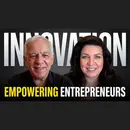
In this episode of Arthur’s Round Table, entrepreneur and PopVenture founder Nicole Guerrieri shares her journey from building a fast-growing Inc. 500 company to reimagining the venture capital system itself. The conversation explores venture capital structure, interval funds, startup diligence, investor access, liquidity, and how technology could democratize private market investing for everyday Americans.
________________________________________
🎯 What You’ll Learn
• Why traditional venture capital excludes most investors
• How interval funds can provide liquidity for private market investing
• The hidden incentives inside venture capital structures
• Why transparency and diligence matter in startup investing
• How PopVenture combines venture investing with media and technology
• The future of democratized investing and private market access
• How AI and diligence software could reshape venture capital
In this episode of Arthur’s Round Table, entrepreneur and PopVenture founder Nicole Guerrieri shares her journey from building a fast-growing Inc. 500 company to reimagining the venture capital system itself. The conversation explores venture capital structure, interval funds, startup diligence, investor access, liquidity, and how technology could democratize private market investing for everyday Americans.
🎯 What You’ll Learn
• Why traditional venture capital excludes most investors
• How interval funds can provide liquidity for private market investing
• The hidden incentives inside venture capital structures
• Why transparency and diligence matter in startup investing
• How PopVenture combines venture investing with media and technology
• The future of democratized investing and private market access
• How AI and diligence software could reshape venture capital
💡 Key Insights from Nicole Guerrieri
1. Traditional Venture Capital Is Structurally Exclusive
Nicole explains how:
• venture investing is concentrated geographically
• most Americans are excluded from private markets
• non-accredited investors rarely gain access to high-growth opportunities
2. Incentives Shape Venture Outcomes
Traditional venture funds often rely on:
• large exits
• unicorn outcomes
• aggressive liquidity events
👉 which can pressure founders into exits they may not want.
3. Interval Funds Could Transform Venture Investing
PopVenture is structured as a:
• SEC-registered interval fund
• diversified venture vehicle
• liquidity-enabled structure for investors
This creates a very different model than traditional locked-up venture funds.
4. Transparency Is Becoming a Competitive Advantage
Nicole believes startup investing should include:
• verified diligence
• investor education
• founder transparency
• ongoing reporting
rather than opaque deal structures.
5. Diligence Technology Is a Massive Untapped Opportunity
The conversation reveals how:
• most private market diligence remains manual
• data rooms are inefficient
• investors lack standardized information
PopVenture’s “Locker” platform aims to modernize startup diligence infrastructure.
6. AI Needs Better Private Market Data
Nicole explains that:
• AI systems lack structured private company information
• private markets remain highly fragmented
• standardized diligence data could become foundational infrastructure
7. Community-Based Investing Could Reshape Capital Formation
The discussion explores:
• local economic development
• grassroots investing
• entrepreneurs supporting entrepreneurs
• rebuilding trust through shared ownership
8. Access to Venture Capital Should Not Be Reserved for the Wealthy
Nicole challenges the idea that:
• only accredited investors are sophisticated enough to invest
and argues that many everyday Americans demonstrate strong financial discipline and judgment.
9. Media + Venture Capital Is a Powerful Combination
PopVenture combines:
• venture investing
• founder storytelling
• shareholder participation
• interactive broadcasts
creating a more engaging and transparent investor experience.
👤 About Nicole Guerrieri
Nicole Guerrieri is the founder of PopVenture, a next-generation venture capital platform designed to democratize access to private markets. After building and exiting a rapidly growing Inc. 500 company, she set out to create a more transparent, accessible, and founder-aligned investment model through interval funds and technology-driven diligence systems.
________________________________________
📊 Topics Covered
• Venture capital
• Interval funds
• Startup investing
• Private markets
• Liquidity solutions
• Founder alignment
• Investor access
• AI and private market data
• Due diligence technology
• Economic democratization
• Entrepreneurship
Want to learn more about Family Office Insights? Click Here.
Arthur (0:00): Yeah, I can look it up. Hi. Hello everybody. Thanks for joining us today. Welcome to another episode of Arthur's Roundtable.
Arthur (0:07): Really, really honored to have Nicole Guerreri with us today. And just as a little background, met several years ago, had to be six or so, something like that. We were having cocktails and little meetup in the Soho House in New York City. And that's when she disclosed her idea about what you're about to hear about today. It's fascinating.
Arthur (0:28): And so I hope you enjoy it, but we have got a long history and I have some economic interest in this company, just full disclosure, right? Yes.
Unknown Speaker (0:38): We're Skin super in the game.
Arthur (0:39): Skin in the game, which is by the way, what it was originally called now is Pop Ventures. So it's not porn, so don't get carried away. It's, you'll see why it initially was described as skin in the game. So super happy to have you, Nicole. Was good to see you.
Unknown Speaker (0:54): Thanks for doing this. Really appreciate it.
Unknown Speaker (0:57): Thanks for having me, it's so good to see you, I miss you.
Arthur (1:01): I miss you too. So let's start from the beginning because it's a great story.
Nicole Guerreri (1:05): Okay, well my beginning, so I was raised in a very blue collar Italian family where girls are taught you'll make babies in spaghetti, not multimillion dollar businesses. And I took the latter path because
Unknown Speaker (1:19): I Sunday sauce, right?
Nicole Guerreri (1:21): Sunday gravy always. And I still do. I still can make a good gravy. But I was working in an industry that around the time in the .com era, a little bit later than that, I said, there's a lot of companies doing interesting things with fragmented old industries. And I think I could apply it to my industry, which was branded merchandise, swag, tchotchkes.
Nicole Guerreri (1:42): And I thought, why can't we disintermediate and disrupt this industry? And I went to my bosses at staples office supplies, and they said, we can't do this, but it's brilliant. So I said, well, I guess I got to do it on my own. I don't know how, but I'll figure it out. And lo and behold, the idea I had worked and, the company grew so quickly, so quickly with clients like AT and T and American airlines and the like, we changed, the game for that industry and, the company grew so fast from 0 to 6 to 22,000,000 that we were number eight on the Inc.
Nicole Guerreri (2:20): 500 list. And the number one on Cranes Fast 50. Was living every entrepreneur's dream. Our, employees were buying houses. Our clients were saving millions.
Nicole Guerreri (2:32): Our supply chain was booming. And then I made the big mistake of swimming with the sharks without knowing how venture capital works. And they ended up selling the company out from under me without my consent. And, my dream came and turned into a nightmare. Most people would have called it quits, but I called that a mission, called it a mission and decided I was going to, build a better system, a new category for venture.
Unknown Speaker (2:59): I was going to change the game. So that's my background, how I ended up here and how I ended up with this why, or how I ended up at this mission.
Arthur (3:08): So Nicole, we don't have to get into the details, but you took money from VC and because VCs are flushing 95% of the companies and throwing money at the ones that they want to be unicorns. That's what happened with you when you just weren't ready to sell.
Nicole Guerreri (3:26): No. Yes. And so I went with, when I took the money from the venture capitalists, I had a line out the door of people that wanted to fund my business number, you know, top 10 and being 500, but I was so naive and cocky at the same time, which is a bad combination. I ended up without knowing how this all works. I took money from a very small fund who had never done tech before, had never done disruption before, and they were about to close their fund and had never had a single winner.
Nicole Guerreri (3:54): Now, if I had just done a little bit of research, I would have figured that out, but I didn't. And I always want entrepreneurs to make sure they do that research. So the deal was they saw my house, my house, my business, like a house they could flip and they could have that one win for their fund. So they could say we had a good win and they did get a great win. Yeah.
Nicole Guerreri (4:13): My sale was their only win for their entire fund and a big one at that, but they had a huge liquidation preference. I didn't even know what liquidation preference meant. I didn't realize that when they sell, they're gonna take the first 15,000,000 off the top, and then you have the waterfall, and they were the first ones to get money out of the waterfall, so by the time they took the 90% of the pie, there was really nothing left for my minority shareholders or myself, And I was actively trying to buy the company back from them, and that's why they sold it without me knowing. They had a term sheet in October, they started diligence, and I didn't know about it till December 8. And they said, okay, consent to this deal.
Nicole Guerreri (4:55): I said, the hell I will, no way. So it was a fight. And then I realized I could either fight or I could use this as a lesson. It was my mistake. I take complete ownership for it and said, maybe I'll put my energy instead into something positive and build a better system for everyone, the people who are in the venture space and the people who are not.
Arthur (5:16): Yeah, so let's get into it. Let's talk about how you manifested this and then what it looks like today.
Nicole Guerreri (5:25): So when I made that decision to build a better system, I said I need to spend some time becoming an expert. So I started doing research and diving deep into rabbit holes about how private equity works. Why the venture capitalists incentivized to do what they did, and get to the root of the, if you will, problem and how the structure could work and how I can make it better. And I was shocked, I'm embarrassed to tell you and your listeners that I did not know that Powell Venture worked so much so that I didn't even know that you had to be wealthy to join a venture fund. I didn't even know that you could not join unless you were accredited.
Nicole Guerreri (6:03): And now I come from a family of truck drivers, movers, and bricklayers, and when people told me, well, non accredited people aren't sophisticated enough to invest in private markets. It's like, well, you wanna see financial sophistication, go sit at my truck driver uncle's kitchen table, and look at how he has a beautiful home, two kids who went to college, vacations, and he retired with a very nice pension and savings account from UPS, and he pays his taxes, and that's financial sophistication. So that was my impetus was, need to build A, a fund, because I love crowdfunding, but I don't like that you can't diversify your investments across, like you have that luxury that the wealthy have that you can diversify your investments. I needed a fund, and it needed to be open to non accredited investors, and everyone said, You can't do that. I knocked on Arthur a dozen doors and all I heard was no, no, no.
Unknown Speaker (6:59): Until I finally
Unknown Speaker (7:00): All these supposed experts, right?
Nicole Guerreri (7:02): Yeah. All these securities attorneys who said there is nothing that exists that will allow non accredited to invest in private companies. And then I found a partner at K and L Gates who said, Actually, there's a little known fact about a well known fund that will do exactly what you want, and it was created by FDR eighty six years ago now, when he was trying to get farmers investing in farmers and, merchants investing in merchants, so that he could unite the country and get people rooting for each other again, and put an infused new capital into private markets. And unfortunately that 40 that he created was, there was no technology then, there was no way that they could have done that with private markets, so they started with public markets. And that is the foundation of what you see in ETFs and mutual funds is that forty Act fund.
Nicole Guerreri (7:51): But this brilliant partner at KNL Gates, Cyan Ambler said, yeah, you can use this for this purpose. And she was really the champion that made this all happen. And so POP Venture today is just that, it's a venture interval fund, forty Act fund, that is SEC registered and effective, so we're ready to take the fund live. We have not commenced operations yet. This is not an offering of securities, just to be clear, the fund is not operational, but we could be in the next twenty to thirty days, as soon as we wanna flip that switch on, and we invest in growing innovative companies.
Nicole Guerreri (8:29): Non accredited and accredited investors will be able to invest in our fund with as little as $25 someone can join our fund, or 25,000,000. Everyone is free to make their decisions, whatever amount works for them, and it's a beautifully diversified fund. We built our own diligence software, which I think your community would really find interesting. Family offices don't have a diligence team, and we built the first founder driven verified diligence, so that we could put diligence in the hand of the founders, but we needed our own diligence tool, so we built it. And the companies we invest in, we're sector agnostic.
Nicole Guerreri (9:04): They must be revenue positive. We have a pretty high bar on how that revenue is calculated. Our diligence software checks to make sure there's no bad actors, to make sure that there's no litigation, and 10 different balance sheet ratios, 100 flags, verifies 35 pieces of information. So we have an arduous diligence process before we even look at the company. And then once we've chosen them, we have a signed term sheet, we film them, and that is when we do something that's so innovative, we actually will present those businesses in the taped piece to our shareholders in what we call our shareholder broadcast, so that it's truly interactive when we ask our shareholders to weigh in on what they think of the companies, we invite the companies into the studio to meet the shareholders who are in the room, and the people at home are watching.
Nicole Guerreri (9:50): So we do that as often as we possibly can, so that we can live up to our fiduciary duty of care and loyalty and transparency and information for our shareholders. So that's how our fund works. And the best part is, as most people in your community right now, an interval fund, you get liquidity. So unlike being an LP in a venture fund, where you're locked up for ten or twelve years and you can't get out, or you're waiting for an exit, we offer redemptions every year. Starting out every year, we'd love to get to the point where we do it quarterly, and they're not guaranteed redemptions, but we hope that our fund will perform slow and steady growth like a bond fund and we hope people won't want to get out, but we don't have the same two and twenty carry that a venture fund does.
Nicole Guerreri (10:33): We only get our asset management fee, so we don't have NAV, an
Unknown Speaker (10:37): just like any other mutual fund, right?
Unknown Speaker (10:39): 100%, we strike a NAV every day.
Arthur (10:42): Yeah, and you know what's really interesting, and I think it's important to understand this, and I'm sure many of the people do, but the term interval means that there's liquidity at certain intervals at a certain amount based on the total amount of assets in the fund. So that is the mechanism that was built into the interval fund to allow for liquidity of private illiquid securities.
Unknown Speaker (11:08): Exactly.
Arthur (11:11): Which is magic, right? I mean, like you said, it's not magic in that there has to be liquidity and you're compelled to keep a certain amount of cash on hand and all that kind of stuff. We get into the weeds a little bit, but it actually is a mechanism that by design allows for liquidity as opposed to being in a private equity fund where you have to tender your shares to another LP first and then back to the fund, and then maybe find somebody that wants to buy them, right?
Nicole Guerreri (11:40): Exactly. And I think the other interesting thing as we kept modeling this, I had mind blowing breakthroughs where it's like, Oh, that explains it. When a private venture fund is driven by the two and twenty and a carry, they need to exit, and they have to drive someone, as you said earlier, to a big unicorn status. As long as I have my portfolio companies performing well, and their valuation is going up at whatever pace it's going up, I can show a good performance. I don't care, I don't need to push one out of 13 companies to be a winner.
Nicole Guerreri (12:14): If I want them all to show slow and steady growth, so I have a different incentive as a portfolio manager and the CIO, than say a GP in a venture fund.
Unknown Speaker (12:24): Right, yeah, and you don't have to pull the trigger and have a liquidity event to put numbers up on the board.
Unknown Speaker (12:29): Exactly, exactly. Don't I get that carry don't get that. I'm not looking to get my big payout.
Arthur (12:36): Right. Right. You're just getting your asset management fee right along. Let's talk about the really cool part of this, which is having them filmed and sharing it with your shareholders and so forth, what part of, once they get to that point, are you pretty convinced that you want to deploy capital into them?
Nicole Guerreri (12:55): We will not present a company that we haven't said yes to. We will only present to our shareholders companies that have made it through our diligence process. I believe it'll be seen and proven later that we do more diligence, I would challenge, than any other venture fund out there, because of the fact that we go film it for a week, because we're there on-site for a week filming it, because we go through all of this trouble. But before we film one minute of content, diligence. We've brought in sector experts to tell us about the sector, people who understand what's going on with the sector to weigh in, we choose the business, and then we present them with the term sheet that requires that they maintain their locker every month and that they share their valuations, that they're willing to be filmed.
Nicole Guerreri (13:42): And then once we have a signed binding term sheet and we say, yes, we want to fund this business, then we film it and then we show it to our shareholders. We will never show our shareholders something that we, it's a maybe or a dog, you know, we want only to show them what, because the decision ultimately ends with us at the advisor, not the but we love this communication with them. It's educational, transparent, and we see that as a real data point. I think asking, God willing, millions of people, if we're successful, what they think about a business, the power of a crowd, is something to consider. On the other hand, we know confidential information about these businesses that we will not share publicly, that our shareholders won't know.
Nicole Guerreri (14:26): We might know that they just signed a mega contract with someone, or they have a new product coming up. So we could say, You know what, you all, 1% of you voted no, but we're still going to fund this business because of things we know about it. And that's our, you've engaged us as shareholders, that's our job. But the interactive participatory nature of our fund to me was essential considering we really wanted to make this a public fund.
Arthur (14:51): You know, the feedback from, I'm going to say smart investors, obviously not everybody's smart, has been on a very small scale compared to what you're doing. You know, we're putting 30 family offices in the room and family office insights and someone's pitching to them. The feedback they get from that audience is worth every penny they pay for us, even if they don't get any money. Right? Sure.
Arthur (15:17): Because these are rich, smart people. I can't remember a time that the entrepreneur didn't walk away with some something really valuable that they hadn't thought of. Right. So that feedback from the audience is key.
Nicole Guerreri (15:32): Right. And our shareholders will be diverse. There will be accredited investors in the room who've been around the block, but I'm really excited to see the feedback that come and the questions that come from people who've been in the industry, from the truck drivers, from the manufacturing people, someone who's been in healthcare, the nurses in healthcare, talking to a healthcare business, right? It's gonna be really interesting to get that data and ask them what kind of questions they would want to ask of these companies and for those companies to get that information, you just made a brilliant point as always Arthur. I think we entrepreneurs are so in our bubble with our team and a bunch of yes men sometimes.
Nicole Guerreri (16:10): I've been in the room with your family office, they're a tough crowd and I've been pitching businesses for a long time, but sometimes the information you get from inside the industry or for someone off the street could pivot your business more than anyone else. So that's gonna be fun to watch.
Unknown Speaker (16:26): Yeah. Let's talk about the locker because that's super cool. Yeah. So what the Who propellates the data?
Unknown Speaker (16:35): The companies, the founders. So I had no interest in building a diligent software. I mean, we have our hands full, I had no interest. So we went out there to go get a software, I wanted to go buy it, plug it in and go, and be done. Someone had had to have built a diligence software before.
Nicole Guerreri (16:54): Nope, the biggest private equity firms in the world, you know this, but a lot of people don't know, biggest private equity firms in the world still do diligence manually. I would ask them and say, well, we have a really cool software, Nicole, it's called Dropbox, and people put ETFs in the Dropbox, we pull them out, and then we print them up, and a junior staffer will get a calculator and start doing balance sheet ratios. It's like, what the heck? We built a deal flow engine for PopVenture with 3,652 organizations across 50 states. Each of those organizations, just send us, sends us 100 companies, 50 companies.
Nicole Guerreri (17:30): We are going to be inundated, a fire hose of companies. There is no way, A, no way I would ever do human manual diligence just because of the bias we would bring to our diligence. It's not standardized. I'm taking money from the American people here. We are not going to play around with this.
Nicole Guerreri (17:47): So unfortunately, I, said, my goodness, we are going to have to go build our own diligence software. And we did, went out and searched high and low for companies that knew diligence. I found a company called CrowdCheck led by the amazing Sarah Hanks. And I went to Sarah and said, I need to build a diligence software. You know diligence, I don't.
Nicole Guerreri (18:09): I'll go build the software. Would you be willing to partner? And she was, we ended up acquiring CrowdCheck and took their IP and diligence. And then we built the locker from it, which is, and then the everyone's obviously assuming we would let the software be driven by us, the investor. I said, heck no, I need to build a diligence software with a company populates their locker, builds it, sets it up once, and then they could use it and share it again and again and again with every investor they go meet with.
Nicole Guerreri (18:39): Why would I want to do diligence myself and then not hand it over to the company to go raise Godspeed, go raise money everywhere else. So we built the locker to be populated by the company, 35 data fields of information, everything you'd ever want to know about a business. CrowdCheck was doing bad actor checks of all the covered persons. They were checking to make sure that a contracts were in the right name of the business, the actual formed business entity, things that no one else checks. When we talk to venture funds, they're like, we don't even, we don't check any of this stuff.
Nicole Guerreri (19:11): This is pretty cool. So now, we have the locker it's built for us, but we decided to release it to the market as its own standalone business. It's at yourlocker.co. So anyone listening who has a family office or an angel group or any sort of fund that wants to make diligence a lot easier, faster, and less expensive, send any prospective investors to yourlocker.co to get their locker. It's $99 a month.
Nicole Guerreri (19:37): They set it up once we verify everything and then they can send you their locker to review when you're considering them as a potential investment.
Unknown Speaker (19:45): So are they compelled to keep it up to date on a monthly basis or something like that?
Nicole Guerreri (19:51): Yeah. So we hope we've done a good enough job educating the founders. Here's the thing. Any founder who's ever done diligence once knows how distracting and painful it is. If you've ever raised money, you know, it's, you want to just, Ugh, it's horrible.
Nicole Guerreri (20:07): So when we tell them, listen, guess what? You don't have to keep doing that. You do it once and set up your locker. All you have to do is update whatever's changed every month and you always have diligence ready to send to someone. That I hope is compelling.
Nicole Guerreri (20:21): And the price I hope is compelling enough for people to stick around, but it's really going to be up to the investors to say, you know, it's a two sided marketplace. If the users who are the funds, the investors say we like this, then they will enforce it and say, like pop venture does. We won't even look at you if you don't have a locker and we'll won't keep you as a portfolio company if you don't keep your locker up to date. So I'm hoping that, you know, this is all has to be proven, but I'm hoping that both sides of the market will enjoy the wins of this software so much that like other software like DocuSign, right? Every time you use DocuSign, the other person signing in, it goes, This is nice.
Nicole Guerreri (20:58): I think I'm going to start using this. Like, that's what should happen here.
Unknown Speaker (21:03): Yeah. Do you, you know, when you built this, it was pre AI more or less.
Unknown Speaker (21:10): Yes.
Arthur (21:11): And is it now even better because you have AI doing a lot of the heavy lifting?
Nicole Guerreri (21:17): It is. And we are now just starting to impact, adjust our software with more and more AI. A lot of it was stuff that we've seen for years. Someone uploading documents and AI scrapes the documents for data and populates it for the company, right? That's not technically AI, but here's the interesting thing.
Nicole Guerreri (21:38): Sophisticated AI that we're all now using and enjoying has nowhere to go Arthur to get data on private companies. Think about it. It's PitchBook doesn't have it. SEC doesn't have it. The IRS doesn't even have it.
Nicole Guerreri (21:52): Who knows what insurance companies, private companies are using? Who knows what insurance they have? Who knows which ones have filed patents, which banks they use, how many customers they have? No one knows that except the private companies. So here's the deal.
Nicole Guerreri (22:05): If we can get Locker to scale the way I hope it will, Locker might become the only substrate from which AI can scrape true data on private markets. I hope that lacker diligence becomes lacker intelligence, and we actually can start presenting indexes and data on the private companies that are using Locker.
Unknown Speaker (22:27): And so what's the output look like? Is it a dashboard, input dashboard for the entrepreneur and then a reporting dashboard for the investor?
Nicole Guerreri (22:38): Yeah, so the investor gets a dashboard that shows what the flags are, some basic information about the company, enough for the viewer, the investor, to say, Yes, this is a company we wanna know more about, and then they ask for permission to see the rest, to have access to the rest of the locker. Then the locker owner decides to release the locker access, which they can revoke at any time, because for whatever reason, they decided not to work together and part as friends, and they cut them out of their locker. The interface inside the locker is the same for both the investor and the company, you know, that's just, there's seven categories from company, team, suppliers, accounting, fundraising, valuation, there's a great valuation calculator, legal disclosures, seven sections, it's very friendly and easy to get through. So that's what the experience is like. People haven't compared it to a LinkedIn system where you send them, set up your LinkedIn.
Unknown Speaker (23:35): And anytime you want to apply for a job, you just send someone there, you know, and everything's right there. And it looks that LinkedIn looks the same, whether you're the employer or you're the candidate is applying for a job.
Arthur (23:45): Yeah. So what's really interesting is that as, as an investor, when I get sent to a data room, first of all, I have to be really interested. Right. Cause it's a slog.
Unknown Speaker (24:00): Ugh, the worst.
Arthur (24:02): And so how does this mitigate that nonsense? Cause that's a pain point. That's a huge pain point is opening up someone's data room and you let's just say they've done a good job of it or use a utility that helps a little bit, but they're all a mess.
Nicole Guerreri (24:18): Yeah. Well, first and foremost, what you just said is solved because every locker is structured the exact same way. There's no variance. People say they wanna, everyone should set up their data rooms the same way they never do to your point. It's always a mess.
Nicole Guerreri (24:34): But when you start using the locker, it gets addictive because you're like, oh, I know exactly where to find this. I know exactly where to find that under the company section or the team section is their suppliers, their accounting team. Everything's the same. So the standardization was key to solve that problem you just talked about. But further, the problem with the data room that I had for my fund was I don't wanna pay people to start creating balance sheet ratios.
Nicole Guerreri (25:01): I wanted some, I don't want a file of folders, folder of files, strike that, reverse it, a folder of files. I want an actual balance sheet ratios, 10 of them. And I want to know if it's within this range, they're not a fit for us. Wanted the numbers crunched, pre crunched, and I don't have to pay someone to do it, so I also liked putting the responsibility on the founders to set up their own locker. You come in with your pitch deck, walk in the room with your locker too, do some work.
Unknown Speaker (25:29): Yeah. So that's really valuable. If you've put the raw data in the locker, it's gonna do the ratios for you and probably a bunch of other stuff too, right?
Nicole Guerreri (25:39): So much stuff, yeah. And automatically identifies flags. So, a ton of flags, eight sixty five flags, for example, they're not paying their leadership team. That's a red flag. And for us, that's an issue.
Nicole Guerreri (25:52): But for a lot of other pre seed companies, it's like, of course we're not paying our leadership team. We all have skin in the game. We're all doing the, so like what could be a flag could be something that opens a conversation for you. If you've recently changed your accounting firm twice, that's a yellow flag. That's like, what's up?
Nicole Guerreri (26:06): Why are you changing your accounting team? They gave you some advice you didn't wanna take. We got intel, not only from CrowdCheck, but we went out to the market and talked to private equity firms and investment bankers. Heather Madlin from Huron Capital said to me, huge private equity firm, well respected woman said, Nicole, you're solving the quality of earnings problem. I'm embarrassed to tell you, I was like, what's quality of earnings?
Nicole Guerreri (26:28): She if we are looking at a company that we might wanna acquire or invest in three years from now, we're gonna tell them to get their locker now, because you can watch, you can track, you know, you can say, this company's had a locker verified with no issues for three years. Quality of earnings done. It's right there. So that's made us look at investment banking. Just the other day, an investment banker was like, we like a company, we're gonna tell them to get a locker as soon as we identify them, even though we might not talk to them for two to three years.
Unknown Speaker (27:00): That's amazing. I didn't build it for PE. I didn't build it for investment bankers. You know who else is drooling over it? Banks.
Unknown Speaker (27:07): Yeah.
Nicole Guerreri (27:08): The banks are, and I'm like, oh man, we built it for venture. Like I'm a tech entrepreneur. I build things for one customer and now we're finding all these other people who see benefits from it.
Unknown Speaker (27:19): Yeah. It's like it's underwriting data.
Unknown Speaker (27:22): Totally. Absolutely.
Unknown Speaker (27:26): And so is that part of PopVenture or is it a separate company?
Unknown Speaker (27:29): It's a separate company. Company that acquired CrowdCheck became locker diligence.
Unknown Speaker (27:36): Got it. If somebody invests in pop venture, is there a way to invest in the locker company as well or no?
Nicole Guerreri (27:45): There'd be separate investments. But we would discount valuation for folks who want to invest in both, but yeah. Right now we have a really clean cap table. I've been able to, I've funded all of this with debt. I borrowed money to acquire CrowdCheck, thanks to an SBA loan, from Live Oak Bank.
Nicole Guerreri (28:04): If anyone needs an SBA loan, they're amazing. Acquired Live Live Oak Oak Bank. They're one of the largest, if not the largest SBA lender in the country.
Unknown Speaker (28:15): Yeah. Live Oak bank.
Unknown Speaker (28:17): They're in North They're amazing. Entrepreneurial launched by a bunch of four guys, three guys.
Arthur (28:23): So this is a subject for another time, but because of the big fat beautiful bill or whatever it's called, that money's loosened up. That's Yeah. It's loosened up.
Nicole Guerreri (28:36): It has. And I think acquisitions are a great way to grow a business that a lot, to avoid venture capital. And I'm a big proponent of that. So back to the cap table point, I have very clean cap tables. I have angel investors who've supported me along the way.
Nicole Guerreri (28:51): I have so many people who lent money to me, who have been very patient waiting for this thing to launch. So, and I'm very grateful to all of them and that they all believe in it. They're all like, you know, let's do this. And you bring up the big beautiful bill. I gotta tell you, it's awfully hard to hate someone when you're rooting for them to succeed.
Nicole Guerreri (29:11): And if we can get any sort of scale on this, where Americans start investing in each other again, the way we used to bet on each other, when farmers used to share their harvest with each other, when people would go raise barns together, You know, not to sound, you know, we're coming up on our two fifty year anniversary. If there's a way that we could unite this country because we start rooting for each other to succeed, that would be just an absolute dream, to renew the American dream as a shared American dream.
Arthur (29:39): Totally agree. And sadly, there's a whole cohort of people that are just miserable and are sad sacks and they don't, they attach themselves to some ideology or hate for someone, I'll say it out loud. And that is far more important than seeing your fellow citizen prosper. It's ridiculous. And
Unknown Speaker (30:01): I think maybe the fact that venture capital has been concentrated in three states.
Unknown Speaker (30:07): Yes.
Nicole Guerreri (30:08): You know, is it New York, California, Massachusetts? So if you are a white guy living in Tennessee, you're not getting your business funded. So what happens to jobs there? What happens, I think we can tether every problem in our society and our economy directly back to the traditional venture capital system, because it is driven by a very small group of people, and it's wonderful, but we need more money, a bigger pipeline of money to go to companies that are all over the country, and I hope PopVenture could be a nice big top of funnel to invest in companies everywhere, and for your listeners who are LPs in a lot of funds, or they're in an RIA that won't give them venture as an option. Pop venture is A, a great way to get all of your portfolio companies who are sitting there, you know, like dying of thirst for any sort of capital.
Nicole Guerreri (31:02): They're not going to get it from the banks. The venture, there's only so many companies that venture can fund. I hope that pop venture becomes a new pipeline of capital for all those businesses. And so that we can get more companies funded and fuel the economy and drive some innovation.
Arthur (31:18): Back to our American roots. And I've seen lots of smart, innovative entrepreneurs in those places that aren't typically where they come from. They're everywhere. They are everywhere. Smart.
Arthur (31:33): And the businesses that you're investing in, like you said, they have to be revenue positive. Is there a capitalization or size that you're interested in?
Unknown Speaker (31:44): No, not at all. You know, there's a company we love that's growing leather from cow stem cells that just raised $40,000,000 at $100,000,000 valuation. Love them. Then there's a woman who launched a baby food company that she has 1,000,000 in revenue. She's in Whole Foods.
Nicole Guerreri (31:58): She was on Gordon Ramsay's show. She's amazing. And the baby food is flavors from all over the world to help babies have a better palate. It's just a real niche, and that's what we look for, key differentiators, but a completely different size than the other company, right? The beauty of venture funds and interval funds, and what I think a lot of traditional venture misses, is the diversification.
Nicole Guerreri (32:22): And so back to that idea of top of funnel, I want the broadest, most diverse group of 150 companies in our first fund, so that we can really spread the risk out across sectors. If something happens to one sector, you know, we're gonna have a balance. So no, I don't have a specific size. You know, everyone says, well, what stage? My first company, we were doing 22,000,000 and I hadn't raised any institutional capital yet.
Nicole Guerreri (32:51): So I would've qualified as pre seed at 22,000,000 and profitable. So I don't want to put us into categories where we're like, Oh, must be seed, pre seed, series A, series B. It's about that company. We have built an incredible diligence machine on not only the locker, but our own way of doing diligence, the qualitative diligence that I'm gonna sleep good at night knowing that we're, we have a nice diverse portfolio of healthy companies and we don't say yes until we have done the work.
Unknown Speaker (33:23): So how, how big would you like the first fund?
Unknown Speaker (33:28): Billion dollars in eighteen months. What?
Unknown Speaker (33:30): That's ambitious.
Nicole Guerreri (33:33): Well, when we crunch the numbers and we look at, no, I am embarrassed again to say that I wasn't thinking about accredited investors. I was only thinking about the, non accredited. And I looked at the 65,000,000 people who still love to hang out on Kickstarter and throw money at projects with no hope of a return, 65,000,000 people, and the average amount is a $100. If we get 10% of that market, if we get 10% of the market that loves fantasy sports, and we get 10% of the market who loves Shark Tank, That's 118,000,000 people. And if each of them puts a $100 in the fund, there you go.
Nicole Guerreri (34:13): Then in the meantime, all these people that are in RIAs, I had no idea. I just went to a big RIA conference in Chicago last couple of weeks ago, and their clients are screaming at them saying, we want venture. Why aren't you putting us in venture? Fun, PopVenture was built for RIAs to allocate money to us without us even intentionally doing it that way, right? Because we offer your clients liquidity, not guaranteed, a very diversified fund, and a very interesting participatory transparent solution.
Nicole Guerreri (34:46): So we have quite a few RIA allocators who are saying they wanna put a chunk of money into our funds, without any of that, without the accredited investors or RIA allocations, I can show a path to marketing this to the other communities, the crowdfunding community, but really the folks who have demonstrated they have an interest in being a part of something. That's what the Kickstarter users say. We surveyed them. What is it about this that you love? I just wanna feel like I'm a part of something that's growing.
Nicole Guerreri (35:19): I don't care if I get the t shirt, if I get the script or if I, but I'm, I just wanna be a part of it. Those are our people. And then if you've ever liked Shark Tank and you've sat there, we surveyed Shark Tank users and they said, We pause the TV and we ask our kids, would you invest in this? Well, those are our people too, there's 10,000,000 of them. The numbers are there in the public to defend my crazy projections.
Unknown Speaker (35:43): But you know, when I started my first company, I was projecting 10,000,000 year three and all these guys would say, you silly little lady, you don't know what the hell you're doing. Whatever you do, don't tell anyone you're projecting 10,000,000. I said, I don't know, I can't find, every time I crunch the numbers, this is what it comes out at 10,000,000. You know what we did year three? 22,000,000.
Nicole Guerreri (36:03): So drop the mic. You know, I, every time we crunch these numbers, if we do our job, we should have a nice sized fund in eighteen to twenty four months.
Arthur (36:14): So Nicole, there's two things, right? Deal flow and getting to those, let's just call them the non accredited investors, right? So Artifices the show or the film, but what's, let's talk about how you're gonna, because the biggest mutual funds in the world still had spent ton of money on advertising or distribution or whatever it is, right? Yeah. How do you propose to get their attention?
Nicole Guerreri (36:40): So we have, you know, the media and entertainment component of this is a big revenue stream for us. We sell ad inventory, and we're gonna work with a lot of big brands who are interested in interacting with our shareholders. We also have a lot of artists and athletes with big followings, who have their own portfolio companies. You know, a lot of, there's some basketball players I know, I won't name names, who funded 150 companies in eighteen months, and now they have these and huge they're like, I gotta get this thing, and they're great businesses, so we want to exchange deal flow with them, and have them come talk about their entrepreneurial journeys, so there's that side of it, there's social media, traditional national marketing, you know, marketing with ad tech to anyone who's ever clicked on Shark Tank before to say, You like Shark Tank? How'd you like to be the shark?
Nicole Guerreri (37:31): You know, that kind of thing. But here's my favorite way we're going to do it. It's a grassroots city to city community community campaign. So when I was thinking about how am I gonna find these companies? I don't wanna pay people to leaf through Inc Magazine.
Nicole Guerreri (37:46): I thought, who knew about my company Zorch before we were number eight on the Inc. 500 list? The answer was, the Women's Business Development Center of Chicago, and the Chicagoland Entrepreneurial Center. They knew about my business when we were doing 40,000,000 a year, and they knew when I was just starting. These are taxpayer funded organizations all over the country, organizations that help veterans, all kinds of chambers of commerce, black chambers of commerce, all different groups, right?
Nicole Guerreri (38:11): And they know the first names of the companies in their communities. I said, there's my deal flow engine. That's how we're gonna find companies, fill that Pardon? Top of
Unknown Speaker (38:22): Right, the state run economic development.
Nicole Guerreri (38:25): Those two, for sure. But flip the table. Yes, it's our deal flow, but I'm sorry, aren't all those entrepreneurs, their family, their employees, their friends, our first investors? Shouldn't they be? We're gonna go to Baltimore.
Nicole Guerreri (38:40): We've been talking to Governor Moore's team there, we're gonna go to Detroit, San Francisco, St. Louis, Milwaukee, we're gonna go city to city, meet with all those organizations, they're going to tell their communities, entrepreneurs, you should know about this fund, but if you would like to see more capital in the markets for growing businesses, then you should also be an investor, and you can for as little as $25 Even though investing is very risky and private investments are illiquid, I have to say that, We will always be making it clear that these are not liquid investments and it's a very risky investment. At a $25 getting in, you know, it's the cost of a Netflix subscription.
Unknown Speaker (39:19): Yeah, the barrier is really low, yeah.
Unknown Speaker (39:21): Right. That's another way at the grassroots level that we're going to grow our shareholder base.
Arthur (39:27): What would you rather take right now, money into PopVenture or the locker as an investor?
Nicole Guerreri (39:34): My gosh. It's like Solomon splitting the babies. What how could I it was like Solomon. Those ass right?
Unknown Speaker (39:40): It was you know, funny. I just was asked that question yesterday by a friend of mine that I was visiting here. And he said, Was this Solomon? He said, Same thing you did. I said, Yeah, what's
Nicole Guerreri (39:51): Really funny. Yeah. I'm not good at the Bible stuff. Absolutely, it's PopVenture, the company. So we, I got it here with and because the Pop!
Nicole Guerreri (40:02): Venture will drive lockers, right? We'll sell lockers, it will support the locker, not that's why it existed, but the most important thing is that this fund goes live soon, got it this way, I feel like Sisyphus, pushing the boulder up the hill, I finally got the boulder, the top of the hill it's about to go over, and I thought, need to open this up, we have a crowdfunding campaign at wefunder.com, pop.venture, it's also at popventure.com. I've opened up our cap table for people to have an opportunity to invest in the company PopVenture before the fund goes live, because when Robinhood had some trouble with the whole GameStop thing, on the hill, were asking the Robinhood leadership team, Can the American people own shares in your company? And the answer was, Well, no, it's not a publicly traded company. And I thought, I remember hearing that and thinking, I want PopVenture to be either a publicly traded company as soon as possible, or to make sure that we can open up our cap table to the public.
Nicole Guerreri (41:02): So if you ask me, I would very much like people to go take this opportunity to own shares in the company behind the fund, behind the broadcast, PopVenture, my company, so that we can walk the talk and open up our cap table to a lot of people.
Unknown Speaker (41:15): Yeah, that would be really effective, right?
Unknown Speaker (41:19): Right.
Unknown Speaker (41:19): So, yeah, let's see if we can help you with that.
Unknown Speaker (41:24): Thank you.
Unknown Speaker (41:24): I think it's super exciting.
Unknown Speaker (41:26): Thank you.
Arthur (41:27): We've talked about it being super exciting right from the very beginning, and I'm so glad that the boulder is about to go over.
Unknown Speaker (41:33): Thank you,
Unknown Speaker (41:34): You know mythology better than you know Bible studies, right?
Unknown Speaker (41:38): Well, you know I am a little Greek.
Unknown Speaker (41:40): Yeah, I appreciate
Unknown Speaker (41:41): That's why we like each other, yes. 99.9% Italian, but there's a drop of Greek in me.
Arthur (41:49): Yeah, when I did the whole genome testing thing, I was Northern Italian more than was expected.
Unknown Speaker (41:56): No, really interesting.
Unknown Speaker (41:58): Yeah, who knows if was accurate or not, and I spent almost four weeks in Italy last year, Sicily and Southern Italy was
Unknown Speaker (42:06): Beautiful, nice. Did you enjoy it?
Unknown Speaker (42:09): Yeah, I'm
Unknown Speaker (42:09): half Sicilian, I've never been, I've gotta go, but thank you. This was amazing, thank you for having me.
Arthur (42:16): You're welcome. And thank you for sharing everything. I'm so glad we're inches away, right?
Nicole Guerreri (42:22): Yes, please. I look forward to hearing from your community. I'd love feedback. I love family offices and would love to know how I can support them more as we launch this. So please, watching, feel free to reach out on LinkedIn.
Unknown Speaker (42:36): I will make sure that that happens and we'll make sure that when we publish this, there's ways to get to you for sure. Thank you everybody for joining today.
Unknown Speaker (42:45): Thanks
Unknown Speaker (42:46): also again, you for being with us, Nicole. Really appreciate it.
Unknown Speaker (42:49): Thanks for having me, Arthur. Okay.
Unknown Speaker (42:52): Thanks everybody. Bye bye.
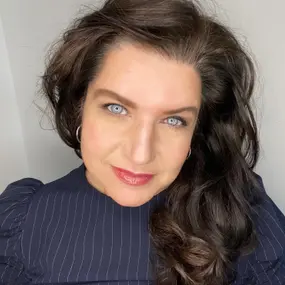
CEO Pop Venture
Nicole Guerrieri built a $40 million company, watched venture capital sell it, and spent the next decade building a new venture category.
Pop Venture (Ticker: POPVX) is the first venture interval fund that is broadcast, interactive, and available to every American for as little as $25, structured under the same legislation FDR signed in 1940 to open markets to all citizens. The infrastructure is built. The fund is SEC-registered. Everything is ready.
What comes next is an invitation to every American, to join the innovation economy, fuel the companies building it, and share in what they create.
To sharpen the fund's vetting and valuation process, Nicole acquired a legal services firm and used their IP to build Locker Diligence, the only company-driven private market intelligence platform of its kind. Founders build the record. Investors read it. The data finally moves in the right direction.
Nicole will tell you losing her first company is not the story. It's the credential. What she built after it is the point.
Pop Venture is where we venture together. And if we do this right, Americans will begin to root for each other again.