The Hidden Impact of Trauma on Your Nervous System and Health
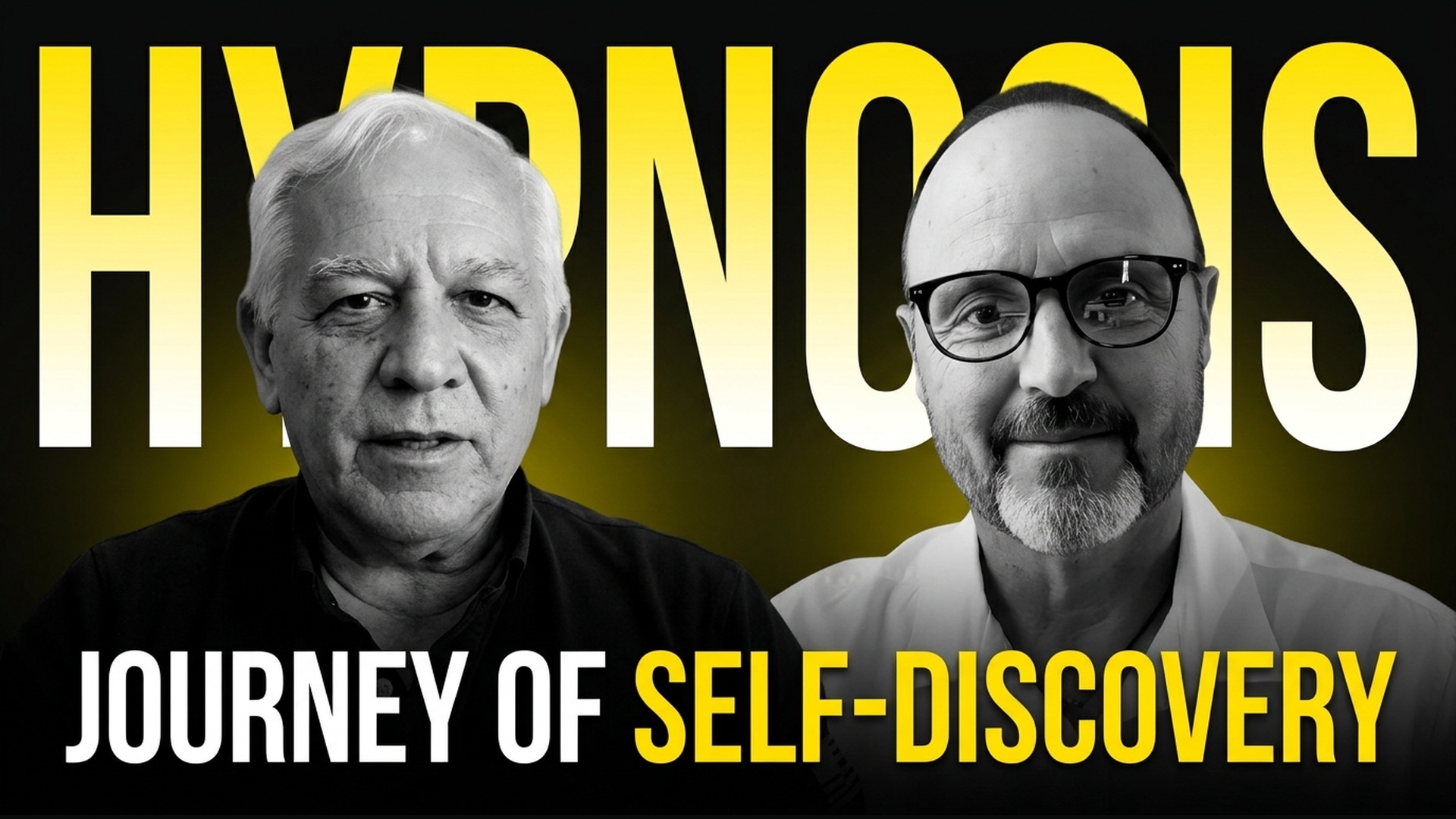
Welcome back to the podcast blog! In today's post, we're diving deep into a topic that often lurks beneath the surface, impacting our well-being in profound ways: the hidden toll of unresolved trauma on our nervous system and overall health. This blog post expands on the critical concepts discussed in our latest episode, "Hypnotherapy & Subconscious Healing for Trauma | Peter McLaughlin Interview." If you haven't listened yet, I highly recommend it. Peter McLaughlin's insights are truly eye-opening, and this blog will serve as a companion piece, breaking down the science and offering further exploration into the intricate connection between our past experiences and our present physical and emotional states.
Understanding the Nervous System's 'Fight-or-Flight' Response
Our nervous system is a marvel of biological engineering, designed to protect us from danger. At its core is the autonomic nervous system, which operates largely outside of our conscious control, managing essential bodily functions. Within this system, the sympathetic nervous system is our body's alarm system, responsible for the well-known "fight-or-flight" response. When we perceive a threat, whether it's a saber-toothed tiger or a looming work deadline, our sympathetic nervous system kicks into high gear. It triggers a cascade of physiological changes: our heart rate accelerates, our breathing becomes shallow and rapid, our muscles tense, and our digestion temporarily shuts down. This is a brilliant survival mechanism, preparing us to either confront the danger or flee from it.
The parasympathetic nervous system, on the other hand, is our "rest and digest" mode. It helps us calm down, conserve energy, and return to a state of equilibrium after the perceived threat has passed. Ideally, these two branches of the autonomic nervous system work in a balanced dance, switching on when needed and gracefully switching off to allow for recovery. However, in the modern world, we are constantly bombarded with stressors. Financial worries, relationship conflicts, information overload, and societal pressures can all trigger our fight-or-flight response. The problem arises when this response becomes chronic. Our bodies are not designed to be in a constant state of high alert. Imagine a smoke detector that never stops beeping; it becomes not only annoying but also incapacitating, making it impossible to function normally. Similarly, when our sympathetic nervous system is perpetually activated, it wears down our body and mind.
How Chronic Stress Rewires Your Brain and Body
The persistent activation of the fight-or-flight response, often referred to as chronic stress, has a profound and detrimental impact on our brain and body. Neuroplasticity, the brain's remarkable ability to reorganize itself by forming new neural connections throughout life, can be both a blessing and a curse. While it allows us to learn and adapt, chronic stress can actually rewire our brains in ways that are detrimental to our well-being. The amygdala, the brain's fear center, can become overactive, leading to heightened anxiety and a constant state of vigilance. Simultaneously, the prefrontal cortex, responsible for executive functions like decision-making, impulse control, and emotional regulation, can shrink. This imbalance makes it harder to manage our emotions, think clearly under pressure, and break free from negative thought patterns.
The physiological consequences of chronic stress are equally alarming. The constant influx of stress hormones like cortisol and adrenaline, while helpful in short bursts, can wreak havoc when sustained. They can suppress the immune system, making us more susceptible to illness. They can disrupt digestive processes, leading to issues like irritable bowel syndrome (IBS) or other gastrointestinal problems. Hormone systems can become dysregulated, affecting sleep, mood, and reproductive health. Blood pressure can remain elevated, increasing the risk of cardiovascular disease. In essence, our bodies are constantly in a state of emergency, and this prolonged state of activation diverts resources away from vital functions like repair, regeneration, and immune defense, ultimately leading to a decline in overall health and an increased susceptibility to chronic diseases.
The Subconscious Mind: A Time Capsule of Past Wounds
One of the most crucial concepts we explored in the episode, and one that deserves deeper examination, is the role of the subconscious mind. Our subconscious is a vast repository of memories, beliefs, and emotional experiences, many of which are not readily accessible to our conscious awareness. It's like a vast underground library, holding onto everything we've ever experienced, learned, and felt. Critically, the subconscious mind does not recognize linear time in the same way our conscious mind does. This means that past traumatic events, even those that occurred years or decades ago, can be re-experienced by the subconscious as if they are happening in the present moment.
When we encounter a trigger in our present life that resembles a past trauma, our subconscious can react with the same intensity as it did during the original event. This can manifest as sudden surges of anxiety, unexplained fear, emotional outbursts, or even physical symptoms. The fight-or-flight response gets triggered not by an immediate external threat, but by an internal, subconscious association. This explains why certain situations, sounds, or smells can evoke powerful emotional reactions that seem disproportionate to the current circumstances. These subconscious wounds act like unhealed emotional scars, constantly influencing our perceptions, behaviors, and reactions, often without us understanding why. Peter McLaughlin's work emphasizes how these deeply embedded patterns can drive our emotional and behavioral responses, creating cycles of stress and distress that are difficult to break through conscious effort alone.
Physical Manifestations: When Trauma Becomes Disease
The intricate connection between the mind and body means that unresolved trauma and chronic stress don't just stay in our heads; they often manifest as tangible physical ailments. As mentioned earlier, the constant activation of the stress response puts immense strain on the body. This can lead to a wide range of physical symptoms that may seem unrelated to any specific event. Chronic pain, fatigue, digestive disorders, autoimmune diseases, skin conditions, and even more serious illnesses can all be influenced, if not directly caused, by the cumulative effects of unresolved trauma.
Peter McLaughlin's own journey, as detailed in the episode, is a powerful testament to this connection. His diagnosis with a rare form of leukemia and Lyme disease shortly after 9/11 prompted him to explore the intersection of his physical health, his emotional state, and his subconscious experiences. He posits that many chronic conditions are not random occurrences but rather the body's way of signaling that something deeper needs attention. When the nervous system is perpetually on high alert, it diverts energy and resources away from normal bodily functions, including immune surveillance and cellular repair. Over time, this can create an environment conducive to disease. The physical symptoms become a loud, undeniable message from the body that the underlying emotional and psychological wounds need to be acknowledged and addressed.
Healing the Invisible: Hypnotherapy and Subconscious Rewiring
Given the profound influence of the subconscious mind, it's no surprise that addressing trauma often requires working with this often-overlooked part of ourselves. This is where modalities like hypnotherapy, as championed by Peter McLaughlin, become incredibly powerful. Hypnotherapy, when practiced by a skilled practitioner, is not about mind control or losing consciousness. Instead, it involves guiding an individual into a state of deep relaxation and focused attention, making them more receptive to suggestion and internal exploration. In this state, individuals can access their subconscious mind and revisit past experiences in a safe and controlled environment.
Through regression techniques, individuals can uncover the roots of their emotional patterns and physical symptoms. The key is not just to re-experience the trauma, but to reframe and reinterpret it. Hypnotherapy can help individuals gain new perspectives on past events, release the emotional charge associated with them, and integrate the wounded aspects of themselves. It's akin to updating the operating system of the subconscious mind, replacing old, maladaptive programming with new, empowering beliefs and understandings. This process allows the nervous system to begin to down-regulate, moving out of the chronic fight-or-flight state and into a more balanced and regulated mode. By neutralizing old wounds at the subconscious level, individuals can begin to experience profound shifts in their emotional well-being and physical health.
Beyond Suppression: The Power of Integration and Forgiveness
A common trap when dealing with difficult emotions or traumatic memories is suppression – the act of pushing them down and trying to ignore them. However, as we've discussed, the subconscious mind doesn't forget. Suppression only serves to keep these issues simmering beneath the surface, often manifesting in indirect and damaging ways. True healing, as Peter McLaughlin emphasizes, is not about eradicating or cutting out the parts of ourselves that have been wounded. Instead, it's about understanding, compassion, and integration. This means acknowledging all aspects of our experience, including the painful ones, and bringing them into conscious awareness with kindness and acceptance.
Integration involves weaving these fragmented parts of ourselves back into a cohesive whole. It requires self-compassion and a willingness to sit with discomfort. Forgiveness also plays a critical role. This doesn't necessarily mean condoning the actions of others or forgetting what happened. Rather, forgiveness is a release for oneself. Holding onto anger, resentment, or guilt creates emotional loops that keep us trapped in the past. Forgiveness, whether of oneself or others, allows us to let go of that emotional burden, freeing up energy for healing and growth. It's about choosing to move forward without the heavy baggage of past hurts. This process of integration and forgiveness is essential for emotional resolution and breaking free from the cycles of stress and suffering.
The Mind-Body Connection: Harnessing the Placebo Effect Within
The concept of the placebo effect is often misunderstood, sometimes even dismissed as mere psychological trickery. However, as explored in our conversation, the placebo effect is a powerful demonstration of the mind's extraordinary influence over physical outcomes. When a person experiences significant healing after receiving a sugar pill or a sham procedure, it's not just "in their head." It's evidence of the body's innate healing capacity, triggered by belief, expectation, and the body's interpretation of the situation. The placebo effect highlights the potent bio-chemical and physiological changes that can occur when our mind is convinced of a positive outcome.
By understanding and consciously harnessing this mind-body connection, we can tap into our own internal healing resources. This involves cultivating a mindset of hope, actively engaging in practices that promote well-being, and believing in our ability to heal. It’s about recognizing that our thoughts, beliefs, and expectations are not passive spectators but active participants in our health journey. When we approach healing with a sense of agency and optimism, we can amplify our body's natural regenerative processes. This isn't about denying the need for medical intervention when necessary, but rather about recognizing the immense, often untapped, power we possess to influence our own health outcomes.
Generational Healing: The Ripple Effect of Personal Transformation
One of the most profound takeaways from our discussion with Peter McLaughlin is the idea that healing is not solely an individual journey; it has a ripple effect that can extend to families and even across generations. Trauma, much like stress, can have a transgenerational impact. This means that the unresolved trauma experienced by parents or grandparents can influence the emotional and physical health of subsequent generations, even if they did not directly experience the original event. This is often referred to as intergenerational trauma or epigenetics.
Conversely, when an individual undertakes the brave work of healing their own trauma, they don't just liberate themselves; they also create a legacy of healing for their lineage. By breaking cycles of stress, anxiety, and unhealthy patterns, they pave the way for a more emotionally resilient and healthier future for their children and grandchildren. This concept underscores the immense power and responsibility that comes with personal transformation. Our efforts to heal ourselves are not only for our own benefit but also a gift to those who come after us, creating a ripple effect of well-being that can transform entire family systems.
Conclusion: Reclaiming Your Health Through Emotional Resolution
In this exploration, we've journeyed through the intricate landscape of how unresolved trauma silently impacts our nervous system and, consequently, our physical and emotional health. We've seen how the chronic activation of the fight-or-flight response can rewire our brains, dysregulate our bodies, and create a fertile ground for disease. The subconscious mind, acting as a time capsule for past wounds, can trigger present-day distress, often without our conscious awareness. As we heard in our deeply insightful episode, "Hypnotherapy & Subconscious Healing for Trauma | Peter McLaughlin Interview," Peter McLaughlin's own journey and his work with clients highlight that symptoms are often pointers to deeper, unresolved issues. The good news, however, is that healing is not only possible but also achievable through powerful methods like hypnotherapy, which allows for the rewriting of subconscious narratives and the integration of past hurts. By moving beyond suppression, embracing forgiveness, and understanding the profound mind-body connection, we can tap into our innate healing capacity. Ultimately, reclaiming our health is inextricably linked to emotional resolution. It's a journey of courage, self-compassion, and profound transformation, a journey that not only heals the individual but also radiates outward, creating a legacy of well-being for generations to come.

Beyond Tech: How Non-Software Businesses Can Claim Hidden R&D Tax Credits