The Cornerstone of Family Office Success: Why Trust Trumps Returns
Introduction: Beyond the Bottom Line - What Truly Matters in Family Offices
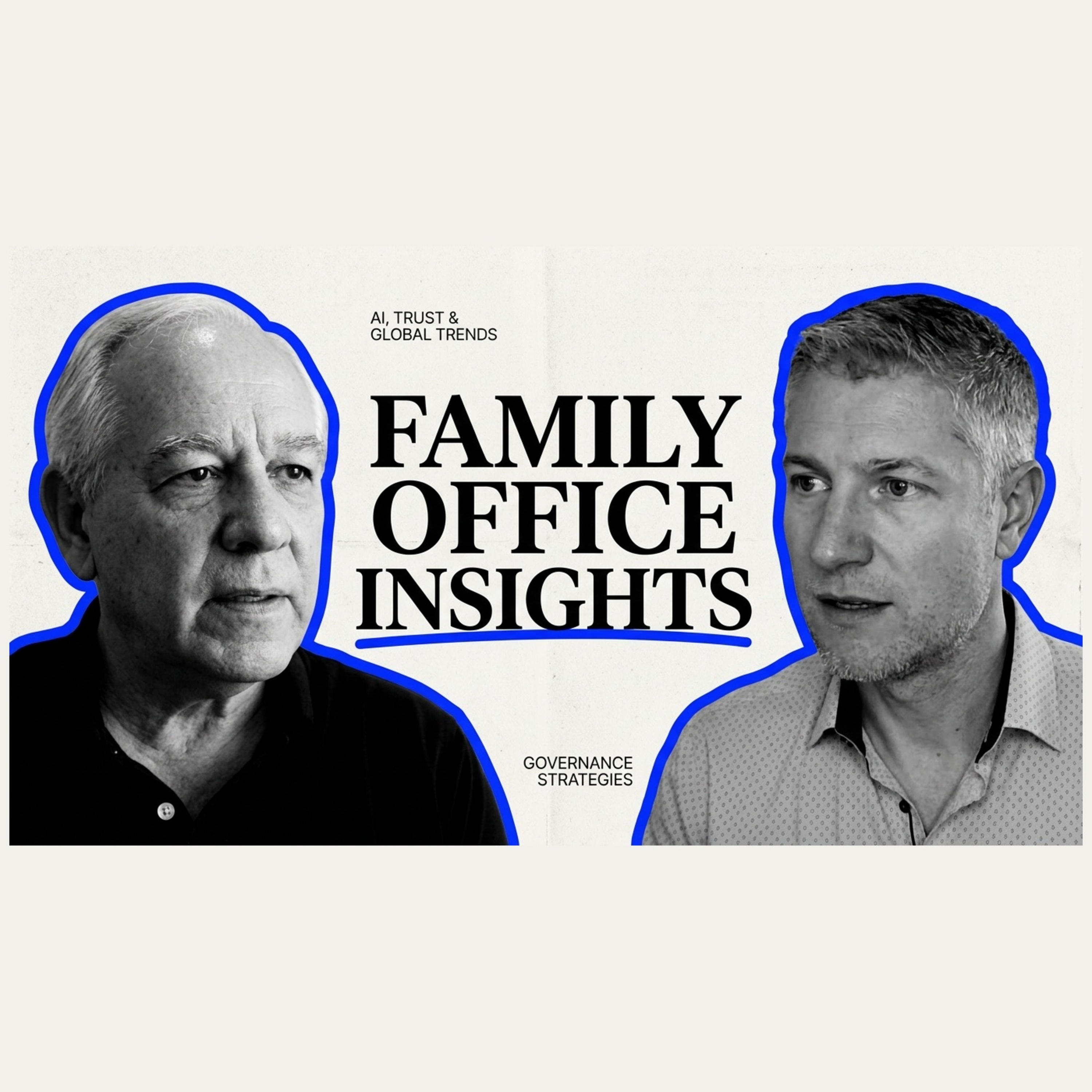
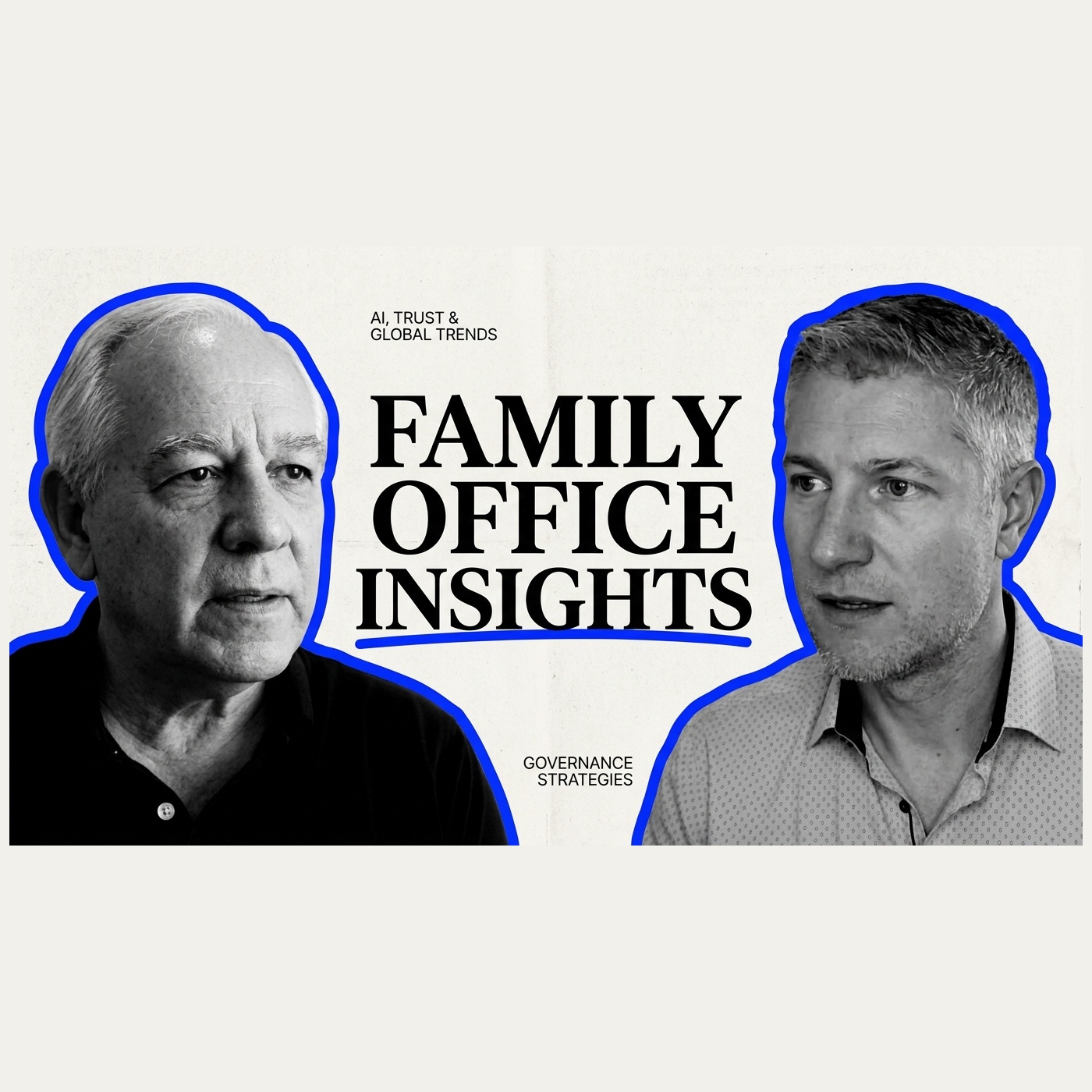
Welcome back to the blog! In our latest episode of Arthur's Round Table, we had the immense pleasure of hosting Stephan Gerwert, Head of Family Office Services at PwC Germany. His insights into the intricate world of family offices were truly illuminating, and in this post, we’ll be expanding on one of his most profound assertions: the paramount importance of trust in the success of a family office. We often associate investing with metrics, with spreadsheets filled with impressive returns and ambitious growth targets. But as Stephan so eloquently argued, for family offices, the equation is far more nuanced. It's not just about the numbers; it's about the relationships, the values, and the enduring legacy that transcends any single quarter's performance. This blog post will delve into why trust is the most critical currency in family office investing, exploring how long-term relationships and deeply ingrained family values form the bedrock of their decision-making, often taking precedence over short-term financial gains. If you haven't had a chance to listen to the full conversation, I highly encourage you to tune into Family Office Governance & Investment Strategy | Stephan Gerwert (PwC). It's a masterclass in understanding the unique dynamics that drive these sophisticated entities.
Stephan Gerwert's Core Tenet: Trust as the Ultimate Currency
Stephan Gerwert laid out a compelling case for trust as the supreme asset in the family office ecosystem. Unlike traditional investment funds that might be driven by a mandate to maximize returns for a diverse group of investors with varying risk appetites and time horizons, family offices are inherently personal. They are custodians of intergenerational wealth, tasked with preserving and growing capital not just for the present generation, but for many to come. This long-term perspective fundamentally alters the risk-reward calculus. Short-term market fluctuations, while noted, often take a backseat to the stability and integrity of the underlying investments and, crucially, the relationships with the advisors and managers overseeing them. Consider the implications of this. If a family office is considering an investment, the decision-making process isn't solely based on a projected ROI. It’s also about the character of the individuals leading the venture, their track record not just in financial terms but in ethical conduct, and their ability to communicate transparently and effectively. The family office is entrusting these external parties with not just capital, but with the future prosperity and potentially the reputation of the family itself. This is why relationships are built and nurtured over years, even decades. A strong, trusted relationship allows for open dialogue, even when challenging news arises. It fosters an environment where difficult conversations can happen constructively, without the immediate threat of a hasty exit based solely on a dip in performance. This deep-seated trust, therefore, acts as a powerful buffer against market volatility and fosters long-term commitment, which is often a prerequisite for unlocking the most lucrative and impactful investment opportunities, particularly in illiquid assets like private equity and venture capital.
The Long Game: Why Family Values Trump Short-Term Returns
Family offices are not ephemeral entities; they are designed to endure. Their investment philosophy is intrinsically linked to the family's values, their philanthropic endeavors, and their legacy. This deeply personal connection means that investment decisions are often guided by a broader set of criteria than just financial gain. For instance, a family might have a strong commitment to sustainability, ethical sourcing, or social impact. In such cases, an investment that offers slightly lower short-term returns but aligns perfectly with these values might be preferred over a higher-returning investment that contradicts them. This isn't about being financially irresponsible; it's about recognizing that true wealth encompasses more than just monetary figures. It includes reputation, social responsibility, and the ability to make a positive impact on the world. Family offices, by their very nature, are positioned to take this holistic view. They have the luxury of time and the deep understanding of the family's long-term aspirations to make decisions that might not be optimal in the immediate financial sense but contribute significantly to the family's overall well-being and legacy. Stephan Gerwert’s emphasis on this point highlights a crucial distinction: while all investors seek returns, family offices seek returns that are aligned with their identity and purpose. This alignment is built on a foundation of shared values and a commitment to a long-term vision, where trust in the partners who help achieve this vision is non-negotiable.
Building the Bedrock: How Relationships Shape Investment Strategy
The strategic direction of a family office is not set in stone, but it is certainly shaped by the people involved. The trusted advisors, the investment managers, the legal counsel – these individuals and firms become extensions of the family's decision-making apparatus. Their expertise is invaluable, but it is their relationship with the family, built on a bedrock of trust and mutual understanding, that truly dictates how investment strategies are formulated and executed. When a family office has a strong, long-standing relationship with an investment manager, for example, they are more likely to grant that manager the latitude to pursue opportunities that might seem unconventional or have longer gestation periods. This trust allows for greater flexibility and nimbleness, which are critical in navigating complex and rapidly evolving markets. Conversely, if the relationship is purely transactional, the family office might be more inclined to impose stricter short-term performance benchmarks, potentially limiting the scope of investment opportunities and hindering the ability to capitalize on emerging trends. Stephan Gerwert’s commentary on the personal nature of family office relationships underscores this point. It's not just about hiring a service provider; it's about forging partnerships based on shared vision and a deep commitment to the family's financial and personal objectives. This relational approach allows for more creative and impactful investment strategies, ultimately leading to more sustainable and meaningful wealth creation.
Governance: The Unseen Pillar of Family Office Success
While trust and relationships are paramount, they are not sufficient on their own to ensure the long-term success and sustainability of a family office. This is where governance comes into play, an aspect that Stephan Gerwert highlighted as often being undervalued. Robust governance frameworks provide the structure, transparency, and accountability necessary to manage wealth effectively, mitigate risks, and ensure that decisions are made in the best interests of all stakeholders, both present and future. For a family office, governance is not merely a set of rules; it’s a reflection of the family's values and their commitment to responsible stewardship of their wealth. This includes clearly defined roles and responsibilities for family members and external advisors, established processes for decision-making, risk management policies, and regular reporting and communication mechanisms. Without proper governance, even the most trusted relationships can falter, leading to disputes, inefficiencies, and potentially significant financial losses. Stephan’s emphasis on this point is critical because it highlights the often-overlooked operational backbone that supports the more visible investment strategies. A well-governed family office operates with clarity and purpose, building confidence not only among family members but also among the external partners with whom they collaborate. It provides the necessary discipline to execute even the most ambitious long-term strategies effectively and ethically.
AI and Technology: Navigating the Evolving Landscape
The financial world is in a constant state of flux, and the advent of artificial intelligence and advanced technologies presents both opportunities and challenges for family offices. Stephan Gerwert discussed how AI is beginning to reshape operations, particularly in areas like data analysis, risk assessment, and reporting. AI can process vast amounts of information, identify patterns, and provide insights that would be impossible for humans to discern alone. This can lead to more informed investment decisions, more efficient portfolio management, and a better understanding of market dynamics. However, the adoption of AI in the family office space is not a simple plug-and-play scenario. It requires careful strategic planning, significant investment in infrastructure, and a clear understanding of how these tools can best serve the family's unique needs and objectives. Furthermore, the human element remains crucial. AI can provide data and analysis, but it cannot replace the judgment, intuition, and trust that are at the core of family office decision-making. The challenge lies in finding the right balance – leveraging technology to enhance capabilities without sacrificing the personal touch and the deep understanding of family values that define these entities.
The Enduring Power of Excel in a Digital Age
It might seem counterintuitive in an era of advanced AI and sophisticated financial modeling software, but Stephan Gerwert pointed out a surprising truth: Excel remains a dominant force in family office reporting. This speaks volumes about the pace of technological adoption within this sector. While newer, more integrated systems are emerging, many family offices have established workflows and expertise built around Excel. The ubiquity of Excel, its flexibility, and the familiarity of its users make it a difficult tool to displace entirely. This reliance on Excel, while seemingly antiquated, also highlights a key characteristic of the family office environment: a preference for control and a measured approach to change. Family offices are often cautious about adopting new technologies without thoroughly vetting them and understanding their implications. They prioritize solutions that are reliable, customizable, and that they can fully understand and manage. While AI and other advanced tools will undoubtedly continue to gain traction, the enduring power of Excel serves as a reminder that in the world of family offices, practical utility and established comfort often win out over the allure of the bleeding edge, at least until those newer technologies prove their long-term value and reliability.
Agility and Expertise: The Strategic Choice of Outsourcing
In managing the complexities of wealth, family offices face a constant decision: whether to build internal capabilities or to outsource specific functions. Stephan Gerwert highlighted outsourcing as a strategic choice that can significantly enhance agility and access specialized expertise. For instance, instead of building a full-fledged legal department or a dedicated compliance team, a family office might choose to engage external law firms or compliance specialists. This allows them to tap into world-class expertise without the overhead and commitment of full-time hires. This approach is particularly beneficial in niche areas or in rapidly evolving regulatory landscapes. Outsourcing allows family offices to remain lean and focused on their core competencies, while ensuring that critical functions are handled by experts. It also provides flexibility, enabling them to scale services up or down as needed, without the challenges associated with hiring and firing. When executed strategically, outsourcing fosters a more agile and responsive family office, better equipped to navigate the complexities of wealth management and adapt to changing market conditions, all while maintaining the high standards of trust and integrity that are essential.
Conclusion: Cultivating Trust for Sustainable Family Office Growth
As we wrap up this exploration, it's clear that the insights shared by Stephan Gerwert in our latest episode, Family Office Governance & Investment Strategy | Stephan Gerwert (PwC), offer a profound perspective on what truly drives success in the family office world. While financial returns are undoubtedly a key objective, they are intrinsically linked to, and often subordinate to, the foundational element of trust. The long-term vision, the adherence to family values, the cultivation of strong relationships, and the establishment of robust governance are not merely optional extras; they are the essential building blocks upon which enduring wealth and legacy are built. Stephan's assertion that trust is the ultimate currency in family office investing is a powerful reminder that while technology and sophisticated strategies evolve, the human element—integrity, transparency, and reliability—remains the most valuable asset. By prioritizing these intrinsic qualities, family offices can cultivate a secure and prosperous future, ensuring that their wealth not only grows in financial terms but also flourishes in alignment with their core principles and aspirations for generations to come. Thank you for joining us on this deep dive, and we look forward to exploring more fascinating topics with you in future episodes and blog posts.

Beyond Tech: How Non-Software Businesses Can Claim Hidden R&D Tax Credits