Beyond the Hype: Separating AI Fear from Future Opportunity
Introduction: Addressing the AI Anxiety
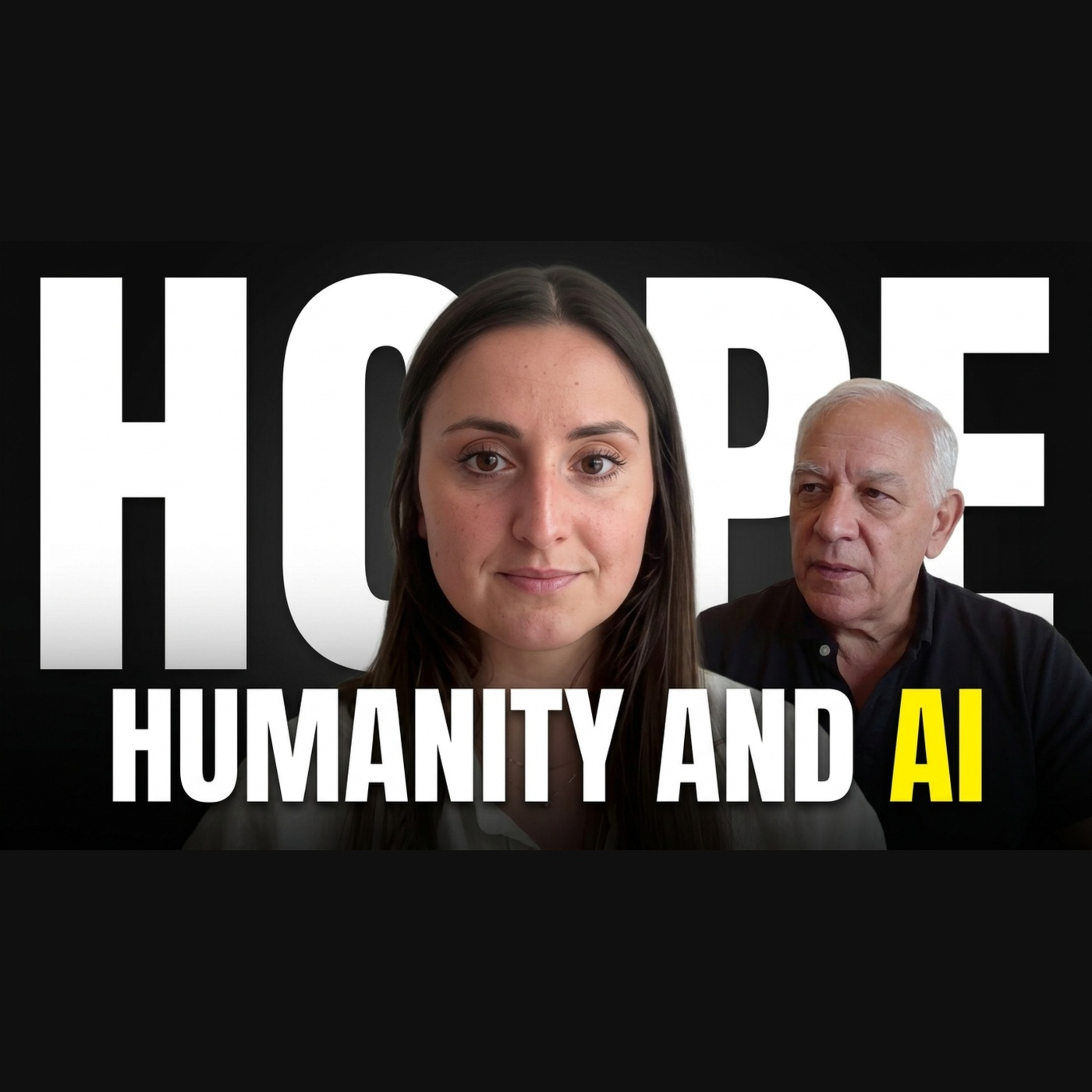
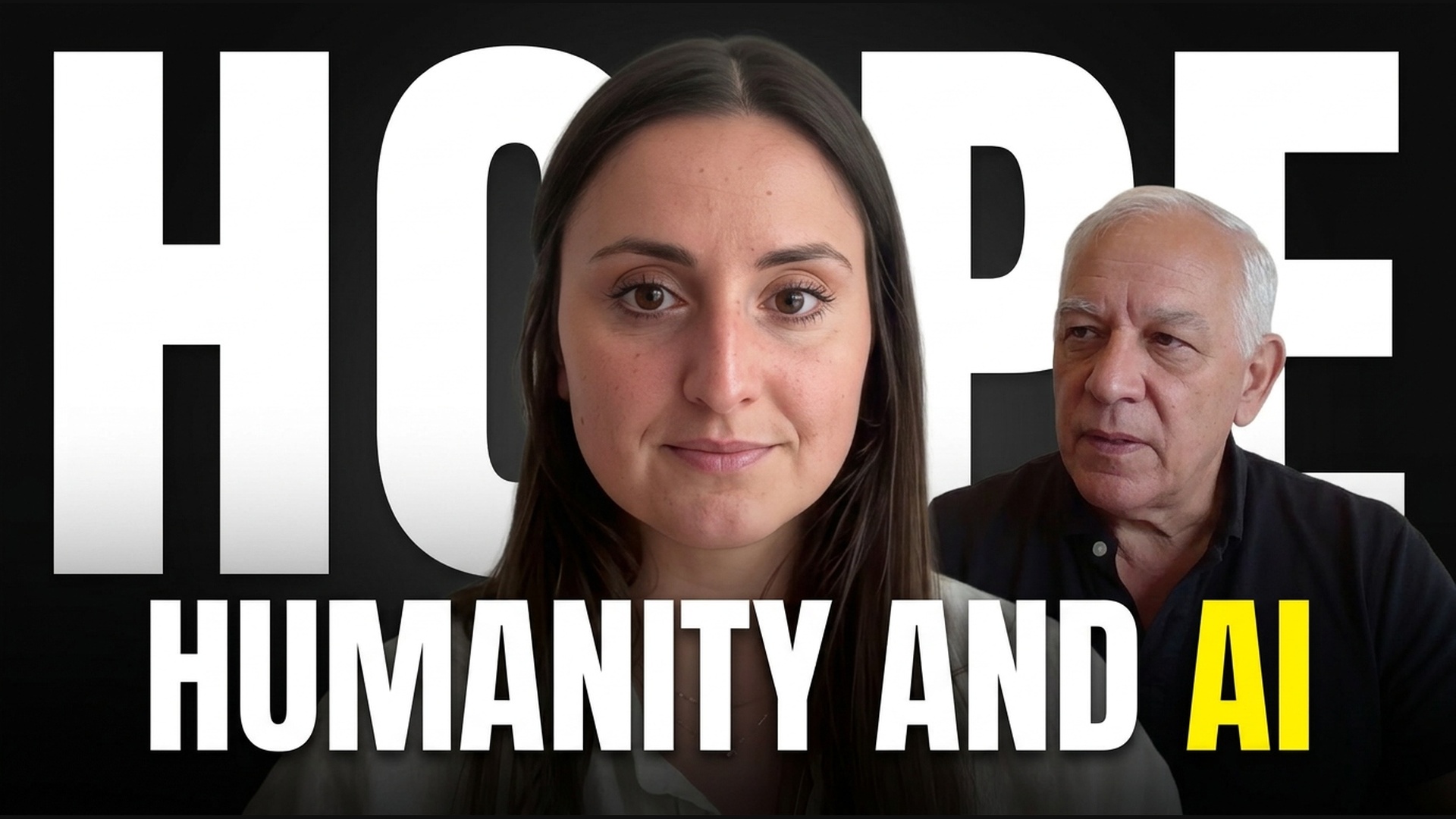
Welcome back to Arthur's Round Table! In our latest episode, we delved into a topic that's on everyone's minds, sparking both excitement and apprehension: Artificial Intelligence and its profound impact on the future of work. The conversation, featuring the insightful Tallulah Le Merle, was a deep dive into the anxieties surrounding AI, particularly the fear of widespread job displacement. However, as we explored, this narrative often overshadows the historical patterns of technological advancement and the significant potential for net job creation that innovation invariably brings. This blog post aims to expand on those crucial points, dissecting the common fears about AI and contrasting them with a more nuanced and historically grounded perspective on how technology, when harnessed thoughtfully, can lead to new opportunities and a more abundant future. If you haven't had a chance to listen yet, I highly recommend you check out our conversation with Tallulah Le Merle here: Future of Work & AI Investing Insights with Tallulah Le Merle. The sensational headlines and doomsday predictions about AI taking over jobs are pervasive. We hear about algorithms that can write, design, and even diagnose medical conditions. It's easy to get swept up in the fear that our current skill sets will become obsolete overnight, leaving millions without a livelihood. But as Tallulah eloquently articulated, this perspective often ignores the lessons of history. Technological revolutions, from the printing press to the internet, have always been met with similar anxieties. Yet, each of these advancements ultimately led to the creation of new industries, new roles, and a net increase in employment opportunities. Our goal here is to move beyond the hype and explore the tangible realities and future possibilities that AI presents, drawing directly from the invaluable insights shared in our discussion.
Historical Context: The Echoes of Past Technological Revolutions
To truly understand the current AI discourse, it's essential to cast our minds back and examine how humanity has navigated technological paradigm shifts throughout history. The Luddites, for instance, famously protested against new mechanized looms in the early 19th century, fearing the destruction of their livelihoods. Their concerns were valid for the individuals whose specific crafts were rendered obsolete. However, the Industrial Revolution, fueled by mechanization, ultimately led to unprecedented economic growth, urbanization, and the creation of countless new professions that couldn't have been imagined before. Factory workers, engineers, mechanics, and a host of supporting roles emerged from this transformative period. Similarly, the advent of the personal computer and the internet in the late 20th century sparked fears of mass unemployment due to automation. Yet, these technologies gave rise to entirely new sectors like software development, IT support, e-commerce, digital marketing, and a vast array of online services. The jobs that were displaced were often replaced by more productive, often less physically demanding, and more intellectually stimulating roles. This historical pattern suggests a recurring theme: technology doesn't just destroy jobs; it transforms the nature of work and creates new avenues for human endeavor. The key is not to resist change, but to adapt and evolve alongside it.
Tallulah Le Merle's Insights: Separating Fact from Fear
In our conversation, Tallulah Le Merle provided a crucial framework for understanding the AI landscape: separating the often fear-driven narrative from the factual opportunities. She emphasized that while it's natural to feel apprehension when faced with such a powerful and rapidly evolving technology, much of the current discourse is overstated. Tallulah's perspective, rooted in her experience as an investor and thought leader, is that AI is not an existential threat to human employment but rather a powerful tool that will reshape, rather than eliminate, work. Her insights are grounded in the belief that technological advancement, when approached with a focus on positive-sum outcomes, can drive abundance and elevate human potential. Instead of fixating on the jobs that might be lost, she encourages us to look at the new roles, industries, and efficiencies that AI will enable. This requires a shift in mindset, moving away from a zero-sum view of job displacement to a more dynamic understanding of economic evolution. The fear-based narratives, while attention-grabbing, often obscure the long-term benefits and the ways in which humans will continue to be indispensable.
The AI Paradox: Job Displacement vs. Net Job Creation
The most prominent fear surrounding AI is undoubtedly job displacement. It's true that AI systems are becoming increasingly capable of performing tasks that were once exclusively human domains. From customer service chatbots to sophisticated diagnostic tools in healthcare, AI is automating processes across a wide spectrum of industries. However, the paradox lies in the fact that this automation, when viewed historically and holistically, is likely to lead to net job creation. Tallulah highlighted that while millions of jobs may be displaced, significantly more will be created across new industries and roles that we can't even fully conceptualize today. Consider the rise of prompt engineers, AI ethicists, AI trainers, and specialized AI integration consultants. These are roles that simply didn't exist a decade ago. Furthermore, AI's ability to increase productivity can lower the cost of goods and services, leading to increased demand and, consequently, job growth in related sectors. AI can also empower small businesses and entrepreneurs, enabling them to compete on a larger scale and create more employment opportunities. The displacement is real for specific individuals and roles, but the aggregate effect is likely to be expansion, not contraction, of the labor market.
The Enduring Value of Human Capabilities: Creativity, Intuition, and Empathy
As AI commoditizes knowledge and analytical tasks, uniquely human capabilities become the true differentiators and the edge in the evolving workforce. Tallulah Le Merle stressed the increasing value of traits like creativity, intuition, judgment, and empathy. These are qualities that AI, at least in its current and foreseeable iterations, struggles to replicate authentically. Creativity is the engine of innovation. While AI can generate novel combinations of existing data, it doesn't possess the spark of genuine original thought, the ability to connect disparate ideas in entirely new ways, or the artistic expression that comes from lived experience and emotional depth. Intuition, that gut feeling that guides decision-making in complex or ambiguous situations, remains a distinctly human advantage. Empathy, the capacity to understand and share the feelings of others, is crucial in roles that involve human interaction, caregiving, leadership, and building meaningful relationships. Judgment, the ability to weigh nuanced factors, ethical considerations, and subjective outcomes, is vital in fields where AI's purely logical output might be insufficient or even detrimental. These human attributes will not be replaced; they will become more sought after and central to the future of work.
The Evolving Landscape of Work: Meaningful and Embodied Roles
The future of work, as articulated by Tallulah, is shifting away from purely cognitive, repetitive tasks towards roles that are more meaningful, relational, and embodied. This signifies a move towards work that engages our full human selves. Embodied work, for instance, refers to roles that require physical presence, dexterity, and interaction with the physical world – roles that AI currently cannot perform. Think of skilled trades, hands-on craftsmanship, caregiving, and many service industry roles. Relational work will also become increasingly vital. Jobs that require building trust, fostering collaboration, and nurturing human connections will be in high demand. This includes roles in education, therapy, coaching, community organizing, and leadership. Meaning-driven work, where individuals are motivated by a sense of purpose and contribution, will become a greater focus. As AI handles more of the mundane, humans will have the opportunity to focus on work that aligns with their values and contributes to society in a more profound way. This evolution doesn't just mean new jobs; it means work that is potentially more fulfilling and aligned with our intrinsic human needs.
AI as a Catalyst for Efficiency and Innovation
Beyond the job market implications, AI holds immense potential as a catalyst for efficiency and innovation across all sectors. Tallulah pointed out that AI can significantly reduce inefficiencies, lower costs, and improve sustainability. Imagine AI optimizing supply chains to minimize waste, developing more efficient energy grids, or accelerating the discovery of new materials and medicines. In healthcare, AI can assist in early disease detection, personalize treatment plans, and streamline administrative tasks, freeing up medical professionals to focus on patient care. In education, AI can provide personalized learning experiences, identify students who need extra support, and automate grading, allowing teachers to dedicate more time to instruction and mentorship. The potential for AI to accelerate scientific discovery is immense, enabling researchers to analyze vast datasets, identify patterns, and formulate hypotheses at unprecedented speeds. This surge in efficiency and innovation is likely to create new economic opportunities and drive societal progress, ultimately leading to a more abundant and sustainable future.
The Investor's Compass: Navigating AI Opportunities and Responsibilities
For investors, navigating the AI landscape requires a strategic and responsible approach. Tallulah Le Merle emphasized the critical role of capital allocation in shaping the future of AI. Investors have the power to influence whether AI development leads to ethical advancements and responsible innovation or exacerbates existing inequalities. The focus for investors, as Tallulah suggests, should be on positive-sum outcomes. This means investing in companies that are not only developing groundbreaking AI technologies but are also doing so with a commitment to societal benefit. This includes considering the ethical implications of AI, ensuring fairness and transparency in algorithms, and prioritizing solutions that enhance human well-being and create broad-based opportunities. Investors who understand the long-term implications and the enduring value of human capabilities will be better positioned to identify sustainable and impactful AI opportunities, guiding capital towards a future where technology serves humanity.
Conclusion: Embracing the Future with Hope and Strategy
The conversation with Tallulah Le Merle on Arthur's Round Table was a powerful reminder that while anxieties surrounding AI are understandable, they should not overshadow the immense opportunities that lie ahead. History has shown us that technological disruption, while challenging, ultimately paves the way for progress and new avenues of human endeavor. As we've explored in this post, the fear of AI-driven job displacement is often countered by the historical trend of net job creation and the emergence of entirely new industries. Tallulah's insights underscore the enduring value of our uniquely human capabilities – our creativity, intuition, empathy, and judgment – which will become even more critical in an AI-augmented world. The future of work is not about humans versus machines, but about humans working alongside intelligent machines to achieve unprecedented levels of efficiency, innovation, and meaning. By shifting our focus from fear to strategy, and by investing in responsible innovation, we can navigate this transformative period with hope and ensure that AI serves as a catalyst for a more abundant and equitable future for all. Thank you for joining us on this exploration, and we encourage you to listen to the full episode to gain even deeper insights from Tallulah Le Merle.

Beyond Tech: How Non-Software Businesses Can Claim Hidden R&D Tax Credits