Apple Podcasts
 Spotify
 YouTube
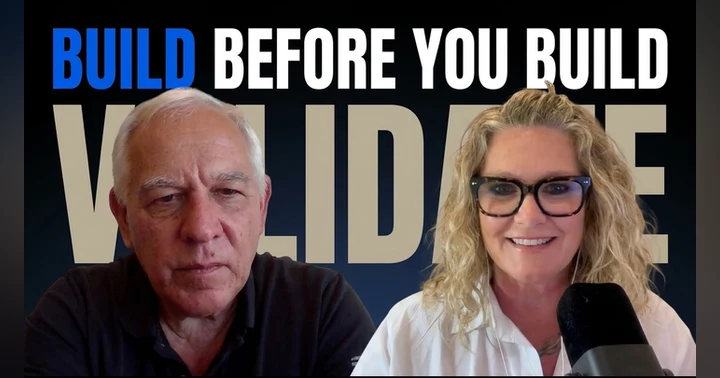
 Why Building a Product Is Not the Same as Building a Company | Elizabeth McCalley
Key Takeaways
- Building a product is not the same as building a company, and treating them as identical is one of the most common mistakes startup founders make.
- While artificial intelligence has dramatically reduced the cost and difficulty of building software, it also enables founders to build the wrong thing much faster.
- Elizabeth McCalley notes that startup pivots can cost anywhere from $40,000 to $500,000, making early validation one of the highest-return investments an entrepreneur can make.
- A structured business-planning methodology helps ensure that product features, target markets, financial assumptions, and go-to-market strategies fit together coherently rather than existing as disconnected reports.
- Start Stack focuses heavily on navigating the critical, often-overlooked gap between having an initial idea and achieving true product-market fit.
In this episode of Family Office Investing Podcast & Investor Insights | Arthur's Round Table, Arthur Bavelas sits down with Elizabeth McCalley, founder of Start Stack, to explore one of the biggest mistakes founders make:
Building a product is not the same as building a company.
Elizabeth spent approximately 15 years at IBM before working with companies including Workday and Salesforce. Across sales, strategy, product management, commercialization, and enterprise technology, she developed a deep interest in taking new ideas into markets and figuring out what customers will actually buy.
Today, Start Stack focuses on the often-overlooked period between having an idea and achieving product-market fit.
AI has dramatically reduced the cost and difficulty of building software and launching products. But Elizabeth argues that easier building creates a new danger:
Founders can now build the wrong thing faster.
The fundamental questions haven't changed:
• What problem are you solving?
• Who actually cares?
• Who will pay for it?
• What market are you serving?
• How will you acquire customers?
• Do the economics work?
Elizabeth describes Start Stack's roughly 45-step business-planning methodology, covering company purpose, market strategy, resource planning, commercialization, and an investable business plan.
A key philosophy is:
The founder does the work. AI supports the process.
Rather than generating disconnected reports, the goal is a coherent business where product, market, financial assumptions, buyers, resources, and go-to-market strategy all fit together.
Arthur and Elizabeth also discuss the hidden cost of startup pivots. Elizabeth says pivots can cost roughly $40,000 to $500,000, making earlier validation potentially one of the highest-return investments a founder can make.
They also explore how the same structured information could eventually help investors perform faster, more standardized early-stage diligence.
What You'll Learn
• Why product creation and company building are different
• How founders can validate demand earlier
• Why AI does not replace commercialization
• How to reduce expensive startup pivots
• Why disconnected AI reports can create false confidence
• How better planning reduces marketing waste
• Why corporate executives often underestimate entrepreneurship
• How investor diligence may become more efficient
About Elizabeth McCalley
Elizabeth McCalley is the founder of Start Stack and a commercialization specialist whose career includes IBM, Workday, Salesforce, enterprise technology, sales, strategy, product management, and go-to-market execution. Today she is building systems designed to help founders make better decisions before scarce capital is spent.
Big Insight: AI has reduced the cost of building. It has not eliminated the need to know what is worth building.
#Startups #Entrepreneurship #ArtificialIntelligence #ProductMarketFit #StartupStrategy #FamilyOffice #VentureCapital #Founder
Educational discussion only. Nothing in this episode constitutes investment, legal, tax, business, accounting, or financial advice.
Want to learn more about Family Office Insights? Click Here.
Frequently Asked Questions
Who is Elizabeth McCalley?
Elizabeth McCalley is the founder of Start Stack and a commercialization specialist with extensive experience across IBM, Workday, and Salesforce, focusing on helping founders validate ideas before spending scarce capital.
Why is building a product different from building a company?
Building a product focuses purely on creation, whereas building a company requires solving fundamental business questions around market demand, customer acquisition, pricing, and economic viability.
How does artificial intelligence impact early-stage startup building?
AI makes software development and product launches much cheaper and faster, but it does not replace the critical need for market validation and knowing what is actually worth building.
What are the hidden costs of startup pivots?
Unvalidated assumptions lead to costly startup pivots that can range from $40,000 to $500,000, which highlights the financial importance of early market diligence.