The True Cost of Startup Pivots: Why Early Commercial Validation Saves Founders Up to $500K
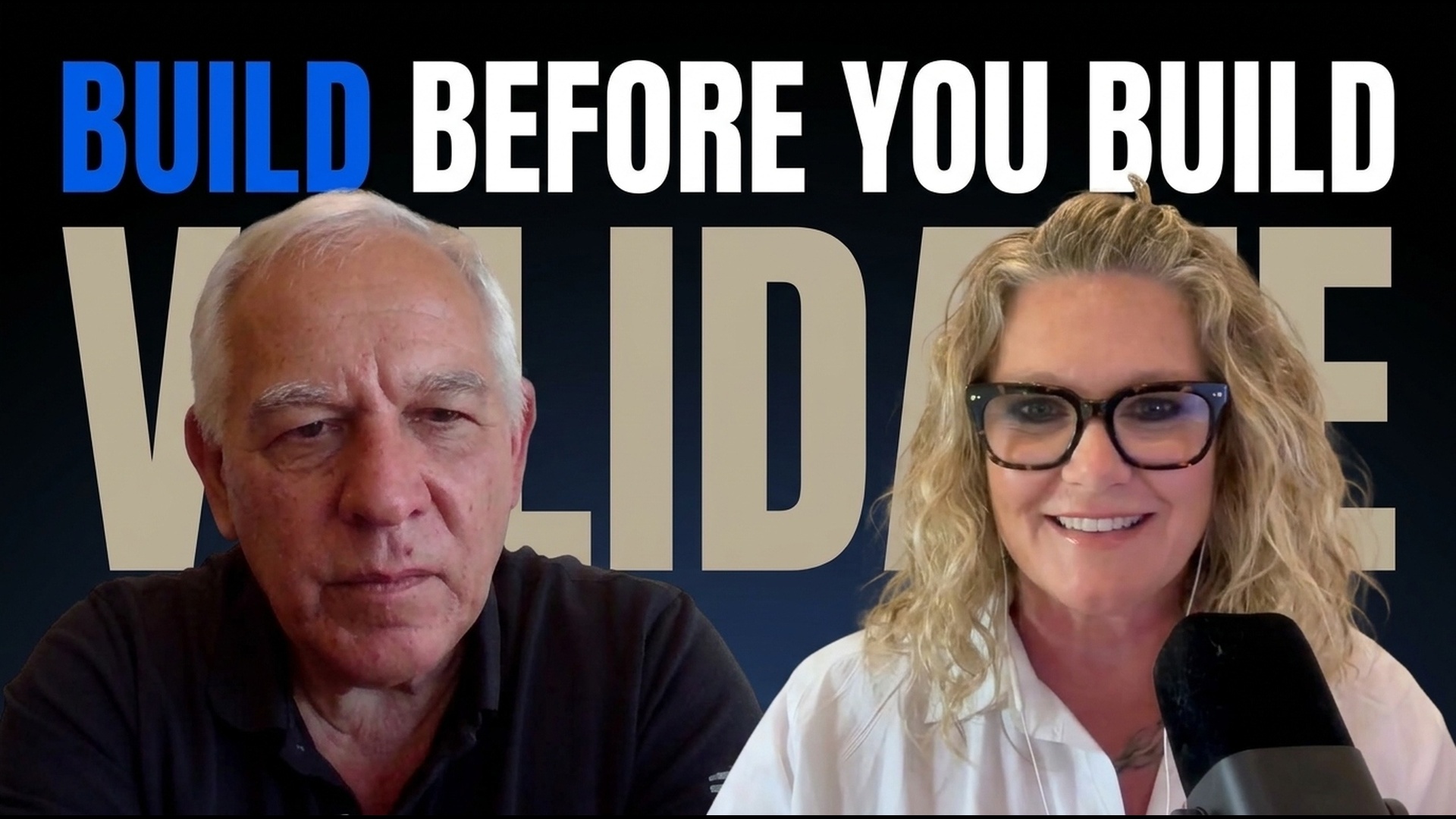
Startup pivots are often romanticized as a normal part of the entrepreneurial journey, but they carry a staggering financial and operational toll. While AI has made writing code cheaper than ever, changing your company's core direction after launch frequently costs between $40,000 and $500,000 in wasted resources, delayed revenue, and burned equity. Founders can drastically reduce these expensive course corrections by separating product creation from rigorous commercial validation.
Key Takeaways
- Startup pivots typically cost between $40,000 and $500,000 in wasted development, lost time, and squandered marketing resources.
- Easier software development driven by artificial intelligence encourages founders to build the wrong product faster.
- True commercial validation requires answering foundational business questions about buyers, pricing, and market demand before writing code.
- A structured business-planning methodology ensures that product features, financial assumptions, and go-to-market strategies align from day one.
- Early-stage investors benefit significantly when founders present standardized commercial proof rather than disconnected technical prototypes.
The Hidden Financial Reality of Startup Pivots
When an early-stage company realizes its product does not fit the market, the default response is usually to pivot. Founders gather their teams, reallocate engineering hours, rewrite marketing copy, and chase a different audience segment. However, every pivot represents a reset of accumulated institutional knowledge and a direct drain on the company's remaining runway.
The financial damage of a pivot goes far beyond the obvious engineering hours required to refactor software. It includes the opportunity cost of delayed sales conversations, frustrated early customers who feel abandoned, and burned-out employees who signed up to solve a different problem. For bootstrapped companies, a single major pivot can mean the end of the business. For venture-backed startups, it can trigger a down round or force founders to accept unfavorable terms just to survive.
Why AI Has Accelerated the Risk of Pivoting
Artificial intelligence tools have fundamentally altered the economics of software development. Tasks that once required a team of specialized engineers for six months can now be prototyped by a single founder in a weekend. While this democratization of technology is celebrated, it has introduced a dangerous new form of friction: the temptation to build first and think about business viability later.
Because code is cheap, founders often mistake the act of building a functional product with building a viable company. They build robust, beautifully designed applications for problems that nobody actually cares about or is willing to pay to solve. When the product launches to crickets, the founder is forced into an expensive pivot that could have been entirely avoided with upfront market research and commercial diligence.
Separating Product Creation from Company Building
Building a product means writing code, designing user interfaces, and ensuring the software functions correctly. Building a company means defining a repeatable, scalable business model that generates sustainable revenue from a clearly identified target market.
Many technical founders fall into the trap of assuming that a great product will naturally sell itself. They spend months optimizing database queries or tweaking user onboarding flows while ignoring basic commercial realities. To protect capital and avoid catastrophic pivots, founders must subject their ideas to rigorous business scrutiny before allocating engineering resources.
Essential Questions for Pre-Build Validation
Before writing a single line of code or prompting an AI coding assistant, founders must answer a series of fundamental commercial questions:
- What specific, painful problem are you solving for your target user?
- Who actually cares about this problem, and how are they currently solving it without your software?
- Who within an organization holds the budget and possesses the authority to pay for your solution?
- What exact market segment are you serving, and is that segment large enough to support a venture-scale business?
- How will you acquire customers in a cost-effective manner that yields a healthy lifetime value to customer acquisition cost ratio?
- Do the fundamental unit economics work at scale, or does every new customer lose money for the company?
Implementing a Structured Business Planning Methodology
Avoiding expensive pivots requires a disciplined, methodical approach to business planning that goes far beyond a generic pitch deck. A comprehensive commercialization framework typically involves dozens of distinct steps spanning company purpose, market strategy, resource planning, and financial modeling.
Crucially, this validation work must be performed by the founder themselves rather than outsourced entirely to consultants or generated as disconnected reports by artificial intelligence. AI is an exceptional tool for accelerating research and summarizing data, but it cannot replace the deep intuition and conviction a founder gains by directly interviewing prospective buyers and testing pricing hypotheses.
When product features, financial assumptions, buyer personas, and go-to-market strategies all fit together cohesively, the resulting business plan acts as a strategic roadmap. It minimizes the likelihood of mid-stream surprises and ensures that every dollar of venture capital is deployed against validated market demand.
Conclusion
The glamorization of startup pivots often masks the severe financial destruction they cause. By shifting focus from rapid product generation to rigorous commercial validation, founders can preserve precious capital, extend their runway, and build companies designed for long-term survival rather than temporary hype.
To dive deeper into the mechanics of early-stage commercialization, enterprise strategy, and how elite investors evaluate foundational business models, Listen to the full episode featuring Elizabeth McCalley.
Frequently Asked Questions
How much does a typical startup pivot cost?
Startup pivots typically cost between $40,000 and $500,000 when accounting for wasted engineering hours, delayed go-to-market execution, lost customer trust, and burned capital.
Why does AI increase the risk of expensive pivots?
AI has dramatically reduced the cost and time required to build software, making it easier for founders to build functional products without first validating whether anyone is willing to pay for them.
What is the difference between building a product and building a company?
Building a product involves writing code and creating software features, whereas building a company requires establishing a scalable business model, identifying paying buyers, and proving market demand.
Why shouldn't founders rely entirely on AI to write their business plans?
While AI can accelerate research, disconnected AI-generated reports can create false confidence. Founders must personally engage in commercial validation and customer discovery to truly understand market needs.
Relationship as Currency: How Family Offices Evaluate Character in Private Markets