Apple Podcasts

 Spotify

 YouTube
From Immigrant Roots to Business Loan Empire: Oz Konar’s Journey in Alternative Lending.
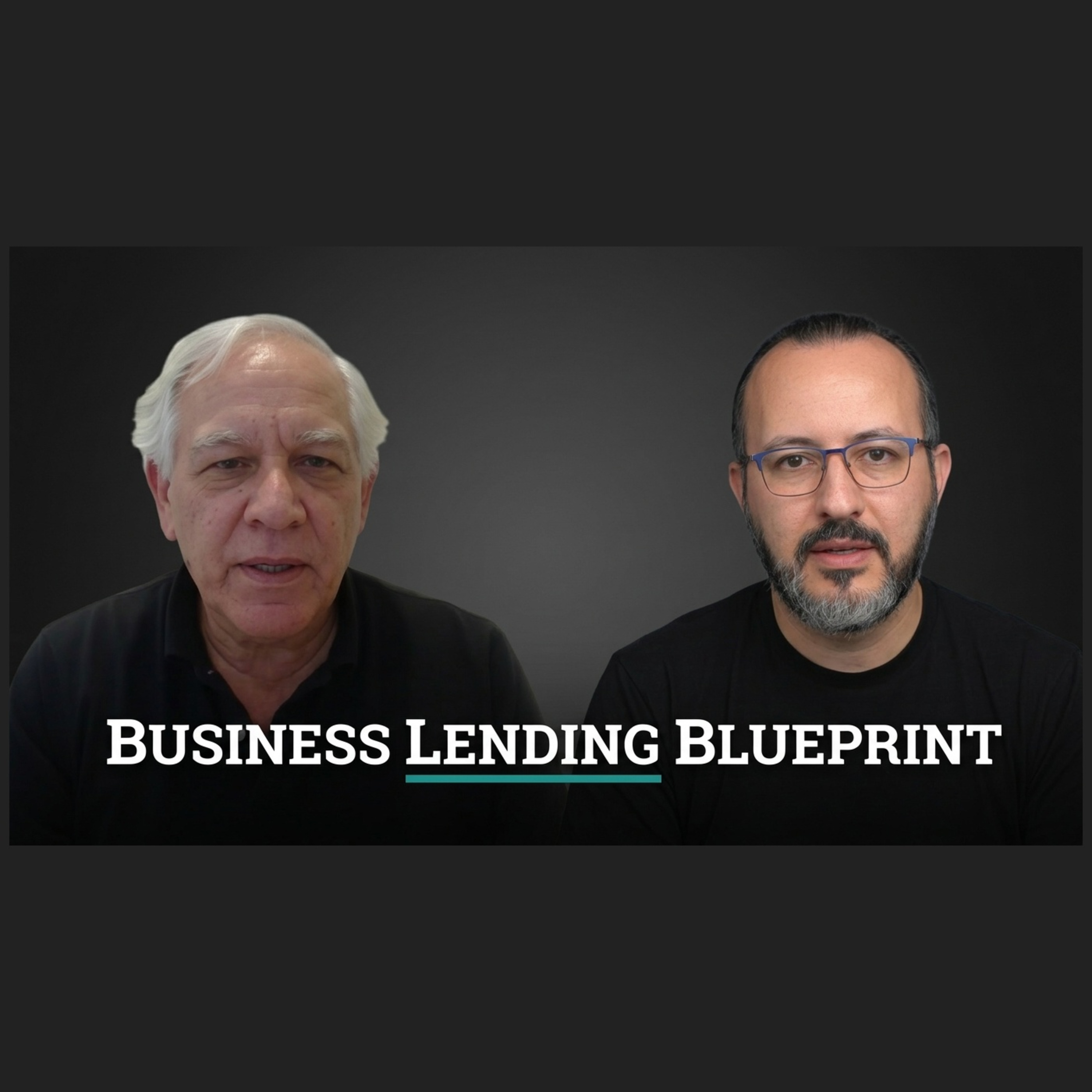
Discover how Oz Konar transformed personal adversity into an innovative business model that now trains thousands of entrepreneurs in the small business lending industry. This episode explores the complexities of financing small businesses, leveraging AI for pre-qualification, and future industry trends, offering actionable insights for aspiring loan brokers and small business owners alike.
Key Topics:
• Oz’s immigrant background and early struggles with business failure and bankruptcy
• How personal financial adversity inspired Oz to enter and innovate in the lending industry
• The evolution from direct sales to marketing agency specializing in loan brokerage
• Building Business Standing Blueprint: training 7,000+ brokers across the U.
S.
• The role of AI in pre-qualifying and qualifying leads efficiently
• The gap in funding for small businesses and how lenders seek reliable lead sources
• Industry trends: private credit, private equity, and shifts post-SVP failure
• The impact of regulation and bank reluctance on alternative lending growth
• Opportunities for entrepreneurs to enter the lending space through training and syndication
• Future outlook: increased demand driven by economic and technological factors
Want to learn more about Family Office Insights? Click Here.
0:01 Hello, welcome everybody to another episode of Arthur's Round Table. Thanks for being with us today. And also big shout out to the family office insights community and people who have subscribed to the Arthur's Round Table podcast. Super grateful where you're sharing and participating and really, really appreciate it. So thank you for that. We have a guest, Oz today and we're super anxious to hear about what his business is all about. And and Oz, if you could start with the beginning of your journey, that would be awesome. Sure, Arthur, first of all, thanks for having me. So I am, I come from an immigrant family. So I came to the United States when I was 17 years old.
0:43 My father had been here prior to us. So we will, we were expecting like a nice, you know, financial cushion, come here, go to school. But it, it couldn't have been different. So when we arrived here with my sister and my mom, I didn't speak a word of English. My English is still not amazing. But back then it was not existent. So we find out that my father's small business was like a failing business. And it was kind of dabbling to try to figure out. And six months into our arrival, he had to file for bankruptcy, right? And then as you can imagine, caused a lot of havoc and chaos and also trauma for someone who's like 1718 years old and my younger sister was like 14. We were just trying to get jobs and work and pay off debt and, and taxes and all of that.
1:29 So that took us about 6 years to kind of break even because between trying to figure out, well, how the US system works now to get a job and at the same time go to school and things like that. But through that time, one thing that stay with me that that bugging question is why did this happen, right? So which led me to get into the financial services industry. I'll tell a little bit about my back story if you don't mind. I was trying to understand what country. By the way. I'm originally from Turkey, yeah. Took a share of data, yeah, so. What's that? I was trying to speak Turkish to you. Oh, yeah, Yeah, I heard that. You're welcome. I think it's just a thank you. Yeah.
2:11 Yeah. So that question kept bugging me, like, why did this happen? Why did this happen? I just didn't know. Then I noticed that. Well, I, I will not find out about like why he, although he, he was great at his skill set, his trade, he didn't understand the finances, money and the whole thing could have been avoided if he had access to maybe a business line of credit or like a mentor and stuff like that. So that put me through my college years. Oddly enough, I did a double major in biology and chemistry had nothing to do with finances. And I graduated with a degree and I had the option to go to medical school. I was a pre Med, but I found out that medical school cost a lot of money, which I didn't have at the time. So I got a sales job like most people do, selling door to door and various things from like POS systems, the credit card processing. So I was kind of tiptoeing into the finances and how money works, which gave me a lot of exposure to get to know like wealthy people, people who own businesses. They're doing really, really well. And you and I were chatting about our background in New York, right?
3:09 So get it, going into New York, you can see people who are homeless. You can also see billionaires who are making so much. There's no, there's no, there's. No, on the same sidewalk. Right on. The same sidewalk taking sometimes the same subway, right? And then that was like a big eye opener for me to understand. But I still didn't really understand how finances or financial literacy works until I was networking with a sales guy who was in the loan business selling loans to small businesses. And then he told me how the whole thing works. And to be a quite honest, I just went over my head. I didn't understand what I was talking about. I said, all right, I what, what does that mean to for me? And he said, well, as you have contacts with within the restaurant industry, that's what my niche was. I was helping them get set up with those, you know, touchscreen POS systems. When you go to a bar, they take your card. Nice business, yeah.
3:55 Yeah, I was, Yeah, I used to work for NCR, one of the biggest providers, like they're one of the biggest builders of the ATM systems as well. So nice corporate job. And I, I started to make some money being in the New York office. Nice fancy office and things like that. And he said that they are the ones who need the most amount of capital. I didn't what I didn't know back then was the restaurants are in really thin margins for the most part. So they operate sometimes off of debt. And it it made sense because I was trying to get 2530 K out of them for these systems that when you're setting up five six of these at a bar, they show them cost 3 to $5000 back then, right? So probably right now there are other options. So it made sense. So we built like a affiliate relationship.
4:35 I used to give him like referral leads from restaurant owners who need capital in return. Once they have the money, the plan was for them to give it to me so I can offer my services. Yeah, great partnership. But on my 4th referral to him, I found out that he actually funded the customer. And then he gave me a call to to meet up again and he handed me an envelope with a check with my name on it. It was $4000. So that was the biggest amount of Commission I made until that point from just one transaction that I wasn't even involved in because my sales process usually would take 2-3 calls, take the units, carry them, they're all like each £10 the restaurant to showcase the demo and all of that, right. And this guy gives me a check for like 4000. I'm like, what could have possibly happened in that meeting of yours that you got them the money and it my cut is 4000.
5:23 Like they just the math just was not mathing. And obviously like any person with average intelligence would do, I dug into it. I'm like, what is going on? I'm closest to money now. And they opened up so much, so many doors and I switched careers to become a business loan broker. And when I did this, there were not a whole lot of funding options for them, right? We only had like term loans and merchant cash advance and things like that. But then I, as being a curious person, I was very tired of finding customers through telemarketing and cold calling. Like I was calling 600 people a day out of the office basically 3 days of the week. The other two days it would be just pulling on doors or attending my appointments. You know, New York and summers are hot, winters are cold. So it's not the best thing you can do for your body and for your mind.
6:08 I was getting pretty burnt out and I wanted to learn how to do it through marketing, which I knew nothing about. So I invested in a bunch of courses and mentors and things like that. And I figured there's like a big gap in the alternative lending in this sheet. All of these big guys in the lending space were had this, they had this like boiler room, Wolf of Wall Street vibe, like a, you know, office full of dudes dialing and smiling and dialing type of thing, right. And I, I became the marketing guy. I told them you don't need all these people. We can actually send an e-mail to your list so we can do paid advertising and get you in front of like, you know, higher quality leads. That started the agency part of the brokerage, Like I was becoming a marketing agency specifically for anyone doing loans, right, which took off. We were doing fine.
6:49 A main problem was the problem that I didn't anticipate the business owners not wanting to do marketing. They wanted their guys and girls to keep dialing, right. So they were kind of using old school systems. And then I kept talking about, I started shooting YouTube videos at this point talk about how like this my process is more efficient, but even sending a million called emails is better than having, you know, 50 guys call in the office. Why do you think us? Why do you think they wanted to do it old school? I don't think they understood how it worked because it required a different funnel, right? So their existing funnel was like, I go to Arthur. Arthur is the data guy. I can buy a million records from him for like $0.50 each. Give it to my guys, they have a script and they smile and dial and the transaction happens. My process is required for them to update their website, have a an opt in funnel, paid advertising or organic or lead generation and someone would need to open those leads meaning call and qualify, hand it off.
7:44 So required a big change in their mind which would have been much much cheaper. But it was like this ridiculous resistance back and forth when we were having discussions like they were. I remember one of my best customers who stayed with us for like 2 years and they were paying like us a hefty amount of money. And then I used to go to their offices in Wall Street area every three months to check in. And you know, I logged into their sales force. I'm seeing these hundreds of leads who we, we drove from paid advertising. No one even called them. I was like, Jeff, what's going on here? Like these lids leads are sitting here and you guys didn't even call. Then I found out the sales manager was afraid to call them because he thought he would lose his job because he's used to calling. So I identified that gap.
8:28 Then he got pissed that the sales manager, I found myself in the middle of like a corporate drama basically, right? It was resistance to the change. But as I became more vocal about it, I started attracting people who wanted to get into the industry, not the people who were already in the industry. Again, which happened coincidentally. I was just voicing my concern. I remember, I think this goes back like 2018, one video that I'm quite aggravated on comparing the models, like how this model, you can still keep it, but without doing online marketing, you're going to suffer. The cost for a lead will go up. You're going to need to hire employees that you pay a base of 50K in New York City standards and the comp plan. And then all of a sudden it started attracting people who were like, you know what, I'm in sales, I'm selling, selling solar, I'm selling mortgages. This will be a good fit for me like alternative lending. And then they started asking for training. Now I've done both marketing sales and the loan brokerage. We started like a training organization and then it started to grow.
9:25 So Fast forward to say that became our current company business standing Blueprint and we have 7000 business loan brokers. Most of them didn't come from the industry, from different professions basically. So we trained them, we set them up with our existing lender network and now we have access to over a dozen different products from SB as to equipment financing to working capital, the business lines of credits, commercial real estate and things like that. So it became a company that takes ordinary but ambitious individuals, turn them into business loan brokers, basically they're selling money, right? In my opinion, the sexiest product to sell. And then we provide the lender back end with our technology platform. So they know how to place it or to place it and how to get paid through that.
10:07 So it's kind of my origin story, if you call it like how we ended up here today. And today we still on board a lot of new brokers, ambitious people, they see us on our ads and social media presence. So that's that's what we've been doing in a nutshell. Yeah, super helpful. Appreciate that is at one time and if you don't mind sharing if it's still the case, there's lots of money around for people that want to lend it under the right terms is the and there was at one time often a gap between the people that had the money and the loan origination. And that gap is being was often filled by people that just set up businesses like yours to do the origination, not not just have the access to the conduit to the money, but the people who had the money didn't want to go find the people to lend it to. Is that still the case?
11:03 100% you nailed it. So as you probably know, money is never the problem. These lenders have more money than they know what to do it. They want to monetize it, they want to deploy it, right? But the problem is they don't want to have a lot of salespeople selling and they certainly don't want to become a training company, right? So they're not set up that way. They just have money. They want good files to come to them. That's the gap that we're closing you early and identify that, right? So these lenders, because they always bug me, I'm like, you know, you take a huge lender, right? I'm like, why would they want to have our students? They can just go ahead and do marketing and, you know, do training platforms, but they're not designed to do that. They don't want to do that, right? So they rather have someone else handle that issue. So they deal with the underwriting and someone sending the leads and they qualify and fund the leads. That's exactly what the issue has been in the industry. It's just there aren't enough lenders and enough money. They just want to find the right businesses and they don't want to set up a marketing, sales and training company. Is, is it, I'm not, I'm not asking you to reveal any secret sauce or anything, but there's, if you had, you know, 1000 good leads, do you end up with 100 fundable loans? You know, how's that?
12:18 What are the numbers look like? Because people with the money, they also want good loans. They don't want to just deploy. They want to get paid back, right? Absolutely, yeah. If you understand their funding box, like what, what, what the kind of deals they fund, the approval rates are super high, like can be 85 to 90%. A lot of times when you take a bucket of like 1000 leads, that's the quality issue, right? For example, we have a funding offer that's 0% financings, like a credit card stacking for startups, no revenue companies, right? But they're practically the most important requirement is the applicant needs to be, it needs to have a 600 credit score and above and they need to have the credit depth, not just the score, right? And then you know when you don't know that and you're sending startup funding leads, startup funding lead. And most of them are like 580 credit, 5 for the credit or they don't have anything on their credit report that ends up creating that problem while we have so many leads, but none of them is funding.
13:16 But that that's where it becomes a training issue right from the broker. And so before you submit the file, how do you know that it is a fundable deal? That's the important part. And how we solve this problem is we recently launched AI generated pre underwriting system. So before we even match it with the lender, we ask some questions to the broker or they can upload documents in our system and AI analyzes it and says based on the file that you're sending, either A, maybe it's not fundable or B, you have 4 different options. So you can go back to your customer Arthur and says, Arthur, what do you do? You need the money like yesterday or this is for like an expansion project or you have the money, but you want to have a business line of credit for like bad days or something like that, right?
13:58 Or is it more like a long term, you want to, you want the cheapest money, maybe through an SBA and you have time or you had you're willing to provide a documentation like tax returns and things like that, right? So it leverages brokers time to work on the better leads and return the lenders are happy because we're pretty vetting them basically. And then you know, if you're a brand new broker and trying to figure this out all yourself, well, first of all, you need to Google who the lenders are. And most lenders are not going to accept you because if you don't have any history of lending or like some of them for example on deck, they require that you do about $1,000,000 in lending per month. Most newer people are smaller shops. They don't do that kind of volume.
14:38 They're cut out from all these options and most of the time they don't even know what they don't know, right? So, but when you have the, when you have the options and the you have a way of qualifying leads, then funding doesn't really become a problem. Then the secondary problem, which you didn't ask but I'll explain if you don't mind, is when you have an offer on the table, you need someone who can sell that offer, right? So just because you generated the lead, the person who can generate the lead might not be the best person to sell it because it requires a different skill set. So that's why we also have the back and sales team. If the broker wants us to close the deals, we do it. We minus it from their Commission. But that's the all-purpose of the training. You can be like a lead aggregator or generator and just send leads and forget it.
15:23 Or if you want to be a full-fledged, you know, 360 business loan broker, you want to fund the the, and also there are syndication options like as you make more money, you can pitch into the deals with your own money and grow that too. So we give all those options to our members so they decide what is a good fit for them. Some, some of them are operators never sold anything and they haven't, they don't want to be a closer. We just tell them, hey, you either hire people or you learn how to generate leads and we do the rest. Does that answer your question? Yeah, totally. And and then so is there a, a way to pre qualify the leads like before with AI, for example, with everything that's going on there and how fast it's moving so you can actually focus on leads that are likely to get funded? Yeah.
16:09 For example, if you're doing paid advertising right, you're getting leads through Facebook ads. What you could do is you spend, let's say $500. You can start with as low as like $510 a day. But let's say you spend $500 and you get 100 leads, depending on the quality of the leads, you can feed that info back to Facebook's AI and tell we want more of people like Arthur, let's say less of people like Oz, right? And then it changes the targeting since AI based targeting when you do receive the leads that they can also run it through our AI system to see how like the, how good the lead is, right? So you can start having a conversation with your lead, asking certain questions. So we're trying to simplify that back and forth communication that could over disqualify someone.
16:54 That's usually what happens with newer brokers. They go through a file, they're like, Nah, this guy wouldn't get the funding right without even having an opportunity or they just don't know how to disqualify or qualify someone. But yeah, there's so many different ways. I don't want to get into the technical ways of doing it, but if you're a paid ads guy or girl, you want to scale it. What you want to do is you don't, you're not just thankful that you got leads because you can get funding leads for like 3-4 dollars, you know, per pop, like someone filling out a funding form. What, what you want is the person who's actually looking for funding and they're ready to take action on it and they qualify for something right. So we look for the cost per quality lead, not cost per form fill outs, right? And they can go up to 20 to $30, sometimes $50 per lead. But usually the return on ad spend is five to six times if you set it up properly, which as you can imagine requires some level of training for the operator to know what the heck it is that we're we've been talking about here. There's a lot of talk about people being eliminated from jobs because of AI.
17:55 Is it is it your view that you still need somebody to get on the phone to talk to these people that because they're not going to agree to terms? Or if I imagine there's a fair amount of people that would take loans that without human interaction just because it was easy and they'd like to see the money in their account. But that's not really who you're looking for, right? Now we're dealing with small business funding, like if this is like institutional funding and things like that, I can see that happening. People understand they have a board already, They have an accounting team. They can evaluate the deal and decide if it's a good for the without talking to anyone. When you're talking about talking to a restaurant owner, that person probably heard about AI and they're working on it, but they're not at a level to evaluate a deal and make a decision because their motivation to get the money is usually speed. Like they need the money.
18:48 Think about an emergency. Pay the staff right. Yeah, exactly. Pay the staff, expand, I don't know, like a safety net and things like that. That's where the human element comes in, where I see it's going as AI augmentation, meaning what we're doing right, give the brokers the tools of the AI basically so they can help their customers a lot better. I don't, I don't see that's changing for the small businesses. But if the target audience were totally changed, if you're targeting a bunch of technology companies and they need seed funding and things like that, that's different. But for our audience, which is, you know, 70% of the US economy, basically small businesses, they're not, they're not there to just take loans right and left without understanding how it's going to work. The payback terms.
19:31 What is it in a better option? If you were offering one product, Arthur, that would make sense like Rocket Mortgage, right? You're getting a mortgage. But now the distinguished between, well, do you want an SBA versus an equipment leasing? It's going to be very difficult for a merchant to go through the options and understand what is a good fit for them and accept the terms and be OK with it, you know? Are the are the lenders, you know, things have trends, right? Are the lenders who are well funded now have a good appetite for no personal guarantees, that sort of thing for businesses? Is that still something? It is still something most of them, well, depending on the funding type, right. So for certain funding options they will require personal guarantee.
20:19 One of the things we're doing is educating merchants on building their business credit so they're not just relying on their personal credit. Because if you're personally signing the dotted line with Arthur's credit score, you're personally guaranteeing it. But if your business has its own credit score, like business credit score, that's basically what it is treating as like an entity, then not only further funding options open up and you have the options of putting it on the strictly under the business versus your own finances, right? So they're totally open to it, but the problem is that that's why we're big on training the small businesses. Most businesses don't even know such a thing exists, such as building business credit, which is not necessarily a complicated thing, but it's just the awareness level is not there. They kind of hear things but they don't pay attention. It is strictly an awareness and education problem. But once they understand and they want to unlock like larger funding amounts, large in our universe is anything over 250K and above.
21:20 Like in your university could be different, but in ours that's the amount. And we tell them, hey, if it is an emergency, we'll take care of it. But we highly advise you to take these steps on the next round of funding. You can get better options, the cheaper options with longer terms and things like that. And here's why we might not be able to do it at the current situation that you're in. Is SPLIC and if I'm saying it right still a good option for people who can provide the right documentation and take some time? And is it still active lending from the government? Source. Oh yeah, I mean, they have multiple programs right now. They even have their own portal, which you can evaluate different options, but the caveat is that it requires tax return, a certain time and business and certain credit score. You know the story of your business, what you're going to do with the funds and things like that. That's why we have advisors.
22:13 You can do it on your own, obviously, but you need someone to decipher what the government wants. Just like anything government does, it's kind of complicated. It looks cumbersome and for a small business to understand all of that and comply. We have experts who get you funding ready, basically tell you why we need it and what they mean when they say this, this an article 4.5 and how do we get that information? Who's the CPA? So there's a coordination effort that happens. So we start that process. If someone is adamant about let's say they want to get like $2,000,000, right? We're like, fine, we can work on this if you're willing to go on a journey with us. However, you're also telling us that you need like 150 K tomorrow. Which one is more urgent? Like we can set that up and work on the SBA or we can just work on the SBA, but we'll need this, right? So we have that flexibility at least to provide them like faster capital while working on a better deal. Because obviously everyone wants that those type of deals with like 10 year term and lower interest rates and things like that.
23:10 But that requires a lot more due diligence from those government backed loans. So there's an old saying that says you should apply for a loan when you don't need it because when you do, you can't get it right. So, and I know there's terms that will probably mitigate some of that, but what's the what's the sentiment now? Is there lots of money available, even if it's usury rates or hard money lending, whatever you want to call it? Oh, absolutely. Yeah. That's why you're saying it's perfectly fine. So you want to get money when you don't need it? Can you get it when you do need it? Yes, but at a cost. It's going to be expensive because a lot of those funding options are not collateralized, meaning, you know, the lender is counting on you paying it back based on how your business is doing today, and they're going to charge prime for it, right. That's why I'm a big supporter of business line of credits. Like, yeah, I don't need money right now. Yeah, about six months from now if you do need it, if you end up in a situation knowing the failure rate of the businesses is going to be more expensive and you might better get approved now while things are going well, let it sit there because you can get an approval 250,500 thousand a million you only charge when you draw on it, right. And small businesses are interesting in the sense that they're entrepreneurs.
24:27 So when there is money available, they always like find opportunities to invest into it, buy a better equipment, expand your existing location, buy out your competitor moving to a bigger office, hire better talent and things like that. So the appetite is definitely there. Like we're funding all kinds of deals from like merchant cash advance or terms loans to business line of credit. But I'm big on advising the business, which increases the lead pool, right? If the business. Now Oz thinks I don't need money, but a consultant says I understand it. But do you have any resources when you do need the money? If you have a, you know, a bank account with a lot of cash, that's fine. Maybe you don't need it. But if you're on thin margins, like most businesses are, some catastrophe hits. What are you going to do about it?
25:08 And, you know, you and I talked about COVID and it could be all kinds of crazy stuff, right? So that they. Yeah, the. Heater, the heater and the the exhaust system and a restaurant. Anything that's a big thing expect could go wrong, right? Yeah. And a business, anything that I think it follows the Murphy's Law, anything that could go wrong will go wrong at some point. And usually when it does go wrong, multiple things will go wrong at the same time too. That's just how it is. Like, you know, you're playing the odds of succeeding in a business. There's just so many moving parts and you don't want to, you know, I guess let go something you love to do because you just don't have the money, which is the, the saddest way of like go. I, I know because my, that's what my father had to do.
25:48 He loved the profession. He just couldn't keep it anymore because he just ran out of money. He just couldn't handle the finances. Yeah. Is there a type of business that you like to lend to because they need time of the essence money and the fees are good but they will pay it back. Is there like a sweet spot right now that you like? Well, we have, we have a grading system for types of files that we want. Like do you have a type of lender, BCD type of paper, right. So you look at the paper, a lot of the papers that we like to have the high transactional industries, like there's multiple transactions. For example, there might be a construction company, they might be doing 10 million a year, but the average customer pays 2 million.
26:34 That's like 5 transactions a year. As you can imagine, that puts the lender at a great risk because if any one of them failing could be the whole profit margin of the business. Whereas A consulting company, they charge $150.00 an hour, but they do, they do have thousands of customers. It makes it so easy to lend exactly so that we love industries like that, but we find we fund all kinds of odd industries as well. Recently one of our members funded a jet, someone buying a, you know, plane for the company and they have the right story and whatnot. So there are a lot of, and we found a lot of equipments. Some of the equipments I don't even know what they do. Like I said, the pictures, I'm not cool. I wouldn't know what that does, but hey, someone needed it. But from an ease of funding perspective, like the funding time goes from like 24 to 48 hours to a couple of weeks, right?
27:24 So we found all kinds of businesses. But when we look at a file, it's, it's a lot easier to underwrite and feel confident to see volume coming from multiple customers, not just a couple of basically a key customer risk, right? If the cut business has a key customer risk, that's kind of dangerous. That comes with a premium, unfortunately. Yeah, there's a lot of talk now in large scale private credit funds. I mean, just, I don't have to name any names, but there's, there was a lot of private credit, you know, in, in, in different sizes than what you're talking about, you know, 10 million, twenty, $30 million loans. And some of the biggest lenders that we all know and love have put gates up because there's no liquidity in the funds. And so people who are getting a little spooked on private credit have been subject to a gate where they can't get any liquidity.
28:21 Are you involved in, for example, there are people who have illiquid founder shares and companies that are hard to value, but it's likely to go public. Do you fund any of those type of things? We do. Our process follows the classic 8020 rule. 80% of the deals will be like small businesses funding anywhere from like 10,000 to 2 three million. But we have partners who fund crazy deals too. Like one of our partners recently they're in the process of funding a hotel being built in Dubai. I don't know how that's going to go right now, but in a overseas projects and things like that. So the project is itself is not liquid yet. It's like a startup, but the investor has the experience. They look at different factors.
29:09 So those fundings could be in hundreds of millions of dollars, right? Some of them are through family offices that you're familiar with. So I see a little bit of appetite developed by those large funding companies to get into alternative lending. I honestly do not know the reason that there is definitely we always set the demand for those type of deals. But I'm seeing like more and more people reaching out saying, hey, we can fund these deals. We can provide 10,000,050 million, 100 million. These are the conditions. And I'm like cool, like we'll, we'll, we, we have a large enough community that we're going to have the lead pool for those type of deals as long as you guys are willing to fund them. So it is. It is happening more than I've seen in the past and I've been in this industry for a little over 10 years at this point.
29:52 Yeah, that's good to know. There's I being that I was in New York City for a long time, I got to know a lot of loan to own brokers, you know, people that were basically hoping that you default because the covenants were so strong and they were just going to take over an asset. And I'm not passing any judgement on that. But are you seeing that activity increase of late or is it pretty much the same as it's always been? It has decreased because some of the states added some additional regulations to watch off or players like that because we did and it wiped out some of the bad players. Them again, I'm not, I don't want to just make a blanket statement. I'm not saying all of them were bad, but like as, as you witness yourself, some of them kind of got into the habit of counting on that and funding businesses that were not fundable and they were counting on them.
30:44 And then that became that that can start tainting the name of the industrial alternative lending, right. So I'm not I'm not a fan of too much regulation, but a little bit of regulation is not a bad thing. I believe when you have billions of dollars exchanging hands and some people will figure out a gap in the game and try to utilize it. So we're seeing states like California and New York and utilize one of them. They're setting up kind of some level of check on that one. I think that worked out better for the industry. This has happened over the past two to three years. Yeah, there's always bad guys, you know, of course there's bad guys and everything. What about the banks? I mean, there's so much talk about how banks have been reluctant to lend and the banks blame the regulators and the regulators blame the banks. Meanwhile, we got businesses that are suffering that can't get bank lending at, you know, reasonable rates. Is there any trends going on there? Banks are interesting because they, they are, like you said, adamant about adding restrictions to funding to small businesses because they're publicly owned and they have a balance sheet and all that stuff, right? But they have, they kind of got around the game is instead of providing direct funding to small businesses, they prefer to provide funding to the alternative lenders. So reduces their risk.
32:08 So instead of underwriting a small Joe's, you know, a pub, they underwrite Oskonar, the funding system. And they say Wells Fargo can say I can give you $10 million because they can assess the risk because of how we operate and things like that. It's an example, right? And then they they are still heavily involved in the alternative lending industry, but not the way people think. So the complaint is fair, like they're not funding and I understand and no one is a fan of their banks. Their favorability has been going down drastically, right? And it's some of that is of their own doing, but that they also is equally not true that they're not in mall, they're highly in mall, but they're in mall with different players to still provide funding to small businesses.
32:50 Did you see any increase in your business, for example, when SVP Silicon Valley Bank went under, Did that affect your business at all in a positive way? Well, alternative lending has been growing like triple digits, so it's been growing massively. What has happened is I've been doing webinars for the past six years, meaning people who are interested in becoming a business loan broker or people who are in our community already. One thing I noticed is that when I used to do webinar 6 years ago, I would always ask the question, what do you guys think about your banks? Right. They, I guess the narrative, the rhetoric towards the banks have changed in a negative way drastically over the years, right?
33:36 So you used to have people saying, oh, I know Arthur from my branch, he's a nice guy, he takes care of me too. Banks are evil. I hate my bank. They only take, they don't give back. They're having a major branding issue, honestly, right. So that's like people are, it's like a utility thing. I have to use it, but I don't like it at all. They didn't fund my uncle. He went out of business. The whole funding thing, it seems like how they feel is this unfair equation of banks want your money, but they never want to give it back to you. And they're coming up with excuses not to do it right? And it's partially right. But the other thing is a whole branding issue that they have, right? So I think if they were to show that they're involved and they're doing some things, but I don't know how easy it is to fix it.
34:21 People who are a little older also remember how like the banks caused the whole 2008 thing and at the end they got bailed out with tax money, right? So then those kind of scars live longer than, I guess, bank and banks imagine. And then banks going down because they bought other stuff with people's assets and those assets depreciated and they just disappeared, right? And like kind of nothing happened. So I think anyone above like 30, age 30 and 40, they're feeling against the banks is like pretty negative. Does it help alternative lending? What it has happened over the years is alternative lending. We're really truly seeing like alternative, like the oddball everyone was associating our industry with like, oh, hard money lending, super expensive.
35:07 Now that narrative has changed quite a bit. Oh, I have options. I don't have to go through my bank. I think it was like a learning thing, which was true in the past when I first started out, like term loans and MCA were pretty much the only things. Now there are like so many different products and us alone we have, we selectively allow 12 products, but collectively there are so many other products. So we're having a positive brand experience with alternative lending and banks are doing this, this the -1. So not, I'm not asking you to prognosticate, but do you see signs of 2008 in the willingness for people to lend against no doc loans and that sort of thing? I don't think so.
35:47 I don't see signs of that, honestly. I think the demand for capital will grow even more at the times of uncertainty, right? So US has a debt issue, as you know, right? And also there's a war going on, it seems like. And US is not foreign to seeing worse. You know, US is always involved in some kind of conflict. But and also there is the on the positive side, the growth of AI, which is going to allow millions of people to start AI based businesses. So I think the demand for funding will keep going up. I don't see it getting getting less and less because until the banks figure out how to fund a small business using AI technology, alternative lending in the shorter they figured it out because it's small enough to navigate, whereas the banks just like navigating an aircraft carrier.
36:34 Even if you make the decision, it might take a couple of months for you to come to terms of how are you going to fund something. So the demand will go up. But do I see unless US totally fails on our on its debt obligations, but it's the government level thing if that happens. But I don't see the underlying reasons that we had during 2008, which was like people losing their homes basically. So right now, if anything, there's a shortage of homes. Yeah, the people who default on their payments have been going up too. But so is the growth on the economy because of the AI related stuff. Those are big corporations. So at least I'm not an expert, but on my end, it is a tough read to conclusively say that oh, shoot, this is going to be bad.
37:14 Like it's like, yeah, we might have some tough spots, but we're still US still has the leading companies and technology and they're popping up right and left. Like the amount of deals that we see businesses being started with really, really unique ideas gives me hope for sure and for the growth of the alternative lending industry. Yeah. From my perspective, just if you don't mind me saying please, you know, you know, business is good. People are executing, people are excited about becoming entrepreneurs. There's lots of great sentiment. There's lots of money around. People are investing in employing capital, stock markets up. So the signs are good. It's not good that we're in a war, but we'll see what that turns out to be. There's always something, there's always some sort of conflict, as you say.
38:02 Well, you're the massive force in in in the world, right? So you're going to have to get involved with conflict. And I'm not defending or nothing like that, but it is what it is, right? Unfortunately, we don't want people to die and we don't want any wars to happen. But it is a very naive thought that that would happen. When you try to run the entire world and you're the dominant power and there are other players, you want to just kind of topple you. That's just. But how much of that stops business growth? And like you said, we have really, really innovative people. People are really working hard. They're demanding capital. I think a lot of the negative sentiment and narrative comes from partially the crypto industry, right? So because those people were influencers, so they had a lot of say on social media to start with. Whereas a stock investor, a lot of those people are not public. Like you probably know some people, I know some people with amazing net worth.
38:50 They don't even have one tweet. But whereas the crypto guys and girls that when things are good, it looks like the oh, that it's going to take over the US economy. When things go down, oh, U.S. economy is going to collapse. I just want people to be cautious where they're getting their advice from. Like be very careful how long that person has been in the game to be able to read the full economy. US is massive but 2008 was something something bad. Like it was like a true definition of bubble and I don't see signs of that personally, honestly. I agree and and I'm I'm long crypto, so I'll disclose that. I mean, I I'm paying attention like the asset class in a certain level, not knee deep like a lot of other people are. But I will tell you the last thing I want to do is go to a crypto luncheon and yes, listen to a bunch of crypto Bros talk about crypto.
39:40 I mean that to drive anybody insane, right? Absolutely. I, I don't go to any I have, I have crypto, just Full disclosure. And yeah, I lost some money. I want some money here and there too. But you got to be very, very careful on new technologies stuff. I still have strong belief in the small, small business economy and the entrepreneurialship, the drive that US has that I don't think any other country has like we, we have that resiliency and entrepreneurship Dr. and the people with skills to basically adapt to the changing environment, you know? I totally agree. What's the profile of a good candidate for your business that wants to get into the lending business? We put it in two buckets, startups and existing small businesses. Right, So I read a research a while ago. I'm paraphrasing, but it's said that 70% of the US adults at some point thought thought about starting a business and what stopped them was the initial capital, whether you're buying a food truck or renting place, leasing or investing into a franchise.
40:42 That's a big market for us and it's a very credit driven market, right? So we're able to provide someone anywhere from like 4050 thousand to 200,000. Unlike Silicon Valley, small businesses need kind of that much, right? So it's rare for a business to need like $3,000,000 to start. It's like usually small things for them to get starred. That's a big market, startup market. And it's based off of pre revenue, somebody's personal credit and let's say they don't have the credit, we have a credit repair and clearing monitoring services. If they're willing to cooperate and you know they're open to us helping them, we can get them to that level and provide the funding. The second bucket is the small, the true small business, right?
41:22 Anyone generating 5000 a month all the way up to 23510 million a month. And that is a lot of times based on the time on business time and business and the monthly revenue. So as long as they're in business for as low as like 2 months and they're generating some kind of revenue, we're willing to take a look at it. So if you look at those two buckets, those are the biggest one, like small business, you're talking about 3035 million small businesses and about 702,000 of them being formed every single day in US. Those are like 2 big buckets for us. Yeah, that's, that's a wide number. Yeah. Yeah, it's really encouraging, Like it's a great time to be alive. For sure. Oh, for sure. Yeah, yeah.
42:04 Are you, are you doing any lending? So that's the, that's a good description of the profile of the people that you lend money to. What about the people that want to get into business with you and help those businesses? We have great lenders. So we usually, unless the person or the company is from the industry, because we're we're an alternative lending, some of the stuff investment applies to, you know, standard lending or venture capital lending doesn't apply to us, right? There's a certain element of risk and the person needs to understand that. So we usually keep it within our community. So some of the deals that we fund through small businesses personally come from my own funding because that's the path that we show with our brokers that you can start and if you want to make some side income or grow this and make real income or get to a point of investing into the US small businesses, which is what I'm doing.
43:00 Like, yeah, we have the training, we have the funding, but a lot of the deals that we fund, we syndicate a portion of that from our own capital deployed the capital, right. So we have members who reach that level so they earn more than they need and they're looking for an investment path. And they usually come to me and tell me, Oz, do I buy a house or do I invest in crypto and things like that. I tell me this is not financial advice. Obviously you can do whatever you want. What what I'm doing is I'm putting back into the industry that I've been in for 10 years because I would say I'm pretty knowledgeable on what we're doing here. So that's how we operate the lending part of that. Otherwise the lenders usually unless they lead like a lot of capital, they can get it from the banks for like a cheaper or venture capital firms for a cheaper interest rate because they can calculate how much they would make by deploying that capital. In return, they keep the difference basically, right? Yeah.
43:50 But we were actively involved on the coaching, qualifying, training and also funding those deals, you know, collectively as business lending. So what's the process like if someone wanted to 1st augment their income by learning about being a business, a loan broker, and then ones that see it's succeeding or want to get all in, What's that process look like? Well, we want them to understand all the entire aspect of business loan brokerage, right? So people usually start what you call them, refer and earn. They start by sending leads and we close it and they see the potential. They're like, oh, cool, this is really good. They want to understand how the underwriting works and how the funding process works, like how to close the deals. And they go through that process either on their own or they hire talent to grow up it right?
44:37 Then we tell them, hey, you're submitting, you know, funding, let's say 20 deals a month and you're making money obviously. Now with this, why don't you fund some of deals, deals like, you know, percentage of deals, these deals from your earnings. So for, you know, let's say 50% you get paid as a broker, but the remaining 50% you get paid as a lender. That's. Usually the transition for them to understand the full game, the risk factors and what happens if someone defaults and things like that, right. And who's a good underwriting team? Because some lenders are amazing on retention and collection while others are amazing at like risk controls. So they only approve certain files knowing that they will not default for the most part, right?
45:17 So all of that I tell them like funding deals and making money. If you just, you know, put in the work, it can take a couple of months. But master in this industry, any kind of mastery takes time. Yeah. And so is is the workout on defaults generally handled by the lender? Correct. Yeah, yeah, yeah. They, they have the whole process built into their contracts to follow up the collection units or renegotiations, because that's what happened during COVID, for example, right. There were in New York City many merchants who had different funding options. And a lot of our lenders just reached out to the merchants to restructure the deals instead of going the traditional route of collections because we were having an outlier event instead of defaulting, you know, banks probably would have defaulted you, but these are private companies saying that, hey, Arthur, I understand you don't know what's going to happen. Let's restructure this or delay this so it doesn't look like you're defaulting about how much you can pay and things like that.
46:16 So it can be a lot more flexible in that sense in a case like that. Are you optimistic about and it's it's kind of a maybe not a fair question because the answer is probably yes, but you optimistic about your business in terms of growth? Absolutely. Yeah, for sure, because we're going to what what is happening is that this happened with the start of COVID, right? We used to get a lot of people who say, I love what you guys do, but I honestly like my job and it's safe, like I get paid and things like that. I think COVID eliminated that sense of safety net a lot. And then now with the talks with AI, and I know a lot, a lot of people are fear mongering.
47:01 It might not be completely true, but who knows, Probably the number of people who actually knows how this is going to play out is not more than 100. And most of other people are speculating. But also that adds to the fear, especially from the aging population. Like if you're in your 50s and you really cannot foresee what AI is doing and you certainly might not have the technical bandwidth to catch up with it, but all you're left with is the fear of what happens, right? And that creates people for that. That creates the urgency to look for an opportunity that they can either do it on the side or transition, right? I think that's, that's as a company, that's what we're leveraging. We're not trying to scare people. We're like, hey, anything could happen. We don't know, but what's your plan if if it happens and you know, because at the end of the day, what we do is a good fit for anyone who's hard working and they want to build something. This is not a get rich quick scheme or anything like that, but it's not going to help you for a couch potato. But if you're concerned about what you need to do and you don't really have a solid plan, it makes sense to look into financial literacy, whether you become a business loan broker, but also understand how finance worse, how lending worse. Is it better for you to get approved for a bunch of, you know, 0% credit cards right now and keep it on the side in case something changes in the next 5 months or so? That's what I urge people to do, whether they work with us or become a business loan broker.
48:20 Just try to don't try to demonize debt. I know like if you reach, if you listen to Dave Ramsey's talk about cutting your credit cards and things like that, that's not a bad advice for the certain segment of the population. But if you consider yourself. A little bit of overkill, right? It's an overkill, right? So if you're entrepreneurial, you also need to be familiarized with how to grow through debt. Like I know many companies who have massive debt, but they also have massive growth and they know how to balance it. And that comes from understanding how money moves and works and who who it ends up with and things like that. So I just, I just encourage people to not getting too scared, but also investing in yourself and learn the tools that could help you. You know, thanks for saying that. I've had most of the people in that I'm in their orbit or whatever are pretty savvy about money. But I had an opportunity recently to speak to somebody that really didn't understand money, who's normed right. And we were talking about money.
49:19 And I said, well, money's just a tool, just have to learn how to use it. And they looked at me like I was, I had two heads and they go, I never thought about it that way. In fact, that's all it is. It's a tool. And in the case where people have heavy debt in a business, it's because they're using it to advance the the the timeline rather than wait to fund it with current revenue. You fund it. Yeah, it's that. And as long as you the math works out and whatever you're paying for, it is not more than what you'll get that. I mean, it's an oversimplification that probably makes sense, right? It does make sense. Yeah, that's usually, well, that's. You might agree with this, Arthur, but unfortunate thing is many people in the US are college graduates and then almost no one is trained on how money works, right? So I remember being a biology and chemistry major, I had to take some of the odd classes and one of them was like macro economy and micro economy.
50:20 I was studying, I guess numbers, but it didn't teach me anything about, you know, how to save money, how to make more money, how to use debt. Like the you would have thought that they would want to prioritize teaching me about credit and funding versus micro economy. You would think you would think right and learning it from someone who's not actively doing it someone basically and no discredit to them. But like when you're like you said you're you're hanging out with people who understand how money works. I would want to learn from those people, but I had to do it privately by paying for masterminds or showing up in rooms and networking environment. I'm not saying you can't do it, but don't expect it from news or some YouTube channels or people in your circle. It's just non existent right?
51:02 If you decide to, if your goal is to become at the top 5% or 1% of the the economy economical power, that also means that 95% of people around you have no idea what tech you're talking about, right? So you have to take it with a grant if you want. To say they don't know, they don't care, can't be bothered. I mean, I've often said that people are really not paying attention to what's going on in the world or in our country. And it's not their fault because they're busy making sure Johnny goes to soccer, yes, getting up and make sure the lunches are made and making sure that you get to work every day. And after all that, there's not much time to sort, to go deep on anything for that matter.
51:43 So I I I give a pass to a lot of people that don't. 100%. To. Your earlier comment when you say that someone didn't understand when you said money is a tool, I'm not surprised that's the case because for them money is not a tool, it's an exchange for the hours they sell. Right? So like when they almost take it like an insult when you say it, it's like what do you mean? I'm working like 60 hours a week and I get paid, so my worth to my company is measured in the hours that I put in. But you're telling me it's just a tool, right? That's why I think there's a big discrepancy between someone here, someone ultra well to talk about money. And then most of the population, they almost get offended because that's not their experience in day-to-day life, right? And it's never been taught that way. And if someone has that habit of about money for the past 30 years, trying to break that overnight is some kind of challenge.
52:32 Yeah. Yeah, and there's some some case to be made for. Look, people get jobs, they take care of their family, they trade their money, their time for money. Everything's cool. Like it can be a very good way to live. And and it's not everybody that can handle a little bit beyond that, right? I don't think any and not everyone wants it though, Arthur, right? What I noticed that when I since I hang around in entrepreneurial communities years ago, I noticed I made the mistake of assuming everyone wants that. I think a lot of people don't want that. They just want to save job and they just want to go about their lives and live in peace. It's people like you and I who didn't care about living long enough, getting into finances and money because the game changes, right? So you have a lot more stress.
53:22 You have to learn a lot more. But I think the this broader assumption that everyone wants to be an entrepreneur is is just not accurate. It's not accurate, and I'm older than you are, of course, but even when I was a bit younger, I always felt like my time was far more valuable than what could be traded in dollars, right? So I didn't want it to be that trade ever, right? Yeah. Just doesn't make sense. But it's definitely a perspective that's not ubiquitous for sure. Yeah, but I respect it too. Some people just chew that. That's perfectly fine. That's why I don't like these entrepreneurial gurus trying to make the other rest of the people feel like feel guilty for just maybe wanting to spend some time home or they don't have those financial ambitious goals.
54:11 I know we live in a cap the most capitalist country ever, right? That I understand that it's a part of the huge culture. But like these bro shaming basically like sometimes I notice I'm like, dude, calm down man. That's OK If the guy is happy. The guy. It's totally OK. Well, Oz, I really appreciate you doing this today. It was a really fascinating discussion. And I'm not just saying that I really. Thank you. Appreciate it. Really appreciate it and we'll make sure everybody gets a chance to connect with you if they like and then share this with with the community. Perfect. Yeah, If they want to look us up, it's business lending, blueprint.com, everything is on our website. We have a lot of free resources. My YouTube channel is like 500 videos.
54:52 You can check it out then if you think what we talked about kind of makes sense, you can get in contact and we can kind of take it from there. But Arthur, this has been a pleasure. You're an amazing host. Thanks for having me You're. Very kind. Thanks for the kind words. Appreciate it. Hang on. I'm going to stop this, but hang on there a second. Thank you everybody for being here today.