The Caveman Code: 4 Communication Styles Destroying Family Office Wealth Transfer
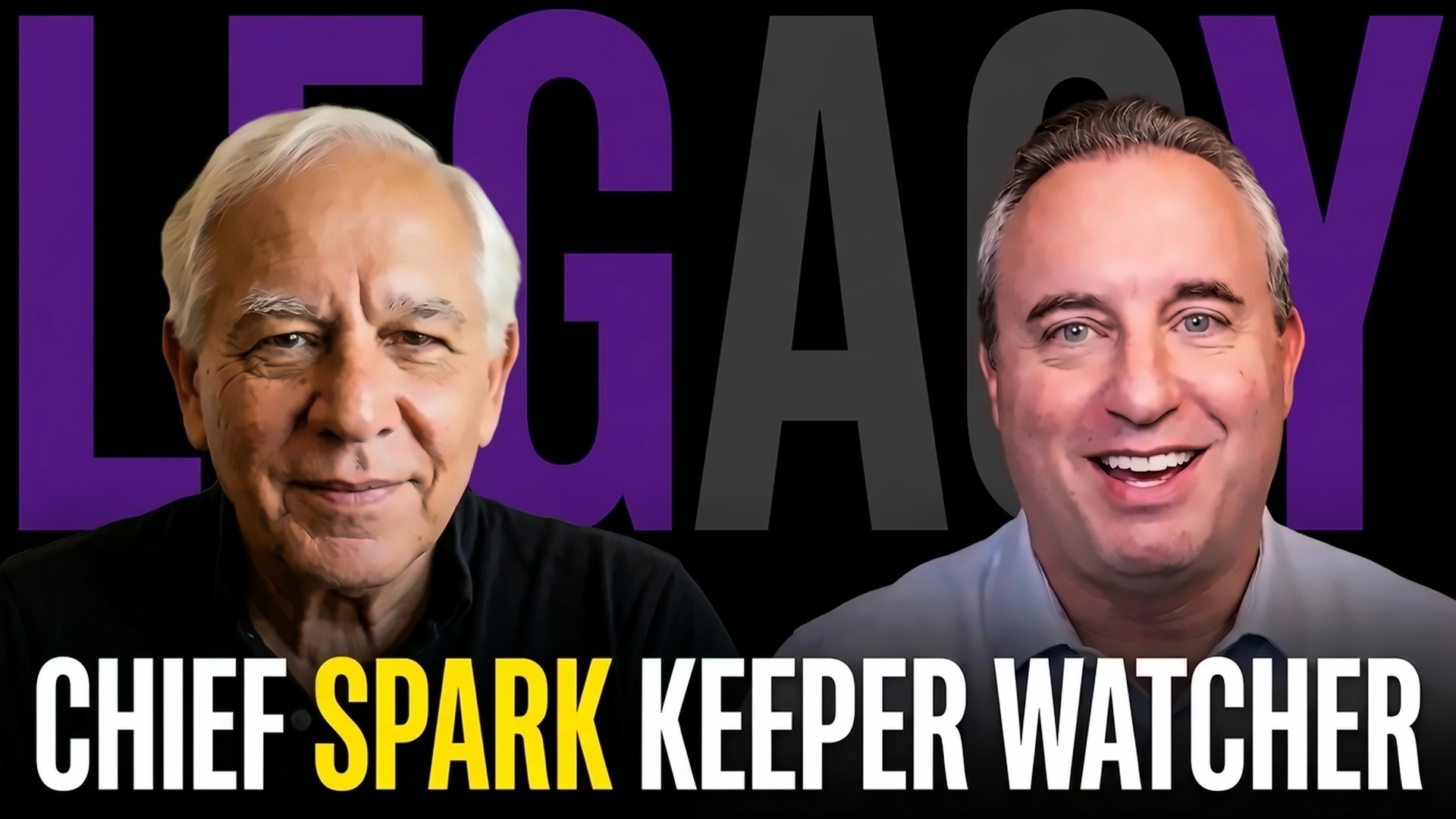
Discover how the Caveman Code framework identifies four distinct behavioral archetypes—Chief, Spark, Keeper, and Watcher—that dictate how family office principals and multi-generational heirs communicate. Learn why misaligned communication styles destroy 70% of family wealth and how recognizing these primal patterns ensures smoother generational succession and leadership continuity.
Key Takeaways
- Seventy percent of wealthy families lose their fortunes by the second generation due to internal miscommunication rather than poor investment strategies.
- Successful founders often struggle with succession because their subconscious habits cannot be translated into teachable frameworks for heirs.
- Bridging the gap between entrepreneurial founders and next-generation inheritors requires decoding behavioral psychology alongside financial architecture.
- Aligning family governance models with innate communication styles prevents friction during high-stakes wealth transfer.
Understanding the 70 Percent Wealth Transfer Trap
For decades, family office advisors have obsessed over legal structures, tax optimization strategies, trusts, and asset allocation models. Yet, statistics consistently show that roughly 70 percent of wealthy families lose their fortunes by the second generation, and that number climbs to 90 percent by the third. Traditional wealth management assumes that preserving money is purely a mathematical and legal challenge. However, psychological research suggests that the root cause of generational wealth erosion is rarely poor investment performance. Instead, it is a complete breakdown in family communication, shared vision, and psychological alignment.
When founders spend decades building enterprises, they develop deeply ingrained operational instincts. When it comes time to hand over the keys, these founders often speak an entirely different psychological language than their children or professional successors. Without an explicit framework to decode these behavioral differences, family offices experience friction that gradually dismantles multi-generational legacies from the inside out.
Decoding the Caveman Code: Four Behavioral Archetypes
To solve the communication gap that dooms family offices during succession, performance coach Dr. Noah St. John introduced the concept of the Caveman Code during a recent appearance on the Arthur's Round Table podcast. This framework categorizes human leadership and communication styles into four distinct archetypes. Understanding these styles is essential for anyone trying to navigate family governance, boardrooms, and multi-generational wealth transitions.
The Chief: Results-Driven and Decisive
The Chief archetype represents the classic entrepreneurial founder. Chiefs are driven by bottom-line results, fast decision-making, and structural control. They view challenges through the lens of execution and efficiency. While this trait builds massive enterprises, it can create a bottleneck within a family office. If a founder operating as a Chief tries to dictate terms to a younger generation without listening to their input, younger family members often withdraw or rebel against the family office structure.
The Spark: Visionary and Energetic
Sparks are the innovators, big-picture thinkers, and high-energy visionaries. They love talking about new venture capital deals, cutting-edge technologies, and disruptive trends. However, Sparks can sometimes struggle with operational follow-through and granular detail. When a Spark founder interacts with a risk-averse family office team focused purely on capital preservation, major communication breakdowns routinely occur.
The Keeper: Loyal and Process-Oriented
Keepers value stability, security, protection, and established protocols. They are the backbone of family offices, often managing compliance, risk mitigation, and long-term asset allocation. Keepers excel at protecting what has already been built. The challenge arises when a Keeper-dominated family office stifles the entrepreneurial risk-taking required to generate new wealth for younger generations.
The Watcher: Analytical and Observant
Watchers are deeply analytical, data-driven, and cautious. They observe every variable before making a move. While this makes them exceptional at evaluating private equity deals or vetting startup founders, Watchers can suffer from analysis paralysis. In family governance meetings, Watchers may remain silent until they have processed every detail, which other fast-moving family members can misinterpret as disinterest or disagreement.
Bridging the Generational Divide in Family Offices
The core danger in generational wealth transfer is not that heirs lack intelligence; it is that founders often operate with unconscious success habits. A self-made billionaire frequently cannot explain why they succeeded because their execution became second nature. When they attempt to mentor the next generation using vague advice like "work hard" or "take smart risks," the younger family members fail to internalize the lesson.
By mapping family members to the Caveman Code archetypes, family offices can translate abstract leadership concepts into concrete communication strategies. If a founder is a Chief and their successor is a Watcher, the founder must learn to slow down, provide data, and invite analytical feedback rather than demanding immediate compliance. Conversely, Watcher heirs must learn to articulate their risk assessments in a way that respects the founder's bias toward rapid execution.
Conclusion and Next Steps
Protecting a family's financial capital requires more than trusts, holding companies, and tax attorneys. True legacy preservation demands neural and psychological alignment across generations. By understanding behavioral archetypes like the Chief, Spark, Keeper, and Watcher, family offices can eliminate internal friction, improve leadership communication, and secure their multi-generational future.
To dive deeper into the psychology of wealth preservation, human decision-making, and leadership dynamics, listen to the complete interview: Listen to the full episode. Discover how elite investors and thinkers protect not just their money, but the minds of the people responsible for it.
Frequently Asked Questions
What is the Caveman Code in family office governance?
The Caveman Code is a behavioral framework that categorizes leadership and communication styles into four distinct archetypes: Chief, Spark, Keeper, and Watcher. It helps family offices identify how different generations process information, make decisions, and resolve conflicts during wealth transfer.
Why do 70% of wealthy families lose their money by the second generation?
Research shows that the vast majority of generational wealth loss stems from communication breakdowns, lack of shared family vision, and poor psychological preparation among heirs, rather than inadequate investment strategies or legal planning.
How do entrepreneurial founders and next-generation heirs differ behaviorally?
Founders often operate as fast-moving, risk-taking Chiefs or Sparks who rely on intuitive habits they cannot easily teach. Heirs often operate as analytical Watchers or security-focused Keepers, creating a communication gap that requires intentional frameworks to bridge.
Can communication styles be changed within a family office?
While innate behavioral tendencies remain relatively stable, family members can develop high levels of self-awareness and emotional intelligence to adapt their communication styles when interacting with different archetypes across generations.
The True Cost of Startup Pivots: Why Early Commercial Validation Saves Founders Up to $500K