Apple Podcasts

 Spotify

 YouTube
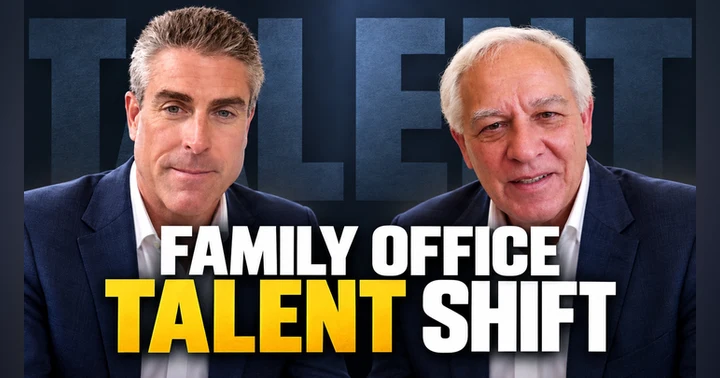
Why Wall Street Talent Is Moving to Family Offices | Brian Adams
Key Takeaways
- Experienced Wall Street professionals are increasingly drawn to family offices for their permanent capital models, flexible compensation structures, and long-term investment horizons.
- Family offices face high demand for senior leaders like CEOs, presidents, and CFOs who possess a unique combination of expertise in investments, tax, accounting, estate planning, and family dynamics.
- Cultural alignment often matters more than technical credentials when hiring senior executives, as a candidate's ability to navigate nuanced family relationships dictates long-term success.
- Private equity and venture capital professionals are shifting toward family-backed platforms to escape the rigid constraints of traditional institutional funds.
- Mack International's executive search process emphasizes a rigorous initial family assessment, confidential candidate sourcing, and careful navigation of relocation challenges.
Why are experienced Wall Street professionals increasingly interested in working for family offices—and why are the best family office executives so difficult to recruit?
In this episode of Family Office Investing Podcast & Investor Insights | Arthur's Round Table, Arthur Bavelas welcomes back Brian C. Adams, President of Mack International and co-founder of Somos 22.
Brian specializes in executive search for single family offices, helping wealthy families recruit CEOs, presidents, CFOs, CIOs and other senior executives.
Drawing on his work with families across the United States, Brian explains how the family office employment market is evolving and why demand for experienced leadership is intensifying.
He reveals that roughly half of Mack International's search work involves CEOs, presidents or the most senior non-family executives, while CFO searches have become particularly active.
One of the biggest challenges? Families increasingly want executives who already understand the unusual combination of investments, tax, accounting, trusts, estate planning and family relationships that comes with managing significant private wealth.
Those professionals are difficult to find.
Arthur and Brian explore why traditional Wall Street career paths do not translate neatly into family offices, why some executives must change employers to advance, and how family culture can determine whether a senior hire succeeds.
They also discuss the growing interest among private equity and venture capital professionals in moving toward family-backed investment platforms.
Brian describes how families can use permanent capital, flexible compensation and long-term investment horizons to attract talented professionals whose opportunities at traditional investment firms may be limited.
The conversation also examines emerging wealth from technology and digital assets, the changing relationship between single and multifamily offices, and the importance of confidentiality in executive recruitment.
Brian walks Arthur through Mack International's executive search process, from its initial family assessment to the presentation of candidates and final selection.
WHAT YOU'LL LEARN
• Why family office CEOs and CFOs are in high demand
• Why families increasingly prefer executives with direct family office experience
• What makes an effective family office "expert generalist"
• Why family office career paths differ from Wall Street
• Why culture fit can matter more than technical credentials
• How private equity professionals are moving toward family-backed opportunities
• Why families can offer flexible compensation and long-term capital
• When newly wealthy entrepreneurs may need a family office
• How single family offices and multifamily offices are evolving
• Why confidentiality and personal reputation are essential
• How a family office executive search actually works
• Why relocation can eliminate otherwise excellent candidates
• Why a trusted, independent executive can be invaluable to a wealthy family
ABOUT BRIAN C. ADAMS
Brian C. Adams is President of Mack International, an executive search firm specializing in senior leadership positions for single family offices.
Previously an attorney and real estate investor, Brian entered the family office world through his wife's multigenerational family.
He is also a co-founder of Somos 22, a community connecting family office principals and professional managers.
Brian brings firsthand experience with family office operations, executive recruitment, leadership development and the evolving private capital landscape.
CONNECT WITH BRIAN
Mack International: Search Mack International family office executive search
Somos 22: Search Somos 22 family office community
LinkedIn: Search Brian C. Adams, Mack International
This episode is for educational and informational purposes only and does not constitute investment, legal, tax or financial advice.
Want to learn more about Family Office Insights? Click Here.
Frequently Asked Questions
Why are Wall Street professionals moving to family offices?
Wall Street talent is increasingly moving to family offices to leverage permanent capital, flexible compensation, and long-term investment horizons that are not always available at traditional firms.
What roles are most in demand for family office executive search?
CEOs, presidents, and CFOs are currently in the highest demand, particularly candidates who already understand the complex intersection of investments, tax, trusts, estate planning, and family dynamics.
Why is cultural fit so important in family office hiring?
Family office executives work closely with private families, making cultural alignment critical to managing delicate personal relationships and ensuring the long-term success of the organization.
Who is Brian C. Adams?
Brian C. Adams is the President of Mack International, an executive search firm specializing in senior leadership positions for single family offices, and co-founder of Somos 22.
Arthur Andrew Bavelas (00:01.209)
Hello, welcome everybody to another episode of Arthur's Round Table. Super grateful for everybody that's paying attention and sharing and listening in. And we've had great feedback. So thank you for that. we are welcoming back once again Brian Adams, not the singer, although I've heard he can sing, and to chat about what's going on in his world in the family office space and sort of catch up with him today. So many of you may have
Brian C. Adams (00:19.678)
Mm.
Arthur Andrew Bavelas (00:30.701)
listened to the ra last episode. so thank you for doing that. So Brian, again, thank you for doing this again.
Brian C. Adams (00:37.784)
Course, appreciate you having me back on. Always a pleasure.
Arthur Andrew Bavelas (00:40.621)
You bet. Let's start at the beginning for the benefit of those that don't know you.
Brian C. Adams (00:44.214)
Sure. Yeah, I'll give a a a quick background. so from New York originally, I I married a Nashville girl. We met in college up in the Northeast. Been in Nashville for 20 years now. My wife's family has a family office. She's the oldest member of G2. That's how I got into this whole world initially. she comes from a very old New York City family. And
I have a background as an attorney and then was a real estate investor before getting into family office executive search. I'm now president of Mac International. We are a single family office executive search firm. So we do retain search work for families across the country. We cover the whole US, everything from de novo first generation newly created family office entities through larger multi-generational families and everything in between.
Linda Mack started the business twenty-four years ago and is a legend in the space, incredible resource. A legend, yeah, like a legend. And she's flying back from I think Taiwan right now. She's out there for some family office thing, so still working really hard. And we help families find C suite executives, CEO, CFO, president, CIO, et cetera. Very focused in that niche.
Arthur Andrew Bavelas (01:42.457)
She's truly a legend, yeah, for sure. Yeah.
Brian C. Adams (02:06.101)
And adjacent to that, but I know you've had Tim Brown on, but Tim and I started Somos 22, which is a community for the active principals and professional managers of family offices. It's an incredibly dynamic and and growing world and a lot of fun to build that community with him. Oof. I think we I think we did I think it's something like 65 events this year so far. and we have 3,000
Arthur Andrew Bavelas (02:23.959)
And you guys have been traveling all over the place doing that too. Yeah.
Arthur Andrew Bavelas (02:32.159)
That's crazy. Yeah.
Brian C. Adams (02:35.753)
Over three thousand qualified curated contacts that have opted into our community and and over a thousand people have a attended our events this year so far. And so yeah, it's been a busy year, but I think really needed in the space and obviously accretive to search as well. So it's a lot of fun and gives me really good breadth and depth of connectivity in that space. Yeah.
Arthur Andrew Bavelas (02:53.976)
No doubt.
Arthur Andrew Bavelas (02:59.811)
Yeah, awesome. Yeah, Tim Tim's a good guy. so is there is it fair this may not be a fair question. Are you retained more often for any one of those C suite executive positions over others? For example, are the CFOs more in demand than the CEOs, or is it pretty much even?
Brian C. Adams (03:24.493)
Yeah, it's a totally fair question. You know, these things kind of they come in bunches, it seems like. but if you kind of annualized it and and smoothed it out, and I think we're really known in the market to be and titles, as you know, in Family Office World are are squishy to use a technical term, but we're known to to really be great at the CEO, president, most senior non-family member, head of the family office. So
That's probably fifty percent of our work are those CEO president, you know, title can fluctuate. And then the last I'd say twelve months, we've had a lot of CFO work. And I don't see that changing anytime soon. And we can get into kind of why I think that is, but trend wise, CFOs are increasingly becoming hard to find and much sought after. So I'd say it's probably between those two roles,
the most significant and then I certainly have some CIO and general counsel. I did one COO mandate this year, which is kind of interesting. but CEO and CFO for sure are the most in demand today.
Arthur Andrew Bavelas (04:35.667)
Without picking on th the universe of places where you might find these people, are they typically coming from any place like a investment banking firm or a co a commercial family office in one of the big banks? Is there any source that's more prevalent?
Brian C. Adams (04:55.499)
Yeah we it's a good question for the CFO roles. you know it's interesting. We we always go very we go broad every time we do a search just 'cause you never know. But I will say that the mandates in terms of what the family is looking for and and why they're retaining us increasingly are focused on
Arthur Andrew Bavelas (05:01.464)
Yeah, let's just start with that.
Brian C. Adams (05:22.935)
Pulling folks who have direct, recent, relevant experience with another family office. And it's interesting, I think, because one, the hyper specialization of the financial and professional services has really pigeonholed a lot of these folks. That if you stay within public accounting or investment banking or on the institutional investment side, you get put into a niche, into a box, and you kind of stay there. you know, there aren't as many generalists as there were
a generation ago. I think it partially just because of the fees these people charge and the economics involved. and so when a family wants somebody with a broad range and generalist, they almost have to go to a family office in order to get somebody that has exposure across all the facets of wealth management and asset management. There's just really nowhere else to find those people. Sometimes within a private client services platform for a a
A a service provider that works with big complex families. There certainly are some good groups out there that do that. But increasingly families really want somebody that knows what great looks like with another family and can bring that experience with them and help I I think lessen the learning curve and the cycles that it takes to get to where they want to go. that's increasingly what I'm hearing from my clients.
now when it comes to somebody with deep subject matter expertise, you still might have to pull from a service provider. But for CFOs in particular, you know, if you want somebody who has a little bit of accounting, tax, investments, trust in estate, structuring, and that private client services mentality, those folks are hard to find outside of other family offices today.
Arthur Andrew Bavelas (07:15.415)
That's super interesting. we we know we know somebody in common whose role was a general s general specialist. Is is that am I getting that right? You know who I'm doing. Expect generalists, yeah. Yeah.
Brian C. Adams (07:22.542)
Mm.
Brian C. Adams (07:29.962)
Expert generalist is what Linda L expert generalist is the the term that Linda coined and what she's known for in the market. Yeah, yeah, yeah.
Arthur Andrew Bavelas (07:37.123)
Yeah, okay, yeah. Yeah. So I don't mind say he's a good guy. and I think he was at PWC and that was his role there. so that's an interesting term. we we've talked about this before, but what what is your what can you share with the group about the career path inside a f family office?
If you go work for Goldman Sachs Sachs, it's pretty clear what your cold path is, you know, your career path is. It's, you know, been established for years and years and years. Has there been some codification or some career path stuff that's happened? That's the the most elegant term I can think of in the family office space that gives confidence for a career path.
Brian C. Adams (08:28.428)
Yeah, it's a good question. And we're seeing more and more of what I would say the professionalization of that career track. You know, you look at what University of Chicago is doing, you know, they brought in Bobby Stover from EUI to to help build out the booth program. the Pritzkers are doing some work at Northwestern. Stanford has a program, Columbia Business School has a program. You're seeing more and more folks
may not be a degree or a certificate, but there's kind of a path or a career track. and I I think you'll continue to see that, frankly, as traditional private equity and asset management becomes harder and harder business, just where we are in the cycle. You know, I was talking to somebody last night, the amount of people i within institutional private equity that are inbounding me looking to pivot.
Arthur Andrew Bavelas (09:14.883)
Yeah, yeah.
Brian C. Adams (09:27.384)
I you know, it it's really telling in my opinion, where where smart people think the puck is going and well, they just call them permanent capital vehicles, right? It could be private private investment entities or families or w whatever the legal structuring is, but they're really looking towards private markets generally, with long duration capital, with flexibility, takes different forms.
and so I I think you'll see more and more of that codification. You know, for somebody young, you know, I I think some of the bigger families do have more traditional pathways. The challenge still, because of how lean and flat these organizations are, the challenge is you often have to go out to go up. just because if the people above you or
well compensated and it's a good family and they like the mandate, you know, they just don't they just don't leave. And there's not necessarily more work to do, right? It's not a an ac economic platform like a bank where you have new mandates. If they're post liquidity event, they may just have that corpus, right? And and that's going to be what they have to work with. and so I I think it's it's interesting mentoring younger people who get into the space early,
Arthur Andrew Bavelas (10:28.823)
There's no no. Yeah, it's only
Brian C. Adams (10:55.394)
They I always tell them you have to be very focused on building your network because you don't want to be s stuck professionally in one of these places. And the families who are forward thinking understand it. And I and I think they look at it as as as almost a responsibility to help these folks find that next opportunity for them. but we see this a lot, especially in what I would refer to as
middle mid tier roles, right? So like VP of finance, controller, portfolio manager, below the C suite, oftentimes if you do five, seven years, there's just not a pathway structurally for you to to to go forward. And so you start to have to look elsewhere to get up. But many of them stay they want to stay in the family office world. so I it's becoming a more robust community.
I think it's just the challenge is still, you know, for families who want twenty years of family office experience and twenty years of runway, the nascency of the industry, there just aren't enough for those people, right? And and that's why you're seeing compensation go up partially. That's one the reasons.
Arthur Andrew Bavelas (12:05.956)
Yeah.
Arthur Andrew Bavelas (12:09.643)
Is there what's the delta? Is there you know out of a hundred percent of the roles that are there are twenty percent not filled? is
Brian C. Adams (12:21.258)
Mm. That's a great question. that's a great question.
Arthur Andrew Bavelas (12:28.495)
I mean, there's probably no data to really figure that out. I'm just wondering what your sense is. And what you said really, I don't mean to to go off track here, but what you said earlier is it's interesting to see that the people in private equity or permanent capital type organizations see the writing on the wall and are looking to go somewhere else. Cause they were largely just like if you worked for Goldman Sachs, I'm picking on them for no particular reason.
Brian C. Adams (12:38.339)
Sure.
Arthur Andrew Bavelas (12:57.079)
If you put numbers up on the board, that's what you're rewarded for, right? Same thing with private equity. You put numbers up on the board, that's what you're rewarded for. It's could be quite different in a role in a family office, right?
Brian C. Adams (13:00.398)
Yeah, yeah.
Brian C. Adams (13:11.938)
Yeah, it's very different. And we and we talk about this a lot with folks that are coming from what we term as out of industry, right? From outside of the family office community and they want to come into it. it it it can be quite jarring because especially on on say the investment side in particular, because a family office may view success not purely as IRR or Moek or it could be, hey, we want to make enough money to maintain a a certain quality of life, but
Not if it means we can't have Thanksgiving dinner together. And for a lot of these folks that come from Wall Street, that just doesn't compute. They just they're they're kill they're killers, right? And they j which I which I is great. I think sometimes there's frustrations of inefficiencies or or you know, we're sitting on too much cash. It with the family views as success i is is beyond just a pure metric perspective typically. Qualitative and quantitative.
Arthur Andrew Bavelas (13:43.063)
Right, right. Yeah. Right. Right. Yeah.
Arthur Andrew Bavelas (14:06.851)
Yeah. It's really interesting that well and I I I I'm wondering whether you feel the same way, but I've often said to people when they talk to family offices and they're frustrated with them pulling the trigger on let's just say an investment, I said you have to understand that when you go to a a sovereign wealth fund or a institution deploying capital like a pension fund, the the persons at risk
by for losing their job. If the person inside the family office is one of the family members, they risk being ostracized by the family. I mean, it's a much bigger risk and it's permanent, right? it's not like they can just move on.
Brian C. Adams (14:48.173)
Yes.
Brian C. Adams (14:54.552)
Yeah, right. I mean on Wall Street it's not uncommon to, you know, pick up stakes. I mean, look what's happening in the law firm world, right? I mean, there's no loyalty there. and it it's it's a what have you done for me lately kind of thing, but with within the family office world, you know, reputation and your personal brand matter hugely. I mean, for a lot of these mandates that we do
Arthur Andrew Bavelas (15:02.5)
Yeah.
Brian C. Adams (15:20.45)
and you you speak to some of these families that have been around a long time, Chicago, New York, I mean some of these rarely mature markets, they underwrite the counterparty before they underwrite the deal. And you know, it and that sounds people hear that and they're like, well, of course, but that's not how the market works typically. I mean, but that's you know, that's how they think about it. And it's funny, you go to an o older, mature market like that, and they tell me.
Arthur Andrew Bavelas (15:31.085)
Yeah, totally. Yeah, right. Yeah.
Brian C. Adams (15:49.077)
Hey, these 25 families are off limits. You can't talk to people there. And it's like half the market. But they but you know, these are people they've done deals with for fifty years and they really care about that. And, you know, where you go to a newer market and it's, you know, there's no off limits, obviously. And so it is interesting how they think. And maybe to finish this off, one of the things that I've really have to educate people I have industry about is because they often will complain, I don't know where to go.
Arthur Andrew Bavelas (15:55.297)
Right.
Brian C. Adams (16:18.678)
have to say you have to understand that the opaqueness is a feature, not a bug. Like this is a done on purpose. So
Arthur Andrew Bavelas (16:23.267)
Yeah, yeah, exactly. Yeah.
Which is are I don't need to show for you, but that's why what you do works, right? Yeah.
Brian C. Adams (16:35.368)
That's that right. I mean, I I think why people pay my the fee and w and why I have value is that connectivity and that reach into the market that that just is so it takes so long to build that I mean, and Linda I've got twenty four years of tailwinds of Linda, which is just huge and people trust us. I mean, I have three, four, five calls a day with people who if their principal found out they called me, they would lose their job. That's a very serious thing, right? But
Arthur Andrew Bavelas (17:02.691)
Yeah.
Brian C. Adams (17:05.41)
We're known to be confidential, discreet, and private, and nobody will know until the candidate wants us to have people know. and that's huge. And and I think increasingly, you know there's just there's there's more and more desire for people that come from that space that they don't you know, Linda always says she can teach somebody search, but she can't teach somebody family office. And I think when when families look to hire.
Just the confidence and comfort knowing the candidate knows what the realities are. it just mitigates some of that risk that when they come over and they see what it looks like, that they will just not feel comfortable with it, right? I mean, families operate differently. That's why culture fit is the number one, I think, correlation for long term duration of placement.
Arthur Andrew Bavelas (18:01.025)
Is there cities that are maturing like New York? You know, I'm a New Yorker, spent a lot of time there, and it was just so robust and wonderful and you know, it was easy to navigate. Nothing's ever easy, but it was easier because we're in everybody came to New York, one way or another, right? Chicago's pretty mature. Is San Francisco or LA any of those getting there?
Brian C. Adams (18:29.462)
Yeah, and and that's I think that's where culture fit is such a big difference. I mean, I'm a native New Yorker. you know, I love the city despite how painful it makes life. i i it's interesting. I mean, some of these markets just have their own cultures about them. You know, multi generational families are just harder to come by on the West Coast, I think.
I don't know if it's just the the the entrepreneurial spirit or the fact that they just don't have as a robust of an asset management community around them or the service providers are still mainly in New York and Chicago when it comes to big T and E firms and I mean not a hundred percent, but if you're a big family, at some point you end up working with folks in New York and Chicago. I mean, that's just where a lot of the talent is, right? So
I I do think there are differences, but and it's changing, right, with how people I mean, this next generation of beneficiaries and and family members are just much more mobile. quality of life, cost of living, the political landscape, and families are are I think pivoting to to manage that diaspora.
Arthur Andrew Bavelas (19:55.523)
Yeah. You y if you've got the the if you're subject to something that's giving you a fair amount of trouble that causes you to vote with your feet and you've got endless amounts of money to do that, then it become you know, you s we see it happen all the time, the exodus from California and New York and so forth.
Brian C. Adams (20:19.084)
Yeah, and and I think, you know, there's the headlines, right? Which I appreciate it. the headlines are what they are, but I think if you had to your point, if you had a huge amount of resources available to you, you'd buy a lot of insurance. And because your downside risk is substantial, because you have a lot of assets. And I think of it the same way for these families of if buying a home in a different jurisdiction in the domestic US or having a golden visa.
based on the denominator of how much money you have, why not have the optionality? I y y you know, like it it doesn't hurt to have the insurance. You may not use it, hopefully you don't use it, but it's nice to have it when you do and and I don't I completely understand where they come from, frankly, when it comes to that.
Arthur Andrew Bavelas (20:51.381)
Exactly. Yeah.
Arthur Andrew Bavelas (21:05.933)
Have you speaking of the West Coast of I mean they were printing millionaires and many of them will become billionaires if they you know if they are just paying attention a little bit. There's endless amounts of wealth that happened as a result of SpaceX, as one example, and maybe Anthropic coming next. are you seeing that? And and and I would guess, I don't know I
Brian C. Adams (21:15.862)
Yeah.
Arthur Andrew Bavelas (21:35.221)
stats. So just I'm just guessing that a lot of those people are very young compared to the types of people you're dealing with in second generation family office, for example. are you seeing them sort of sniffing about and wondering what family offices are all about? Or do they have their head down and say, I just made 10, 20 million dollars in my SpaceX shares and I'm just going to keep on working here, right?
Brian C. Adams (22:03.916)
Yeah, it's interesting. I would have thought I would have a lot of inbounds, but I think these things take some time, frankly. Both from working out just the liquidity component, right? You've got to wait till the lockup occurs and then you've got to diversify. And even though you may have a huge amount of assets, it's kind of like a family that owns a big operating company that has huge value but doesn't have a lot of liquidity.
Arthur Andrew Bavelas (22:27.767)
Liquidity, yeah. Yeah.
Brian C. Adams (22:29.126)
you don't need a family office, right? I mean, you might be extremely wealthy and you can borrow against that asset and you can pay for a lifestyle, but there's no meaningful distributions to manage, right? And so we think about things as a level of complexity, not necessarily liquidity or investable assets. And so I think from that perspective, right, you think about these anthropic folks, you know, they have call you know, billion plus of of of stock.
That's great, but it doesn't require a huge amount of complexity, right? Like one banker can manage that position for you and put and put a hedge put a hedge on and you get a good tax guy and you can kind of manage through it. All that to be said, I think it's coming, but I think it will take three to five years. Cause I'm just now starting to see the digital currency Bitcoin bros start to think about their family offices. Cause I think it's just taken that long for them to to get that level of complexity where they have
Arthur Andrew Bavelas (23:01.177)
Totally. Yeah. Yeah. Yeah.
Brian C. Adams (23:26.284)
pain in their life that they want to be solved with professional management. But to your point, I think many of them for very long just they want to keep creating value. They want to keep reinvesting into the space. They're first gen entrepreneurs. it'll be interesting to see how that actually plays out. But I haven't gotten a lot of inbounds there. and I think part of that has to do with the multifamily office, commercial family office complex has become much more bespoke.
and is helping those folks earlier. we'll see what ultimately happens. I mean, at a certain level of of wealth and complexity, it's just too much for a third party to manage. I mean, you're gonna want somebody internal, I think.
Arthur Andrew Bavelas (24:12.833)
Are multifamily offices looking to you? It's really an interesting business, right? Their number one thing is to get single family offices to buy into what they're doing and allow them to act as their single family office. and they're, you know, constantly chasing the new customer. I'm not saying they're all doing that, but are they looking for talent as well?
Brian C. Adams (24:20.748)
Mm-hmm.
Brian C. Adams (24:42.668)
Yeah, we don't do MFO mandates because to your point it's such a different world. You know, I think about it as, and there's nothing wrong with their business model, but you know, I think about it, it's different just because you have you have to run it like a business, and then you've got to manage the clients. Whereas I think Family Office managing the clients is the business. as it's just very different mandates, but increasingly we're seeing
Arthur Andrew Bavelas (24:51.629)
No, it's a good business, yeah.
Arthur Andrew Bavelas (25:05.259)
Right. Yeah.
Brian C. Adams (25:13.022)
some of these platforms, especially the big aggregators, call it a a Pathstone or a Crescent or folks that have been buying OCIOs and other services and and really being a one truly a one-stop shop. we're seeing more of them spin up single family office management teams internally that only work with big complex families. And they often will have
a short list or a diligence process where if it's something the the the platform doesn't do, right? domestic staffing, search, aviation, they'll have kind of a qualified short list of folks that they'll refer out to. And so we've been getting inbounds by a lot of those groups that are spinning those up. And, you know, those are great for us because that's a one-to-many relationship and we can be really helpful there. But I think taking a step back to your point, what I've seen is
Maybe a cycle ago, the family office professionals were really wary about having relationships there because those historically were all AUM oriented, right?
Arthur Andrew Bavelas (26:24.591)
Exactly. But what's how they get paid?
Brian C. Adams (26:26.84)
But I'm starting to see more fee-for-service models where the single family office professionals are having multiple relationships with MFOs depending on the service they provide. And it's not all AUM oriented. And so there's there's there's more of connectivity and synergy there than there was, I think, previously. and families are spreading it around to multiple counterparties, like they do with the banks. You know, they they don't want just
Arthur Andrew Bavelas (26:52.899)
Yeah, we like exactly.
Brian C. Adams (26:54.68)
They don't want the counterparty risk of just JP Morgan. Like I told my son, you know, the banks are an umbrella store for when it's, you know, not raining. yeah, you know, you want so yeah.
Arthur Andrew Bavelas (27:05.069)
Yeah, exactly. Yeah. I've s not only done it but experienced it and it almost to a person. It's I have a relationship with one of those entities for very obvious reasons and one that is not so obvious, and that is they have a balance sheet and an MFO does not, right? And so there might be a time, just like you said, insurance, where I need that balance sheet.
Brian C. Adams (27:35.787)
Exactly right. And I think even on the bank side, there's been so much aggregation, right? And that took place a cycle ago. We're seeing it now in the MFO space. But on the banking side, I mean, there's maybe five banks that work with big families. Maybe, maybe three, really. And you kind of have to have a relationship with all of them on some level if you want, you know, a high level custodian or to your point balance sheet.
Arthur Andrew Bavelas (27:51.705)
Yeah.
Brian C. Adams (28:03.382)
And and so I see I see the relationship coming closer, but on the search side, we just haven't one, we don't have the capacity and two, we just we want to be very thoughtful about sticking to our need netting and what we're good at and the MFO space, especially if they have a private equity sponsor, is just such a different skill set than what we're used to. So yeah.
Arthur Andrew Bavelas (28:23.277)
Yeah, totally. I could see that. Is the talent leaking out from some of these highly illiquid venture firms or venture partners are starting to say, look, I've got a talent for really looking at opportunities and doing that on behalf of the family office? And I'm gonna stand up there venture.
opportunity the the the that an expression of how they a fund or w in inside the family office a fund of how they express their venture. Is that happening at all?
Brian C. Adams (29:04.652)
Yeah, you've I think you're really keying on something that I see more and more of, which is one, and I have calls like this all day, well, a lot, a senior non-GP, non-partner level person at a brand name private equity firm, brand name commercial real estate institutional platform venture, they're doing the math and saying, I'm not gonna hit my hurdle. Like my carry is zero. And I'm gonna pick my head up and look elsewhere.
And I think the families are key on. I just did a 20-year after fees, net attacks, audit on my alternatives, private investments, and my DPI is terrible. I'm not going to allocate more capital to these groups. What I am and those two things are coming together in the form of capital formation of fundless sponsors or venture studios or search fund platforms where the family is, you know, 99% of the equity.
Arthur Andrew Bavelas (29:45.475)
Very
Brian C. Adams (30:03.384)
They pull out a GP or a sponsor or a group from a firm and they say, I'll be your backer, but it's going to be captive. We'll have control and we'll share economics. We'll give you a credit facility to co-invest or whatever the structure is. We have a lot of flexibility on that because the family can do what they want. You're seeing more and more of that occur. And then you can kind of club up and syndicate and defray that risk with other families that are like-minded, right?
Arthur Andrew Bavelas (30:30.509)
And and the overhead. And the overhead, right?
Brian C. Adams (30:33.378)
Yeah, exactly. These I mean th you know, they don't have to have an office. They don't have to worry about L P like a roadshow or a marketing budget, which, you know, if you read about some of these credit groups, it it's becoming just a huge part of of that business overhead is taking people to football games and stuff, like yeah. So
Arthur Andrew Bavelas (30:50.851)
Yeah, yeah. And and I think that part of the illiquidity in the private credit venture and especially venture but also private equity, the liquidities come to roost, right? And so like you said, they're not gonna get their carry. And so what's the point?
Brian C. Adams (31:12.066)
Yeah, I the journal just had that article about the Blackstone real estate folks leaving, right? I mean, they're not dumb. They can run they can run a you know, a cash flow model and they can see just kind of where things are. And I mean, some of these deals are now negative leverage. you know, there's really no pathway there. And so a family can say, Hey, you know, I believe in your investment thesis, but I think your structures, your cap
structure is just wrong. We can right-size that cap structure. and we don't have to worry about bleeding out distributions day one. We can create long-term value. so I see more families doing that. And one of the things I've realized too from this business, you know, I always thought public markets kind of ran the world, but I mean private enterprise really does run GDP. and you know these families are smart.
And there's a lot of them that are in private enterprise with hugely incr incredible businesses that you just don't think about and like there's more of than you think. and so
Arthur Andrew Bavelas (32:15.033)
Big companies. Yeah. Yeah.
Arthur Andrew Bavelas (32:22.637)
And they're all over the place.
Brian C. Adams (32:24.48)
Yeah, I've got mandates in places. Yeah, I mean, it's you know, I've got a mandate for a family in Spartanburg, South Carolina. It's incredible business. Never heard of them. and you know, they're they're patient, they're smart, long term oriented, they're d-levered, like all these things that Wall Street is not, right? So yeah. so it's interesting to see what you know, I think this next cycle of capital formation.
Arthur Andrew Bavelas (32:46.846)
Exactly.
Brian C. Adams (32:54.776)
to go back to where we started this conversation is is where the talent is going and and families are really well positioned to I think to to grow together. And families are realizing that the flexibility they have on the capital side, they also have on the compensation side. I mean some of these big firms on the on Wall Street, just structurally you can't give people real carry because there's none there's none to go around.
And you know, these families can give credit facilities, co investment, carry, they can be really creative. They can give people AFR mortgages. they just have huge amounts of flexibility that the institutional guys just don't have.
Arthur Andrew Bavelas (33:34.125)
Yeah, you they're not subject to all the headline risk and the compliance, right? Not to mention there's not enough room, right? By the time you take care of everything, right? Yeah.
Brian C. Adams (33:44.301)
Yeah, there's a whole generation of GPs that they're just not gonna give up those spots, right? you know, they're so and to your point, I think families realize that they have that kind of optionality and you know there's I just think there's gonna be an influx of talent that gravitates towards those type opportunities.
Arthur Andrew Bavelas (34:07.779)
Are you at capacity or could you comfortably take on ten more assignments?
Brian C. Adams (34:15.256)
Capacity. I mean, I'm very thoughtful and grateful for all the work. And I don't say that, you know, one of the benefits of being in search is I I get I have phone calls every day with people that really need work. And it, you know, it's very grounding to me. So I I don't take it lightly. but yeah, I mean, we're we're being really careful about pacing our mandates. and families don't always like that.
Arthur Andrew Bavelas (34:16.654)
Really?
Brian C. Adams (34:45.186)
But at the same time, in order to do it the right way, we have to be careful about when we launch and and how much capacity we have. And we're probably right at we, you know, we're right at the top, to be honest, of of where we are. Yeah.
Arthur Andrew Bavelas (34:59.245)
Yeah, that's really interesting. What's the process look like, Ryan?
Brian C. Adams (35:04.907)
A search process?
Arthur Andrew Bavelas (35:05.891)
Yeah, so you get somebody that needs help, you decide that you can help them. Take us through that.
Brian C. Adams (35:13.654)
So yeah, I'm happy to. So family calls me. Usually a warm introduction, frankly. we have just an initial introduction call a Zoom. they they tell talk to us about kind of who they are, what they're looking for. Lynn and I ask them a bunch of questions. we under we try to understand kind of the culture of the family, why this role, why now, what does success look like, how are they structured, etc.?
It's usually two or three of those Zooms, frankly. We just get to know each other and I'd say it's bifurcated. Some families are running an RFP in a bake off and they're talking to which we always encourage. I think it's really healthy. We're not the right fit for everybody. not everybody does. A lot of people certainly a lot of people say you came highly recommended. A trusted advisor says we should work with you. That's great. Other times they want to do an RFP and and we due diligence and and that's fine too.
Arthur Andrew Bavelas (36:03.983)
Yeah.
Brian C. Adams (36:11.938)
But at some point they decide to engage us. We sign the engagement letter. We do a kick kickoff call where we go through some logistics and housekeeping. And then the key is when we do our 360 assessment, which is our boots on the ground assessment of the role and the remit and the responsibility in the family, which we do in person to the extent possible. That kickoff call really
identifies who should be included in those conversations, stakeholders, key advisors, family members, executives, staff, anybody with whom this person will work or collaborate, we want to speak with. So we we set up that 360, we organize the trip to go to where the family office is, potentially meeting the principals where they live or where they want to meet. it's usually a two-week process between the in-person and then
Zooms with people that just logistically we can't meet with. we then take all that information and data. We we create a custom position description, an ideal candidate profile from those 360 notes, all anonymized and sanitized. We iterate on that draft. The search committee or the principal that we report to will sign off on the position description. And then there's usually a a two-week lag where we do our market research.
And get the the launch ready depending on timing of the year and holidays and all that. We then launch to the market. We'll probably send a mandate to, you know, four thousand ish of our proprietary contacts. We have twenty thousand in our database because we've been doing search for a long time. We'll do some yeah.
Arthur Andrew Bavelas (37:57.07)
Long time, yeah. Hang on one second. How much what's what's the gap between what they thought they wanted when it started and what your document says they should have?
Brian C. Adams (38:09.058)
Yeah, Arthur, it's a good it's a good question. One of the things that we I mean, Linda's really focused on this because the the a lot of the suffering in search occurs if you launch and then the mandate changes, like the goalposts move. 'Cause you don't you like Linda always says, if you don't know where you're going, any road can take you there. And if I don't have that calibration of profile in my head.
Arthur Andrew Bavelas (38:24.676)
Oof. Wow. Yeah. Yeah.
Yeah, yeah, for sure.
Brian C. Adams (38:37.142)
I don't bring the right people for the problem that they're looking to solve. And so we spend a huge amount of time getting consensus around, hey, this is what we're looking for. so we we part of the reason we're structured and we have this prescriptive, rigorous process that we do with deliverables and timelines is Linda has learned the hard way. If you do the search the way you described, it will take twice as long than if you just put in the hard work on the front end.
And really identify what you're looking for. So we spend a huge amount of time getting consensus and clarification around what we are and aren't looking for and what the ideal candidate profile is and what the remit is. but it does change. And we have to have some hard conversations with people about hey, this is not realistic, or these are two different roles, or you know, if you want this, this is what the compensation's gonna be, right? I mean, better to have those conversations early.
Arthur Andrew Bavelas (39:35.844)
Yeah, this sounds like you need four Mables in the l back room instead of, you know, one CFO, right?
Brian C. Adams (39:41.613)
Yeah, I mean, we d we get a lot of, especially successor roles, people that have been in the seat 20 or 30 years, you know some of these guys, where the family hired them and they say, Well, I'm the CFO, and then you audit their work and you're like, You're the CFO general counsel and the CIO. The family just keeps giving you work and everyone trusts you. Right, and you're good at it, but we can't we gotta backfill you with three people, or we gotta outsource the investments for now.
Arthur Andrew Bavelas (39:48.336)
Yeah, yeah.
Arthur Andrew Bavelas (40:01.11)
And you do it, right? Yeah. Yeah.
Brian C. Adams (40:09.806)
'Cause we can't find somebody that does what you do at your so and then we launch. we'll Jill and I will probably do a hundred, two hundred phone calls with centers of influence referrals, direct contacts. You know, we work part of what Somos is great about is I think I made two thousand one hundred and twenty-five family office to family office introductions last year. And so when I have a mandate, I call that political and social capital like
Arthur Andrew Bavelas (40:33.623)
Nice.
Brian C. Adams (40:39.468)
Hey, Bob, you had that help that you needed that thing. I was happy to help you. I've got a mandate. I really need to make sure I'm talking to the right people. Can you forward this? Can you introduce me? Who should I talk to? And so, yeah, I mean, that's that's how the world works, right? And so I focus a lot on that. And then we go through this very big process funnel exercise, and then which culminates in presenting the family with or the search committee with
Arthur Andrew Bavelas (40:46.447)
Yeah.
Arthur Andrew Bavelas (40:49.9)
Naturally. That's what it's all about. Yeah. Yeah. Yeah.
Brian C. Adams (41:07.892)
Usually eight candidates who we think are best in class. We walk the the search committee through those candidates. And then most of our clients these days do a first round over Zoom and then a second round of call it four people from that eight slate to meet in person. And then usually they'll graduate two for a final confirmatory meeting. And then they're typically ready to make an offer at that point. The whole thing takes.
Four or five months, depending on time of year and how responsive the principal is. So which can sometimes be variable. Yeah.
Arthur Andrew Bavelas (41:39.268)
Yeah. Yeah. Yeah. Yeah. Yeah, even if it's important when people are busy, it's it is what it is, right? Yeah.
Brian C. Adams (41:50.871)
Yeah, and that's you know, we ha I mean, things happen, right? And and and so that's why a search committee is great, because I always have somebody to call and they've been given the mandate and the authority to advance. You know, where where search really falls apart is
Arthur Andrew Bavelas (42:01.978)
Right.
Arthur Andrew Bavelas (42:07.896)
You've got one point of contact and they're not available.
Brian C. Adams (42:11.566)
Yeah, and then things don't progress and then you lose momentum, they get disengaged or they go to a different opportunity. You want you want a progressive, thoughtful process, right? So
Arthur Andrew Bavelas (42:13.272)
Yeah.
Arthur Andrew Bavelas (42:25.584)
So that four thousand number is that's a big number.
Brian C. Adams (42:29.986)
Yeah, we usually get a seventy to seventy five percent open rate on our emails, which is crazy.
Arthur Andrew Bavelas (42:34.766)
Yeah yeah, it's kinda like if you're giving away money, people respond, right?
Brian C. Adams (42:40.142)
You know, I think there's just a huge amount of interest in the space and people take our mandate seriously because we work with great families. and so I think and as you know, in this world, the forward button is so powerful. And, you know, a lot of people are just very generous in the space and it's a fun community. And and so warm introductions and referrals, we'll post it on some newsletters and like I'll post it to some WhatsApp groups, I'm member of YPO.
that kind of thing. But but yeah, it's an impressive number. and we get a lot of responses, so it's a lot of screening. But that's part of it.
Arthur Andrew Bavelas (43:23.92)
So of those and again you may not know these, but just hear me out. Of those four thousand people and you're got a high level super a good credential job for a CFO, are there a hundred people in that cohort that are qualified or is there twenty five hundred?
Brian C. Adams (43:30.456)
Sure.
Mm-hmm.
Brian C. Adams (43:52.151)
I think when you think about a 10 out of 10 candidate for what our families want, and if you look at our position descriptions, you think nobody can do all this. But they're aspirational documents, right? I mean, you know, it's great to have goals. I think if you think about the subject matter expertise that the family's looking for, right? So public accounting tax, LOM, JD, investment banking, that's usually where these things start.
Arthur Andrew Bavelas (44:00.11)
Yeah. Yeah.
Brian C. Adams (44:20.43)
Plus 20 years of family office experience, plus twenty years of runway, plus the culture fit, plus the relocation component. You know, it it gets pretty that's a small cohort, frankly. so we pro it's probably a hundred hundred, fifty.
Arthur Andrew Bavelas (44:33.572)
Yeah. You t you you hundred, yeah. Yeah, you mentioned something that I hadn't really thought about and you I forgot what you called it, but it's the tag along spouse, whatever the right term is there. Trailing spice. Yeah, you
Brian C. Adams (44:45.742)
Trailing spouse is a hu you know, you think about, I mean, I'm 44 and my boys are 10 and 13, and and we live what I refer to as like a full freight lifestyle here in Nashville. You know, we're a dual-income household, and a lot of these senior professionals do really well, but they're dual income households. And if I've got a mandate in Cincinnati, it's a great town. And the the mandate can be terrific and the comp could be great, but
Arthur Andrew Bavelas (44:56.719)
Yeah.
Brian C. Adams (45:13.46)
If your trailing spouse is a hedge fund person, like they're realistically not going to get a job there, right? So that limits your your profile considerably just because people are locked in. And then you talk about mortgage rates and housing and school and it
Arthur Andrew Bavelas (45:17.604)
Yeah, yeah.
Arthur Andrew Bavelas (45:27.802)
Yeah. Lifestyle and social network and especially if you're bringing up kids, the private schools or whatever, right? And
Brian C. Adams (45:32.749)
Yeah.
Brian C. Adams (45:36.364)
Relocation's super challenging right now. Yeah. Yeah.
Arthur Andrew Bavelas (45:41.006)
I mean I I've visited every state in this country and there's only like two or three I'd be willing to live in. But of course I have the ability to say that, right? But
Brian C. Adams (45:51.971)
Yeah, one of the benefits Yeah, one of the yeah, I mean one of the benefits I have you know, I travel extensively, right, like you do or did. And you know given my setup here with my wife's family in Nashville, I don't know if they're I mean, it would have to be a huge number, right? It just we have such a good setup here and we're so happy and our kids are doing well.
Arthur Andrew Bavelas (46:11.812)
Yeah.
Arthur Andrew Bavelas (46:15.792)
It's a great town too. The restaurants are good.
Brian C. Adams (46:19.884)
We just need a decent football team and then we'd have ten out of ten. But you can't have everything. yeah, it's it's hard, right? But at the same time, I think another reason people recruit from the family office world is seasoned folks know that they've got to relocate to get somebody I mean, these mandates don't come around every day and it can be hard. I mean, that's a hard part of the business is I've got some candidates who are terrific, but if I you know, you talk about four thousand people, it goes to one.
Arthur Andrew Bavelas (46:22.006)
That's right. Yeah, perfect.
Arthur Andrew Bavelas (46:49.294)
Yeah, it's wild. Yeah.
Brian C. Adams (46:50.166)
Like that's a lot of no's. And if you're one of those one and you get the chance to be the CEO of a big family and you gotta move, if that's your profession, like you might not get that look again, right? So yeah, yeah.
Arthur Andrew Bavelas (47:02.02)
Yeah. That's right. Yeah. Are there any other firms and don't name them, like are there three other firms that can do the work that you're doing and suck up some of the capacity? and and I know that you're the premier firm, so let's not Yeah. Yeah.
Brian C. Adams (47:18.06)
Yeah we
Brian C. Adams (47:21.44)
Well, you know, checks in the mail, Arthur. checks in the mail. I mean, I think we're the only team team oriented, independent boutique that does what we do. There are some great solo folks out there who I respect a ton and we compete against each other, but it's very friendly and we help each other quite a bit. There's one in particular out in the West who I think is does a great work and he he you know, he beats me on mandates and
Arthur Andrew Bavelas (47:39.385)
Yeah.
Brian C. Adams (47:49.197)
We do that in it I I try to be super helpful to him. I almost even like a mentor. But outside of the Shrek firms, there's a couple of boutiques that will do CIO mandates. I think that's the one that you get the most tweeners on because some families they want somebody from FE or from the traditional industry. And those, I think there's some great firms that do that, those mandates. But if you want a CEO president,
Arthur Andrew Bavelas (48:04.442)
Yeah.
Brian C. Adams (48:19.808)
It's gonna be hard, I think, just because to your what we talked about earlier, I just don't think you're gonna get a lot of responses from the market if people don't know who you are, or if or if you're a twenty five year old kid working on a big team at a Shrek firm, is a fifty year old CEO of a big family gonna call you back? I don't I don't know, probably not.
Arthur Andrew Bavelas (48:38.19)
Yeah. I don't know. Yeah. So I'll I'll give you the little anecdote about s I know a bunch of Bitcoin billionaires, but there's one that was really smart that hired a guy that was formerly from tr you know, TradFi or traditional finance, who runs his business like a family office, and he's not from the family office world, but he has prospered.
Brian C. Adams (48:56.865)
Yeah.
Arthur Andrew Bavelas (49:07.243)
I I can't prove it, but had he not hired this guy, and I happen to know him personally, he would be in big trouble because he's, you know, libertarian out there doing whatever, whatever, not really paying attention. And this guy's in the weeds with everything, right?
Brian C. Adams (49:26.294)
Yeah. Yeah. And that's kind of what we talk about. Sometimes it can be hard, and not that we we're not aggressive pitchers, but when when families say or a a first especially a first gen principal will say, I don't want to deal with this, like why would I do it? I mean, part of it is I think when you have that much wealth, you have a responsibility to put governance around it or to give it away. Because giving it to the next generation without some type of structure I think is really dangerous.
Arthur Andrew Bavelas (49:47.68)
Yeah.
Arthur Andrew Bavelas (49:52.973)
It's super dangerous, said
Brian C. Adams (49:54.607)
And two is, you know, when you have that level of complexity and wealth, your highest and best use is probably to keep doing what you've been doing, which is making widgets. But you need somebody to mine the store for you. And the opportunity cost that comes along with not having somebody who's a fiduciary to you, you could work with great advisors, but I think there's a lot to a lot to be said that to have at least one person in your life that wakes up in the morning and only cares about you as a client and doesn't and doesn't have a product to push.
Arthur Andrew Bavelas (50:21.71)
Yeah. I call that the consigliari role, right?
Brian C. Adams (50:26.092)
Yeah, yeah, exactly. Yeah. I think there's a huge amount of just just the ability to have somebody say no. Like, no, we're not gonna do that, you know. it's it's I think it saves you a lot of scar tissue and opportunity. So
Arthur Andrew Bavelas (50:33.178)
Yeah. Yeah.
Arthur Andrew Bavelas (50:41.996)
I found a couple of people that I know that have exited their operating companies, created enormous amounts of wealth, and it took them some time, but they decided to live their best life. And whatever that was, right? So they consciously said, I had a lot of pain and a lot of suffering, but a lot of joy in building this one or two companies.
Now what am I gonna do? And it wasn't like suffering from that. They they per they with intention decided that, okay, what is my highest best use to me? Right? And that allowed them to see the pathway that I don't want to do this to allow me to do this, right?
Brian C. Adams (51:35.469)
And I think to your to your point earlier about the West Coast culture, and there's nothing wrong with it, but I I I I think folks that have big exits, they don't necessarily have the same mindset on the East Coast that I should create a corpus to provide for my future generations. I think they just like to double down and do more deals. And like, you know, and I think that's part of it too, which is fine. You know, there's nothing that says that you have to create these things for longevity. and so I think there's that mindset of
Arthur Andrew Bavelas (51:53.412)
Maybe, yeah.
Yeah.
Brian C. Adams (52:04.918)
Yeah, I just s especially with the numbers are so big and you're so young, like what are you gonna what are you gonna do? You know? Yeah. So
Arthur Andrew Bavelas (52:04.944)
Swinging for the fences, yeah.
Arthur Andrew Bavelas (52:09.518)
Yeah. Yeah, you got plenty of time. Yeah, plenty of time. Yeah. Well, this has been super interesting.
Brian C. Adams (52:16.908)
Yeah, thanks for I mean, I love coming on. You're such a thoughtful person and there's so much going on in the market right now. I we could do this once a week. It's interesting.
Arthur Andrew Bavelas (52:21.146)
You're very kind, thank you.
I'm gonna c I'm gonna send back the check you said. Thank you for saying that. Yeah.
Brian C. Adams (52:29.006)
Well, I mean, you know, it it it's interesting, like just so many different things going on in the world of the family office space and so dynamic. And I I know I suffer from negative selection bias because that's where I spend my time all day, but it's an interesting space and and there's not enough thoughtful resources for people who want to learn about it. So I think you and and others, you know, just try to educate people, which is great.
Arthur Andrew Bavelas (52:57.166)
Yeah, if if we the hope with the podcast is just, okay, here's some really smart, thoughtful people that are doing real things here. And of course we go off the rails and interview ayahuasca shamans and which is just because I feel like it, right? but yeah, I really appreciate your thoughts. Always always great. Yeah. Okay, till next time. Thanks everybody for listening. Thank you, Brian.
Brian C. Adams (53:09.964)
Which is fun.
Yeah. Yeah.
Anytime, yeah, always a pleasure.
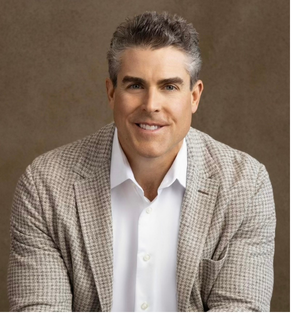
President, Mack International
Brian C. Adams is President at Mack International, specializing in C-suite executive search and human capital consulting for family offices and enterprises. He currently serves on the board of Sirrom Partners LP, a single-family office, and is the host of the Mack Podcast, which provides expert insights for family office professionals. In addition, Brian is the Co-Founder and Co-Chairman of Fortaleza, a global network of family office professionals committed to service and generational leadership, and the Co-Founder of Somos22, which connects single-family offices through curated events. He has held leadership roles in YPO and has previously been involved with the Institute of Private Investors and the Southeastern Family Office Forum. Alongside his family office expertise, Brian Co-Founded two real estate private equity firms and was a former practicing attorney.