Apple Podcasts

 Spotify

 YouTube
The Power of Saying Yes Before You're Ready | Lisa Morris

Key Takeaways
- Lisa Morris shares her unconventional career journey from Broadway performer and entrepreneur to family office investor, proving that career reinvention doesn't require a rigid plan.
- Stepping up to moderate a family office panel in Utah when a speaker dropped out launched Lisa into an entirely new elite investor network and career path.
- Lisa built a specialized travel business serving major entertainment clients like Broadway productions and Prince before successfully selling the company.
- Family offices cannot be treated as a monolith; each has distinct investment mandates, priorities, and liquidity preferences in private markets.
- Building trusted relationships with family offices matters far more than sending unsolicited pitch decks when seeking capital.
- Impact investing requires clearly defined outcomes to successfully balance financial returns with measurable social change.
What if the opportunity that changes your life is something you're not qualified to do—yet?
Lisa Morris went from Broadway performer to successful entrepreneur, sold her company, and eventually found herself working in the family office investment world. None of it followed a conventional career plan.
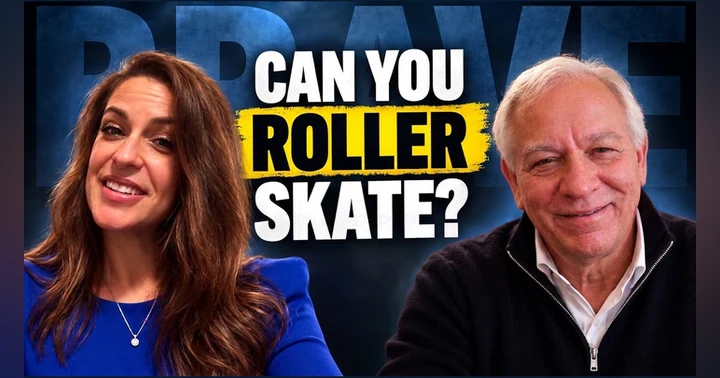
In this episode of Family Office Investing Podcast & Investor Insights | Arthur's Round Table, Arthur Bavelas welcomes Lisa for a fascinating conversation about reinvention, entrepreneurship, family office investing, philanthropy and her new book, Can You Rollerskate?
Lisa's introduction to family offices began at a conference in Utah in 2012. She was supposed to be helping with registration and event logistics. When a scheduled speaker became too nervous to take the stage, Lisa stepped in, delivered his opening remarks about impact investing and moderated a panel.
She knew almost nothing about family offices at the time.
But that unexpected moment opened the door to an entirely new network and, eventually, a new career.
Lisa also shares how she built a specialized travel business serving Broadway productions, touring musicians, film and television. What started as a way to solve problems she personally experienced as a performer grew into a company serving major entertainment clients, including Prince.
After selling the company, Lisa began learning about angel investing and impact investing through the relationships she had built. When the pandemic devastated the live entertainment travel industry, those relationships helped her transition into family office investing and philanthropy.
Arthur and Lisa discuss why family offices cannot be treated as one investor category, how investment mandates and liquidity preferences differ, and why trust matters far more than sending unsolicited pitch decks.
They also explore the difference between investing for financial returns and investing to create measurable impact, why philanthropy is about more than writing checks, and how experienced professionals can help deserving entrepreneurs gain access to opportunities.
Throughout the conversation, Lisa returns to the central idea behind her book: sometimes the most important step is being willing to try something before you know exactly how to do it.
WHAT YOU'LL LEARN
• How Lisa transitioned from Broadway to entrepreneurship and family office investing
• Why unexpected opportunities can become career-changing moments
• How she built and sold a specialized entertainment travel company
• Why family offices have different investment mandates and priorities
• How liquidity preferences are influencing private-market investing
• Why trusted relationships matter in family office capital raising
• How to approach investors without overwhelming them
• Why impact investing requires clearly defined outcomes
• How philanthropy can involve time, knowledge and connections
• Why career reinvention doesn't require a perfect plan
ABOUT LISA MORRIS
Lisa Morris is a former Broadway performer, entrepreneur, investor and family office professional. She founded and sold a travel business serving Broadway, music, film and television productions before transitioning into family office investing and philanthropic initiatives.
She is the author of Can You Rollerskate?, a book about courage, transition and embracing new opportunities.
Lisa directs 100% of the book's profits to Bridging the Gap, supporting rescue animals and military veterans.
GET THE BOOK
Can You Rollerskate?
Website: canyurollerskate.com
Available through Amazon, Barnes & Noble, Books-A-Million and other booksellers.
#CareerReinvention #Entrepreneurship #FamilyOffice #ImpactInvesting #Philanthropy #Leadership #ArthursRoundTable
This episode is provided for educational and informational purposes only and does not constitute investment or financial advice.
Want to learn more about Family Office Insights? Click Here.
Frequently Asked Questions
Who is Lisa Morris?
Lisa Morris is a former Broadway performer, entrepreneur, and author of 'Can You Rollerskate?' who successfully transitioned into family office investing and philanthropy.
How did Lisa Morris get her start in the family office space?
Lisa was working at a conference in Utah helping with logistics when a scheduled speaker became too nervous to take the stage, prompting her to step in, deliver the opening remarks, and moderate the panel.
What should entrepreneurs know about pitching family offices?
According to Lisa Morris and Arthur Bavelas, family offices have diverse investment mandates and liquidity preferences, and founders should focus on building trusted relationships rather than sending unsolicited pitch decks.
What is Lisa Morris's book 'Can You Rollerskate?' about?
Her book explores courage, career transition, and the power of embracing unexpected opportunities by saying yes before you feel fully qualified.
Arthur Andrew Bavelas (00:00.438)
Hello, welcome. Thanks for joining another episode of Arthur's Roundtable. Super grateful to everybody who's paying attention and sharing and listening in. We really appreciate that. So today, Lisa and I have known of each other on some level, but we just connected and she's agreed to come on the program today and chat about her journey and her book. So I'm super grateful to have you, Lisa. Thanks for doing this.
Lisa Morris (00:26.71)
It's great to be here. Thank you.
Arthur Andrew Bavelas (00:28.214)
So let's start at the beginning if that's okay with you. We actually chatted before we hit the record button about how this how you got indoctrinated by accident into the family office community. So we c y we can start with before that if you want, but make sure we talk about that because it was super interesting.
Lisa Morris (00:38.326)
Okay.
Lisa Morris (00:47.992)
Sure. No, I'm happy to speak about it. it is a different story. I'm not your average bear in the family office world. I I wasn't born into it and I didn't get plucked from Wharton or a Stanford. I was a Broadway actor and then I became an entrepreneur, and my first company was a travel business, primarily doing travel for Broadway bands, film, and television, but we could also do corporate meetings and events.
And I was asked to work on a family office conference in Utah. So I went on site, and my primary role was simply conference services, badges and registrations. But when we went over the run of show for the next day, this was when impact investing was kind of first a thing, right? First a big topic for families. And yeah, this was 2012. So yeah, long time ago. And
Arthur Andrew Bavelas (01:36.094)
Is ten years ago, fifteen years ago, how many years? Okay. Yeah.
Lisa Morris (01:44.651)
The gentleman who was supposed to give the opening remarks, kind of explaining what impact investing is, and then moderate a panel with Justin Rockefeller, who was at the time doing the impact, and at a par and many other things. He was a nervous public speaker. So when he found out that he had to open the room, he was not pleased. He was really scared. And I said, Well, I'm an actor.
Let me help you. I'll monologue coach you essentially. So we sat and went over a 10-minute speech for hours. By the time I left him, I knew the speech backwards and forwards and probably in French. Went to bed. Next morning, I'm handing out badges, telling people where coffee is. And the organizers come over. They're like, we can't get him on the stage. He's freaking out, sweating, hyperventilating. And I said, Look, I I know your speech. Do you want me to give the speech? And he said, Yeah. So
I went out there. I know I didn't know anything about family offices or investing, but I knew the speech about aligning your assets and your values. So I gave the speech and I moderated Justin's panel. And the next thing I know, in some super secret little way, I still have no idea, I was a speaker, and therefore I was listed as an expert in impact investing for family offices. And I start getting invited to all of these conferences. And
I thought, what a strange world, but I thought it was a fascinating one. And so I started going to as many as possible and meeting all of these wonderful people. And because I was not raising capital, I had no service that I was selling. I was there for no reason other than to learn and meet people. I formed a lot of relationships. And that's that's how I fell into the space. It was very organic. Yeah, it was no threat. I I had no ask. I was just, I was different.
Arthur Andrew Bavelas (03:22.515)
Yeah. You were no threat. Yeah.
Lisa Morris (03:31.331)
And people really liked me because I could talk Broadway and I was just talking about things that weren't the same conversation. And I wasn't trying to sell them insurance and I wasn't trying to manage their assets and I didn't have a technology for them. and I wasn't raising a fund. So I just formed relationships organically. And it's a big point that I make in my book, in my book, Can You Rollerskate? It's very much about transition. It's very much about being willing to put yourself out there.
Arthur Andrew Bavelas (03:42.719)
Right.
Lisa Morris (03:59.723)
And do things you don't feel prepared for or qualified for, or don't have the pedigree for. Had I really understood what a family office was, had I understood the room that I was getting up in front of, maybe I would have been intimidated. But I didn't care as far as I was concerned. It was just another performance.
Arthur Andrew Bavelas (04:17.759)
Just another comp another performance, another conference, another Yeah, right. Yeah.
Lisa Morris (04:20.888)
Yeah. Stand up, give a speech, who cares? Yeah. Worked out pretty well for me.
Arthur Andrew Bavelas (04:26.623)
So is the metaphor a transition metaphor for the book? Is that what it you would articulate it as?
Lisa Morris (04:33.742)
No, yeah, it's funny. So the the title is probably maybe a little too obscure for people to know what the book is about. You know, Can You Rollerskate? Where it comes from is because I started from Broadway. there's a Broadway musical called Funny Girl. And if you saw the movie, it was Barbara Streisand. And her character, Fanny Bryce, is trying to break into show business and get a job. And the available job was in the ensemble of a show where the girls had to roller skate.
And so the man says to her, Can you roller skate? And she can't, but she looks him square in the eye and she says, Can I roller skate? And she gets the job. And of course she can't roller skate, she makes a complete fool of herself. But because she's hilarious, the audience loves her and she ends up getting plucked from the ensemble and turned into a comedy star. And so I used that story of can you roller skate as really an idea of can you be a brave enough?
Arthur Andrew Bavelas (05:08.757)
Yeah.
Lisa Morris (05:32.204)
To do something that you don't know how to do and fake your way into it. and so that's why I picked that title, because I start the book with the Fannie Bryce story. Because it really meant a lot to me. And I thought about it throughout my life. And and to this day, when someone says, Can I do something that I don't know how to do, I think to myself, can I roller skate? You know, because it just gives you the chutzpah. Yeah.
Arthur Andrew Bavelas (05:53.77)
Yeah. Actually it's a very obscure reference and I get it, but I think independent of that, people would get the the meaning of the book without knowing that.
Lisa Morris (06:08.396)
And then people wonder there's a a the the cover of the book is a doxend on roller skates. And that's another really random thing. And so people are like, is this a story about dogs? It's it's not. but the reason I did that is that a hundred percent of profits from the book go to giving rescue animals to military veterans. It all goes to charity. And so I liked the idea of incorporating the dog. a, it's just kind of a fun cover.
Arthur Andrew Bavelas (06:29.94)
Nice.
Lisa Morris (06:36.866)
But I also wanted people to know that if they buy the book, they're actually helping rescue dogs and military veterans.
Arthur Andrew Bavelas (06:42.133)
Yeah, it's great. So I should know this. Should's a tough word. If I had done the appropriate research, I would know the answer to this question. Is this a new book just coming out? Available now? Yeah.
Lisa Morris (06:51.458)
Ha ha ha.
It's a brand new book. It's a brand new book. It came out on Monday. So we're in we're in week one. This is actually the crunch time, you know, trying to get to a bestseller status. So it's it's all about sales right now. But yeah, we just launched. It's available on Amazon, Barnes and Noble, Books a Million, Waterstones if you're in the UK. I mean, all sorts of places. And the Kindle version is very cheap. I made it 99 cents to make it accessible.
Arthur Andrew Bavelas (06:58.502)
good.
Lisa Morris (07:23.234)
The actual book is $12.99, but you know, it's it's really it's meant to help people in as many ways as possible. I'm hoping that the reader is helped because I do think that many people feel stuck. And the book really covers a lot of different perspectives of people who've made changes. I use my own life, but I also use many other people's lives. So I feel like no matter where you are in your life, if you're someone that's just sold a company and you're thinking what next.
If you're someone that's kids are out of the house and you're empty nesting and what next? If if your job's been replaced by AI, or you're just not sure that you're happy in your marriage, or you've whatever it might be, anybody that's feeling stuck, anyone that's feeling like, I know I want to change something, I just don't know how to start, that's who this book is for.
Arthur Andrew Bavelas (08:17.821)
Yeah, a lot of people like that, no doubt. so let let's first of all everybody th this is not live, but it'll get published in a couple of days and maybe it still helps your window to so everybody who's listening, go ahead and buy the book or buy the Kindle, whatever makes sense for everybody and help Lisa out and everybody else that benefits from it, including the veterans and the dogs. So there's a little commercial. So thanks for doing that.
Lisa Morris (08:46.018)
Thanks.
Arthur Andrew Bavelas (08:47.869)
So what happened after you made this speech and then moderated the panel?
Lisa Morris (08:55.832)
So what happened, like I said, I started getting invited and I just formed friendships. And then I sold my company. So all of a sudden, I had assets to invest. Now I never got I didn't sell my company for $300 million where I was suddenly a family office, but I sold my company for enough money that I was certainly an accredited investor and somebody that wanted to start using my money for good. And impact investing was the thing I had just been learning about. And so that's what I wanted to do.
And I got started by contacting some of the families I'd met and had built friendships with and said, listen, I've sold my company. I'm starting to invest. I don't really know what I'm doing. If I if I can learn from you, if you have an allocation, maybe I could put, you know, 50K in with your 15 million. but help me. And and a lot of they were very gracious. People were like, Of course, you know, we would love to help you get started. And so that's how I started investing.
Just angel investing and meeting people and learning from people. And that was really all that I was doing. I never thought of monetizing my relationships. I wasn't looking to work in finance. I was still running the travel business that I had sold. but then a little thing called the pandemic happened. And as you can imagine, having a group travel business for live touring entertainment and conferences.
Arthur Andrew Bavelas (10:23.017)
That was the end of that, right? You so I I c may can I just interject here and say that I use still to this day use a travel agency. It wasn't a conference it's not a conference company, but they do high end travel. And I continue to use them 'cause I can't be bothered trying to figure out where to go and have all that stuff. It means it's just not worth it. Like booking things, like it's just
Lisa Morris (10:25.78)
It wasn't a great place to be.
Arthur Andrew Bavelas (10:51.603)
I know it's super simple, but I'm not interested. And during the pandemic, I traveled all over the world wherever they'd let me go with my fake vax card. and my travel agent just stepped up big time and did some wonderful things for us. So I just put that anecdote in there and that there's real value in whatever you were doing, even though I know you probably suffered because you were doing, you know, company sponsored stuff, right?
Lisa Morris (11:02.904)
Mm-hmm.
Lisa Morris (11:22.816)
Doing Broadway tours and bands and film production. So every film shut down, every tour got shut down, all the work I had done for the year booking, we book in advance, it was all canceled. So I had already paid all my staff to do those bookings. So I lost two years of revenue. Yeah, it was really, really painful and terrifying. and it was mandated shutdown. So there was nothing I can do. This was not the kind of pivot where it was about a management choice or how you advertise, it was literally.
Arthur Andrew Bavelas (11:23.995)
Right. Yeah. Yeah.
Arthur Andrew Bavelas (11:35.571)
Oof. Ouch. Ouch.
Lisa Morris (11:51.501)
The shows are closed. You cannot perform. You cannot meet in groups. So I went from highly successful to zero overnight. but it's what actually led me into working in the family office space. Again, I'd never thought about it in any way as a as a career. These were just friends. but I ended up going to work with Force Family Office, which is another deal network. They're not a family office, they're a deal flow network.
I I was always on their list as an investor. And when they reached out to see if I wanted to meet a company, I said, no, take me out of your database. The CEO got that message. He knew me personally because I'd invested, called me and said, What did we do wrong? And I said, you've done nothing. I just I can't invest. So there's no point in in being in your database. And he said, well, you should come work with us. I mean, you're you're wonderful. So he gave me an opportunity and I started working with them.
Arthur Andrew Bavelas (12:44.797)
Nice. Yeah, they're good guys. We know them. Yeah.
Lisa Morris (12:48.898)
Yeah, yeah, lovely, lovely people. Lovely, lovely people. can't say enough good things. And then I was reaching out on on behalf of one of their clients and I kept asking a guy that I knew that invested a lot in life science to to meet to take meetings. And then he ended up saying, you know, please just come work for me already. So that's how I started working for his family office. He was somebody I kept asking to take meetings for some of Force's clients. So, you know, it all really worked out.
in a great way. And then I moved over on the foreside to doing philanthropy with them. And so I still work with them on a program called Force for Good, where we give nonprofits a chance to speak to audiences about their work. it's a philanthropic give back. They're not charging anything. But it's a good way for for nonprofits to get the word out about what they're doing. I think it's so important to amplify good work. And nonprofit organizations frequently don't have access.
Arthur Andrew Bavelas (13:38.837)
Awareness. Yeah.
Lisa Morris (13:47.971)
To talk to families and they don't have the budget to go to conferences. And so if you can highlight the work that they're doing on a simple webinar, the way you are, right? You're highlighting people in your podcast, you're highlighting people. You'd mentioned before we started that you, you know, you'd highlighted somebody that was doing shaman work in in ayahuasca, right? So the more that we, as the people that are connected in the world, have the ability to amplify.
The people that are doing some interesting things but might not know how to reach the audience, it's just a win-win for everybody. The audience gets to learn about great people and these people have a chance to speak in front of audiences they they just would never know how to meet. So I love amplifying philanthropy. Philanthropy to me is everything.
Arthur Andrew Bavelas (14:34.879)
Think it's getting better too, because you know, historically there's been a lot of shenanigans and too much money spent on the one hand on not bringing in the money and using it well. And then on the other hand, if you don't bring in the money and pay to get it there, nothing ever happens. So I think that's reverting sort of to the golden mean, so to speak, where you know, all the shenanigans of
a lot of the shenanigans have come out of it and that the intention of the philanthropy has actually been able to execute better. and and I think a a lot of that has to do with folks like you, and I don't need to, you know, be kind to you for any reason, but I think it's I think it has a a lot to do with people like that who are authentically interested in having the philanthropy execute on doing good, right?
Lisa Morris (15:31.245)
I think I think one of the biggest things is that a lot of people don't think that they can do anything in philanthropy because they might not have that much money. And my message is philanthropy goes so much further than money. You can give of your time. That can make a massive difference. Right. Especially with young people or older people. You know, sometimes just that company, sometimes just somebody caring, sometimes just somebody spending time.
That can make all the difference in the world. So I I always say, you know, philanthropy is not just money. It's time, it's treasure, it's knowledge, it's creative ideas, it's connectivity. So in my mind, everybody can be a philanthropist.
Arthur Andrew Bavelas (16:10.143)
Yeah, I agree. And a lot of people have been able to execute well on it. Yeah, I want to mention that right before COVID, and you might have been there. I know Justin was, or I'm pretty sure he was, but he's into my house at my apartment in New York many times. I had a UN, I did a conference at the UN, and I don't do conferences as a business, meaning that's not part of our construct, but right before COVID, we obviously didn't know COVID was gonna happen, at the UN
I did an impact conference where I put 15 real companies that had real impact that could demonstrate it that were making money on the stage at the UN. And that was kind of the even it was 2019, it was sort of the tail end of people still really being interested in impact. and I I shouldn't say it that way. I think people are can even more interested in impact now.
But they're very discerning on what that impact is, right? As opposed to a broad category of impact. Yeah.
Lisa Morris (17:15.022)
Absolutely. Look, it's always been the I think the the issue that impact investing as a whole has run into is that it's being defined in such a broad way. And then there's always inevitably at any of these groups, I'm sure you've had it, someone always says, but how do you measure impact? It's it's you can't measure impact. You can measure a metric of what you're trying to achieve in that specific area.
Carbon emissions are different from education, which is different from cancer care. So you can't measure impact. That's like saying, How do you quantify love? But what you can do is set metrics for that specific target or goal and then match and see, are they achieving what they've said they're going to achieve? But first you have to lay it out. And so it's not a generic category.
Arthur Andrew Bavelas (17:45.428)
Totally.
Arthur Andrew Bavelas (18:03.744)
Yeah, you have to have a benchmark that's appropriate. Yeah.
Lisa Morris (18:07.456)
Right. And people seem to think it's like one thing. And it's like it's not. I mean, impact is a very broad term and people define it differently. A lot of people think it's just climate. It's not just climate. There's there's social, there's I mean, I consider impact to be health. Theater is impact. Education is impact. So there's a lot of different investable areas and sectors that would all fall under the umbrella.
Arthur Andrew Bavelas (18:09.606)
No.
Lisa Morris (18:35.03)
Of impact, but they all do very, very different things and need very, very different pools of capital. Some are very, very capital efficient, some are very capital intense. And obviously, if you're trying to build infrastructure, it's a very different cost than if you're trying to create an online mental health AI, right? A very, very different investor, it's a very different product. But they can all make money and do good. And that's the
Arthur Andrew Bavelas (18:41.504)
Totally.
Lisa Morris (19:04.568)
To me, the key element of impact is does it move the needle towards whatever you're trying to solve?
Arthur Andrew Bavelas (19:09.77)
Yeah. And I think you're right, you have to have some sort of metric to to hold it against to see if you've succeeded. So establishing that ahead of time makes a lot of sense. So what happened after COVID? Or during COVID even
Lisa Morris (19:24.472)
Well yeah. So I mean, like I said, during COVID, I I you know, at first I thought, what am I going to do? I mean, I had already sold the business. So and thank God for that, because I sold my business for a multiple of Ebida and I would have had no Ebida after pandemic. So imagine all those years of building this company and it would have all been wiped out. I was the little guy. But because I'd sold the business, fortunately, I was then owned by a much larger
travel company that had more ability to stay open despite, you know, multi-millions in losses. but I still had to stop working for a long time. So that's when I started working, you know, with Force and then with the family office that I work for now. So it definitely led me down a different path. But even the travel business was very different from where I started, which was a Broadway actor. So you would never imagine that a Broadway actor
Would end up in finance it anyway. But even the entrepreneurship journey was not planned. So when I talk about again, can I roller skate? I wasn't an actor that had a business plan. I didn't go to business school. I did not expect to have a successful company. I was on tour. I thought our travel was handled poorly. I decided to start negotiating my own deals to make my life better, the lives better of my other colleagues.
And then another the tour manager went out on a different tour. He went out on Jersey Boys and said, Look, you did a better job than our travel agency. Would you help me with the travel? So he actually gave me the idea of doing it for another person aside from my own group. And I thought, well, how do you make money? And I thought, well, I have a talent agent. They get 10% of my paycheck. There must be a commission or something. So I discovered that yes, travel agents work on commissions.
Arthur Andrew Bavelas (21:16.628)
Right, something. Yeah.
Lisa Morris (21:22.266)
and I started booking the travel for Jersey Boys. And then I got a call from Spam a lot, and then I got a call from Hairspray, and that's when I realized this is not a side hustle. This is an actual business. So I quit acting, focused on building the travel company, scaled it, and eventually sold it. So it was really, you know, I was an accidental entrepreneur.
Arthur Andrew Bavelas (21:43.019)
Yeah, but what a niche market, right? You had the relationships, you knew the people, they had to travel, there was some sort of budget. what a what a clever little filling the gap, right? It's it's it's like the term they use in medical investments or bio bio investments, an unmet need, right?
Lisa Morris (22:07.456)
Absolutely. It was really just build a better mousetrap for an industry that was so niche that the large corporate travel agencies, they didn't get it. You know, they they just really had no idea how to handle it. and even even the ones that were doing it, the the training of being the customer is hard to replace. So they were still travel agents at the end of the day, they were not on tour.
Arthur Andrew Bavelas (22:29.074)
Right. Yeah.
Lisa Morris (22:36.01)
I had spent 14 years of my life on tour. And so I lived it every day and I really understood what we needed. But even what I started was theater. That's what I knew. And I started out as a very niche agency for theater. And then I fell into music. And the way I fell into music ended up my very first music client was the artist formerly known as Prince. And so
Once you have someone like Prince on your roster, other music opens up to you. So I landed a really big fish, also by accident. and then that led to film and television and eventually comedy. So the agency is is still quite active. And now we do a lot of celebrity comedians, which is so much fun because I love stand-up comedy. So every once in a while I get treated to some of the best comedians in the world and I don't have to pay for it.
Arthur Andrew Bavelas (23:09.621)
Yeah.
Arthur Andrew Bavelas (23:34.452)
Yeah, that's awesome.
Lisa Morris (23:35.756)
Love free. Free is an excellent price.
Arthur Andrew Bavelas (23:37.448)
Isn't it great that c comedy's coming back, just editorial? You know, everybody was afraid to get canceled. So all the comics and I've been to the mothership and a bunch of really great places and you know it's really it it it's really comforting to see that the comedians are not worried about getting canceled anymore.
Lisa Morris (24:00.333)
Well, I don't know that they're not worried about it, but I think comedy's always been something where everybody should understand that that's a zone where you let go of the the things that would offend me in real life in comedy are hilarious to me. Because you don't it's obviously all meant in jest. Right, exactly. And so it's it's interesting though, you talked about cancelled. one of my clients is Shane Gillis, who got in a lot of trouble about a month ago for some things that he said in his SNL monologue. And
Arthur Andrew Bavelas (24:12.148)
Yeah, it's a different it's a joke, right.
Lisa Morris (24:30.294)
It was interesting to see the reaction still, from many people, and I'm not saying the reactions aren't valid. I can absolutely understand how it could be very offensive, but I still know that like it was
I don't believe meant to be offensive. I believe it was meant to be comedy. Now you could not find it funny, but it was meant to be comedy. And I I I personally find him very funny. So everyone has a different everyone has different taste. And the thing with comedy though to me is if you don't like somebody's humor or you think they're disgusting, don't go to their show. Don't support them. Don't support them. Say I don't like it. There's a lot of music I hate.
Arthur Andrew Bavelas (24:55.69)
He's hilarious.
Arthur Andrew Bavelas (25:04.992)
Don't go to the show. Yeah. No one's forcing you to go, right? Yeah.
Lisa Morris (25:11.446)
Right? And I just but I don't go to their music. I don't I don't cancel their music. I just don't go. I think it's offensive. I think their lyrics are offensive, or I think their personal beliefs. Canceling is a really interesting topic because I think there's always the time where you have to say, How do you separate the artist from the real person? Michael Jackson's a great example of that. Can you be a fan of Michael Jackson's music and not be a fan of the of the person?
I believe you can. Some people don't. That's up to you. I I I don't judge anyone's opinion on how they handle people they find offensive. That's part of the freedom that we all have. but I do I do try to separate art from so I'll give a personal example. I find Mel Gibson to be incredibly offensive. He's an anti-Semite. I think his personal beliefs are disgusting. I still really love the movie Braveheart.
Arthur Andrew Bavelas (25:51.349)
Yeah.
Lisa Morris (26:09.824)
I still like Lethal Weapon. So I can enjoy Braveheart and not like Mel Gibson as a person. And I don't th I that's just, you know, or Woody Allen. I love Woody Allen movies. I don't like
Arthur Andrew Bavelas (26:21.014)
I was just gonna use Yudie Allen as an example because he's made some masterful movies. But once you if you believe what's said to be true, it's kinda like, maybe I won't watch that again, right? Yeah.
Lisa Morris (26:34.83)
Yeah, well, and and for me, I'm like, I if if what's said to be true is true, then I would like him punished for that, but I can still enjoy Annie Hall. So that but again, everyone is different in how they how they react. I I I think one of the best things about being an American is that we have the freedom to decide if how we want to feel about things and the freedom to say how we feel about things. And I don't think any I don't judge anyone for how they
react to things. I think that everyone's entitled to feel the way they feel. And
Arthur Andrew Bavelas (27:06.24)
Totally not judgment. No judgment zone. I mean, I feel the same way, I think, that you do and that I'm not judging anybody, but if you don't like what you said, it was a perfect example. If you don't like a comedian, just don't watch him. No one's telling you, right? Like if you didn't like what Gillis said and you didn't find it funny, you can be offended. but no one says you have to go to his shows after all that, right?
Lisa Morris (27:32.045)
Yeah, just don't I again I I I think everyone has a right to stand up. And if you think what's been done is wrong, I I approve of you saying so. I approve of you posting about it, I approve of you saying I think it's despicable. I call out what you see as bad in the world, but I just think that canceling is really dangerous in for anyone. Even the people I can't stand. There are some people that I find despicable and offensive, and I would never support them in any way. And I would have no problem saying that I think they're despicable.
But I still think they have the right to speak. So I I've always been I believe in freedom of speech. And if I find this speech offensive, I will call it out. and I will say I disagree with it. Right. Well, I certainly won't listen, but but I don't I'll never want someone pulled where they're not allowed to speak. That's what I'm saying. Even the people I find offensive on every level. because I really value the freedom of speech, period. I want us to always have
Arthur Andrew Bavelas (28:11.356)
Or don't or don't listen. Yeah. Or yeah.
Arthur Andrew Bavelas (28:18.912)
Yeah.
Arthur Andrew Bavelas (28:27.434)
Yeah, that the what I was what I was referring to, sadly, there was power giving to those given to those people to cancel during a period in our not so recent past. And it was really disturbing that that's so much power existed to get people canceled. So it's a whole other subject matter. What do you think about the so being that you've now
You've you're working in a f you you worked before, you've got some exposure with investors and talking to them. You're working in a family office now. You've participated, we just talked about before the show, speaking at a couple of fun family office conferences. What do you see going on in the family office world now?
Lisa Morris (29:17.346)
I mean, look, there's a lot going on. It's you know, a as you know, I this is such a cliche, but you know, you know one family office, you know one family office. And that's just the truth. And so there is nothing going on in the family office world. What I will say is that I think family offices are are more recognized now as as real sources of capital. I think there's a more institutional approach to investing now. I think people used to think of families in some ways as
Arthur Andrew Bavelas (29:29.014)
Right.
Lisa Morris (29:46.401)
as dumb money or easy money or as just passion investors. And I think most families I see are very disciplined now. I think they're far more institutional in the way that they're evaluating deals. I think I I've met many families that are are have built their own AI or have adopted somebody else's to help them evaluate which investments make sense for them. I think there's a lot of collaboration between families. always has been and I think it's getting better and better. I know
for for me personally can't again, everyone is different. but we like a lot of co-investments and we like to work with other families. And I think that communities that bring families together in a protected way are highly valuable because it is a world of of people that are targeted in so many ways and constantly bombarded. And I do think that people need to be able to
Work with people that they can trust and not feel consistently targeted. I think it's very different when you work for a pension plan or you work for a fund because you have a very strict mandate. Well, first of it's other people's money. So there's that. But it's your own money and your own family is a bit different. but I think there's also the idea that family office capital could be more flexible capital, and that might be true, but I think that.
Arthur Andrew Bavelas (31:00.202)
Right. Yeah.
Lisa Morris (31:16.546)
There's also still usually a mandate within a family. It's not just the Wild West. It's not just anybody can invest in anything because they happen to be born into it. It that's just so false. And each family has their own Yeah. People have their own focus. They have our there's very different sizes of family offices. I mean, you could be a family office at a hundred million or a hundred billion and your strategy is gonna be different.
Arthur Andrew Bavelas (31:18.866)
No doubt. Yeah, I think you're right.
Arthur Andrew Bavelas (31:28.862)
It's a misconception. Yeah.
Lisa Morris (31:43.011)
Your strategy is most likely going to be different if you're first generation versus seventh or eighth or ninth generation. There is a strategy of wealth preservation and there's a strategy of growth. And they might not be the same for for families. They're they're very, very different. And so I think I don't think there's ever a way to say family offices think this or family offices are doing that. That's just it's just silly.
Arthur Andrew Bavelas (32:09.153)
Yes.
Lisa Morris (32:09.834)
Everyone is different and what they're investing in is different and what they value is different and their approach is different and everyone has to be taken, you know, individually in terms of what they are what they are doing. What I will say is that I do see more connectivity between families now because the world has allowed for that in a way. You know, maybe 50 years ago they wouldn't find each other in the same way.
Now and I I would say that there are always trends. So the trend I would say, and this is probably true for for most investment, is because there's been so much instability and uncertainty, I see more of a trend towards liquid investments or shorter term holds than in the past.
I see less of an appetite for the long-term play in general. Again, not all. Everyone is different. Some say, okay, this is a perfect time to take advantage of that long-term investment because we can and we can we can withstand it. But I I do see a general trend towards secondaries, towards public markets, towards areas that are more popular at the moment. So you know, if you were
you said you you you introduced deals, right? So I'm sure you'd probably have an easier time with a dual-use defense deal or a data center or a critical mineral deal than you would with, let's say, an oncology drug. And that's not to say it's a better investment or a worse investment. It's just what people have an appetite for tends to shift. and that those things can be trendy. Real estate might be having a harder time when interest rates are higher. So these are not
you know, insights that I'm some genius. They're just very obvious insights.
Arthur Andrew Bavelas (34:06.549)
No, I think they're I think they're valuable insights. And I think the most valuable thing is that you've thwarted the notion that family offices can put be put into a bucket and they cannot. In fact, I've been arguing for a long time that the family office principal, especially if it's a family member, has a hell of a lot more to lose by making a mistake than the
guy that runs the money for the pension fund, because all he can do is get fired. And the guy that runs the money for the family, he's going to have a fight with all the siblings and the parents and so on and all the other beneficiaries, right? So he has a lot more at risk than the guy at the pension fund that's going to just lose his job.
Lisa Morris (34:58.734)
Yeah, and look, there's a different dynamic. Okay, a family business, not even just a family office, a family business. You have the element of, you know, you don't just fire your son or your brother or your uncle. I mean, there's there's there's dynamics that are treated differently. If you are hired for a job ordinarily, you might treat your boss differently than if your boss is your dad. Right? There's just inevitably a dynamic between family members that is is a complicating factor because you're
Arthur Andrew Bavelas (35:18.689)
Exactly.
Lisa Morris (35:28.896)
working with somebody that you might really love. And maybe when you really love someone, it's a lot harder to say, I think you're wrong about this, or I'd like to do something different. Or it's it's a different dynamic than a traditional corporate structure. And that's just part of the navigation of the world. so that's look, there that there's a reason why a family office might have some different challenges than a
Arthur Andrew Bavelas (35:43.915)
No doubt.
Lisa Morris (35:58.339)
fund or an endowment. I mean, everything is a little bit different, but at the end of the day, there's always a common thread, which is don't lose money. And what is the legacy? I think that's the difference that more families look at than a fund. The fund is not so much worried about what is the legacy they leave on the world. It's what's the return for our investors and what's our odds of raising our next fund. I think with a family office there's always the
Arthur Andrew Bavelas (36:07.861)
Yeah.
Lisa Morris (36:27.82)
financial aspect, but also the legacy aspect. And, you know, what is it that we want to be remembered for? What is it we want to pass on to the next generation? For the multiple generations, maybe is there a change we want to make from what are where our family built our wealth to what we want to be doing with it now? Right. So so there are many dynamics in a family office that are a little bit different than a dynamic you would face in a in a corporate investment strategy.
Arthur Andrew Bavelas (36:34.689)
to the next generation or the multiple generations, right?
Lisa Morris (36:57.6)
Or a fund or or a pension. It's it's it is a different animal. But yeah.
Arthur Andrew Bavelas (37:01.313)
So what would you say? I get this question often I'm curious on what you would say. when people come to me and said, We're raising money for XYZ, we think that family offices are a good place for that. And my question is, okay, why do you think that? So what do you what do you say when somebody's I imagine they've said that to you as well.
Lisa Morris (37:26.84)
Yeah. I don't think a day passes where somebody comes over to me and says, How do I how do I raise money from a family office? Like, can you help me? I'm like, no, no, I'm not a broker. I think that many times people think that family office is the right target because of the they've been told it's flexible capital or they have more of an appetite for a long-term hold. But I think it also can be the size of an investment. Sometimes it's very true. The reality is if you're raising
$10 million, you're not getting institutional capital, right? It's too small of a bite for them. So in that sense, I get where you could say, well, we want to go to people that have the resources, but are not mandated to only take X amount of our fund or X amount of our investment or a safety element. I mean
If you're a pension plan, you can't invest in a in a pre-seed venture deal. You know, it's just it just doesn't work. and so I think in that sense, a lot of people think, okay, family offices, that's that's the route. and that that doesn't mean they're wrong. A lot of times the family office is the right investor for them because they might have a different strategy or the ability. But again, it's not one.
thing. So yes, people most people think family offices are the right target for them and sometimes they're not. You know, in some cases it's like maybe you really just need to go to an institutional investor and try to get a fifty million dollar check in one bite for what you're trying to do.
Arthur Andrew Bavelas (39:07.167)
Or go the other way and just use angel investors because there's it's just not big enough for anybody, right? Yeah.
Lisa Morris (39:14.594)
Well, exactly. or you might need to to crowdfund.
Arthur Andrew Bavelas (39:18.273)
Right? Or crowdfunding, yeah.
Lisa Morris (39:20.854)
Right. So everyone is different and what they're doing is different. And and there is no one way. I think that what I will say is everyone I meet now is struggling to raise. And that is different. You know, funds that used to raise really quickly are are struggling to raise money. And it's not because I again I think a lot of people want more liquidity. So the model of a fund, the idea of a seven to ten year fund.
Arthur Andrew Bavelas (39:38.327)
What do you think why you think that is?
Lisa Morris (39:48.503)
No matter how good the fund is, it's less desirable for a lot of people now. So I think I think a lot of families are are like we we do direct investment, right? We don't do funds. it has nothing to do with the quality of that manager or it's just the structure. So I think that's difficult. I think there, you know, there was a lot there weren't a lot of exits. So people started saying, well, I'd rather not go through this again.
Arthur Andrew Bavelas (40:12.118)
Mm-hmm.
Lisa Morris (40:13.654)
And it had nothing to do again with the performance. A lot of times these are wonderful funds, great managers, but that I think was a problem. And then when the venture funds started having trouble raising, they couldn't deploy to the portfolio company. So then the portfolio companies that were tracking well started to hurt because they were getting squeezed. So it's a ripple effect. that just wasn't happening in the same way that has happened in more recent years. It's been a lot harder for good companies to get
Arthur Andrew Bavelas (40:29.269)
Suffer. Yeah.
Lisa Morris (40:44.034)
funding. And that's been difficult. I mean, for for me, we look a lot in the health space, right? In the healthcare space. Well, political changes led to cuts in a lot of the granting and a lot of the the money that was coming in. Right. So when that got squeezed, all of a sudden private capital had to try to fix that gap. And that's very difficult to do.
Arthur Andrew Bavelas (41:00.253)
Non dilutive capital for those type of companies, yeah.
Lisa Morris (41:11.572)
So th there's a lot of you know, there's lot of factors in why money flows or doesn't flow. you know, geopolitical taxes. I'm sorry, I might hear my puppy in the background. you know, there there's there's different countries are deploying differently, right? So money might be flowing differently out of Singapore or Abu Dhabi than out of London.
Arthur Andrew Bavelas (41:22.423)
There the puppy the puppy is welcome.
Lisa Morris (41:36.587)
So it it's it's there's so many factors. I would say there's always factors of of how an economy is doing, there's factors of of of geopolitical risk, all of these things. so apolog apologies. Yeah. Well, it goes with the background, right? And then the whole story of run Hey, Alice, shh, baby. Sorry.
Arthur Andrew Bavelas (41:47.871)
It's okay. I think it's a to me it's additive.
Yeah.
Arthur Andrew Bavelas (41:59.456)
Yeah.
Lisa Morris (42:01.399)
I'm I'm a puppy mom with no one to take her out. I don't have kids to to take her out. I will try to shut the door though. I apologize for the the noisy disruption there. So okay. Anyway, back to our regularly scheduled program.
Arthur Andrew Bavelas (42:05.771)
Yeah. No, no, you don't have to do that. Don't worry.
Arthur Andrew Bavelas (42:15.275)
Yeah. Well, thanks for sharing all that. It really is
It's true that family offices can be good for certain opportunities and that they are flexible more so than institutional investors. So but it depends on the family office. And you also have to know just because they're a family office doesn't mean that's true, right?
Lisa Morris (42:43.51)
It also doesn't mean that they want to invest in what you're doing. I know families that only do public equities. I know families that only invest in their own operating businesses. Right. I know families that are only interested. Right. We only do real estate. We only do manufacturing. We're only looking at at commodities or we are into mining or any number of things. Again, there is no rule. So just because someone has capital doesn't mean they want to give that capital to you.
Arthur Andrew Bavelas (42:45.363)
Exactly.
Arthur Andrew Bavelas (42:51.625)
R exactly. Yeah. Yeah. Just have real estate, right? We didn't
Arthur Andrew Bavelas (43:11.159)
Exactly. Yeah.
Lisa Morris (43:12.842)
It doesn't mean you're bad. It doesn't mean you're a bad company. It doesn't mean you're anything other than not what they're looking for. Or what they don't understand. that's another thing. I think diligence
Arthur Andrew Bavelas (43:15.062)
No.
Arthur Andrew Bavelas (43:20.405)
Yeah, we talk about
That's like they don't understand. They can't they can't underwrite it, right?
Lisa Morris (43:27.5)
Right. They're not gonna who wants to invest in something that they say, I I just don't know. I don't know enough about it. And that might change, I think, with with AI. I do think that there is some opportunity there to get diligence done in a way that might give more confidence than having a PhD on staff. so there might be a world in which somebody might start investing in things that they didn't invest in previously because they feel like they can get the research faster or get a getter better understanding.
Of the sector, but people are not gonna invest in things they don't understand. And people typically don't want to invest with people they don't trust. And that does make it hard to reach family offices sometimes if you're not in the community and you're not brought in through someone that has the warm relationship because it it's just too risky.
Arthur Andrew Bavelas (44:19.155)
It's too risky. Yeah, there's nothing but risk. And and one of the other things that we try to help people with, and I know this is your interview, but we say find out who who you're hoping to talk to, find out what they're interested in, and don't bother talking to them if you already know they're not interested. Like, you know, it doesn't make any sense. It's just a it it it's really interesting to see how many people don't do that first step.
Lisa Morris (44:48.992)
Or the fact that you need something doesn't mean that that's their problem. But at the same time, I also think that families can maybe find some ways to open up what they're looking at beyond who they know. And I, you know, I I kind of think of the TV show The Voice, where you know the chairs are turned and so they don't see who's singing and they turn around because they hear a great voice.
Arthur Andrew Bavelas (44:51.839)
Right. Yeah.
Arthur Andrew Bavelas (45:17.738)
I've never seen it, but that makes sense. Yeah. Yeah.
Lisa Morris (45:18.306)
So I do think that I so you know there there could be a world in which there's a way to submit, you know, into a portal and and be looked at objectively without the personal relationship as well, you know, just to open up some access a little bit, because there are great, great founders out there that just don't have the relationship and it's unfortunate if they're never looked at. and so I do think that there are ways that maybe we can can be more inclusive in how
a company has a chance to be seen or looked at. because there are there are limitations that are are a bit unfair in some ways, right? but yeah, look it's it's relationships.
Arthur Andrew Bavelas (45:57.752)
I think a part of it's bandwidth, bandwidth, access, attention, so much fire hose coming at people at once. But it is really interesting that it's counterintuitive in that we know that there's a huge appetite for deal flow. It's just how does it get to you, right?
Lisa Morris (46:19.266)
And that is where the warm and trusted relationships do come in. And that is why there are organizations and connectors and people that have built those relationships and they understand more about who is on the other side and can help guide that process. But it is I talk in the book a lot about building real relationships and trusted relationships and doing it when you don't need something. You know, the idea that you can
Buy a pass to a conference, and you think that gives you the right to come over and say, Well, I demand that you listen to me and hear my pitch, and it or or someone I'll tell you, I I accept somebody on LinkedIn, and what I expect is a normal thing, like, thank you for connecting, or maybe we could chat sometime. Instead, I'll accept someone and I'll get a a 30 paragraph.
pitch with a deck included and then somebody following up. Well, did you read my deck? It's like, I don't know you. no, I didn't read your deck. I don't know you from Adam. I just accepted you and all you've done is bombard me. That does not make me want to work with you at all. And but I do understand that, you know, the frustration of I have something I want to show you. What's the best way to do that? And so usually Yeah, and and I it is frustrating. It does take time to build trust and relationships and
Arthur Andrew Bavelas (47:17.803)
Yeah, right.
Arthur Andrew Bavelas (47:27.135)
Exactly. Yeah.
Arthur Andrew Bavelas (47:33.771)
They that's a different that's a different question. Yeah.
Lisa Morris (47:43.413)
Either you have to take the time to do it on your own, or you need to find the person that has already done it for 15, 20 years and convince them what you're doing is worth them taking you to their contacts and saying, I do think this one might be worth looking at. Or maybe you should take a coffee. But you have to put in that time and that trust in those relationships and the idea that you can just.
Smash people with your deck and think that it's their job to look at you. It's like they don't work for you. And and there is a an expectation. So again, in the book, I talk a lot about how you can build relationships, how can you use the network you have? How can you build a bigger network? Everything does come down to who you know. And so I also think it's the responsibility of the people like ourselves that are very connected.
To also think how can we sometimes give someone else an opportunity that is not in the world? And one of the things I talk about a lot is if you are, let's say, sponsoring a table at a at a philanthropic event, don't just invite your other wealthy friends to sit at that table. That's your opportunity to bring that young founder.
Arthur Andrew Bavelas (48:54.955)
That's a really good pathway, I think, to do that. Yeah.
Lisa Morris (49:00.598)
Yeah, that's an opportunity to let someone else have a seat at the table and build their own relationship. So it's on us sometimes too to include people. And if we really think someone's special, you know, take them along. But it doesn't have to be you know, all or nothing. And so, you know
I think we can all help each other in this world. And I believe that if I can help someone because what they're doing is valuable, I will do that. But it's also not my responsibility to help you. And I I'm sorry, but you don't have a right to demand my time and and harass me to make a connection for you if I don't know you yet.
Arthur Andrew Bavelas (49:42.422)
It's really interesting, isn't it, Lisa, that you get texts or LinkedIn connects a couple days go by and go, did you s did you read the last message? I said, No, I didn't read the last message. Like as if I was obligated to read that last message, right? And I I think that it's to me, it's just entertainment. I'm not complaining. Like I get it. I know why they're doing it, but it's entertaining to see that the expectation is there. There's actually your words.
are very useful. Instead of assuming that I have an obligation or you ex you have an expectation, say if this was something that might be interesting, how best am I ask the question, right? Who how how best for me to talk to you about this, right?
Lisa Morris (50:31.306)
Look, I always try to be polite and kind to people. I can't always get back to everyone because it it it's the amount I I probably am sent a hundred decks a week. Right? I I just I can't but if someone is polite, I always try to get back or I always try to say, look, it's not for us, but maybe you want to try this person. I always try to give that resource. And I constantly try to connect people, not because I'm getting paid to do it, not but because if I know I can help someone with a simple
Email, I'm gonna do it. I try all the time. You know, I I just actually, it's funny, I was on a panel yesterday morning, and the woman, the moderator of that panel, and I shared an Uber out to the conference, and she said that she was interested in getting involved with human trafficking. The night before I attended a dinner of a woman that was about to do a TED talk on her incredible philanthropic work on human trafficking. So it's like, of course, I'm gonna connect you. It's a no-brainer, this is gonna happen.
Arthur Andrew Bavelas (51:01.185)
Mm-hmm. Yeah.
Arthur Andrew Bavelas (51:24.993)
Worse. Easy. Yeah.
Lisa Morris (51:29.386)
And so yeah, talk to people about what you need. Put out there in the universe what you're looking for. And a lot of people are generous with their time and their relationships and we'll help you if they can. But yeah, we don't work for you. It's it's very different to say, can you possibly give me some advice? I think many more people are happy to give advice. so can you give me some advice? What's the best way I might be able to do this? And if I have the answer, I'll give it to you. And if I don't have the answer, I'll say, I'm so sorry. I have no idea.
Arthur Andrew Bavelas (51:57.153)
Yeah.
Lisa Morris (51:58.412)
But and we can all be a little bit better about helping each other. without without the transact no, but a lot of people get very transactional. It's it's very interesting to me how many people it's like, and of course you're gonna get paid if you do this. I'm like, I didn't ask to get paid. I literally asked you what you needed. So it's it it's the world goes around, we all can help each other, we all can connect each other, help each other if you can.
Arthur Andrew Bavelas (52:02.315)
No doubt.
Lisa Morris (52:26.956)
But absolutely do not think that you can walk into somebody that you've never met and demand a check from them. That is just ridiculous.
Arthur Andrew Bavelas (52:34.515)
It is ridiculous. Well, this has been super interesting and I would appreciate you sharing your insights with the folks. And just tell everybody again where they can get the book. So let's see if we can get you on the bestseller list.
Lisa Morris (52:47.168)
thank you. So it's can you rollerskate? You can go to canyurollerskate.com and that will take you to a link to buy it anywhere you wish. It's on Amazon, Barnes and Noble, Books a Million, Kindle Store, whatever you wish. Can you rollerskate.com? Thank you for letting me have the commercial. I appreciate it. Yeah. I do think the book will really help people. And the charity that it benefits is called Bridging the Gap. Veterans Day is coming up. So support a veteran, buy a book.
Arthur Andrew Bavelas (53:03.127)
Very welcome, yeah.
Lisa Morris (53:15.498)
And let's all help each other.
Arthur Andrew Bavelas (53:16.258)
That's awesome. Thank you, Lisa. And thanks everybody for joining us today. Till next. No worries. Hang in there a second.
Lisa Morris (53:18.787)
Thank you. It's really been a pleasure. And sorry again about the dog, but it's